Jingle bells! Mrs. Peabody’s 2025 Christmas crime list

Mrs. Peabody’s 2025 Christmas list features the perfect gift for every crime lover in your life — including yourself!

Eight novels set in America, England, Norway, Scotland, Croatia and the former Yugoslavia, with a dash of China, Sweden and Ukraine. Please support indie publishers and local booksellers!
Red Water

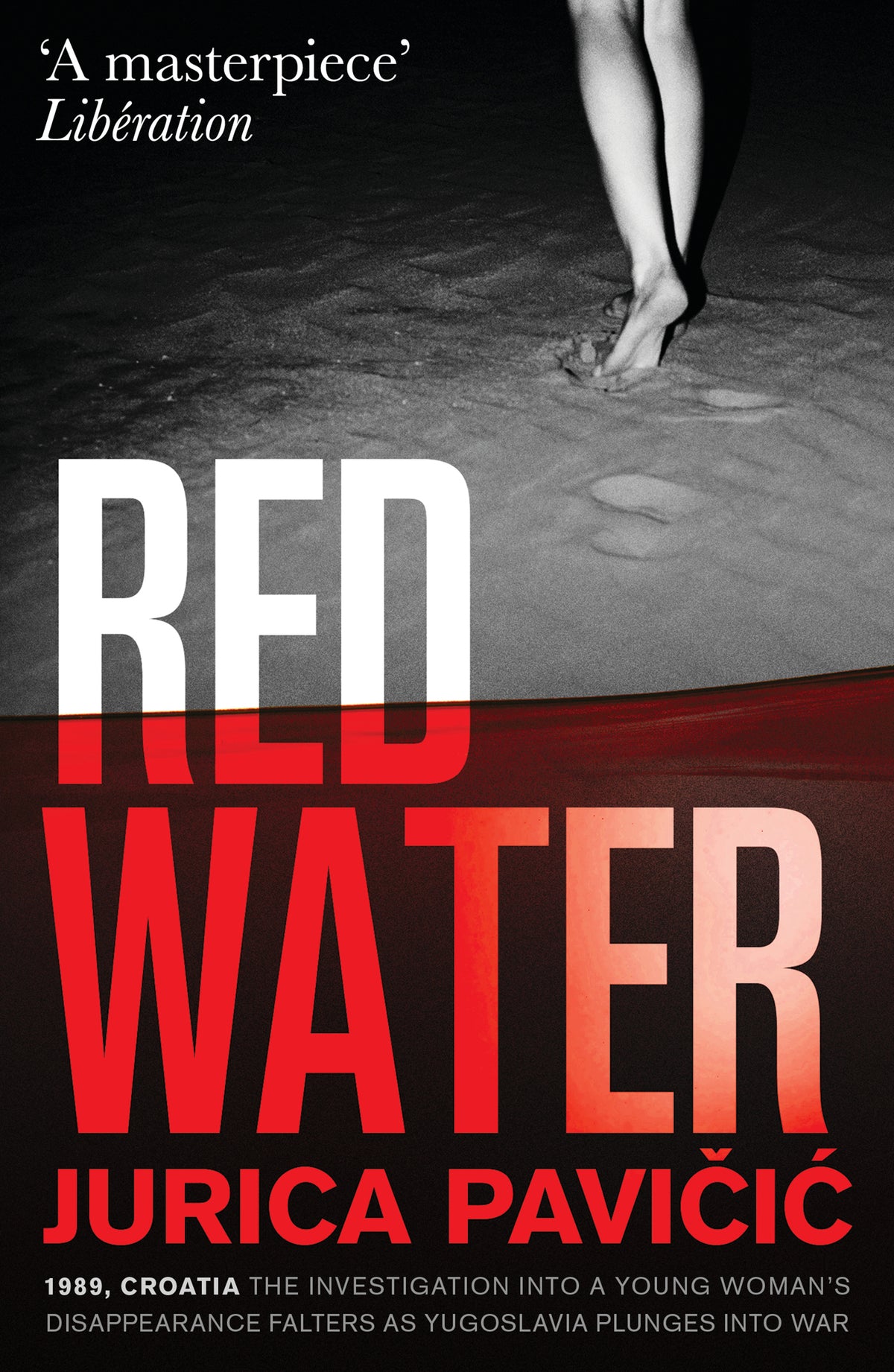
Jurica Pavičić, Red Water, translated by Matt Robinson, Bitter Lemon Press 2025

Red Water is for lovers of international and historical crime fiction. Set in Croatia, the novel explores the fallout from a teenager’s disappearance over three long decades. Silva vanishes in September 1989, leaving her family confounded, not least because the police investigation reveals some unexpected sides to the seventeen-year-old’s life. Then comes the fall of communism and the Yugoslav Wars that will tear communities apart. It’s only once the conflict ends that the family has any chance of getting the answers they need.

This gripping and emotionally intelligent mystery shows the toll on the loved ones of those who disappear, while offering a nuanced history of Yugoslavia’s collapse and the remaking of Croatia. First-class stuff.

Laila Lalami, The Dream Hotel, Bloomsbury 2025

Set in a future not far from now, The Dream Hotel is a speculative mystery that highlights the dangers of the technologies that supposedly serve us. Dr Sara Hussein is returning from a conference when she’s detained at Customs and Immigration, because she’s been deemed at risk of committing murder following data analysis of her dreams. Little did she know, when blithely agreeing to the terms of a sleep-saving device after the birth of her twins, that her dreams would be harvested and used against her. Now she’s being held at a SAFE-X facility that turns a profit from its detainees’ labour and is loath to let them go. It’s been 291 days — will Sara ever make it back to her family?

The Dream Hotel will make you think twice about ticking those innocent-looking ‘terms and conditions’ boxes, and illuminates the intersections of law enforcement and capitalism in uncompromising ways. The subject is highly relevant given the current situation in the States, where ICE is busy outsourcing raids on immigrant communities. A fantastic read from an author at the top of her game.

Elly Griffiths, The Postscript Murders and The Last Word, Quercus 2020 and 2024 

Time for some cosy crime! I absolutely loved this duo of bookish crime novels by Elly Griffiths. In The Postscript Murders, DS Harbinder Kaur sees no reason to suspect foul play when 90-year-old Peggy Smith is found dead at home. But Peggy’s carer Natalka isn’t so sure: Peggy thought she was being followed and did she really have the heart condition that apparently killed her? Together with Edwin, Peggy’s elderly neighbour, and Benedict, a former monk who serves coffee on the Shoreham seafront, Natalka sets about solving the mystery of Peggy’s death. And it turns out that their friend had a rather special skill. Then, in The Last Word, the trio investigate the demise of local romance author Melody Chambers.

Both novels are great reads — witty and entertaining, but with plenty of emotional depth. The three investigative characters bounce off one another nicely, and Natalka’s Ukrainian dynamism complements Edwin and Benny’s more cautious British approach. Crime fiction with lots of heart.

Jørn Lier Horst, The Lake, translated by Anne Bruce, Penguin 2025 

The latest William Wisting police procedural is a brilliant addition to the series. It’s high summer and Lake Farris is drying out for the first time in years. As the waters recede on opposite sides of the lake, there are disturbing discoveries relating to two cold cases: the remains of a young motorcyclist who went missing eight years ago, and the belongings of a girl who disappeared four years later. Wisting and his team, with fresh input from a Swedish detective, begin to reinvestigate.

This crime novel goes to some quite dark places, but is never salacious or gratuitous in tone. Wisting represents the very best of policing: he is methodical, dogged, and dedicated to securing justice for his victims. His methods have also moved with the times, so we’re given fascinating insights into the latest technologies used to secure vital breakthroughs.

R. F. Kuang, Yellowface, HarperCollins 2024

Rebecca Kuang is an incredibly exciting writer, with the talent and courage to pull off ideas that many other authors could not. In Yellowface, obscure writer June Hayward witnesses the death of her friend and rival Athena Liu in a freak accident. In the interval between dialling 911 and the arrival of the emergency services, June steals the book manuscript lying on the dead woman’s desk, and later revises and passes it off as her own. Finally, ‘June Song’ has the fame and critical adulation she’s always dreamed of and seems to have no problem justifying her actions to herself. But someone may be about to expose her. How can June save herself from being cancelled and losing her precious career?

Yellowface is a razor-sharp dissection of the publishing industry and the crazily competitive world that aspiring writers have to navigate. Just how far are they (or any of us) willing to go to make it? Clever and witty, and a genuinely insightful look at the publishing process.
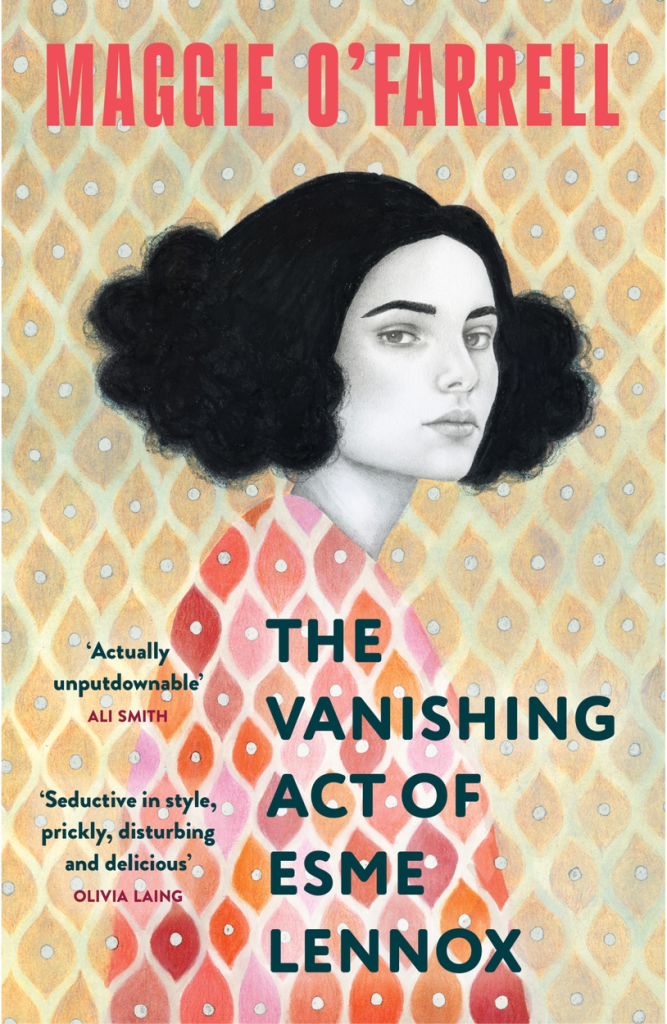
Maggie O’Farrell, The Vanishing Act of Esme Lennox, Hachette 2009

Top-notch literary crime. Iris Lockhart gets a letter telling her that her great-aunt Esme Lennox is about to be released from an Edinburgh psychiatric unit. Iris has never heard of Esme, and her grandmother Kitty, who is slipping into dementia, seems unable or unwilling to help. But what could Esme have done to deserve a lifetime in an institution? And why the complete silence about her within the family?

This is by far the oldest novel on my list, but I read it this year and was simply blown away. I counted at least four major crimes within its pages, and the astonishing thing is that none of them — even in combination — could be said to be remotely unique. On finishing it I felt quite shaken, because it really isn’t that long since ‘transgressive’ women could be so easily ‘put away’. Sobering and sad, but incredibly good — and Esme herself is unforgettable. O’Farrell is a truly fantastic writer.

Jess Kidd, Murder at Gulls Nest, Faber 2025

Murder at Gulls Nest is the first in Jess Kidd’s ‘Nora Breen Investigates’ series and is set in the 1950s seaside town of Gore-on-Sea, a place of boarding houses, terrible food, and recuperation after long years of war. Nora was once Sister Agnes of Christ at the High Dallow Carmelite Monastery, but when former nun Frieda goes missing, Nora feels compelled to find her and takes a room at the Gulls Nest boarding house where the woman last lived. Here, Nora meets the ragtag assortment of Frieda’s fellow lodgers, and starts using her curiosity and sharp intelligence to get to the bottom of the mystery. When one of the lodgers is found dead, Nora knows that something is seriously amiss. Kidd’s use of language is sublime, and the loyal and resourceful Nora Breen is a delight. Cosy, but with an uncompromising edge.

Wishing you all a lovely, relaxing and bookish Christmas!

Louise Erdrich’s The Round House (USA), James Wolff’s The Man in the Corduroy Suit (UK/Russia), and Becky Chambers’ A Closed and Common Orbit (USA/Space)

Hello, everyone! It’s been a while hasn’t it? I hope you’re all as well as can be and embarking on some quality autumn reading.

Here’s a small selection of the crime that’s grabbed me lately. All three novels are loosely part of larger series, but can be read as standalones. All draw on the crime genre in intriguing ways.

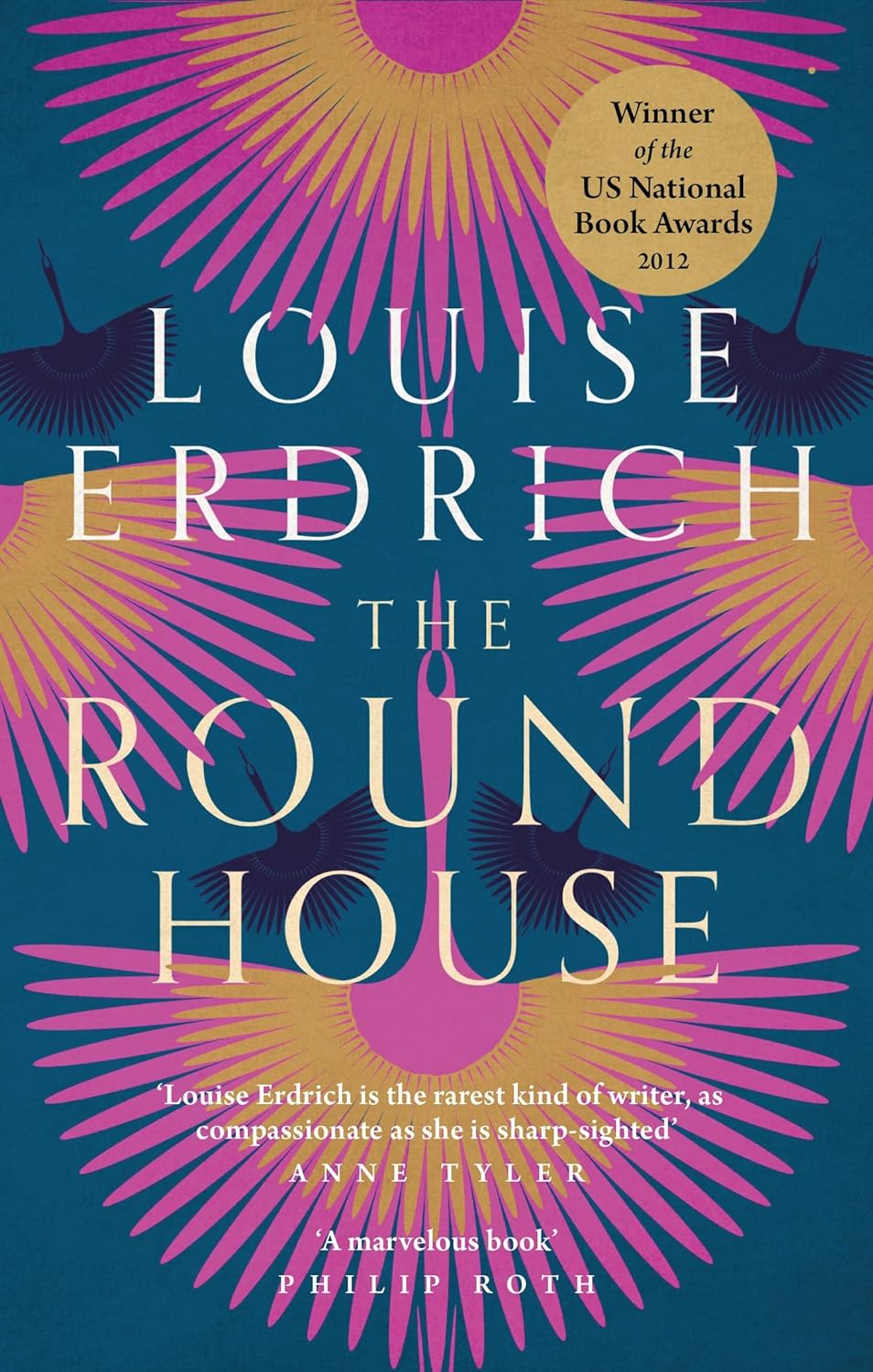
Louise Erdrich, The Round House, Corsair 2013 [2012], USA

First line: Small trees had attacked my parents’ house at the foundation.

How have I managed to miss Louise Erdrich on my literary travels? She’s such a prolific and acclaimed author, and her writing is so very good. I’ve caught up with two of her novels thus far — The Round House (2012) and The Sentence (2021). The Night Watchman (2020), which won a Pulitzer, is next on my list.

Erdrich is viewed as a ‘literary’ author rather than crime writer, but her novels often explore the impact of individual and institutional crimes. The Round House, in particular, is a stunning dissection of a crime and its spiralling consequences. Our narrator, Joe Coutts, reflects on the traumatic summer of 1988, when his mother Geraldine was raped and fell into a deep depression that threatened to destroy her.

The Coutts live on an Ojibwe reservation in North Dakota, and Joe’s father Bazil, a tribal judge, initially seeks justice for his wife via legal means. However, it’s unclear exactly where the crime against Geraldine took place — on land that’s under federal government or reservation jurisdiction? — and this slows the investigation. Frustrated, 13-year-old Joe and his friends start looking for clues, which in turn fuels a desire for revenge. The questions of what kind of justice should prevail and at what cost are thus central. So too are past and present crimes committed by the state against the Ojibwe, and especially Ojibwe women. It’s an intricate, expertly told tale, and there’s a warmth and complexity to the main characters that’s hugely compelling.

The Round House is part of Erdrich’s ‘justice trilogy’ (all three works can be read as standalones, but intersect thematically). The others are The Plague of Doves and LaRose, now also on my list.

If you’d like to learn more about this superb author, who continues to draw extensively on her Native American heritage, head over to this article on Britiannia.com.

James Wolff, The Man in the Corduroy Suit, Bitter Lemon Press 2023, UK

First line: Confidential. We are writing to inform you that a 64-year-old woman named Willa KARLSSON was admitted to University College Hospital last night in an unconscious state.

One of the heirs to the late, great espionage writer John le Carré is James Wolff, who like the latter once worked for the British government in a rather opaque capacity.

Along with Mick Herron of ‘Slow Horses’ fame, Wolff shares le Carré’s deep interest in the individuals who work for the intelligence services. Some are brilliant but flawed, some are social misfits looking for a home, some are pen-pushers in search of glory, and some are collateral damage, sacrificed to strategic aims or power plays. What Herron and Wolff both excel at is capturing the Catch-22 absurdities of service life, depicting surreal, blackly comical scenarios that are more The Office than James Bond. At the same time, they raise some really serious questions about the purpose of the intelligence services and what they do — their novels are a long way from being mere comic romps.

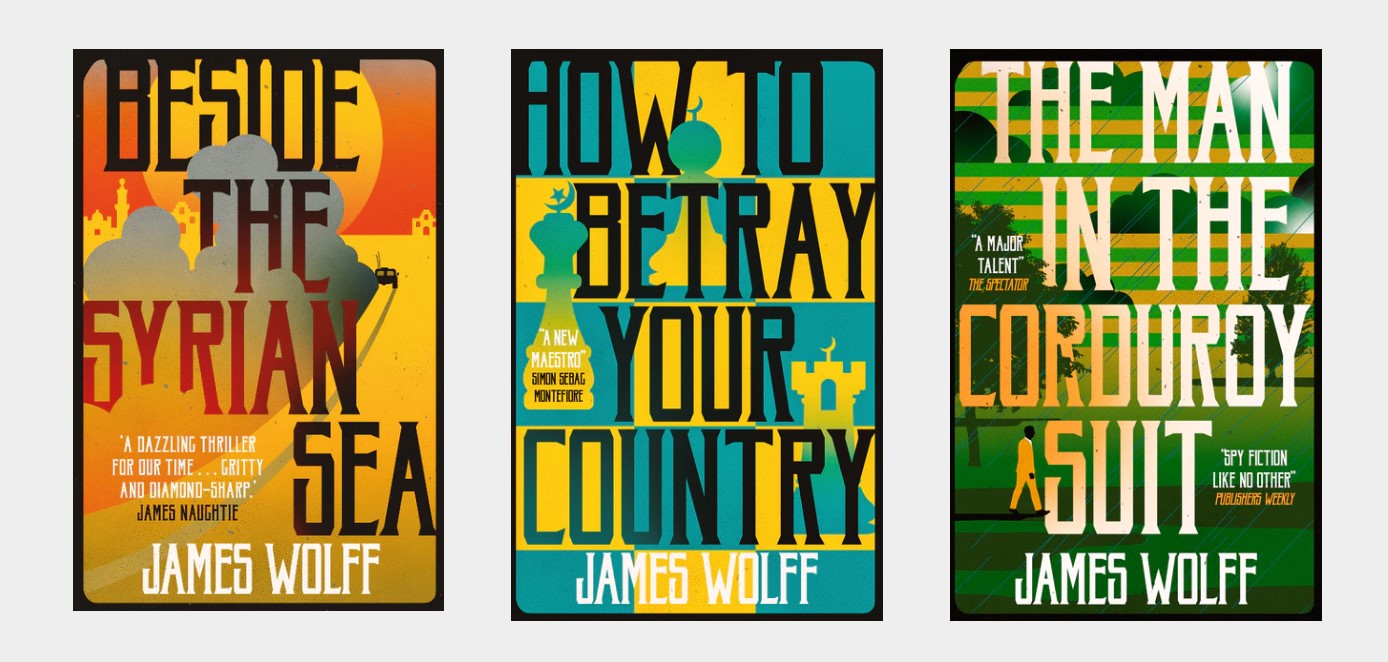
The maverick hero of The Man in the Corduroy Suit is (wait for it) corduroy-suit-wearing Leonard Flood, a relatively junior intelligence officer who is tasked by the shadowy ‘Gatekeeping’ section to investigate the possible Russian poisoning of British agent Willa Karlsson. We follow Flood as he burrows expertly into Willa’s life and work, to the point where, like many of le Carré’s protagonists, he has big moral and ethical decisions to make.

This is the third espionage novel in the excellent ‘Discipline Files’ trilogy. I read them completely out of order, but you may wish to start with the first, Beside the Syrian Sea.

Becky Chambers, A Closed and Common Orbit (Wayfarers 2), Hodderscape 2016, USA / Space

First Line: Mimetic AI housing is banned in all GC territories, outposts, facilities and vessels.

The author Becky Chambers is another recent discovery, and quite frankly she’s a marvel. Both of her parents worked in the field of space science, and this has clearly shaped her own writing imagination…

Chambers’ ‘Wayfarers’ series, which won a prestigious Hugo Award in 2019, has been variously described as space opera, solar punk and hope punk, and explores the future of humanity via the stories of individuals and small groups living on space ships or space stations, or in GC (Galactic Commons) colonies.

While not crime fiction as such, questions of crime, justice and closure dominate A Closed and Common Orbit. The novel tells the story of AI Lovelace — recently decanted from a space ship into an illegal body following an emergency — and her engineer friend Pepper, whose own extraordinary tale of youthful survival unfolds in the course of the narrative. Those tracking current AI debates may be interested in the more hopeful possibilities the novel depicts of future human-AI interactions, as well as cross-species communications and tolerance (there are fabulous depictions of alien civilisations and cultures throughout).

A Closed and Common Orbit is the ‘standalone sequel’ to The Long Way to a Small Angry Planet. While the latter isn’t crime, it’s a great introduction to Chamber’s character-rich work. Like all of the novels discussed in this post, it has a big heart and plenty of humanity, which is certainly something we need right now.

Let me know in the comments what you’ve been enjoying too!

All at sea: Emma Stonex’s The Lamplighters

Emma Stonex, The Lamplighters (Picador 2022)

First line: When Jory opens the curtains, the day is light and grey, the radio playing a half-known song.

Author Emma Stonex was inspired to write The Lamplighters by an unsolved mystery from 1900: the disappearance of three lighthouse keepers from a remote rock light on the island of Eilean Mòr in the Outer Hebrides.

The Lamplighters transposes this event to the Maiden Rock Lighthouse, fifteen miles southwest of Land’s End, on 31 December 1971. When the boat bearing the relief keeper arrives at the lighthouse after a delay of several days, it’s found to be completely empty. The door is barred from the inside and the table is set for a meal, but there’s no trace of Principal Keeper Arthur Black, Assistant Keeper Bill Walker or Supernumerary Assistant Keeper Vince Bourne.

I loved this novel. Stonex brings a keen intelligence to bear on the possible solutions to the mystery and explores these skilfully via two interlinked timelines. The first is set in 1971/1972, in which the reader is shown the events prior to and immediately following the disappearances from multiple characters’ perspectives. The second takes place in 1992 and examines the unsettling effects on the still unsolved mystery on those left behind, particularly Helen and Jenny, Arthur and Bill’s wives, and Vince’s girlfriend Michelle.

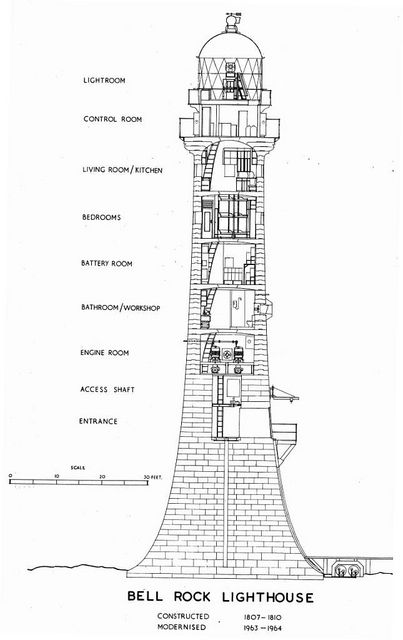
Cutaway of the Bell Rock Lighthouse off the coast of Scotland, built by Robert Louis Stevenson.

The Lamplighters draws on different genres with aplomb. It’s most definitely a mystery novel, but also a ghost novel of sorts, and a novel about the complexity of human relationships (the characterisation is wonderful). It also offers fascinating insights into the lost world of lightkeeping and the realities of living in a very confined space with two other people for weeks on end — something that will resonate with those who’ve been through pandemic lockdowns. And then there’s the vast, beautiful, treacherous sea, which is really a character in its own right, and influences the action in a number of ways.

I hoovered up this novel in the course of just two evenings. It’s a wonderfully absorbing page-turner, with revelation after revelation forcing you to recalibrate your ideas about what the truth of the mystery might be.

Do we find out what happened in the end?
You’ll have to read it yourself to see…

When translators go rogue: Hannelore Cayre’s The Godmother, tr. Stephanie Smee (France)

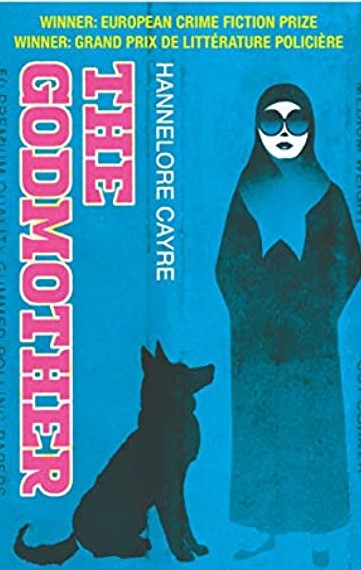
Hannelore Cayre, The Godmother, tr. from the French by Stephanie Smee, Old Street Publishing 2020

Opening line: My parents were crooks, with a visceral love of money.

I re-read this smart, blackly comic French crime novel while holidaying in Weston-super-Mare — a setting about as far removed from Paris as Jupiter (think chips on the beach, donkey rides etc.) And I’ve found myself thinking increasingly about the central figure of ‘The Godmother’ over the last few days, probably due to the news coverage of this Sunday’s French elections.

Meet Madame Patience Portefeux, a respectable 53-year-old French-Arabic translator and interpreter whom life has dealt a series of blows. After years of freelancing and struggling to pay her mother’s care home fees, she realises that all she can expect is a poverty-stricken, pension-less old age. When fate hands her the opportunity to get rich, thanks to her work translating police phone-taps of drug gang conversations, she takes it, fashioning a new identity for herself as The Godmother, drug dealer extraordinaire.

Patience relates her story with wit and verve – all credit to Stephanie Smee here for her assured and sparky translation. And it really is a hugely funny, outrageous tale featuring an eccentric cast of characters, such as DNA the ex-drug-detection-dog. But reading the novel for a second time, I definitely appreciated its satirical dimensions more. The author has some serious things to say about middle-aged women who endlessly prop up their offspring and parents, the financial traps that poorly paid freelancers can fall into, and the way in which French racism and the collapse of the ‘social contract’ (work-hard-and-you’ll-be-rewarded) can lead individuals to a life of crime.

The latter applies to her own parents – Patience is the daughter of a French-Tunisian father and Austrian-Jewish mother – as well as to young men from immigrant communities in the banlieues outside Paris. And it’s notable that this outwardly respectable and very ‘French’ woman is careful not to reveal her own complex heritage to others: it’s vital that she’s perceived as someone who belongs, not a ‘vulgar foreigner or outsider’ — unless she’s posing as a Moroccan drug dealer, that is….

The Godmother won the 2019 European Crime Fiction Prize, the 2019 Grand Prix de Littérature Policière, and the 2020 CWA Crime Fiction in Translation Dagger Award. It was recently made into a warmly received film entitled La daronne / Mama Weed (2020/2021), starring none other than the fabulous Isabelle Huppert.

The dutiful policeman: Seicho Matsumoto’s Inspector Imanishi Investigates, tr. Beth Cary (Japan)

Seicho Matsumoto, Inspector Imanishi Investigates, tr. from the Japanese by Beth Cary, Soho Press, 2003 [1961].

Opening: The first train on the Keihin-Tohoku Line was scheduled to leave Kamata Station at 4:08 A.M.

First published in 1961, Inspector Imanishi Investigates is often viewed as a police procedural. But although it begins with a police investigation into the murder of a man found beneath a train, it soon turns into the story of Inspector Imanishi’s own quest to solve the case (as the title helpfully suggests). When the investigation is wound down due to lack of evidence, Inspector Imanishi simply refuses to give up: he painstakingly gathers clues until the full picture of the victim’s story, and that of his murderer, emerges.

One big difference between Japanese and Western police cultures becomes apparent in the process. Imanishi’s solo sleuthing isn’t viewed as a flouting of orders by his superiors, but rather as a laudable attempt to honour the victim and do a good job as a policeman, even if that means using his own time and resources. And when he uncovers vital clues, he reports back to his superiors as a matter of course, and the two continue working harmoniously together. The Western maverick police detective (think Serpico or Sarah Lund), in conflict with his/her superiors and the system, is conspicuously absent.

The pace of the investigation is leisurely with a number of dead ends. Like other police procedurals of the time, such as Sjöwall and Wahlöö’s ‘Beck’ series (1965-75), the novel conveys the often tortuously slow progress of police work, and the grit and determination required to solve a case. Some readers might find the pace a little slow, but there’s plenty to sustain interest: clues that involve regional dialects, theories of linguistic migration, bus timetables and postcards, as well as one of the most inventive murder weapons that’s ever appeared in a crime novel.

Along the way, there’s also intriguing detail about everyday Japanese life, customs, culture and food (circa 1961, at least). The conversations between individuals are always impeccably courteous, measured and polite – even between the police and the criminals they’re arresting.

The only aspect of the novel that grated was the uniformly subservient characterisation of women. I’d be interested to know if this portrayal stemmed from the author’s own attitudes or was simply a reflection of women’s social status and role in Japanese society at the time. If the latter, then I sincerely hope things have moved along in the sixty years since then.

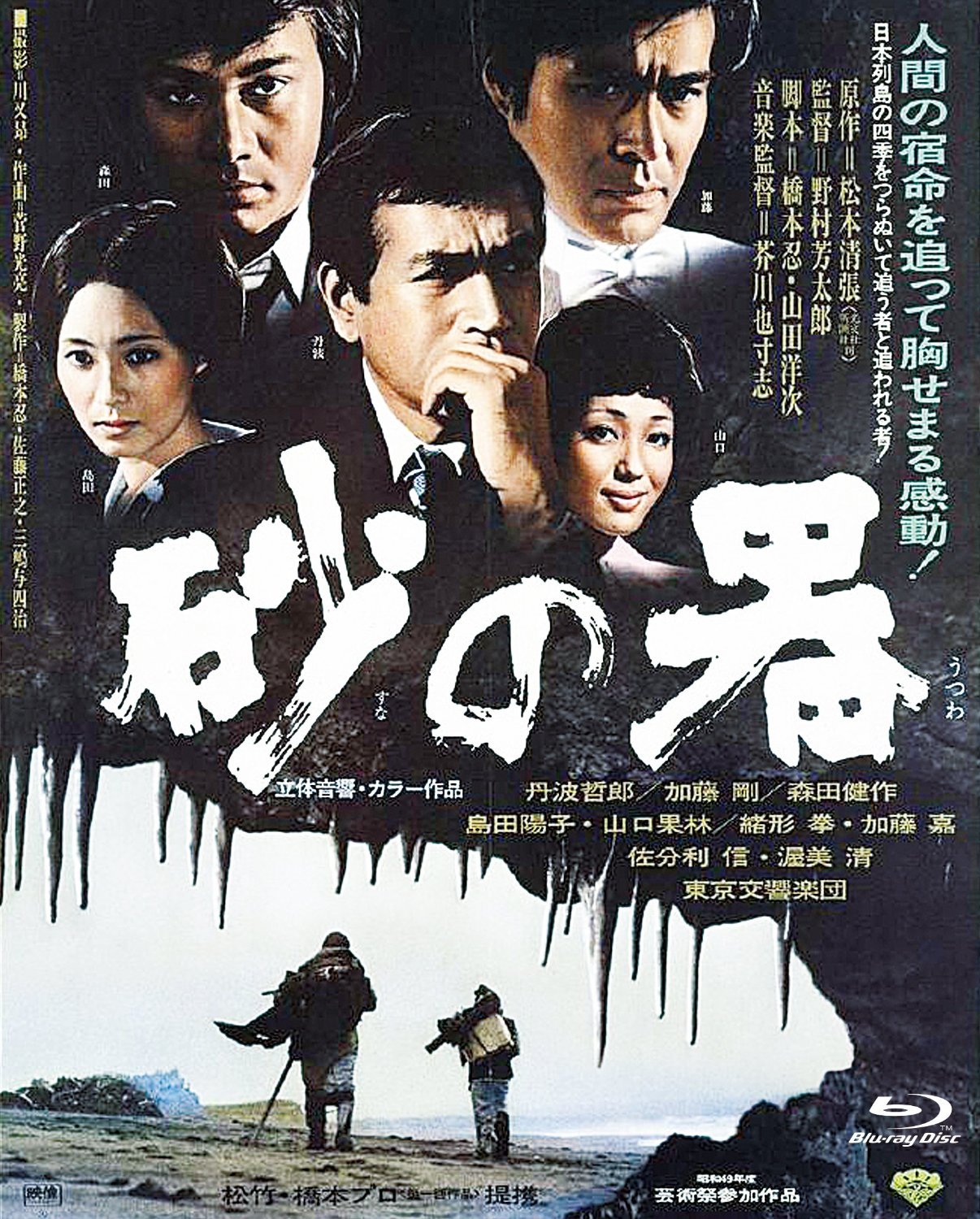
Two other little tidbits: in 1974, the novel was turned into a film, Suna no Utsuwa, directed by Yoshitaro Nomura, which is regarded as a masterpiece of Japanese cinema. The novel’s original title was also Suna no Utsuwa, meaning Castle of Sand.

Courage & resilience: Naomi Hirahara’s Clark and Division (USA/Japan)

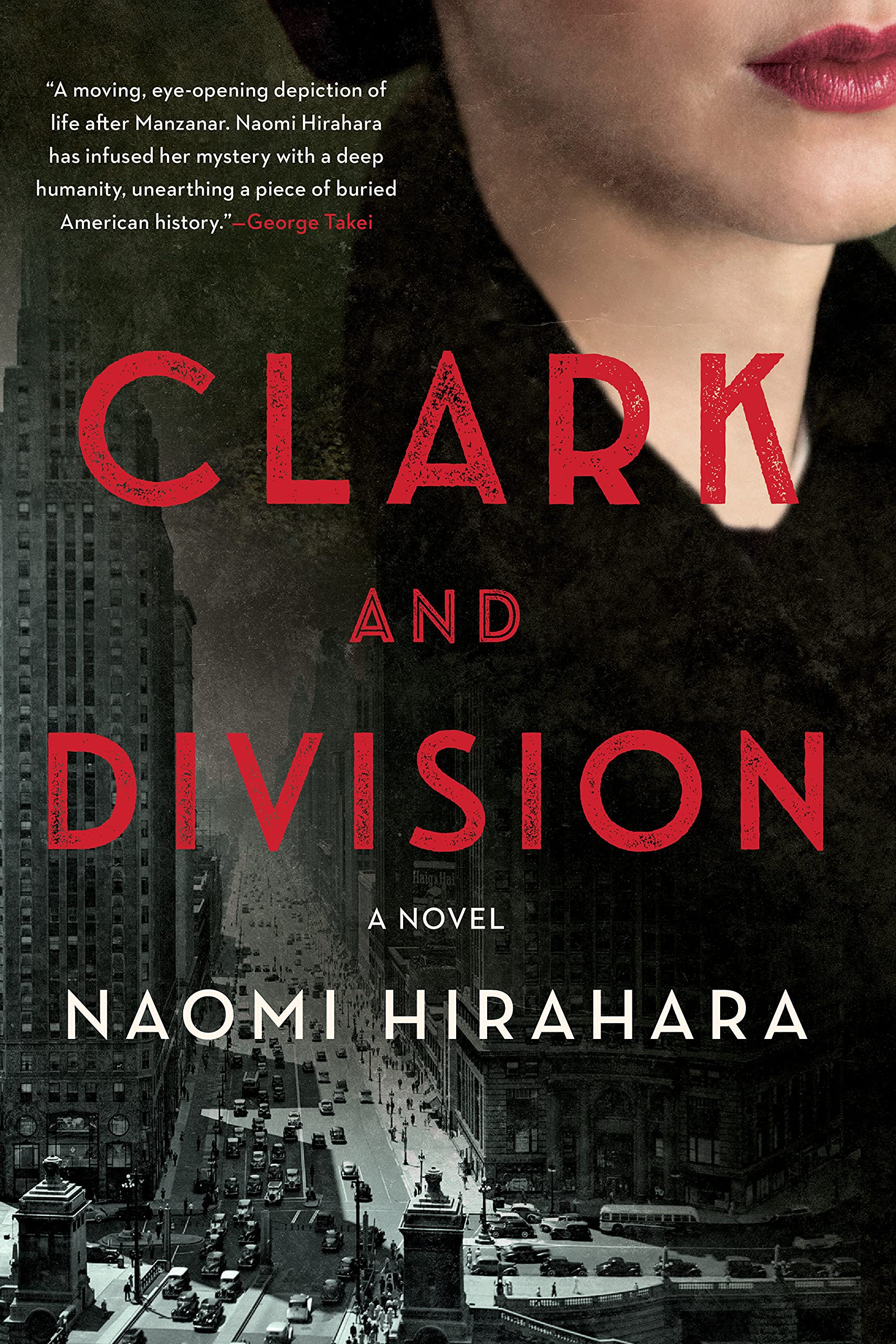
Naomi Hirahara, Clark and Division, Soho Crime 2021

First line: Rose was always there, even when I was being born.

I’ve had my eye on this crime novel for a while, because it uses the mystery genre to explore an under-represented part of American history: the internment of over 100,000 Japanese Americans after the 1941 bombing of Pearl Harbour, and the long-lasting impact this had on their communities and lives.

The novel is narrated by Aki Ito, born in the States to Japanese first-generation immigrants — the ‘Issei’. She and her charismatic sister Rose are of the ‘Nisei’, the ‘second generation’, and are raised in reasonably stable and prosperous circumstances in California. Until Pearl Harbour, that is, when they are interned in the Manzanar camp and then relocated to Chicago, where they settle in the Japanese district.

Rose was allowed to move to the city before the rest of the family, and when Aki and her parents arrive they’re given terrible news: Rose has been killed by a train at the Clark & Division subway station. The family’s grief takes different forms – in Aki’s case, it means talking to those who knew Rose best in order to figure out what actually happened – was it suicide, an accident, or murder?

Clark and Division is a well-crafted and absorbing standalone with a great sense of place, and I really liked the insights it gave into Japanese culture and the lives of Japanese-Americans at a turbulent moment in history. The author, Naomi Hirahara, has written non-fiction books on the subject, so she really knows her stuff — and for the most part manages to integrate it well. The novel is also a life-affirming coming-of-age story, as we follow Aki from childhood through to adulthood, learning to shoulder extra responsibilities in the wake of her sister’s death, but also to find her own path.

Separator

I hope you’re all as OK as you can be given the current political situation. Reading can be a real boon in times like these, so here’s a link to my earlier post on ‘Respite Crime’. Look after yourselves!

Crime Fiction: 7 Kinds of Respite Reading

Gallic charm: Sébastien Japrisot’s The Sleeping Car Murders, tr. Francis Price (France)

Sébastien Japrisot, The Sleeping Car Murders, tr. from the French by Francis Price, Gallic Books 2020 [1962]

First lines: This is the way it began. The train was coming in from Marseille.

If you need to tiptoe away from the world and its troubles, why not head to the Gare de Lyon in Paris on an October morning in the 1960s. There, a guard checking a newly arrived sleeper from the South of France has just discovered a corpse in Berth 222: a woman last seen alive that morning by those who shared her sleeping compartment, but who is now very definitely and mysteriously deceased.

Enter Inspector Antoine Pierre Grazziano — or Grazzi — from police HQ at the Quai des Orfèvres. He and his team begin to investigate Georgette Thomas’s murder by tracking down the occupants of the other six berths, but soon find themselves stretched to the limit as the body count starts to rise.

There really is a lot to like about this inventive police procedural. Grazzi, the rather weary, harassed lead detective, is a sympathetic and quietly tenacious figure. The characterization throughout the novel – from the train guard to the other passengers to the perpetrator – is a rich delight. The style is sparky and wry, and there are some cracking plot twists, particularly towards the end.

Author Sébastien Japrisot (1931–2003) is the pseudonym of Jean-Baptiste Rossi (spot the anagram), who was a prolific crime writer, screenwriter and director. In 1965, The Sleeping Car Murders was turned into the film Compartiment tueurs, starring Yves Montand and Simone Signoret; it was also the first film directed by Costa-Gavras. Here’s a brilliantly mad trailer.

I’m looking forward to reading more by this author – somewhere on the dial between Georges Simenon and Pascal Garnier?!

Love and Friendship: Eduardo Sacheri’s The Secret in Their Eyes, tr. John Cullen (Argentina)

Eduardo Sacheri, The Secret in Their Eyes, tr. from the Spanish by John Cullen,(Other Press, 2011 [2005])

First line: Benjamin Miguel Chaparro stops short and decides he’s not going.

I don’t often re-read crime novels. This is largely because crime is so plot-driven: once you know the ‘solution’, you’ve got less reason to return. But naturally there are exceptions – crime novels which tell their story in such a way that you’re drawn to them repeatedly, perhaps because you love the company of the characters or the setting, or because the book tells you something new each time you read it.

Eduardo Sacheri’s The Secret in Their Eyes is one such novel. I’ve read it three times now and I’m sure there’ll be a fourth. It’s been on my mind lately because it celebrates love and friendship in adversity, and so feels timely in spite of its setting – Argentina in the second half of the twentieth century.

Benjamin Chaparro is freshly retired from his position as Deputy Clerk of an investigative court in Buenos Aires. Now a man of leisure, he decides to write a book about a case that’s haunted him since 1968 – the murder of a young woman, Liliana Colotto, at home one summer’s day. Oscillating between the past and the present, and spanning twenty-five years, the narrative tells the story of the murder and its repercussions for those left behind: grieving husband Ricardo Morales, investigator Benjamin – and the murderer.

While undoubtedly crime fiction, The Secret in Their Eyes is also a historical novel, exploring the time before, during and after Argentina’s Guerra Sucia or Dirty War (1976-1983). This period saw a state-sponsored campaign of violence against ‘politically subversive’ citizens, resulting in the ‘disappearance’ of 10,000 to 30,000 Argentinians. Both of the novel’s strands – the criminal and the historical – focus on the nature of justice and on the impact of a justice that is delayed or denied.

But the novel is also a love story – that of a husband and wife (Ricardo and Liliana), and of long-time co-workers (Benjamin and his boss, Irene) – as well as the moving chronicle of a friendship (Benjamin and his colleague Sandoval). Beautifully written, with complex and often endearing characters, the novel is a rich, satisfying read – a multilayered narrative of genuine humanity and warmth.

I first read The Secret in Their Eyes after seeing Juan José Campanella’s film adaptation, El secreto de sus ojos, which won the 2010 Oscar for Best Foreign Language Film. What a fabulous adaptation this is, especially in its use of the visual to bring out key themes: close-ups of eyes and gazes, for example, and the symbolism of the colour red – look out in particular for Irene’s roses. The acting is superb, and the wittiness of the script really captures the dynamics of Benjamin, Irene and Sandoval’s relationships.

But there are also some modifications to the plot: Irene is much more present in the film than in the novel (which I liked), and there were a couple of other changes towards the end designed to provide some extra drama (which I wasn’t so keen on). However, the latter certainly aren’t deal-breakers. It’s rare that a novel and film adaptation complement each other so well, and I hearily recommend both.

Don’t bother with the later Hollywood adaptation starring Julia Roberts et al. It got a 39% rating on Rotten Tomatoes – ’nuff said.

Sisterly devotion: Kwon Yeo-sun’s Lemon, tr. Janet Hong (South Korea)

Kwon Yeo-sun, Lemon, tr. Janet Hong, Head of Zeus 2021 [2019]

First line: I imagine what happened inside one police interrogation room so many years ago.

This opening line is narrated by a young woman called Da-on, as she reflects on her beautiful older sister’s murder in Seoul on 1 July 2002.

There are two prime suspects, both of whom attended the same high school as victim Hae-on: Shin Jeongjun, the privileged son of wealthy parents, and Han Manu, the son of an impoverished single mum. But while the mystery of what happened to the nineteen-year-old girl is a powerful component in the narrative, its main focus is the impact of Hae-on’s death on those closest to her – her sister, her mother, her classmate. We are shown events unfolding largely through female eyes, in eight pithily titled chapters spanning from 2002 (‘Shorts’) to 2019 (‘Dusk’).

Here’s Da-on, for example, on the early trauma of her sister’s death:

Since both Mother and I were falling at a very slow speed,
I didn't realise we were falling at first.

The women’s grief and their struggle to fill the gap left by the dead girl are very finely drawn. Da-on embarks on two highly original strategies in this respect, each of which ultimately comes with a price – both to her and others – in the seventeen long years following Hae-on’s death.

Interwoven with all this is the theme of class, which is front and centre in other recent examples of crime-inflected South Korean culture, from the Oscar-winning film Parasite to Netflix hits Squid Game and Signal. We’re shown a justice system that’s stacked against those from less well-off backgrounds, and how the rich have more options due to their connections and wealth.

Lemon is a beguiling, unsettling, worthwhile read, which also offers some fascinating glimpses into South Korean culture thanks to Janet Hong’s sensitive and attentive translation.

If you’re interested in finding out more about Kwon Yeo-sun’s work, there’s an interesting interview with her over at Korean Literature Now.

Jingle Bells! Mrs. Peabody’s 2020 Christmas crime recommendations

Well, it’s been quite a year. My ‘crime time’ has been severely dented by all the upheaval, but here are some of my reading and viewing gems.

Treat others! Treat yourself!

And if you’re in the UK, please consider using https://uk.bookshop.org/, which is a brilliant way to support local booksellers while keeping yourself and others safe.

Mrs. Peabody’s 2020 Christmas crime recommendations!

Knives Out, directed by Rian Johnson, 2019 (USA)

Wealthy mystery novelist Harlan Thrombey celebrates his 85th birthday at his mansion surrounded by his loving family. The next morning he is found dead; his throat has been cut. Enter the police and investigator Benoit Blanc, who begin to discover clues…and some unsavoury secrets within the family.

My son recommended this film to me with the words ‘you’ll love this’ and he was absolutely right. Knives Out is huge fun from start to finish, as well as a razor sharp commentary on race and class in the USA. Cuban-Spanish actress Ana de Armas is fantastic as Marta Cabrera, Harlan’s beleaguered carer, who finds herself placed in a very tricky situation. And the all-star cast — including Daniel Craig, Chris Evans, Jamie Lee Curtis, Toni Collette, Don Johnson and Christopher Plummer — have a high old time hamming their way through this clever take on the Golden Age country house mystery. Perfect Christmas viewing for those who like their crime martinis both shaken and stirred.

Hannelore Cayre, The Godmother, tr. Samantha Smee, Pushkin Press 2019 (France)

Opening line: My parents were crooks, with a visceral love of money.

This prize-winning novel was recommended to me by crime writer Angela Savage a while ago, and it’s a cracker. As a translator myself, I was hugely tickled by the idea of a police interpreter inadvertently falling into a life of crime. And Madame Patience Portefeux, a 53-year-old widow with some tough times behind her, relates her story with wit, verve and plenty of caustic insight into French society. There’s an excellent review of the novel by RoughJustice over at Crime Fiction Lover (minor spoilers) – a very entertaining festive read! Winner of the 2020 CWA Crime Fiction in Translation Dagger.

Shirley Jackson, We Have Always Lived in the Castle, Penguin 2009 [1962] (USA)

Opening line: My name is Mary Katherine Blackwood.

This cult Gothic (crime) novel was one of those ‘how-have-I-never-read-this-before’ books. Mary Katherine — or Merricat — lives a largely isolated life in the Blackwood home with her sister Constance and Uncle Julian. Early on, she nonchalantly tells us that ‘everyone else in my family is dead’. The rest of the novel teases out the unfortunate story of the deceased Blackwoods, and relates a series of events in the present that will have a decisive impact on the family’s future.

I was instantly hooked by Merricat’s highly original voice and the novel’s creepy Gothic atmosphere. It also has some interesting things to say about suffocating patriarchy, sisterly sacrifice and social exclusion. We Have Always Lived in the Castle is a genuinely unsettling delight and I’m sure I’ll be rereading it a number of times.

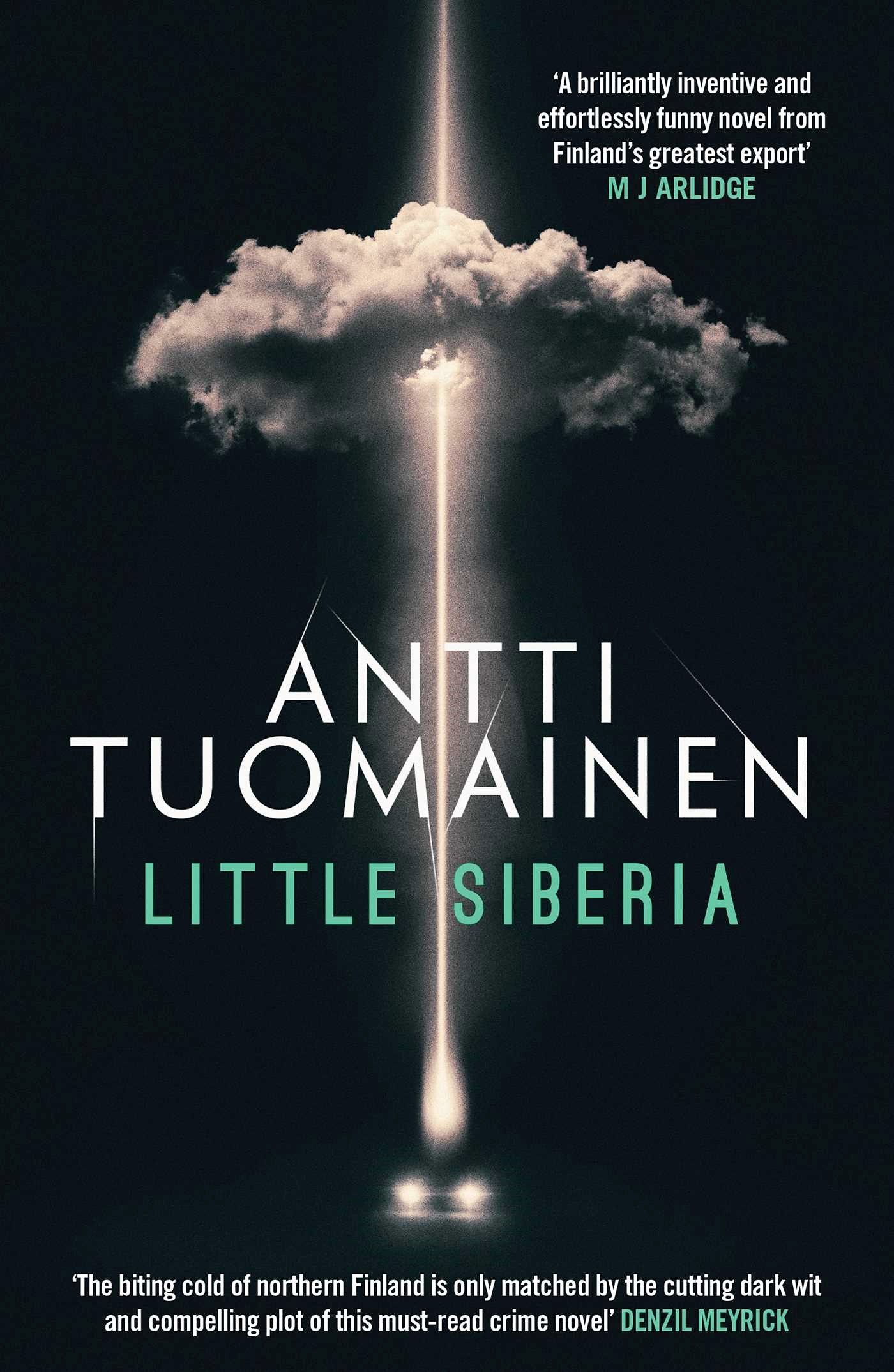
Antti Tuomainen, Little Siberia, tr. David Hackston, Orenda Books (Finland)

Opening line: ‘And how do you know what happens then?’

Our 2020 Petrona Award winner, by one of crime fiction’s most inventive and versatile writers – what’s not to like?!

Little Siberia, set in an icy northern Finland, opens with a bang when a meteorite unexpectedly lands on a speeding car. Transferred to the local museum for safe keeping, the valuable object is guarded from thieves by local priest Joel, who is grappling with both a marital crisis and a crisis of faith. Absurdist black humour is expertly combined with a warm, perceptive exploration of what it means to be human. A celebration of resilience, fortitude and simply muddling through, this is a novel for our times.

Giri/Haji, BBC 2020 (Japan/UK; now on Netflix)

Giri/Haji [Duty/Shame] is billed as a ‘soulful thriller set in Tokyo and London, exploring the butterfly effect of a single murder across two cities — a dark, witty, and daring examination of morality and redemption’. And that’s pretty much spot on.

I was addicted from the first episode, which sees frazzled Japanese police detective Kenzo Mori (Takehiro Hira) sent to London to find his wayward brother and stop a Yakuza war. The characterization of the main players is fantastic – including Kelly MacDonald as Detective Sarah Weitzmann and Will Sharpe as Rodney, a rent boy whose dad is from Kyoto and whose mum is from Peckham… There’s also some beautifully inventive use of film techniques and genres, including a number of sequences that draw on manga. I can’t find this on DVD, and it’s gone from iPlayer, but it *is* on UK Netflix. Sneak off from Christmas duties, pour yourself a glass of sherry, and get stuck in.

And finally… Ragnar Jonasson’s ‘Hulda’ or ‘Hidden Iceland’ trilogy (Penguin), which is told in reverse, with each novel set prior to the last (when Hulda is aged 64, 50 and 40).

The first novel, The Darkness (tr. Victoria Cribb) introduces us to taciturn Reykjavik Detective Inspector Hulda Hermannsdóttir. She’s about to be shoved into retirement, but is grudgingly offered the chance to look into one last cold case before she goes – that of Elena, a young Russian woman whose body was found on the Icelandic coast. This is an intriguing, multilayered novel, whose true power only becomes evident right at the end. Jónasson dares to follow through in a way that few crime writers do, and the final result is very thought-provoking indeed. The second in the series is just as powerful, and I’m looking forward to reading the third. I have a theory about how things will go. Let’s see if I’m right!

Happy reading, stay safe, and wishing you all a wonderful and very merry Christmas!