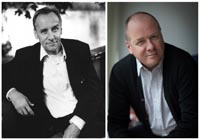
Henning Mankell, 1948-2015

Some extremely sad news today. Swedish crime author Henning Mankell has died at the age of 67. 
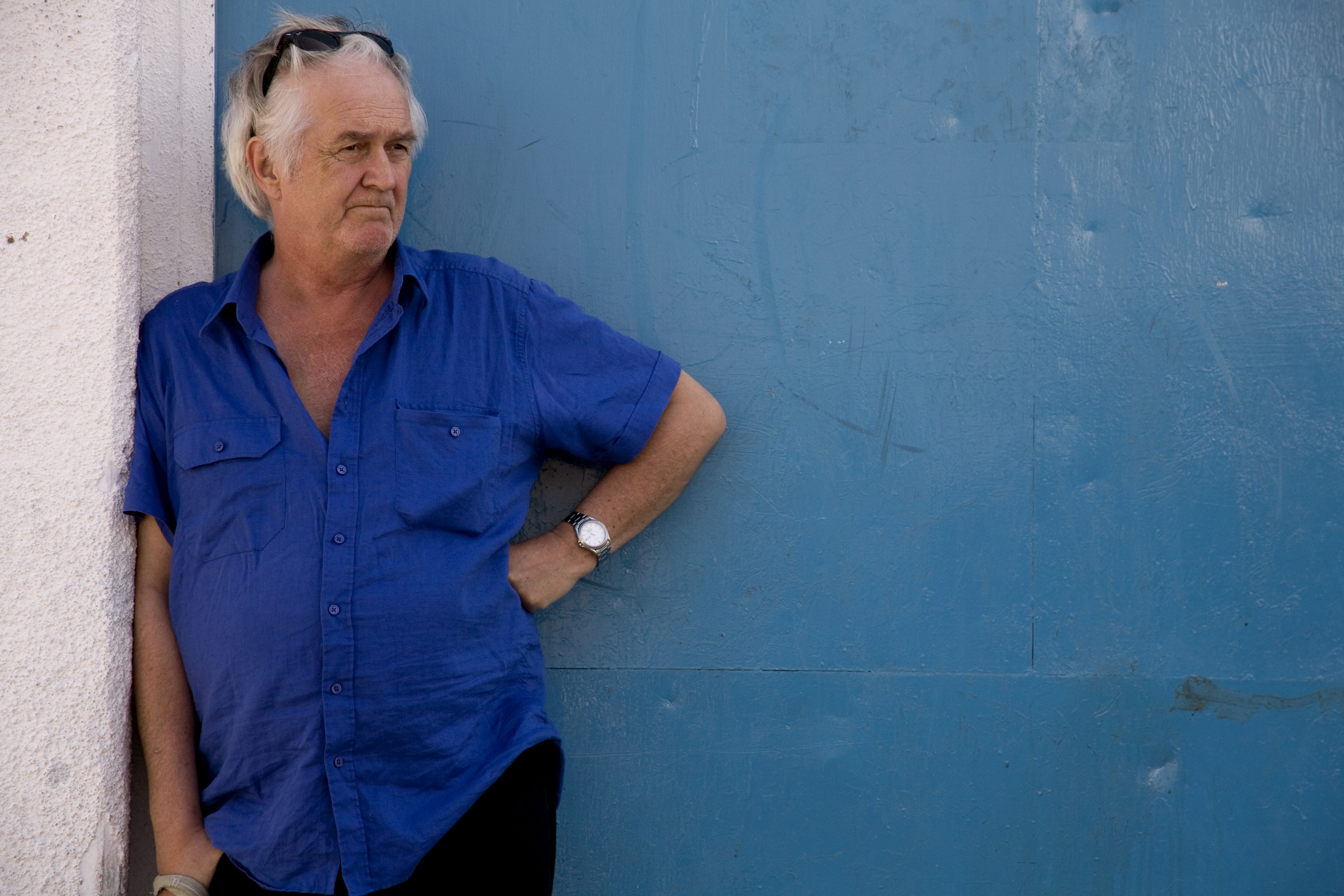
HenningMankellBethlehem

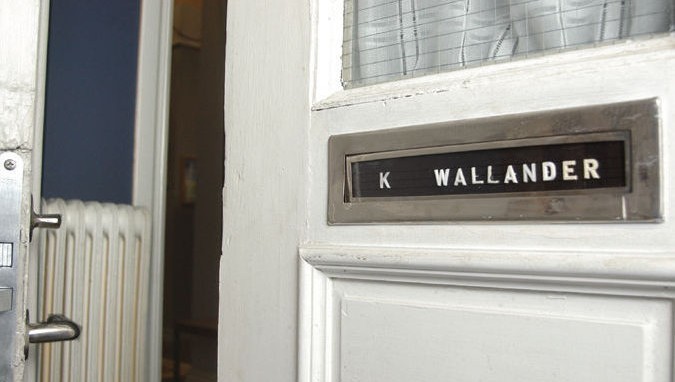
Mankell is of course best known for his ‘Kurt Wallander’ police procedural series, set in the small town of Ystad in southern Sweden. Aside from its high quality and the wonderfully complex characterisation of Inspector Wallander, the series is marked by its social conscience, a deep empathy for others, and an outward-looking view, which connected Ystad with Europe and the rest of the world, most notably Africa, a continent Mankell loved and where he spent a great deal of time. The series was and remains ground-breaking, tackling subjects such as xenophobia, violence, terrorism, the globalisation of crime and the historical legacies of the twentieth century. It is rightly viewed as one of the great series in international crime fiction – elegantly bridging Sjowall and Wahloo’s 1970s ‘Beck’ series and more recent Nordic Noir such as Indridason’s ‘Reykjavik’ novels.
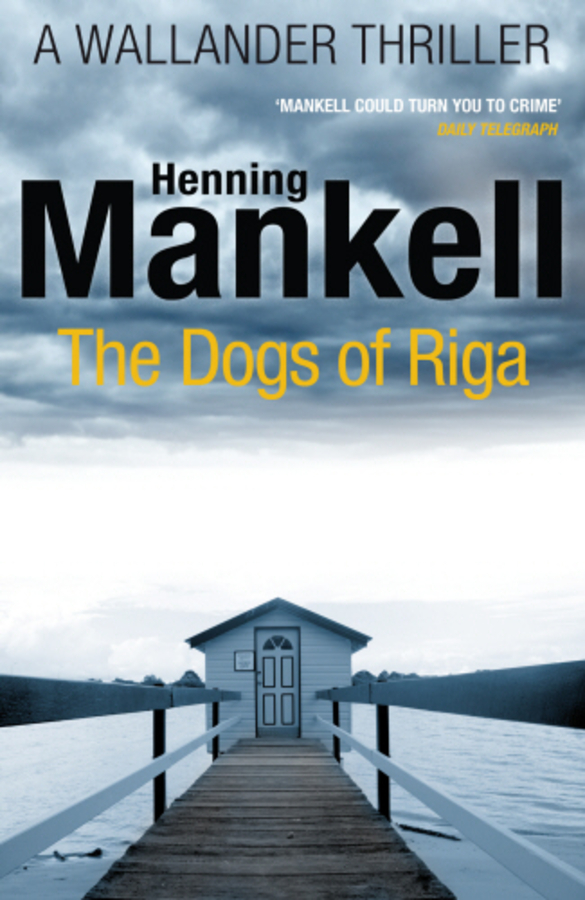
The-Dogs-of-Riga

There are ten Wallander novels. Here they are with their original date of publication and their atmospheric opening lines.

Faceless Killers (1990). ‘He has forgotten something, he knows that for sure when he wakes up. Something he dreamt during the night. Something he ought to remember.’

The Dogs of Riga (1992). ‘It started snowing shortly after 10am. The man in the wheel-house of the fishing boat cursed. He’d heard the forecast, but hoped they might make the Swedish coast before the storm hit.’

The White Lioness (1993). ‘Louise Akerblom, an estate agent, left the Savings Bank in Skurup shortly after 3.00 in the afternoon on Friday, April 24.’

The Man who Smiled (1994). ‘Fog. A silent, stealthy beast of prey. Even though I have lived all my life in Skane, where fog is forever closing in and shuttering out the world, I’ll never get used to it.’

Sidetracked (1995). ‘Just before dawn. Pedro Santana woke. The kerosene lamp had started to smoke. When he opened his eyes, he didn’t know where he was’.

The Fifth Woman (1996). ‘The letter arrived in Ystad on 19 August 1993. Since it had an African stamp and must be from her mother, she hadn’t opened it immediately. She wanted to have peace and quiet to read it.’

One Step Behind (1997). ‘On Wednesday, 7 August 1996, Kurt Wallander came close to being killed in a traffic accident just east of Ystad.’

Firewall (1998). ‘The wind died down towards evening, then stopped completely. He was standing on the balcony. Some days he could see a sliver of ocean between the buildings across the way.’

The Pyramid (1999). ‘In the beginning, everything was just a fog. Or perhaps it was like a thick-flowing sea where all was white and silent. The landscape of death.’

The Troubled Man (2009). ‘The story begins with a sudden fit of rage. The cause of it was a report that had been submitted the previous evening, which the prime minister was now reading at his poorly lit desk.’

Huge thanks are due to the translators who brought us the Wallander novels and expertly translated the lines above: Steven T. Murray, Ebba Segerberg and Laurie Thompson.
K wallander

Further links (I will keep adding to these – if you find good ones, do leave them in the comments section below).

I’m off to liberate some Aquavit from the back of the drinks cupboard and to watch an episode of Wallander with Krister Henriksson…

Kriminally good: NBG Krimi issue, Goethe Institut Krimi panel and David Young’s The Stasi Child

The autumn issue of New Books in German is out – a very special edition that celebrates the best of contemporary German-language crime fiction. In it you can read mouth-watering features, interviews and summaries of the hottest Krimis lining up to be translated into English.

21802651852_c2e309aee2_z

The contents are available online and include: 

A pair of features on British and German-language crime – Barry Forshaw’s ‘A New Golden Age? Contemporary British Crime Fiction’ and my own piece on ‘Quality, Diversity and Untapped Potential: the Contemporary Krimi’. Entertaining mugshots included…

A feature on ‘Killer Thrillers from Austria – an evening with Ursula Poznanski

Interviews with Daniela Rapp (editor at St. Martin’s Press in New York), Alison Hennessey (Senior Editor at Harvill Secker) and Imogen Rose Taylor (translator of Sascha Arango’s The Truth and Other Lies) on bringing international crime fiction to English-language audiences.

You can also browse individual Krimis (spoiler alert!) and take a comprehensive look at UK publishers of crime fiction and thrillers in translation, including Arcadia Books, Bitter Lemon Press, Harvill Secker, Hesperus Press, MacLehose Press, No Exit Press, Sinon & Schuster, Orion, World Noir/Europa Editions, Orenda and Vertigo Pushkin.

And as if all that goodness wasn’t enough, the Goethe-Institut London and New Books in German are hosting a Krimi evening on Tuesday 10th November. Snappily titled ‘In the Library with the Lead Piping’, the event will feature readings and a panel on German and British crime fiction with authors Mechtild Borrmann, Mario Giordano, Michael Ridpath and Louise Welsh.

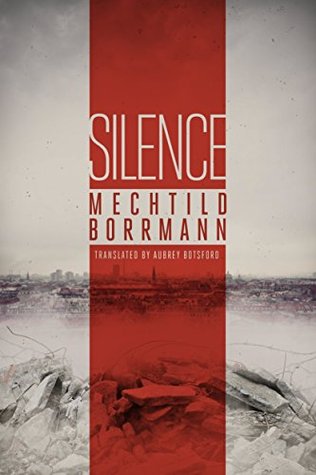
Silence

Mechtild Borrmann is the German author of a number of novels, including the best-selling historical crime novel Wer das Schweigen bricht (Silence), which was the winner of the 2012 Deutscher Krimi Preis (German Crime Fiction Prize).

poldi

Mario Giordano is a German author and screenwriter, who has written for crime series such as Tatort (Crime Scene) and Schimanski. His crime novel Tante Poldi und die sizilianischen Löwen (Aunt Poldi and the Sicilian Lions) was published this year.

s_shadows_of_war_bookMichael Ridpath is the British author of financial thrillers, the Icelandic ‘Fire and Ice’ crime series, and two spy novels, Traitor’s Gate and Shadows of War, which are set in Europe at the beginning of the Second World War.

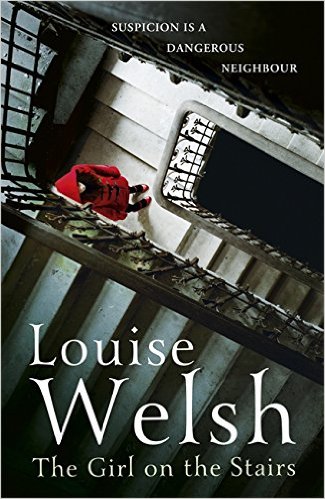
Girl Welsh

Louise Welsh is a Scottish writer who draws on crime fiction, psychological thrillers, apocalypse fiction and the Gothic. Two of her works, The Bullet Trick and The Girl on the Stairsare set in Berlin.

I have the good fortune to be the moderator for the event and am looking forward to it greatly. If you’re in London, do come along! Further details are available here. Entry is free, but booking is essential (simply email info@london.goethe.org).

StasiChild_firstlook_540

And finally… Over the past few days I’ve been reading a preview copy of David Young’s novel Stasi Child, which has the highly original setting of 1975 East Germany, and is proving to be a gripping and hugely absorbing read. It’s published on 1st October by twenty7 and has just been optioned for TV by Euston Films.

Here’s the cover blurb to whet your appetites:

>> When Oberleutnant Karin Müller is called to investigate a teenage girl’s body at the foot of the Wall, she imagines she’s seen it all before. But when she arrives she realises this is a death like no other: it seems the girl was trying to escape – but from the West.

Müller is a member of the People’s Police, but in East Germany her power only stretches so far. The Stasi want her to discover the identity of the girl, but assure her the case is otherwise closed – and strongly discourage her asking questions.

The evidence doesn’t add up, and Müller soon realises the crime scene has been staged. But this is not a regime that tolerates a curious mind, and Müller doesn’t realise that the trail she’s following will lead her dangerously close to home… <<

The novel is the first in a trilogy, and I’m already keen to meet Karin Müller and her team again. If you’re interested in how David came up with his ideas and wrote the novel, then check out his feature over on the twenty7 blog.

Marina Sofia has also just posted a great review of The Stasi Child over at findingtimetowrite.

Welsh delights: Series 2 of Y Gwyll (Hinterland) and Graffeg’s The Starlings & Other Stories

UPDATE: Hinterland series 2 airs on BBC One Wales on 23rd December 2015. For further details, see here.

*****

Last weekend was a bumper weekend for TV crime drama in the UK. Swedish crime drama Beck aired on BBC4 on Saturday, and the second series of Welsh crime drama Y Gywll / Hinterland began on Sunday on S4C.

hinterland (1)

I hugely enjoyed the first series of Y Gwyll/Hinterland, which followed brooding DCI Tom Mathias and his team through a series of investigations in and around Aberystwyth in Wales. Well written and beautifully shot, with a brooding Cymru Noir feel, it’s polished crime drama that’s well worth viewing (see my earlier post here).

The second series kicked off in style, with Mathias (Richard Harrington) dealing with the dramatic fall-out from his previous case and investigating the murder of a bus driver. We also begin to find out more about Mathias’ troubled past, when his wife arrives from London out of the blue. I was pleased to see this aspect of the narrative getting more attention, as it was the only thing I felt was under-developed in series 1, and will help to add definition to Mathias’ character  – and to that of his partner DI Mari Rhys (Mali Harris), who’s also dealing with family problems.

Those of you who saw series 1 will remember that two different versions were aired – one in Welsh and one in English. The series now on S4C at 9.00pm on Sunday nights is in Welsh with English subtitles – and I do recommend watching this one if you can to get a real flavour of the language. If you’d like to catch up, you can do so via Clic, S4C’s online version of BBC iPlayer (the subtitle button is on the bottom right of the screen next to the volume). You can see the subtitled trailer for episode 1 below.

English version Hinterland (which still has some subtitled Welsh bits) will be broadcast on BBC Cymru Wales and BBC Four at a later date, yet to be confirmed.

Starlings

Welsh publisher Graffeg has dipped its toe into fiction with an intriguing collaboration. In The Starling & Other Stories, edited by Ann Cleeves, twelve crime authors have contributed stories inspired by David Wilson’s bleakly beautiful photographs of Pembrokeshire, and the result is an aesthetic delight: a high-quality softback that features twelve black and white photos ahead of the resulting tales. It’s very lovely and would make a pleasing gift (check out the online sample here).

The authors are ‘The Murder Squad’ – Ann Cleeves, Martin Edwards, Cath Staincliffe, Chris Simms, Margaret Murphy and Kate Ellis – and six ‘accomplices’ – Christine Poulson, Helena Edwards, Valerie Laws, Jim Kelly, Mary Sharratt and Toby Forward. So far, I’ve dipped into ‘Homecoming’ by Cath Staincliffe and ‘The Starlings’ by Ann Cleeves (the latter featuring one of my favourite police investigators, Vera Stanhope) – both of which were great. Having the photographs as a starting point is also very effective: I found myself looking at the relevant photo in a fair bit of detail before reading the story, and was then watching out to see which visual or thematic elements the author picked up and how she wove them in. Great fun, and a feast for the eye and criminal imagination.

Further details about The Starlings can be found over at the Graffeg website.

Globetrotting crime: Auckland, Bangalore, Barcelona, Havana

Family Peabody is off on holiday in a cunning attempt to extend summer a little longer. As ever, my first priority has been choosing which books to take along. And by books, I mean actual books to read while lying by the pool/sipping a drink on the balcony/ enjoying a coffee in a cafe. Time to savour a break from the electronic world and wind down in seventies style.

reading

Here are four novels that have made the cut. All happen to be published by Bitter Lemon Press, which champions top quality crime fiction from all over the world. I made my choices on the basis of the cover blurb (see below), the setting, and that tingly feeling that makes you think you’ll enjoy a book. As a result, some are from the middle or even the end of a series, but that’s fine…

AUCKLAND/NEW ZEALAND: Death on Demand by Paul Thomas (Bitter Lemon Press 2013 [2012])

Death on demand

Maori cop Tito Ihaka – ‘unkempt, overweight, intemperate, unruly, unorthodox and profane’ – is a cop unable to play the police politics necessary for promotion, but a man who has a way with women, and he’s a stubborn investigator with an uncanny instinct for the truth. Ihaka is in the wilderness, having fallen foul of the new regime at Auckland Central. Called back to follow up a strange twist in the unsolved case that got him into trouble in the first place, Ihaka finds himself hunting a shadowy hitman who could have several notches on his belt. His enemies want him off the case, but the bodies are piling up. Ihaka embarks on a quest to establish whether police corruption was behind the shooting of an undercover cop and – to complicate matters – he becomes involved with an enigmatic female suspect who could hold the key to everything.

An extract from Death on Demand is available on the Bitter Lemon website.

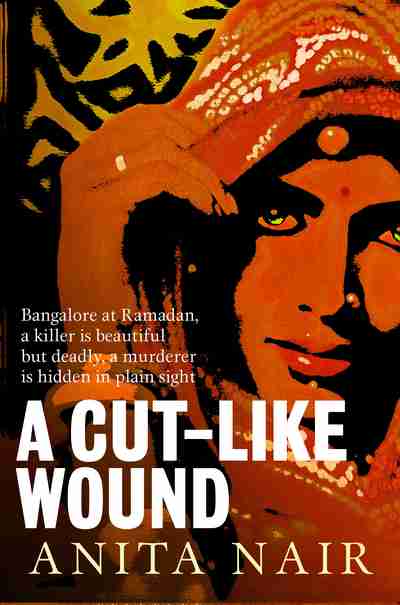
BANGALORE/INDIA: A Cut-like Wound by Anita Nair (Bitter Lemon Press, 2014 [2012]

cut

It’s the first day of Ramadan in heat-soaked Bangalore. A young man begins to dress: makeup, a sari and expensive pearl earrings. Before the mirror he is transformed into Bhuvana. She is a hijra, a transgender seeking love in the bazaars of the city. What Bhuvana wants, she nearly gets: a passing man is attracted to this elusive young woman. But someone points out that Bhuvana is no woman. For that, the interloper’s throat is cut. A case for Inspector Borei Gowda, going to seed and at odds with those around him including his wife, his colleagues, even the informers he must deal with. More corpses and Urmila, Gowda’s ex-flame, are added to this spicy concoction of a mystery novel.

Read an extract from A Cut-like Wound here.

BARCELONA/SPAIN: A Shortcut to Paradise by Teresa Solana (translated by Peter Bush, Bitter Lemon Press, 2011 [2007)

a-shortcut-to-paradise_1024x1024 (1)

The shady, accident-prone private detective twins Eduard Martinez and Borja ‘Pep’ Masdeu are back. Another murder beckons, and this time the victim is one of Barcelona’s literary glitterati.

Marina Dolç, media figure and writer of best-sellers, is murdered in the Ritz Hotel in Barcelona on the night she wins an important literary prize. The killer has battered her to death with the trophy she has just won, an end identical to that of the heroine in her prize-winning novel. The same night the Catalan police arrest their chief suspect, Amadeu Cabestany, runner-up for the prize. Borja and Eduard are hired to prove his innocence. The unlikely duo is plunged into the murky waters of the Barcelona publishing scene and need all their wit and skills of improvisation to solve this case of truncated literary lives.

Read an extract from A Shortcut to Paradise here.

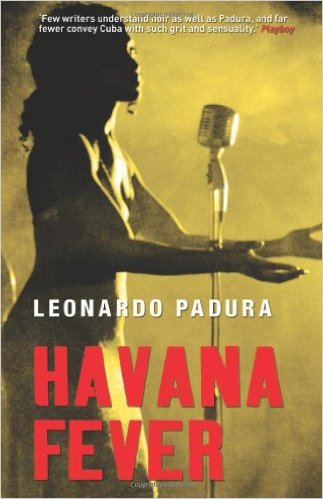
HAVANA/CUBA: Leonardo Padura, Havana Fever (translated by Peter Bush, Bitter Lemon Press, 2009 [2005]

havana

Havana, 2003, fourteen years since Mario Conde retired from the police force and much has changed in Cuba. He now makes a living trading in antique books bought from families selling off their libraries in order to survive. In the house of Alcides de Montes de Oca, a rich Cuban who fled after the fall of Batista, Conde discovers an extraordinary book collection and, buried therein, a newspaper article about Violeta del Rio, a beautiful bolero singer of the 1950s, who disappeared mysteriously. Conde’s intuition sets him off on an investigation that leads him into a darker Cuba, now flooded with dollars, populated by pimps, prostitutes, drug dealers and other hunters of the night. But this novel also allows Padura to evoke the Havana of Batista, the city of a hundred night clubs where Marlon Brando and Josephine Baker listened to boleros, mambos and jazz. Probably Padura’s best book, Havana Fever is many things: a suspenseful crime novel, a cruel family saga and an ode to literature and his beloved, ravaged island.

An extract from Havana Fever is available here.

Happy reading! Mrs. Peabody will be back in a couple of weeks. 

Stop Press! BBC Four announces autumn Scandi dramas: Beck, The Bridge and Arne Dahl

UPDATES: The first episode of Beck aired on Saturday 12 September at 9pm on BBC4. My review of ‘Buried Alive’ (no major spoilers) is available here.

Beck has now finished. Arne Dahl begins on Saturday, 17. October at 9.00.

The start date for The Bridge 3 is Saturday 21. November (9pm; double episode). Mrs P blog post and trailer available here.

Series 2 of The Young Montalbano starts on Saturday 2. January 2016. More info available here.

                                                                   ************

BBC Four’s Channel Editor Cassian Harrison made some exciting crime drama announcements at the Edinburgh TV festival today. Below is an extract from the BBC4 press release:

>> BBC Four brings viewers an autumn of gripping Scandinavian drama with the return of the hugely popular The Bridge (the final episode of the last series was enjoyed by over 1.5m viewers) and Arne Dahl, as well as the launch of new crime thriller Beck.

beck

Beck: Based on the characters of the hugely popular Martin Beck detective series of novels by Swedish husband-and-wife writers Maj Sjöwall and Per Wahlöö, Beck sees the much-loved detective brought to life on the small screen. Following the fortunes of enigmatic and extremely methodical detective Martin Beck and his partner, the irascible, impulsive Gunvald Larsson, Beck is arguably the originator of what has become known as Scandinavian crime: the good-cop, bad-cop partnership which went on to form the modern crime-fighting blueprint.

The brand-new feature-length films see detective Martin Beck investigating the shocking death of a young woman found strangled in a hotel room, a gangster kingpin executed by a sniper in front of his family, a terrorist attack and a suspicious hospital death which sourly turns out to be premeditated murder. It’s an intricate web of characters and lies. Think again. The killer is never who you expect it to be.

Starring Peter Haber (The Girl With The Dragon Tattoo) as Beck and Mikael Persbrandt (The Hobbit: The Desolation Of Smaug) as Larsson, the drama’s combination of complex woven details of police detection and beautifully realised characters combined with twisting, masterful storylines has ensured that the award-winning series won fans and acclaim from around the world.

broen

The Bridge 3: When Helle Anker, the founder of the first gender-neutral kindergarten in Copenhagen and a high-profile debater on gender issues, is found murdered in Sweden, the Danish and Swedish police are compelled to join forces once more for a third series of The Bridge. The brutal killing turns out to be only the first in a series of gruesome crimes, strung together in a case which involves Saga Norén of the Malmo Police personally and which will change her forever. A powerful, intriguing and unpredictable tale of crime, played out by fascinating and complex characters, the new season will revolve around the concept and structures of family – new, old, deviant, classical, constructive and destructive. At its heart, The Bridge carries a central theme of personal responsibility and its consequences.

dahl

Arne DahlThe Swedish crime drama returns with five new stories. The A Unit has been disbanded for the past two years. When a wave of brutal murders hits Polish nurses in Sweden, the National Police see their chance to reinstate the The A Unit, and Kerstin Holm, previously a member of the team, is assigned to lead them.

We meet a chastened team of individuals who have allowed the all-consuming nature of their police work to eat away at their private lives. Demands and expectations have never been higher and a cold wind blows through the corridors at the National Police head-quarters. Can Kerstin get the unit to deliver, or is this new effort a misguided attempt by a paranoid police force in a time of increasingly unusual and refined criminal activity?

It is produced by Filmlance International AB in co-production with Sveriges Television and ZDF Germany, written by Erik Ahrnbom, Linn Gottfridsson, Peter Emanuel Falck and Fredrik Agetoft, adapted from the novels by Arne Dahl.<<

This is all very fitting on the day that sees the UK publication of the fourth in Stieg Larsson’s Millennium series, The Girl in the Spider’s Web, authored by David Lagerkranz (it’s out in the US on 1st September). Reviews appear to be pretty favourable thus far, as this example by The Telegraph‘s Jake Kerridge shows. So glad to see Salander living to fight another day.

The-Girl-in-the-Spiders-Web-promo

Eva Dolan’s Long Way Home, the Kappe historical ‘Kettenroman’ (chain novel) and some other tasty bits

What do you do when your TBR pile is so vast it defies all hope of control? Answer: give up and read what you want.

long-way-home-pbk

In that spirit, I picked up Eva Dolan’s Long Way Home (Vintage, 2014). Lots of people had told me about this debut and as soon as I started reading, I could see that the praise for the novel was justified: it’s a beautifully written police procedural, which explores migrant experiences in the UK in a realistic and very sobering way. Its main investigative protagonists, Detectives Zigic and Ferreira of the Peterborough Hate Crimes Unit – with Serbian and Portuguese heritage respectively – are both extremely well drawn, and the story, which starts with the discovery of a body in a burned-out garden shed, is gripping and believable. It’s a hugely accomplished first novel, and I’m already looking forward to the second in the series, Tell No Tales.

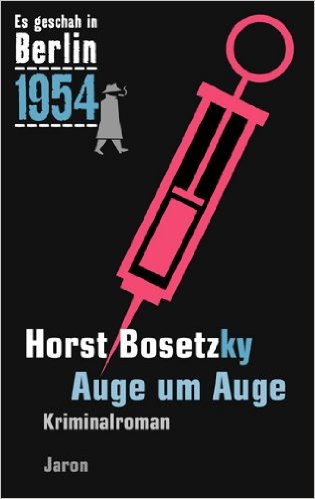
While researching my article on post-war justice in crime fiction this week, I came across the German crime novel Auge um Auge (Eye for an Eye), which explores how doctors involved in medical crimes under National Socialism often went unpunished.

kappe auge

Auge um Auge is part of a remarkable historical crime series called ‘Es geschah in Berlin’ (‘It happened in Berlin’), which uses the cases of policeman Hermann Kappe to trace German history from 1910, before the collapse of the German empire, through to the Cold War era. To date, there are 26 novels set at two-year intervals from 1910 to 1960 (nephew Otto Kappe takes over the investigative reins in 1956):

kappe collection jaron

The image above shows how the novels are packaged, with the series title and year highlighted on the cover, together with a striking abstract design. It also shows that the novels – rather unusually – are written by a collective of authors. Horst Bosetzky, a well known German crime author since the 1960s, conceived the series in 2007 with publishing house Jaron, and the other writers work under his overall guidance.

The series has also been called a Kettenroman or ‘chain novel’, which is a neat term. At the moment, ‘Es geschah in Berlin’ is the most ambitious use I’ve seen of a crime series to ‘investigate’ twentieth-century German history and I’ll definitely be checking out the other novels. Hopefully they’ll make their way into translation too.

In other news:

I’ve been flying the flag for German crime in the Times Literary Supplement, with a review of a fascinating volume called TATORT GERMANYThe Curious Case of German-Language Crime Fiction (Camden House), which is edited by Lynn M. Kutch and Todd Herzog. Unfortunately the review’s behind a paywall, but I bought a copy of the TLS yesterday, and was delighted to see a whole page dedicated to German literature.

tatort germany

Most interesting find of the week: a 2015 Penguin Special by Erich Schlosser called Gods of Metal, an essay exploring America’s nuclear capacity and the frightening ease with which a high-security weapons complex in Tennessee was breached in 2012. Schlosser meets members of the Plowshares movement, who break into nuclear facilities as a form of civil protest, and are subsequently branded as criminals by the state. Thought-provoking stuff, timed to coincide with the 70th anniversary of Hiroshima.

gods of metal

True Detective 1, Top of the Lake 2, Y Gwyll/Hinterland 2

The title of this post may look a bit like a line of football scores, but as you’ve probably guessed, the numbers denote the seasons of the crime series being discussed…

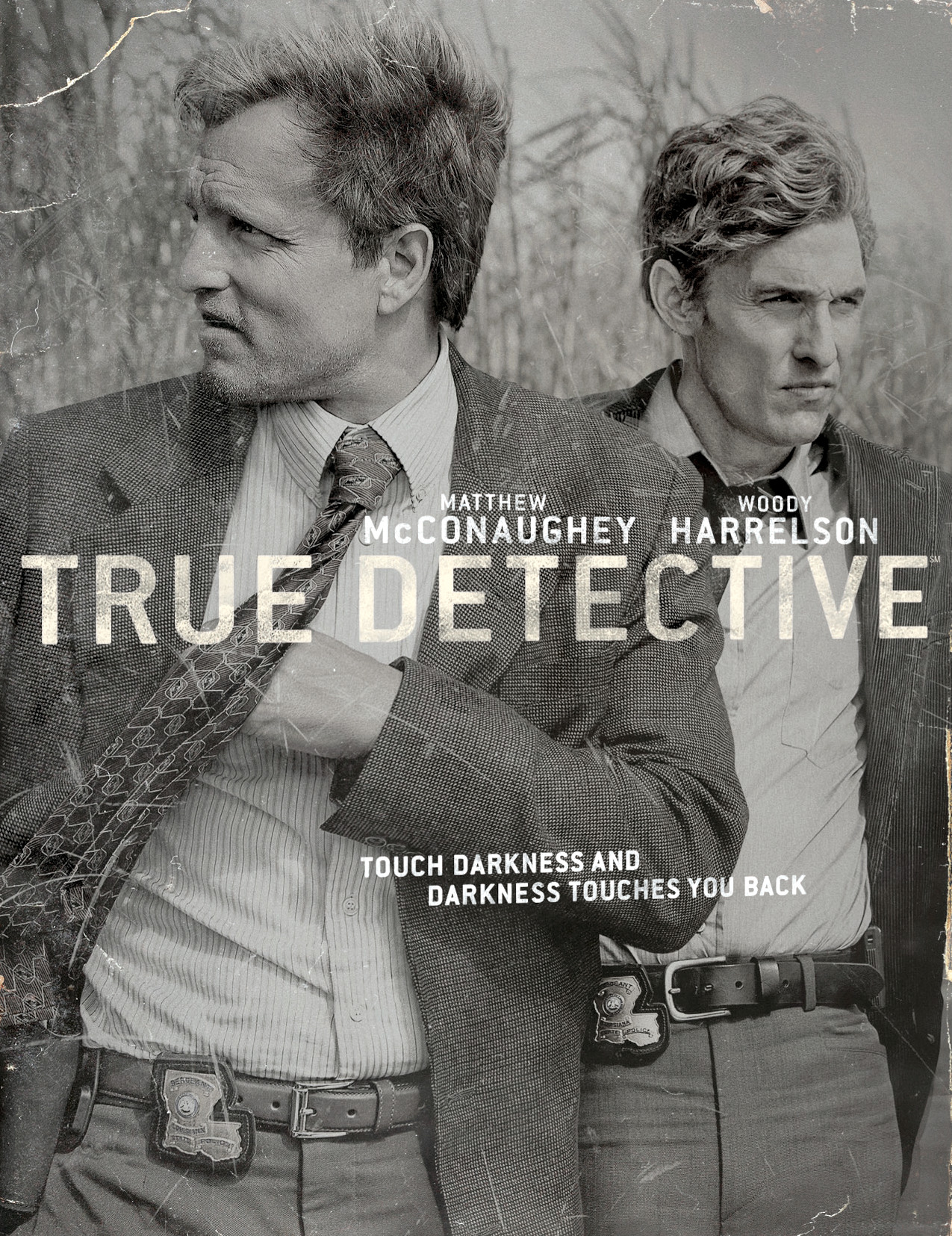
So…I know I’m late to the party, but I’ve *finally* managed to watch the box set of True Detective 1 (HBO 2014) that’s been sitting on my shelf for over a year. And what a treat it turned out to be – grown-up, complex crime drama at its absolute best.

The-DVD-cover-for-True-Detective

There was so much to like: the complex characterisation of Louisiana state police detectives Marty Hart and Rust Cohle, the absorbing interview/flashback structure, the stunning cinematography, the Deep South gothic-noir mood, and of course, that iconic title sequence featuring The Handsome Family’s ‘Far From Any Road’.

I watched the series with my son, and we were both impressed with the consistently high standard of the eight episodes. We ended up rationing them to one an evening, because each was such a rich viewing experience that we wanted to dissect them afterwards. While the investigation – into the ritualistic murder of a woman and the earlier disappearance of a child – was extremely compelling, what lingered in my mind was the story of Marty and Rust’s own development and the evolution of their relationship over a period of twenty years. Their characters were very different, with individual complexities and flaws, and were brilliantly brought to life by actors Matthew McConaughey and Woody Harrelson.

I particularly loved Rust’s tenacity (bordering on worrying obsessiveness) in refusing to let the case die. Here he is scouting a site for clues with his ‘taxman’ notebook.

true-detective-2

I hear that True Detective 2 hasn’t (ahem) quite lived up to expectations, so if you haven’t yet seen True Detective 1, now could be the moment to check it out. It will stand the test of time as a standalone series, I’m sure.

Some very good news: a second series of Top of the Lake has been commissioned by BBC2, with Elizabeth Moss reprising her role as Detective Robin Griffin.

toplake-700x400

There’s a major change of location, though: season 2 will be shot and set in Sydney, Australia and Hong Kong rather than New Zealand. I admit to having slightly mixed feelings about this, as the New Zealand setting was one of the big strengths of the first series for me. On the other hand, Jane Campion and Gerard Lee are once again co-writing, with Jane also set to co-direct, so I’ll be watching come what may. Production begins in December.

There’s further information about season 2 at indiewire and if.com.au. My earlier post on the first series of Top of the Lake (2013) and its wonderful female protagonists is available here.

And finally… The second series of Welsh crime drama Y Gwyll/Hinterland will air on British screens in mid-September:

ygwyll-2series

WalesOnline reports: >>The ground-breaking crime drama, starring Richard Harrington as DCI Tom Mathias, will premiere in Welsh, with optional English subtitles, on S4C in the prime drama slot of 9pm on Sunday nights. The first episode of the eight-part series starts on September 13 and Mathias’ wife Meg turns up, hopefully revealing some of the moody detective’s shady past <<.

And here’s a nice little article by Kathryn Williams on ‘5 Things to Expect from Y Gwyll / Hinterland Series 2′. It looks like we’ll be finding out a lot more about both Mathias and Mared Rhys, which is a welcome development. While series 1 was great, a few people (myself included) thought a bit more backstory on the key investigators would have been good (see my earlier post here).

The English-language version will be shown on BBC Cymru Wales and BBC4 at a later date. Riches galore.

Calling the hive mind! Looking for crime novels that feature Nazi war-crimes trials

***If you have a spare minute, I’d be really grateful for your help***

I’m currently writing up a journal article on war crimes trials in Nazi-themed crime fiction. I’m interested in how crime novels since 1945 represent war crimes trials in relation to larger debates about their judicial, social and moral value, and to what extent they show legal justice as succeeding or failing.

Legal_scale-300x270

I’ve identified around 50 Nazi-themed novels that focus extensively on the theme of post-war justice, but only a much smaller number that depict or discuss war crimes trials. So the question is, can you help me find more? Here’s what I’ve got at the moment:

Crime novels (and films) containing depictions of Nazi war crimes trials:

  • William Brodrick, The Sixth Lamentation. London: Time Warner, 2004 [2003].
  • Gordon Ferris, Pilgrim Soul. London: Atlantic 2013.
  • David Thomas, Ostland. London: Quercus, 2013.
  • Joseph Kanon, The Good German. London: Time Warner, 2003 [2001].
  • Judgement at Nuremberg, dir. Stanley Kramer, 1961.
  • Music Box, dir. Constantin Costa-Gavras, 1989.
AAA ostland

This novel explores the case of Georg Heuser and his 1963 trial in West Germany

Others that feature discussion of Nazi war crimes trials include:

  • Frederick Forsyth, The Odessa File. London: Arrow, 2003 [1972].
  • Gerhard Harkenthal, Rendezvous mit dem Tod [A Date with Death]. Berlin: Buchverlag der Morgen, 1962.
  • Edgar Hilsenrath, Der Nazi & der Friseur [The Nazi and the Barber]. Munich: Piper, 2000 [1977].
  • Ira Levin. The Boys from Brazil. New York: Dell Publishing, 1976.
  • Brian Moore, The Statement. London: Flamingo, 1996 [1995].
  • Ian Rankin, The Hanging Garden. London: Orion, 1998.
  • Ferdinand von Schirach, Der Fall Collini [The Collini Case]. Munich: Piper, 2011.

Can you think of any others? They can be from anywhere in the world and don’t necessarily need to be in translation. Thanks in advance for your help 🙂

Roberto Costantini’s Italian/Libyan Balistreri Trilogy

I picked up the first novel in Roberto Costantini’s Balistreri TrilogyThe Deliverance of Evil (trans. N. S. Thompson, Quercus, 2014 [2011]), at this year’s CrimeFest after seeing the author on a couple of panels. Costantini was extremely articulate about how his personal links to Tripoli and Rome shaped the trilogy and how his writing style is influenced by his work as an engineer. My interest was also piqued by the description of his main protagonist, Commissario Michele Balistreri, as a morally flawed individual with a complex political past.

Cost

Coming in at just over 600 pages, The Deliverance of Evil is a novel for readers who enjoy complex, multi-layered crime narratives. Framed by Italy’s two Football World Cup victories in 1982 and 2006, it spans twenty-five years of Italian history, but also explores the legacy of Mussolini’s right-wing dictatorship and of the so-called ‘strategy of tension’ – a series of right-wing terrorist attacks in the 1960s and 1970s (possibly encouraged by the military and intelligence services), which were blamed on communists to provoke a political shift to the right. Balistreri, the narrative’s main investigator, acts as a kind of repository for this complex history: as a young man, he was drawn to the ultra right-wing Ordine Nuovo, but when it became involved in terrorist acts, worked undercover for the state in an attempt to stop them. When the narrative opens in 1982, he has supposedly left that past behind him, after being transferred to a quiet police post in Rome.

cover_tu_sei_il_male_web

The original Italian cover

The crime at the heart of the narrative is the murder of Elisa Sordi, a young woman who works for a religious housing organisation. The detective, keen to enjoy the 1982 World Cup final, is distracted during the initial investigation. This and a number of other factors result in the case remaining unsolved until 2006, when another woman is murdered in apparently similar circumstances. Wracked with remorse and guilt for his earlier failures, Balistreri vows to solve both cases and uncover the truth.

The Deliverance of Evil is a hugely absorbing, accomplished piece of work. While the denouement, which resembles an intricate origami creation, had me raising an eyebrow a little at times, the figure of Balistreri, together with the clever construction of the narrative and its dissection of Italian privilege, politics and racism made for a highly gripping read. I’ll definitely be seeking out the second in the trilogy, which moves back in time to the 1960s to explore Balistreri’s troubled past in Libya.

I have a bit of a thing about crime trilogies or quartets. They’re often quite special, which I think is due to two factors. Firstly, they give authors the chance to explore multiple facets of an overarching story in a group of novels, allowing them to create extended and complex literary worlds. Conversely, the limit of having a set number of novels (as opposed to an on-going series), encourages authors to take more risks, especially in terms of the characterisation of their protagonists and the overall denouement. Standalones and trilogies/quartets are thus usually more hard-hitting than a series, not least because they don’t need to safeguard the investigator or main protagonist indefinitely. They also often undertake a wide-ranging social and/or political critique, which I like.

10_peace_quartet

Here are few of my favourite crime trilogies and quartets:

David Peace’s Yorkshire Noir/Red Riding Quartet (1974197719801984), which is set against the backdrop of the Yorkshire Ripper case and provides a brilliant depiction of corrupt policing cultures.

Andrew Taylor’s Roth/Requiem for an Angel Trilogy (The Four Last ThingsThe Judgement of Strangers, The Office of the Dead) which skillfully excavates the history of a female serial killer, beginning in the present day and moving back to the 1970s and the 1950s.

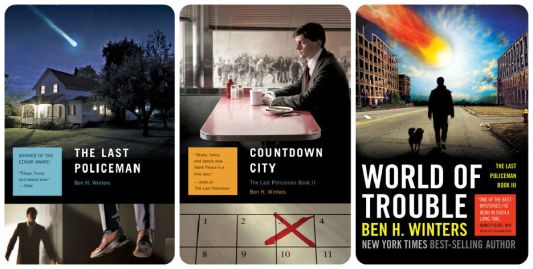
Ben Winter’s Last Policeman Trilogy (The Last Policeman, Countdown City, World of Trouble), set in a superbly realised world on the brink of destruction (I still need to read the final novel, and am looking forward to it very much).

Winter last policeman

Stieg Larsson’s Millennium Trilogy (The Girl with the Dragon Tattoo, The Girl who Played with Fire, The Girl who Kicked the Hornet’s Nest), featuring the remarkable, indefatigable Lisbeth Salander.

Leif G.W. Persson’s Story of a Crime Trilogy (Between Summer’s Longing and Winter’s End, Another Time, Another Life and Free Falling, As in a Dream), which probes the unsolved assassination of Olof Palme in an absorbing and darkly sardonic manner.

Philip Kerr’s Berlin Noir Trilogy (March Violets, The Pale Criminal, A German Requiem), which explores Nazi Germany in 1936 and 1938 and Allied Occupation in 1947 through the eyes of former Berlin policeman Bernie Gunther. The author later extended the trilogy into a series, but the original three novels remain the best in my view.

Perhaps you have others we could add to this list? 

Update: Well, what a brilliant response. Thanks to MarinaSofia, Margot, Rebecca, Bernadette, David, Tracey and Angela for their suggestions (see also their comments and those of others below), and to Barbara, Jose Ignacio and Craig Sisterson via Twitter for trilogies/quartets by women authors. All listed below…

Further great crime fiction trilogies and quartets: 

Lisa Brackman’s China Trilogy (Rock, Paper, Tiger; Dragon Day; Hour of the Rat)

James Ellroy’s L.A. Quartet (The Black Dahlia, The Big Nowhere, L.A. Confidential, White Jazz)

Lyndsay Faye’s New York Trilogy (The Gods of Gotham, Seven for a Secret, The Fatal Flame)

Gordon Ferris’ Glasgow Quartet (The Hanging Shed, Bitter Water, Pilgrim Soul, Gallowglass)

Alan Glynn’s Land Trilogy (Winterland, Bloodland, Graveland – set in Ireland)

Jean-Claude Izzo’s Marseille Trilogy (Total Chaos, Chourmo, Solea)

Peter May’s Lewis Trilogy (The Blackhouse, The Lewis Man, The Chessmen)

William McIllvaney’s Laidlaw Trilogy (Laidlaw, The Papers of Tony Veitch, Walking Wounded – set in Glasgow)

Adrian McKinty’s Troubles Quartet (The Cold Cold Ground, I Hear the Sirens in the Street, In the Morning I’ll Be Gone and Gun Street Girl – set in Ireland)

Denise Mina’s Garnethill Trilogy (Garnethill, Exile, Resolution – set in Glasgow, Scotland)

Denise Mina’s Paddy Meehan Trilogy (The Field of Blood, The Dead Hour, The Final Breath – set in Glasgow, Scotland)

Leonardo Padura’s Havana Quartet (Havana Blue, Havana Gold, Havana Red, Havana Black)

George Pelecanos’ D.C. Quartet (The Big Blowdown, King Suckerman, The Sweet Forever, Shame the Devil)

Dolores Redondo’s Baztan Trilogy. The first, The Invisible Guardian is available in translation and is set in Spain’s Basque country. The other two are entitled Legado en los huesos (Legacy in the Bones) and Ofrenda a la tormenta (Offering to the Storm).

John Williams Cardiff Trilogy (Five Pubs, Two Bars And A Nightclub; Cardiff Dead; The Prince of Wales)

Robert Wilson’s Falcon Quartet (The Blind Man of Seville; The Silent and the Damned; The Hidden Assassins; The Ignorance of Blood – set in Spain)

American, Icelandic and Swedish gems: Paretsky, Indriđason and Nesser

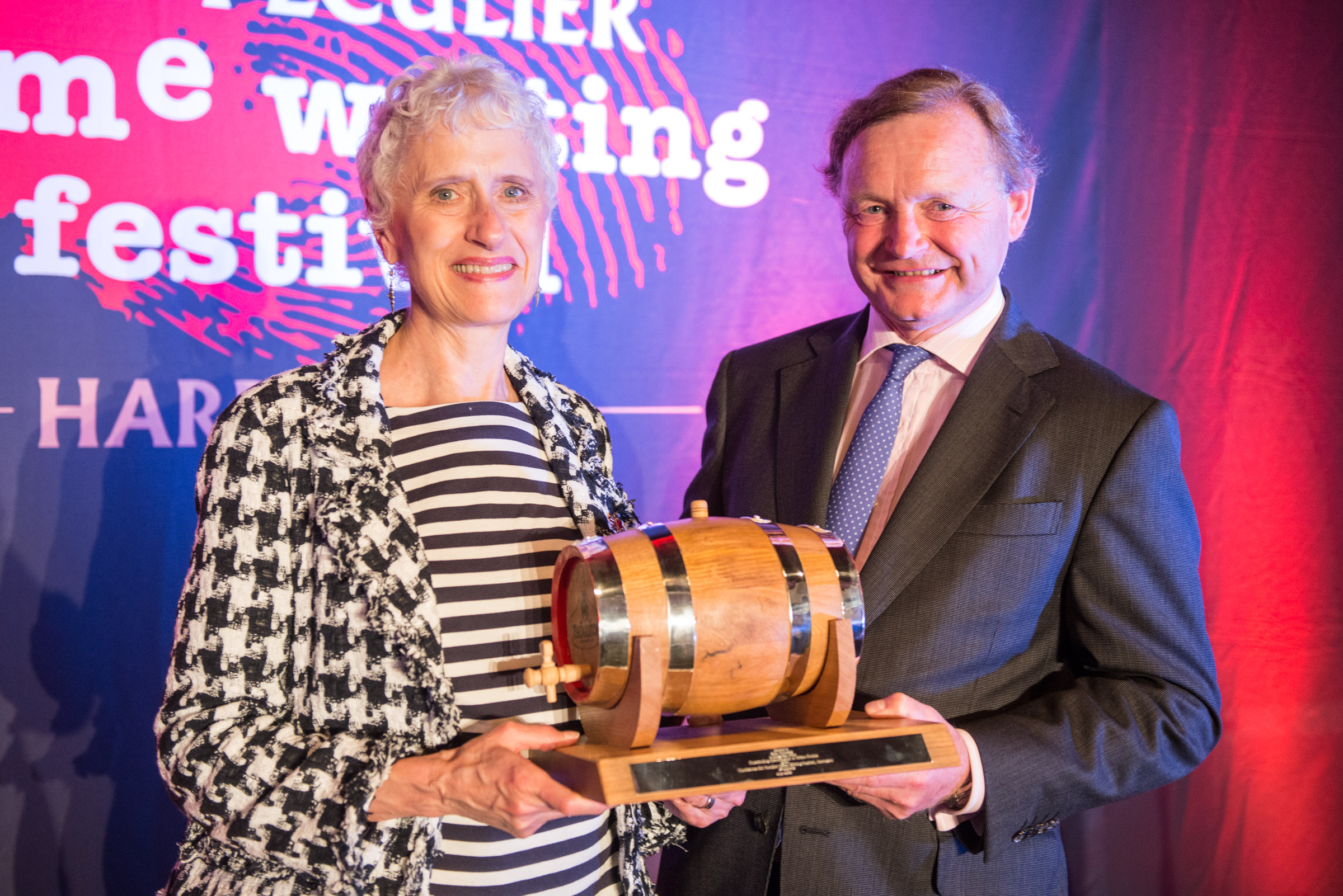
The Theakstons Old Peculier Crime Writing Festival is in full swing up in Harrogate. Top news so far: Sarah Hilary has won the Theakstons Crime Novel of the Year Award for her debut, Someone Else’s Skin, a tremendous achievement for a debut writer, and Sara Paretsky (below), creator of the ground-breaking ‘VI Warshawski’ series, was presented with the Theakstons Outstanding Contribution to Crime Fiction Award.

aaaa sara pFn-TopCrme2015-Awards-05

In her acceptance speech, Sara said: ‘When I created VI Warshawski, she created a few seismic shock-waves for being a female detective with gumption. I’m proud of that, and today it’s amazing to be recognised for that legacy and to see so many female characters in the genre who are more than a vamp or victim’. Hear hear! There are sixteen Warshawski novels to date, starting with 1982’s Indemnity Only. If you haven’t met VI yet, now’s a great time to start. She’s one of the many great female investigators on this blog’s ‘strong women in crime’ list.

The Theakstons programme also features Swedish author Håkan Nesser (on the ‘Strange Lands’ panel) and Icelandic author Arnaldur Indriđason in conversation with Barry Forshaw on Sunday. Regular readers of this blog will have gathered that I’m a fan of both these writers – in fact my first ever review was of Indriđason’s The Draining Lake, which won the CWA Gold Dagger and is partially set in East Germany. I also reviewed Nesser’s The Weeping Girl, part of the ‘Van Veeteren’ series, but featuring Ewa Moreno as investigator, back in 2013. It’s interesting to see the comparisons I made between Nesser and Indriđason’s work in that post – there do appear to be very real affinities between these authors’ approaches to writing crime fiction.

aaa draining

If like me you can’t make Harrogate, but are within reach of London, then there’s a rare chance to see Nesser and Indriđason together this coming Monday, 20th July, at Foyles Bookshop with Barry Forshaw. Here’s the Foyles description of the event:

>> Bestselling authors Arnaldur Indriđason and Hakan Nesser have enthralled millions of readers with their award-winning detective series. On Monday we welcome these two titans of Nordic Noir for an evening discussing their latest work, and a life in crime.

aaa nesser

Messrs Nesser and Indriđason

Recipient of the Nordic Glass Key, the CWA Gold Dagger and the RBA International Prize for Crime Writing, Icelandic heavyweight Indriđason has delighted fans with his long-running ‘Detective Erlendur’ series. Having recently concluded the narrative in Strange Shores, the author has since taken us right back to the beginning with Rekjavik Nights and the brand-new Oblivion, unpacking the early cases of then newly-promoted detective Erlendur.

Splitting his time between his native Sweden and London, Håkan Nesser has been leading readers in ever-decreasing circles for over twenty-five years. Famed for his Inspectors Van Veeteren and Barbarotti series, Nesser has been awarded both Sweden’s Best First Crime Novel and Best Crime Novel Awards, as well as being the only person to have won the Danish Rosenkrantzprisen twice. Now, in his latest novel The Living and the Dead in Winsford, Nesser takes us to the desolate Exmoor landscape as a couple, beleaguered by past secrets, find their rural getaway is not quite the sanctuary they had anticipated. <<

I’ll be making the pilgrimage from Swansea to London on Monday. Perhaps see you there? Full details of the event are available here.

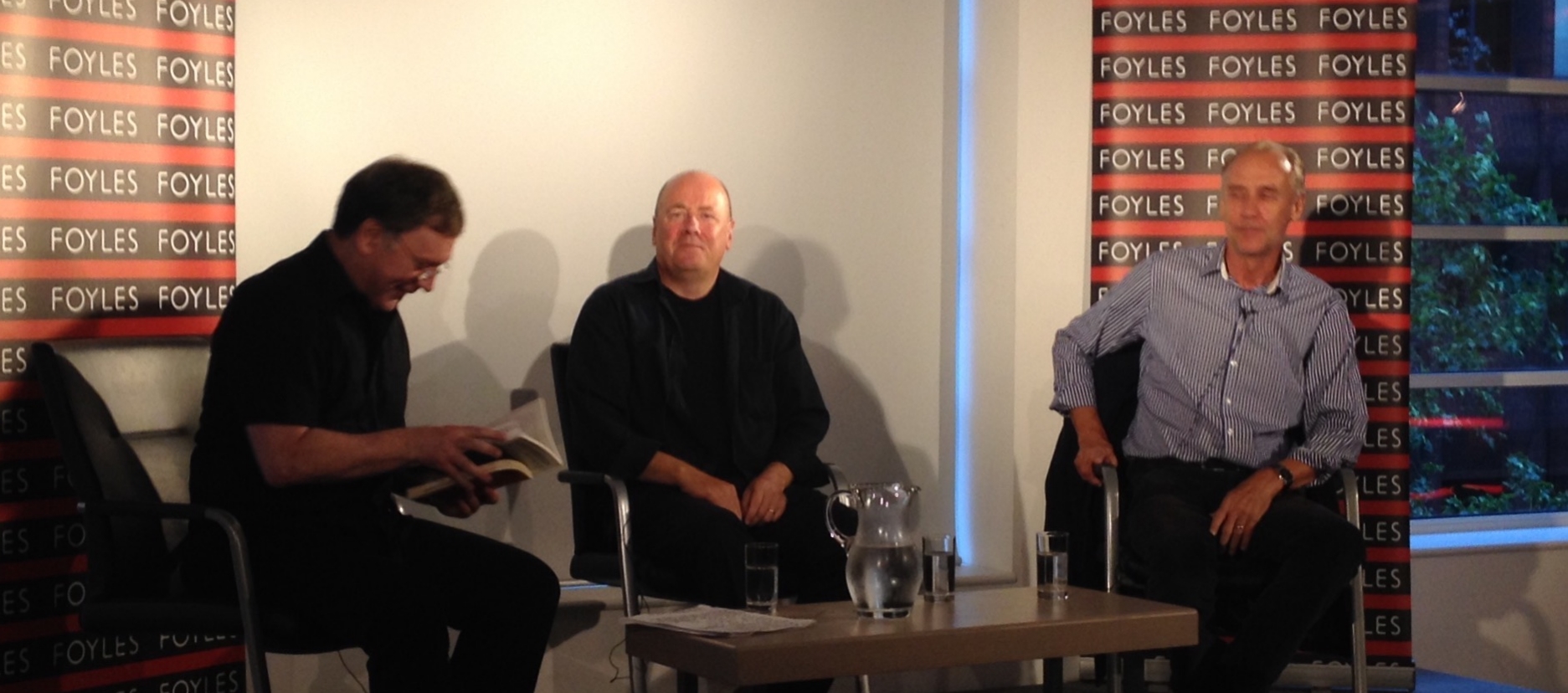
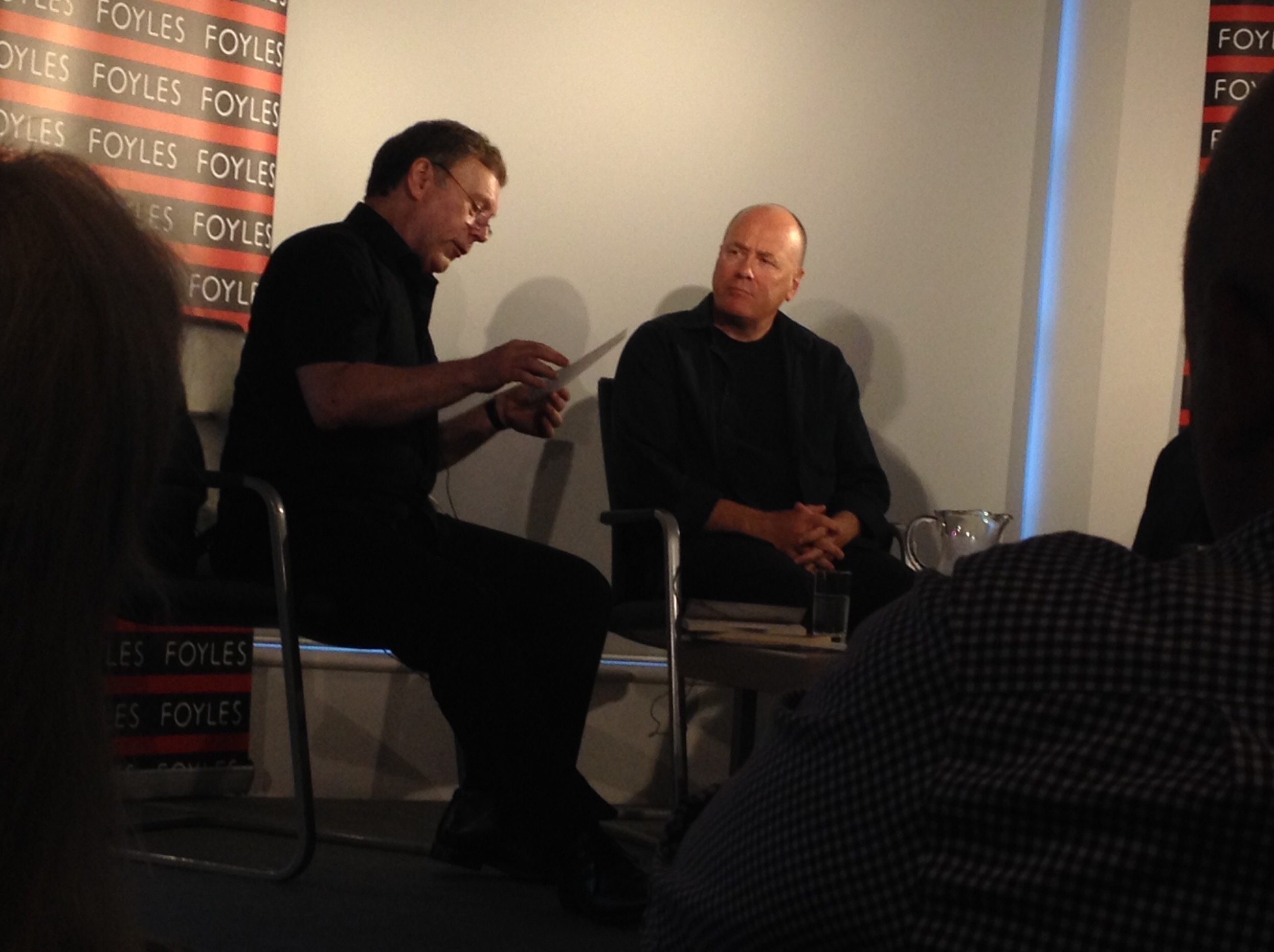
Update: well it was a great evening all round. Here are a couple of pictures:

19756225419_34dafb00cf_o

19942921255_3042d97467_o

For an excellent write-up of the discussion, see Euro Crime’s blog post ‘Nordic Night at Foyles‘.

There’s also a marvellous interview with Arnaldur over at Crime Fiction Lover.