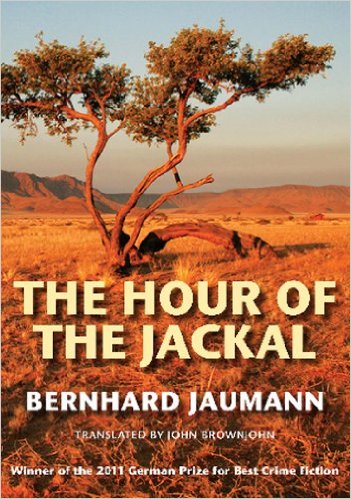
Review of Sarah Ward’s A Deadly Thaw (UK)

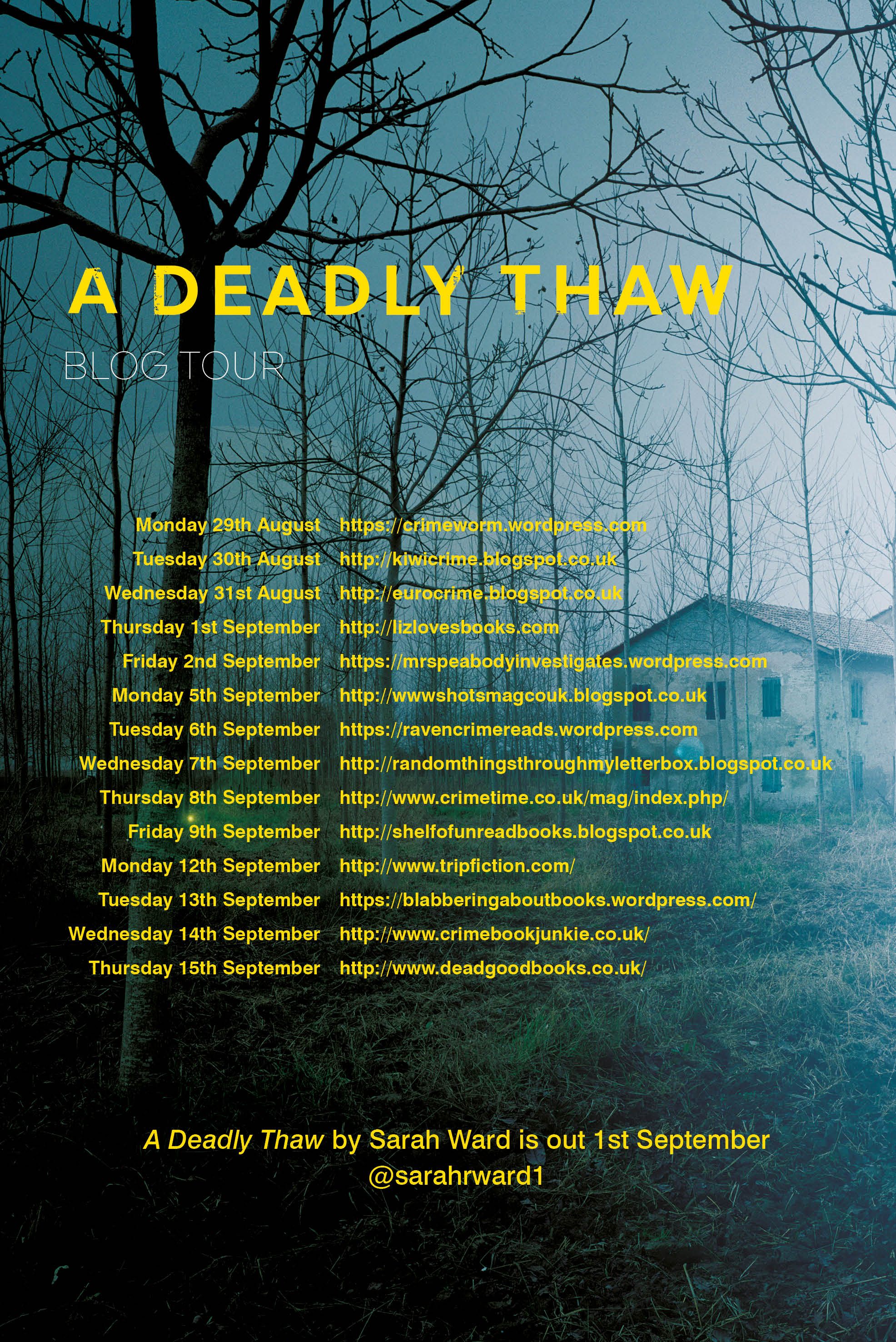
Writing second novels is often difficult, but Sarah Ward makes it look easy. A Deadly Thaw, which was published by Faber & Faber on 1. September, is the sequel to In Bitter Chill, and sees Detective Inspector Francis Sadler and his team investigating another disturbing and fascinating case…

Deadly Thaw

Here’s the cover blurb to whet your appetite:

‘2004: In Bampton, Derbyshire, Lena Fisher is arrested for suffocating her husband, Andrew.

Spring 2016: A year after Lena’s release from prison, Andrew is found murdered in a disused mortuary.

Who was the man Lena killed twelve years ago and why did she lie about his identity? When Lena disappears, her sister Kat follows a trail of clues….’

Deadly Thaw 2

I was lucky enough to receive an advance copy of A Deadly Thaw, and had a very similar reading experience to In Bitter Chill:  I found the novel nearly impossible to put down and devoured the whole thing in two sittings. I was also struck again by the distinctiveness of Sarah’s authorial voice and her approach to crime writing. I’ve tried to dissect this a little and think it’s the following elements, in combination, that set her works apart for me:

A police procedural with a twist. While strong elements of the police procedural are visible in A Deadly Thaw, a significant portion of the narrative explores events from the perspective of individuals caught up in the case – especially sisters Lena and Kat. I really like this varied focus and the 360-degree view of the case it provides.

Strong, complex female characters. Lena (recently released from prison) and Kat (a therapist) are both extremely well drawn. Like In Bitter Chill’s Rachel, they are complicated individuals shaped by past experiences, and (like most of us) are sometimes flawed and make mistakes. I find myself liking these characters a lot, even when they don’t behave in an obviously likeable way. Policewoman Connie Childs is also given further depth and it’ll be interesting to see where her story goes.

A truly beguiling narrative. I think I’ve figured out why Sarah’s books are so hard to put down: it’s a combination of relatively short chapters with tantalising endings (hat-tip to Dickens) and alternating narrative strands that make the reader desperate to know more. At the same time, A Deadly Thaw is so much more than a simple page-turner. The novel explores substantial themes, such as gender, power and cultures of policing. It’s a stylishly plotted crime novel that’s gripping and thought-provoking in equal measure, and I’m already looking forward to number 3.

Deadly Thaw_blog (1)

Barter Books and Ed McBain’s 87th Precinct series

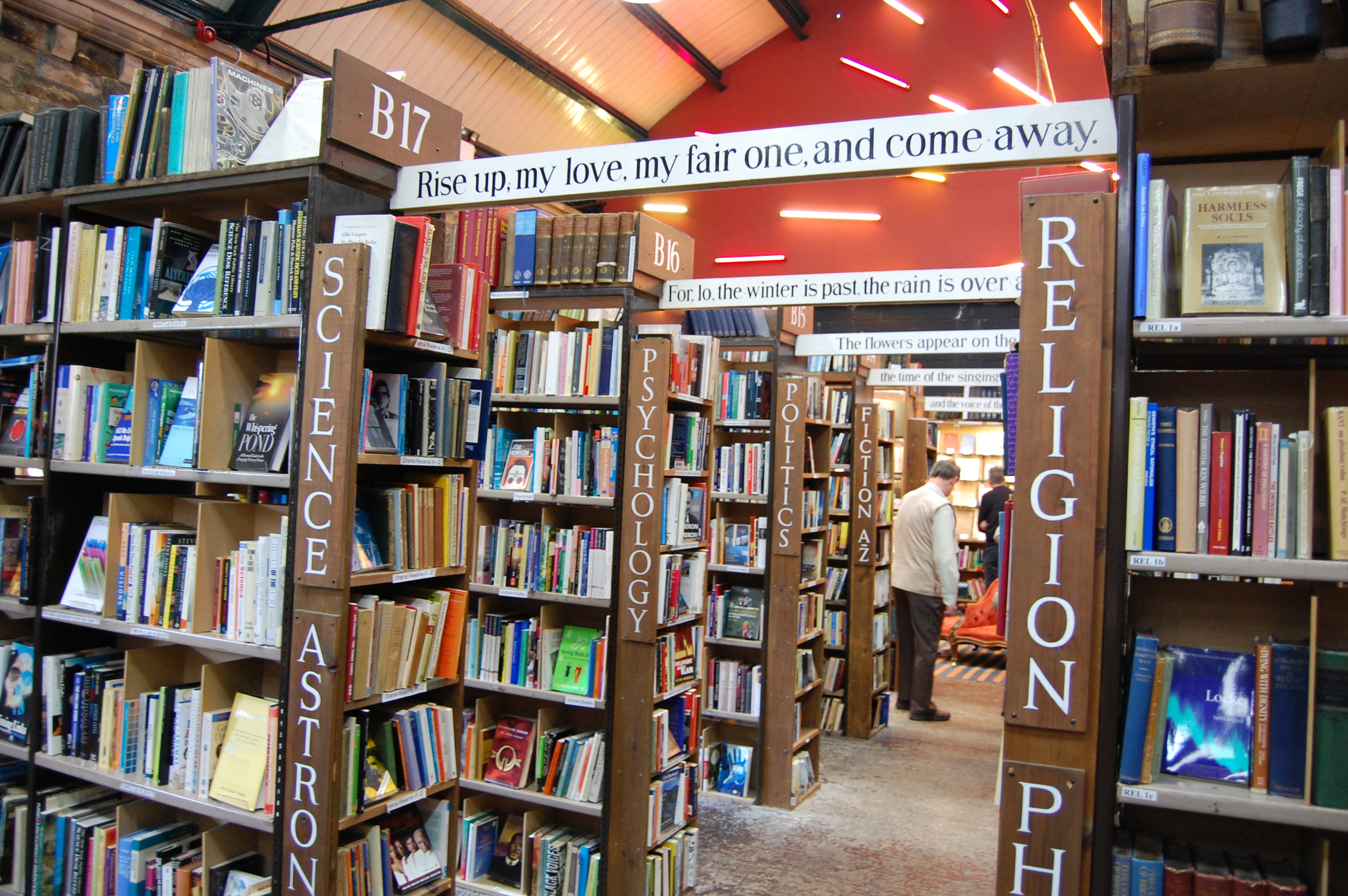
While on holiday we visited an incredible second-hand bookshop in Alnwick, Northumberland, called Barter Books. My friend Harriet had recommended it to me, and I’m so glad she did, as it’s the closest to book heaven I’ve been in years.

Barter Books was set up in 1991 by Mary and Stuart Manley and is housed in Alnwick’s lovely former railway station. It’s a vast, but beautifully personalised space, with hand-painted signs, murals, inspirational quotes and a model railway running on a track above the bookshelves. There are plenty of comfy places to sink down and read, as well as a lovely cafe in the old station buffet. It’s also where the ‘Keep Calm and Carry On’ phenomenon began.

It’s so good to see places like this thriving. Food for the soul! Here are a few photos I took surreptitiously while wandering around (it was a lot busier than it looks, as I didn’t want readers to feel they were being papped):

DSC_1294

DSC_1293

DSC_1296

DSC_1300

DSC_1301

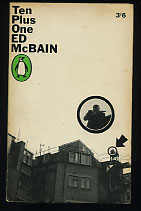
A happy find was an entire section of vintage Penguin crime, including some novels from Ed McBain’s hugely influential ’87th Precinct’ series. I have a real soft spot for these 50+ police procedurals, which were written between 1956 and 2005, and feature a characterful group of detectives solving crimes in Isola (loosely based on Manhatten in New York). I purchased two – Like Love (1962), in which the team suspects a suicide pact is not all it seems, and Ten Plus One (1963), which focuses on a series of sniper murders.

mcbaintenpb

The novels are wonderfully detailed police procedurals, and well ahead of their time in depicting an ethnically diverse set of detectives operating in an often racist society. American-Italian police detective Steve Carella is frequently shown using his Italian language skills when carrying out investigations and is regularly partnered with American-Jewish detective Meyer Meyer. The novels also contain brilliant, hard-hitting subplots or vignettes – such as the fallout from a young woman’s suicide or the brutal police treatment of an innocent suspect.

In a complete change of scene, I’m off to Berlin with Peabody Jnr tomorrow. We’re looking forward to tracking down some film locations, paying homage to Bowie, and visiting some great independent crime bookshops (well me not him…). Bis bald!

Summer musings on Walters (UK), Hykänen (Finland), and the visibility of women in crime fiction awards

After a busy few months, I’m looking forward to 1. writing up reviews of some excellent crime novels and 2. getting down to some quality summer reading.

A fairly random start: two very different novels I’ve recently enjoyed, and some musings on the visibility of women on crime fiction award longlists/shortlists.

Minette Walters

Minette Walters, Disordered Minds (Pan Macmillan 2003). I picked up this plump psychological crime novel at Oxfam Books, and it turned out to be a perfect summer read. Two amateur detectives – Jonathan Hughes, a social anthropologist with a chip on his shoulder, and George Gardener, a middle-aged local councillor, find themselves drawn into investigating a contested old case, the murder of Grace Jeffries in 1970. Her grandson Harold was convicted of the crime, but new evidence suggests that the original investigation may have been botched.

I’ve not read anything by Walters before – a bit of an omission on my part – and am now keen to read more. Her approach to dissecting criminality reminded me of PD James and Ruth Rendell, particularly in its focus on British attitudes to race and class. A satisfying read with some lovely characterisation and interesting socio-political commentary (it’s set against the backdrop of the Iraq war in 2003), but with a slightly over-convoluted ending.

Nykanen

Harri Nykänen, Behind God’s Back, trans. from Finnish by Kristian London (Bitter Lemon Press, 2015 [2009]). This novel is the second in the ‘Ariel Kafka’ series (I reviewed the first here back in 2012). Aside from its Finnish setting, the most distinctive aspect of this series is its lead investigator, who is one of only two Jewish policemen in Helsinki. He views the world with a typically wry Jewish humour and allows readers to gain an insight into Helsinki’s small Jewish community, with which he has a slightly strained relationship as he’s not exactly a ‘model Jewish citizen’ – non-observant and stubbornly single.

The novel opens with the murder of a Jewish businessman. Kafka is tasked with figuring out whether the murder is racially motivated, a business deal gone wrong, or something altogether more complex… As was the case with the first novel, the plot got a bit complicated towards the end, but I thoroughly enjoyed Kafka’s irreverent, blokey company, and was very happy to go along for the ride. A superior police procedural.

And so to the subject of crime fiction longlists and shortlists.

Gold

My last post included the CWA International Dagger longlist, which I was disappointed to see included no works by women authors. Here it is again:

Title Author Translated by Publisher
The Truth and Other Lies Sascha Arango Imogen Taylor Simon & Schuster
The Great Swindle Pierre Lemaître Frank Wynne MacLehose Press
Icarus Deon Meyer K L Seegers Hodder & Stoughton
The Sword of Justice Leif G.W. Persson Neil Smith Doubleday
The Murderer in Ruins Cay Rademacher Peter Millar Arcadia
The Father Anton Svensson Elizabeth Clark Wessel Sphere
The Voices Beyond Johan Theorin Marlaine Delargy Transworld
Six Four Hideo Yokoyama Jonathan Lloyd-Davis Quercus

I started thinking about how this all-male longlist might have come about. Here are some possibilities, some of which are valid, some not. The answer probably comprises a few of these factors in combination.

  • No works by women authors were submitted for the award. Not the case: the list of novels submitted for this year’s International Dagger is available at http://cwadaggers.co.uk/cwa-international-dagger/. It shows that there were 45 works submitted, of which 13 were authored or co-authored by a woman. If my maths is right, that’s nearly 30%.
  • Fewer works by women were submitted, so the chances of these reaching the longlist were accordingly smaller. That’s definitely the case, given the 70% (male), 30% (female) split. And this kind of ratio seems to be typical. Translator Katy Derbyshire, writing in The Guardian, recently identified a twofold negative trend in relation to international fiction. Firstly, fewer women authors are published in their home markets; secondly, fewer still are selected by English-language publishers for translation. This means that works by international women authors in English are ‘a minority in a minority’. Their chances of winning prestigious literary prizes are thus pretty low.
  • However, even given those factors, the law of averages would still suggest 2 or 3 works by women could have made the International Dagger longlist. There were certainly some strong contenders on the submission list, such as Karin Fossum’s The Drowned Boy (Harvill Secker), Kati Hiekkapelto’s The Defenceless (Orenda) and Claudia Pinero’s Betty Boo (Bitter Lemon Press). Why didn’t they make the cut?
  • At this point we have to acknowledge that judging is a subjective process involving a number of factors and evaluations. So it may simply be coincidence that the longlist ended up being male-dominated (their novels happened to be the best this time round). Equally, however, there may be unconscious biases that drew the judges towards that particular set of novels. These *may* include a gender bias, but could also include others, such as a preference for a particular type of crime fiction (psychological, police procedural, thriller, whatever), or for crime set in a particular country (Sweden, Japan, South Africa)…

A swift look at some other recent longlists/shortlists shows the following: 

  • The 2016 CWA Goldsboro Gold Dagger features three women authors on its longlist of eight (37%).
  • The 2016 Ngaio Marsh Award for Best Crime Novel (announced today!) features three women authors on its longlist of nine (33%).
  • The 2016 Petrona Award (for which I’m a judge) featured two women authors on its shortlist of six (33%). Our submission list had a worse male/female ratio to the International Dagger this year – 8 works by women authors on a submission list of 42 (19%).
  • The 2016 Man Booker International featured two female authors on its shortlist of six (33%). It was won by Han Kang – a woman author – for The Vegetarian.
  • A significant exception is the 2016 Theakstons Old Peculier Crime Novel of the Year, which features eleven women authors on its longlist of eighteen (61%). This award has also been won by women for the last four years (Denise Mina twice, Belinda Bauer and Sarah Hilary).

Makes you think, doesn’t it?

All the above has made me scrutinise my own reading practices and biases (not always a comfortable process). I’m keeping a list to check my own reading/gender ratio, which I know some other bloggers do as well. It’ll be interesting to compare notes.

Some thought-provoking articles on and around the subject

Katy Derbyshire, ‘Translated fiction by women must stop being a minority in a minority’The Guardian, 10 March 2016

Hannah Ellis Peterson, ‘Male writers continue to dominate literary criticism, Vida study finds’, The Guardian, 7 April 2015 (particularly interesting contribution by Rob Spillman on tackling systemic problems)

VIDA, ‘The 2015 VIDA Count’, 30 March 2016. VIDA (Women in Literary Arts) is a US-based organisation that scrutinizes the representation of women in the sector (looking at interesting stats like the proportion of women reviewers on magazines).

the-reader-young-woman-reading-a-book-1876.jpg!Large

Renoir’s The Reader

THIN ICE extract & Quentin Bates interview: Gunna, Iceland and Trapped

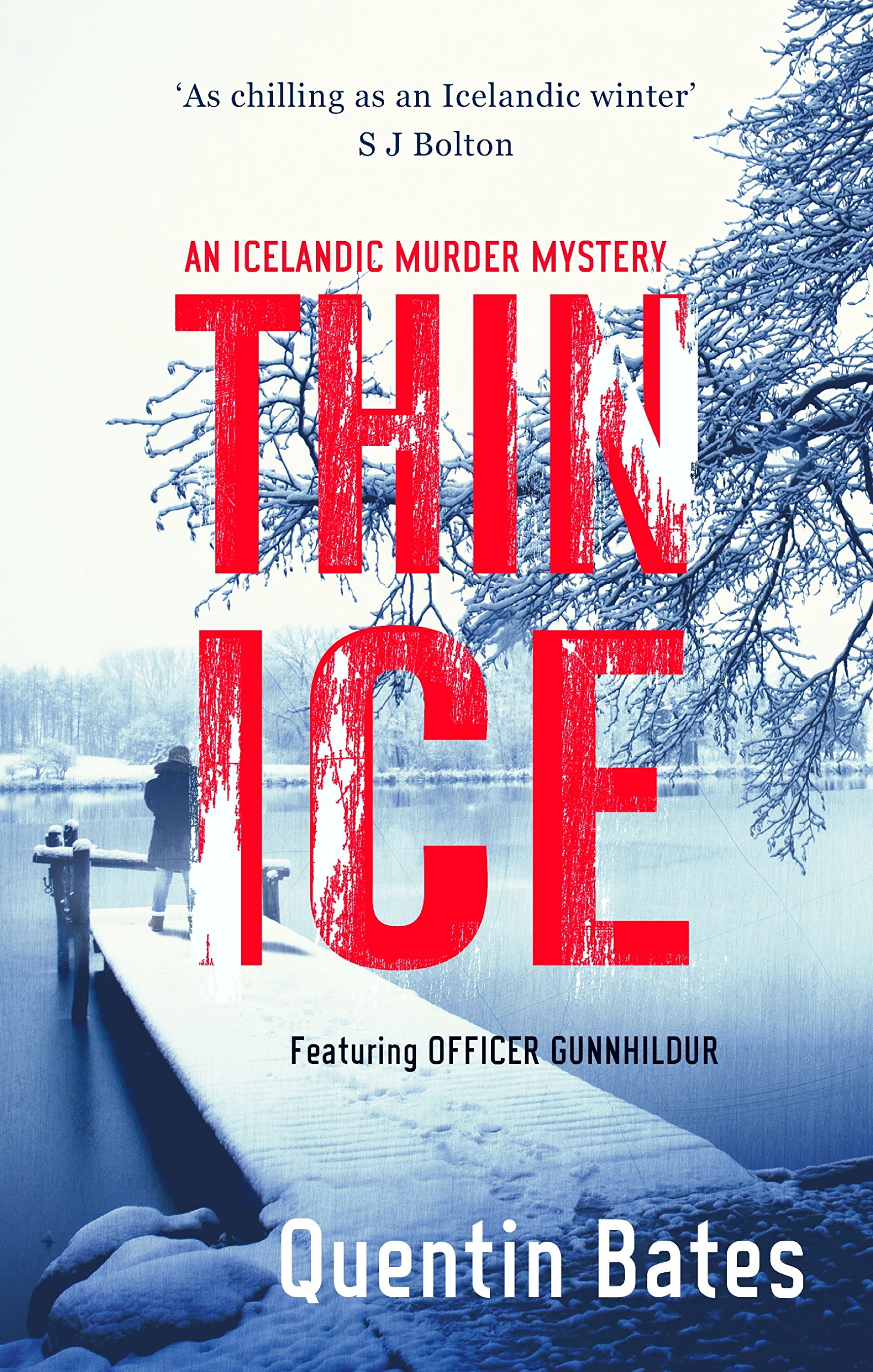
I’m delighted to welcome crime author Quentin Bates to the blog. Thin Ice, his latest novel, has just been published by Constable and features one of my all-time favourite investigators, Icelandic police officer Gunnhildur ‘Gunna’ Gísladóttir. Below, Quentin answers questions about writing the character of Gunna, the kind of Iceland he tries to depict, and the recent Icelandic crime drama Trapped. But first, here’s an exclusive extract from Thin Ice

Thin Ice

The little boy’s eyes were wide with a mixture of excitement and trepidation. He swung his legs under the chair that was too high for him while his mother fussed making coffee.

‘Tell the lady what you saw, Nonni,’ she said. ‘It’s all right. You’re not in trouble.’

‘Are you really a policeman?’ he asked and corrected himself. ‘A police lady, I mean?’

‘I am,’ Gunna assured him. ‘I’m a real-life detective.’ 
‘Who solves crimes and catches bad people?’ 
‘Sort of. That’s only part of what I have to do, and most of it isn’t all that exciting.’ 
‘Do you have a gun?’ Nonni asked, eyes wide. 
‘No, we don’t carry guns,’ Gunna said, and his disappointment was immediately visible.
 ‘So what do you do if you meet someone bad who has a gun?’ 
‘I don’t know. It hasn’t happened yet. So I don’t know what I’d do,’ Gunna said and picked up the mug of coffee that had appeared in front of her, while Nonni got a glass of squash and a slice of cake, which he bit into.

‘What would you have done if you had seen the man I saw today?’ he asked in a serious voice. ‘He had a gun and I saw him shoot it. Would you have been frightened?’

‘I expect so,’ Gunna said. ‘Guns are very dangerous things. Were you frightened, Nonni?’

He thought as he chewed his cake and washed it down with squash.

‘I wasn’t at the time, but I was afterwards,’ he decided. ‘But he didn’t see us, so we were all right.’

Snowflake

Mrs P: Quentin, you’re in the unusual position as a British author of having lived in Iceland for many years. How has that experience – together with your ongoing links to the country – shaped your ‘Icelandic Murder Mystery’ series and Thin Ice?

Quentin: To begin with I shied away from the idea of using Iceland as a backdrop when I started toying with the idea of fiction. There were a few false starts, until it dawned on me that it would be plain daft not to use all that knowledge, insight and experience, so that’s when Frozen Out started to take shape. Being familiar with the language gives you a huge advantage in being able to understand the intricacies of Iceland’s internecine politics and much of the subtext to what goes on that an outsider simply wouldn’t be aware of, as well as being able to laugh at all the otherwise incomprehensible jokes.

Nightblind 2

Author Quentin Bates aka Graskeggur (grey beard)

Quentin: I was in Iceland a lot in 2008. First in January and it was business as usual, then two visits in the spring and summer when it was becoming clear that something was up. Nobody wanted to say much out loud, but everyone knew something was seriously wrong. It was common knowledge that the banks’ coffers were empty, but this wasn’t reported anywhere. Everyone knew something momentous was about to happen, but nobody had a real idea of when or how hard it would hit. Then I was there in that week in the autumn when the first of the three banks went belly-up. It was painful and fascinating. People were genuinely frightened, and also deeply confused with no idea what was going to happen to their jobs, homes, etc. The aftermath hurt and it was painful to see friends and relatives lose jobs and homes.

I couldn’t not use it. I was working on Frozen Out at the time and re-wrote a lot of it so it coincided with that truly unnerving couple of weeks when all the cards had been thrown in the air and nobody knew anything.

Icelandic bank crisis

One of the three Icelandic banks that collapsed in 2008

Mrs P: Which particular aspects of Icelandic society have you been keen to share with English-language readers via your crime writing?

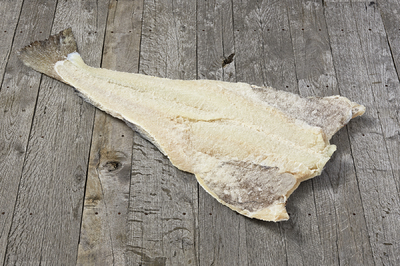
Quentin: Let’s say I prefer to avoid the clichés, the stuff the tourists see. Very little of my stuff seems to be set in Reykjavík 101, the central district where all the hotels, bars and whatnot are, which is hipster central these days, lots of manbuns and frothy coffee. I’m happier with the outlying parts of the city and the surrounding towns that are so different to what many visitors see. I can’t avoid mentioning some of the bizarre foodstuffs… all of which I prefer to keep well clear of.
Salted fish

Salted fish (we have chosen not to show fermented shark or sheep’s head on this occasion)

Quentin: What I really like to try and work in there is the quiet, subtle humour of the older generation of Icelanders that has its roots in a time when Iceland was a very different place. It’s a humour so bone-dry that it’s easy to miss it, and it can fly right over your head if you’re not watching out for it.

Mrs P: Icelandic police series by authors such as Arnaldur Indriðason and Ragnar Jónasson feature male detectives. What made you decide to create a female police investigator?

Quentin: I didn’t set out to create a female investigator. She just appeared. Originally Gunnhildur was the sidekick to a fairly dull male main character who just didn’t click. He was so forgettable that I can’t even remember what name I gave that ill-thought out character back in that very first draft of Frozen Out. He was quite quickly jettisoned once it had occurred to me that the sidekick was the more interesting character, and she did demand attention.

To my surprise, I didn’t find it especially difficult to write a female character. People seem to like her and say she’s realistic, but I think I’m too close to her to be able to judge. I’m sure it would have been much harder to get to grips with a much younger prominent character of either sex – I feel the gender gap was easier to bridge than a significant age gap would have been.

Hinrika by redscharlach

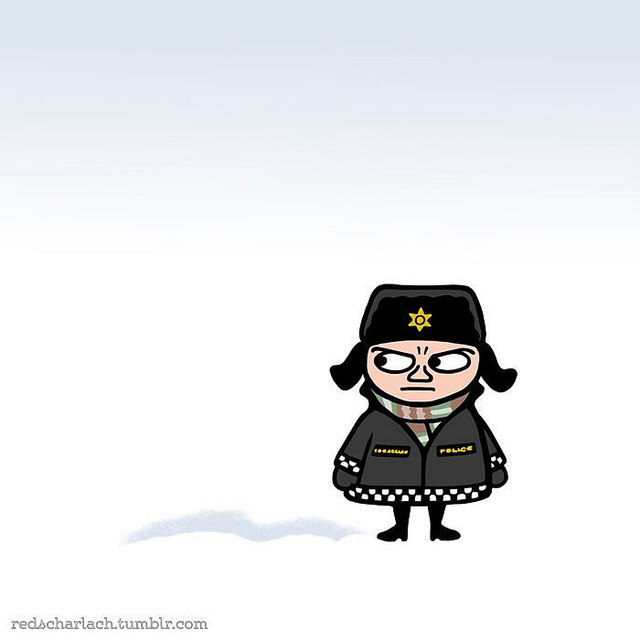
This wonderful drawing by @redscharlach is of Hinrika in Trapped, but she really reminds Mrs P of Gunna as well

Mrs P: Tell us a little about the way you depict Officer Gunnhildur in the series.

Quentin: Initially she was supposed to be older, in her mid-forties in Frozen Out and about five years older than that today. But the publisher wasn’t happy and wanted a character with a career ahead of her rather than someone with an eye on retirement – preferably much younger. Eventually we compromised and she was transformed into a more youthful but still mature character, which meant reorganising her family circumstances, making her children younger etc. – essentially re-working the entire back story.

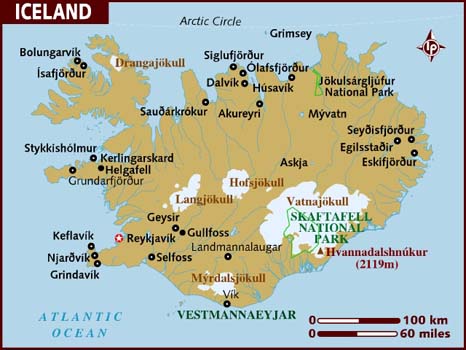
Gunnhildur is a character who is definitely not from Reykjavík, and she was deliberately given roots in a coastal region in the west so she can have something of an outsider’s point of view. That’s why she and Helgi connect so well, as he’s also from a rural background in the north and they share a similar background as immigrants to Reykjavík, while Eiríkur is a city boy with little in common with his two middle-aged (or ancient, as he would see them) colleagues.

Gunnhildur’s boyfriend (if I can call him that) was a late addition. It was made clear with the original draft of Frozen Out that a little love interest would be desirable, so I introduced Steini, not expecting him to stay for long. But he’s still there and has become a surprisingly important character, even though he doesn’t appear all that frequently. Maybe it’s time to involve him in some nefarious crime…
Iceland map

Gunna hails from the west of Iceland

Mrs P: Have your crime novels appeared in Iceland (either in Icelandic or in English)? If yes, what kind of reception did they have?

Quentin: The books have been for sale in English in bookshops in Iceland, although I don’t know how many have been sold there and I’m not aware of any feedback from Iceland. They haven’t been translated into Icelandic and I don’t seriously expect they will be.

The problem is that so many Icelanders speak English that they tend to snap up stuff in English. I know of several big sellers in English whose Icelandic publishers gave up on them for just that reason – people wouldn’t wait six months for an translation to appear. It’s almost the opposite of the situation 20-30 years ago when Nordic languages were more prevalent. In that distant age before cable TV and the internet, fewer people spoke English readily and there were more books translated from English and fewer from Nordic languages, presumably because more people would read those in the original. Now only guaranteed top-sellers make it into translation from English and there seem to be more Danish, Swedish and Norwegian books translated into Icelandic.

What I’d really like to see is one of the Gunna novels filmed in an Icelandic production, but that’s an even longer shot than getting a translation.

IMG_4852

Reykjavik is packed with funky bookshops

Mrs P: You’re the translator of Ragnar Jónasson’s crime series (Orenda Books). Has the process of translating his works had any impact – positive or negative – on your own crime writing or the way that you approach writing your own novels?

Quentin: Ragnar’s stuff is very different from mine, so I’m not aware of any particular influence there. One of the keys to being able to translate competently is familiarity with the culture and background as much as the language itself, so I guess that having written my own crime fiction also means that I have something of a criminal vocabulary ready to use. But writing and translation are very different. Translation calls for some of the same skills as writing fiction – a different set of tools from the same toolbox – as well as the discipline not to be tempted to tinker with the original, albeit within some rather elastic limits.

The negative impact is that I’m so busy now with translation, with three of Ragnar’s books to deliver this year, that I’m struggling to find time for Gunnhildur and the other things at the back of my mind that I’m itching to get to grips with but daren’t start.
Trapped

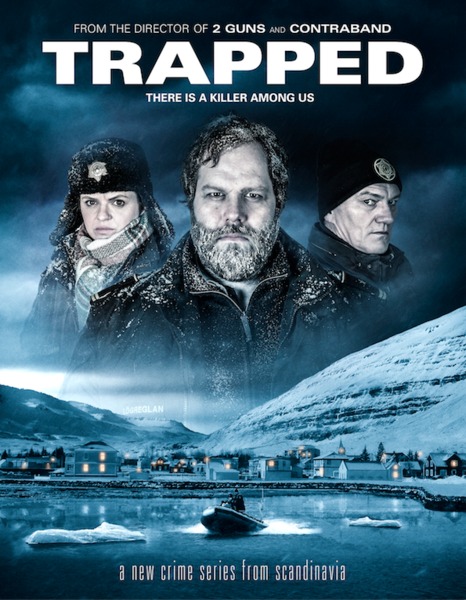
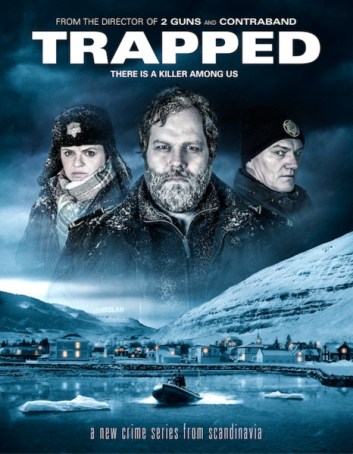
Mrs P: Trapped, a gripping Icelandic crime drama, has just finished airing in the prestigious BBC4 Saturday-night crime slot. Do you think it will significantly help to raise the profile of crime fiction set in Iceland? And how was it received in Iceland itself?

Quentin: I would imagine that Trapped should lift the profile of Icelandic crime fiction tremendously and can only hope it does for Iceland what The Killing and The Bridge have done for Sweden and Denmark – not just raising the profile of crime fiction but awareness about those countries and their cultures in a more general way. It’s something that ought to give us all a boost.

I’m not entirely sure how Trapped was received in Iceland, as I’ve been getting some mixed messages. On the other hand, it got good viewing figures with something like 60% of households watching it (also good ratings in France and Norway) and I’d hazard a guess that a lot of people who said they weren’t all that bothered about it actually spent those evenings glued to the box.

There have been a few disparaging comments about it being unrealistic. But come on – this is a crime drama. Of course it’s never going to be entirely realistic and there’s no getting away from a certain suspension of belief that has to take place to make the story work.
 But the snow scenes were very reminiscent of the winters I spent in the north of Iceland, not all that far from where some of Trapped was filmed. My feeling is that Trapped is a far more accurate representation of coastal Iceland than Midsomer Murders is of rural Hampshire, but I get the feeling that Icelanders watched it in much the same way that we watch Inspector Barnaby at work.

Iceland Noir

Mrs. Peabody attended Iceland Noir in 2014 and can thoroughly recommend

Mrs P: You’re one of the founder members of Iceland Noir. How has the convention developed since it started in 2013? And are there new directions that you’d like to take it in future?

Quentin: Iceland Noir started in 2013 on a wing and a prayer as a one-day free event as we pulled in favours here and there to get it off the ground. That was fine for a one-off, but we quickly realised we couldn’t keep it free, so now we charge the lowest festival pass fee that we can.

The second Iceland Noir was bigger and better, and stretched to two days. The third one is planned to be two and a half days, mostly because of the level of interest in it, but that also means more organisation. So the original trio has been added to, with Lilja Sigurðardóttir joining us in ’14 and Grant Nicol this year. So now we have five pairs of hands instead of just three.

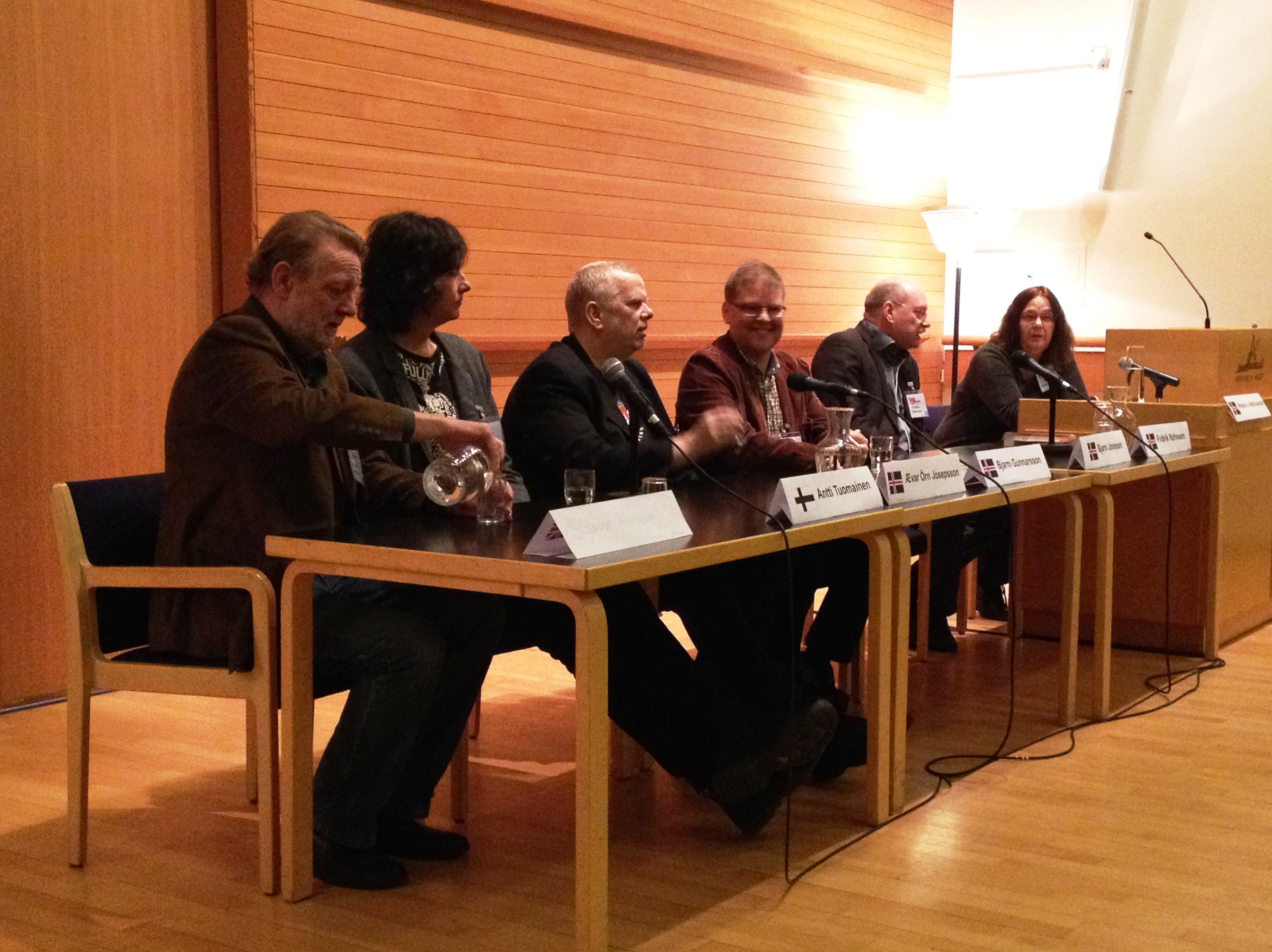
IMG_4733

A panel from Iceland Noir 2014

My feeling is that we should keep it at two to three days. Any longer than that is likely to be too much of a good thing. I’m also very much in favour of keeping it as a fairly informal, low-cost, non-profit enterprise. So far we’ve been satisfied if we’ve all had a good time with a bunch of criminally-minded people and not lost any money, so I’ll be happy if it stays that way. But the amount of time and effort involved means that holding it every year is possibly going to be too much, so like last year (when we lent the November date to Shetland for their excellent festival), we’d like to continue with Iceland Noir every second year and to lend the slot to some other suitable location in the off years. Shetland was 2015, and it looks very much like Hull will be 2017, as that’s a European City of Culture that year, and that will fit nicely for us to be back in Reykjavík in 2018.

This year we have an outstanding line-up of female crime writers as headliners. But I’d really like Iceland Noir to be the place where you can also see tomorrow’s interesting and exciting talent, not least because it’s so damn hard as a debut novelist to get any attention and there’s so much good stuff that deserves it. This year we have some truly excellent new writers taking part. Reykjavík was where you saw them first and that’s something I’d like to continue.

Many thanks, Quentin! 

Catch some other stops on the Thin Ice blog tour here:
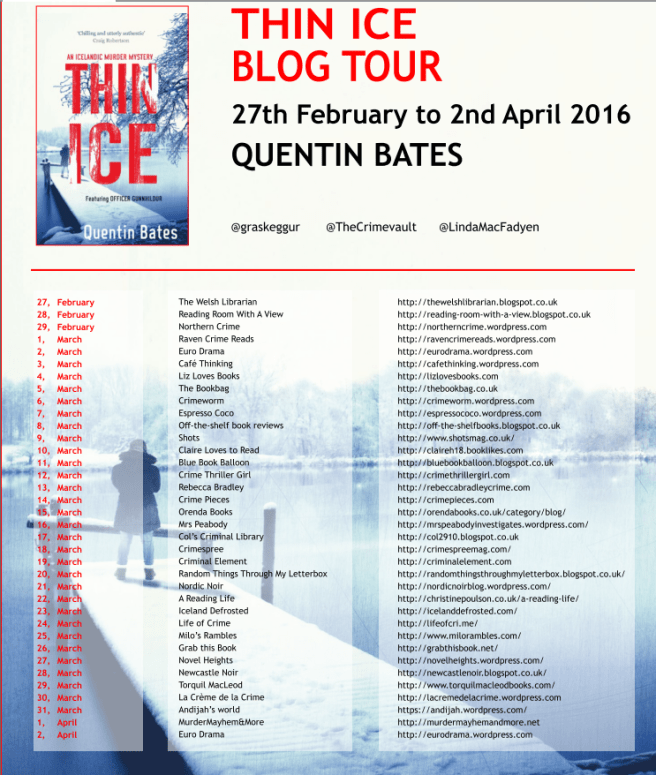
Thinice

Happy Valley Series 2, Arctic thrills (Nesbo & McGrath)…and going green

My day is made: I’ve just heard the news that the second series of Happy Valley begins on BBC 1 next Tuesday, 9 February at 9pm.

Happy Valley 1

The first series of Happy Valley was one of the best TV crime dramas I’ve ever seen, with a wonderful lead, Police Sergeant Catherine Cawood (Sarah Lancashire), and a storyline that was gripping and moving in equal measure. The script by acclaimed screenwriter Sally Wainwright was top-notch, celebrating female strength and endurance while exploring tough themes such as grief, gender and power, and the consequences of greed.

Series 2 picks up the story eighteen months after the end of series 1. Tommy Lee Royce is still safely locked up in prison, but continues to cast a shadow over Cawood’s life as she attempts to get on with raising her grandson and doing her job. Episode 1 starts off with a mild case of West Yorkshire sheep rustling, but things soon take a more serious turn… There are six episodes in total.

Here’s the trailer to whet your appetite and a great Guardian piece on the show (‘What makes Happy Valley TV’s most realistic police drama?’):

Other TV dramas I’m enjoying at the moment include Channel 4’s Deutschland 83 (which I’ll blog on more fully at the end of the series) and Vera, which has just started over on ITV. I’ve had to consciously pull myself back to some reading, not least as the Petrona Award judges will be meeting soon to shortlist for this year’s prize.

Midnight Sun

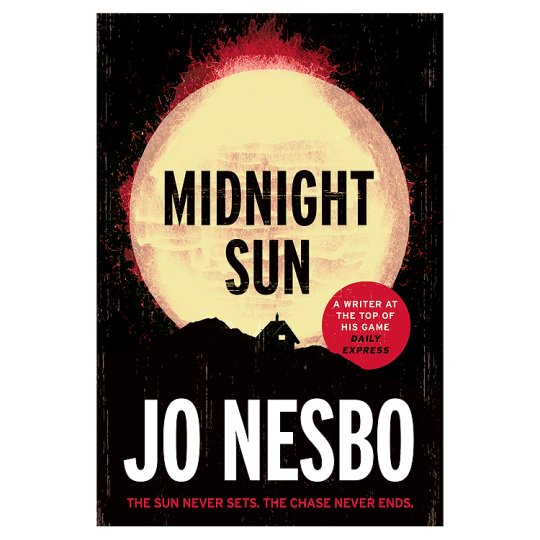
One of the submissions is Jo Nesbø’s Midnight Sun, expertly translated from the Norwegian by Neil Smith (Harvill Secker, 2015). I confess that I’ve sometimes struggled with Nesbø’s novels. While I like some of the ‘Harry Hole’ series, such The Redbreast (2006), and always initially enjoy the writing, I’ve put more than one of the novels aside when the violence becomes too eye-watering. Midnight Sun stayed within acceptable boundaries for me on that score, and as a result, I really enjoyed this tale of a young man on the run from Oslo’s nastiest underworld boss. Jon’s escape route leads him to Kåsund, a small (possibly fictitious) settlement near Alta in the Finnmark region of northern Norway, which lies in the Arctic Circle (close to Tromsø on the map below). Here, this city dweller has to deal with northerly solitude, the disorientating midnight sun, his Sami and Laestadian neighbours, and the threat of being found. The novel’s characterisation is rich, the geographical and cultural settings are intriguing, and the plot unfolds in a leisurely fashion, allowing Jon’s relationship with a young woman and her son from the nearby Laestadian religious community to grow at a natural pace. The novel also features the most original fugitive hiding place I’ve seen in a long time.

Another novel with a similar setting, which features the Norwegian Reindeer Police, is Olivier Truc’s Forty Days without Shadow see my earlier review here.

Arctic Circle

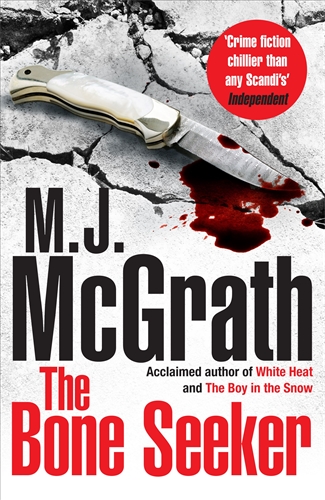
I’ve also just started M.J. McGrath’s third ‘Edie Kiglatuk’ novel, The Bone Seeker (Pan, 2015). I’m delighted to be back in Edie’s world as I love her company, and one of the series’ big strengths is the detail it gives about Inuit life on Umingmak Nuna (Ellesmere Island, in green on the left of the map) up in the High Arctic. The history, geography and culture of the region all fascinate me, bearing out Karen’s comments in the previous post about enriching the reading experiences of far-away audiences.

The novel opens with the disappearance of young Inuit Martha Salliaq, one of the students Edie has been teaching at a school in Kuujuaq. When a body is discovered in a polluted lake near a decommissioned radar station, a complex investigation begins… Like Nesbo’s novel, The Bone Seeker is set during the arctic summer in seemingly eternal daylight, and I’m very much looking forward to reading more. It’s beautifully written and a genuine crime fiction treat.

Bone Seeker

Finally, some of you may have noticed that this blog has turned a little green. The new design and colour scheme celebrate the fact that Crime Fiction in German has gone to press! The blog banner is taken from the marvellous cover by the University of Wales Press. Watch this space for further news about the publication date and launch.

🙂

CFIG

Smörgåsbord: Bartram’s Headline Murder, Lauppe-Dunbar’s Dark Mermaids and Ellin’s Speciality of the House

My reading since New Year has been very eclectic. As a result, there’s no neat way for me to link the following novels: they’re a tasty smörgåsbord of different crime writing styles, subjects and approaches.

Bartram

First up is Peter Bartram’s delightful Brighton cosy Headline Murder (Roundfire Books, 2015). Set in 1962, it follows journalist-sleuth Colin Crampton as he investigates the sudden disappearance of Krazy Kat miniature-golf-course owner Arnold Trumper. As one would expect from this pre-internet setting, the investigation involves lots of hands-on detective work, which simultaneously provides an intriguing insight into a 1960s journalist’s life (complete with amusing rivalry between the Brighton Evening Chronicle and the Brighton Evening Argus). While it took a couple of chapters to get into its stride, I found the novel a highly enjoyable and well-crafted read, with a host of engaging characters. It’s a very good choice if you need a break from the darker recesses of noir or the modern world. Favourite line: ‘Ten minutes later I was in the Evening Chronicle‘s morgue with a large bag of jam doughnuts’.

The novel is the first in the ‘Crampton of the Chronicle’ series, and there are some free short stories available too. ‘Colin’ has a nice website that’s worth a visit (and hats off to author Peter Bartram – who has a background in journalism – for this very neat bit of marketing).Laupe Dunbar

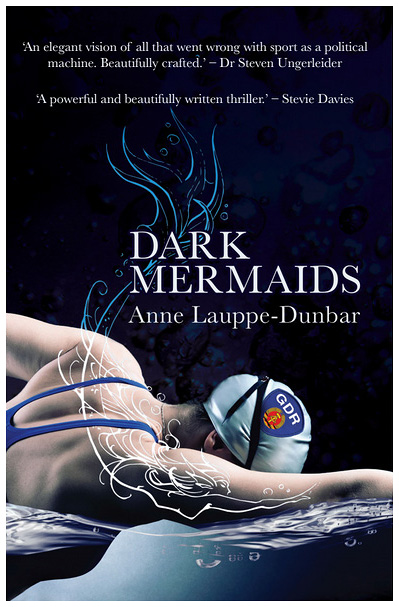
Anne Lauppe-Dunbar’s Dark Mermaids (Seren, 2015) is an absorbing debut that’s tricky to categorise: a literary-historical crime novel, perhaps. Set at an intriguing moment in German history – 1990, just a year after the fall of the Berlin Wall – it shows national and individual identities in flux, and the full extent of Stasi (East German secret police) activity beginning to emerge. However, its central focus is the GDR’s shameful use of steroids on young swimmers and the after-effects of that state-sanctioned abuse (here’s a BBC article with a good overview of the scandal). I very much liked the novel’s sensitive depiction of emotionally damaged police officer Sophia Künstler, and how it explores the political complexities of East German everyday life.

Anne is a lecturer in creative writing at Swansea University, and was partly inspired to write the novel by her German family roots.

Ellin

Stanley Ellin’s The Speciality of the House (Orion, 2002), is part of Orion’s wonderful ‘crime masterworks’ series. A collection of the renowned New York author’s mystery tales from 1948 to 1978, it presents a deliciously dark vision of society. I’m not always a fan of the short story form, but Ellin is a brilliant writer with a gift for criminal invention. His murderers are often outwardly respectable citizens trying to solve financial problems or to climb the social ladder, and there’s a wicked sense of humour at play.

The subject of marriage also gets wry treatment, as this wonderful opening from ‘The Orderly World of Mr Appleby’ (1950) demonstrates: ‘Mr Appleby was a small prim man who wore rimless spectacles, parted his graying hair in the middle, and took sober pleasure in pointing out that there was no room in the properly organized life for the operations of Chance. Consequently, when he decided that the time had come to investigate the most efficient methods for disposing of his wife, he knew where to look’.

I found Speciality by chance while browsing in Swansea’s Oxfam Books – testimony to the pleasures of browsing and finding something completely unexpected, as opposed to being steered towards a predictable set of books by an online retailer’s algorithm…

Jingle bells! Mrs. Peabody’s 2015 Christmas recommendations

Xmas tree

Bookish Christmas cheer! Source: en.webfail.com

Wondering what to get the crime lover in your life for Christmas? Here are Mrs. Peabody’s 2015 recommendations to help you out. As ever, they’re based on my own top reading and viewing experiences throughout the year and are designed to appeal to readers with all manner of criminal tastes. Available from a wonderful independent bookshop near you!

The Truth and other lies

Sascha Arango, The Truth and Other Lies (GERMANY: trans. Imogen Taylor, Simon and Schuster 2015). For lovers of Patricia Highsmith with a contemporary twist. The central protagonist of this standalone crime novel is the novelist Henry Hayden, whose highly successful life begins to unravel when he makes a fatal error one night. Hayden is a darkly comic creation whose story – involving a talented wife, a demanding mistress and a floundering police team – is witty and entertaining. The author is a well-known screenwriter for the German crime series Tatort (Crime Scene) and you can read a bit more about his debut novel here.

Cost

Roberto Costantini, The Deliverance of Evil (ITALY: trans. N. S. Thompson, Quercus, 2014). For lovers of complex crime fiction with strong historical, political and social themes. The first in the Balistreri Trilogy will keep its lucky recipient quiet for hours: a six-hundred page epic that spans twenty-five years of Italian history and tackles weighty issues such as religion, class and the legacy of Italian fascism, this novel is also a gripping murder mystery with an intriguing, morally flawed investigator – Commissario Michele Balistreri. Mrs. Peabody’s full review is available here.

long-way-home-pbk

Eva Dolan, A Long Way Home (UK: Vintage, 2014). For lovers of fabulously well-written social crime novels. This police procedural explores migrant experiences in the UK in a timely and sobering way. Its main investigative protagonists, Detectives Zigic and Ferreira of the Peterborough Hate Crimes Unit – with Serbian and Portuguese heritage respectively – are both extremely well drawn, and the story, which starts with the discovery of a body in a burned-out garden shed, is gripping and believable. The second in the series, Tell No Tales, has also just been published…

Horst

Jørn Lier Horst, The Caveman (NORWAY: trans. Anne Bruce, Sandstone Press 2015). For lovers of top quality Scandinavian police procedurals. The fourth in the Norwegian ‘William Wisting’ series begins with the discovery of a four-month-old corpse in an armchair just down the road from the policeman’s own home. While Wisting investigates, his journalist daughter Line uses the case to ask some serious questions about society. Neither, however, are remotely prepared for where the case will eventually lead them. Elegantly written and completely gripping, this is Scandi crime at its best (and in my view it doesn’t matter where readers dive into the series). Mrs. Peabody’s interview with the author, a former police chief, is available here.

16493725653_5dc547c089_z

Val McDermid, Forensics: The Anatomy of Crime (UK: Profile Books, 2015). For those interested in the grittier, scientific side of criminal investigations. Not to be read directly before or after Christmas dinner. This fascinating book, written by crime author Val McDermid, accompanied the Wellcome Trust’s exhibition of the same name earlier this year. Taking us from the crime scene to the courtroom, chapters explore entomology (maggots), toxicology (arsenic most foul), fingerprinting, blood splatter/DNA, facial reconstruction and digital forensics. Grim, but genuinely illuminating, the book also pays homage to the investigators who use science to track down criminals and bring them to justice. Every contact leaves a trace!

Where the Shadows Lie

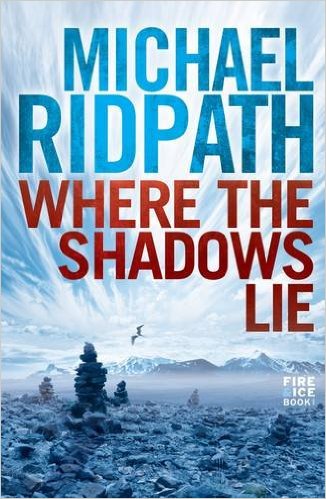
Michael Ridpath, Where the Shadows Lie (UK/ICELAND: Corvus, 2011). For lovers of Icelandic crime and The Lord of the Rings. I’m late to the party as far as the ‘Fire and Ice’ series is concerned. In this opening novel, readers are introduced to Icelandic-born, Boston-raised homicide detective Magnus Jonson, who is seconded to the Reykjavik Police after getting on the wrong side of a drugs cartel in the States. Soon, he’s busy investigating the rather nasty murder of an Icelandic academic, while getting reacquainted with Icelandic culture and society. A highly enjoyable read that doubles as a great introduction to the land of ‘fire and ice’.

Death on demand

Paul Thomas, Death on Demand (NEW ZEALAND: Bitter Lemon Press 2013 [2012]) For lovers of maverick detectives and astute social commentary. Thomas wrote three novels in the ‘Ihaka’ series back in the 1990s. This later installment was published in 2012 and is often described as one of his best (it works well as a standalone, so having read the previous novels is not a requirement in my view). Highlights include the depiction of Maori policeman Tito Ihaka (‘unkempt, overweight, intemperate, unruly, unorthodox and profane’), an absorbing narrative and an insightful dissection of Auckland society. An extract from the opening is available here.

in bitter chill cover

Sarah Ward, In Bitter Chill (UK: Faber, 2015). For lovers of absorbing, quality British crime fiction. This tremendously polished debut is set in Derbyshire and focuses on an unsolved case from January 1978 – the disappearance of two young girls on their way to school. Only one, Rachel, is found and she has no memory of what happened to her friend. Thirty years on, a suicide triggers a review of the case by the local police team and Rachel finds herself being drawn unwillingly back into the past. With a narrative that moves deftly between past and present, this novel is a compelling read with a great sense of place. A full Mrs. Peabody review is available here.

Lovely Way to Burn

Louise Welsh, A Lovely Way to Burn (UK: John Murray, 2014)For lovers of dystopian or apocalyptic crime fiction. The first in the ‘Plague Times’ trilogy depicts a London engulfed by ‘the Sweats’, a pandemic that’s claiming millions of lives. But when Stephanie (Stevie) Flint discovers the body of her boyfriend, Dr. Simon Sharkey, it looks like a case of foul play. Stevie sets out to find out the truth behind Simon’s death and to survive – not necessarily in that order. An enthralling novel with a great heroine (and travelling by Tube will never be the same again). The second novel in the trilogy, Death is a Welcome Guest, is already out and is another fab read.

River DVD

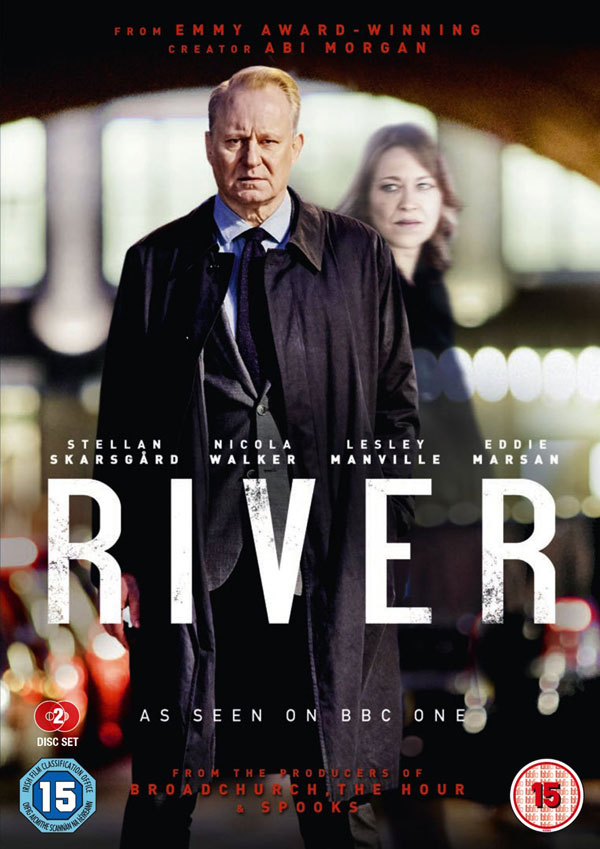
River (UK: BBC/Arrow Films, 2015). For lovers of quirky TV crime series like Life on Mars. This crime drama, which was written by Abi Morgan and recently aired on BBC One, was an absolute standout for me. It seems to have divided audiences a little – not everyone liked or ‘got’ the concept – but those who did were glued to the screen as police detective John River tried to solve the murder of his partner, Jackie ‘Stevie’ Stevenson, while being helped (or hindered) by a number of ‘manifests’ or visions of the dead. This crime series did something truly original: it explored the effects of a serious mental health crisis with compassion, intelligence and wit. The acting by Stellan Skarsgärd, Nicola Walker and the supporting cast was also top class. For a fuller appreciation, see here. And there’s a great interview with Abi Morgan about the experience of writing River here.

And lastly, on my own personal wishlist from Santa:

La isla minima

The film La Isla Minima or Marshland (SPAIN: Altitude, 2015), which has been called a Spanish True Detective and was the winner of ten Goya awards, including Best Director, Best Original Screenplay and Best Film. Here’s the blurb:

‘Spain’s deep-south, 1980. In a small village a serial killer has caused the disappearance of several adolescents. But when two young sisters vanish during an annual festival, their mother forces an investigation that brings two homicide detectives from Madrid to try to solve the mystery. The detectives are ensnared in a web of intrigue fed by the apathy and introverted nature of the locals. Nothing is what it seems in this isolated region and both men realize they must put aside their professional differences if they are to stop the person responsible.’

There’s a Guardian review of the film here.

Wishing you all a very happy festive season!

Scandi Xmas

Source: littlescandinavian.com

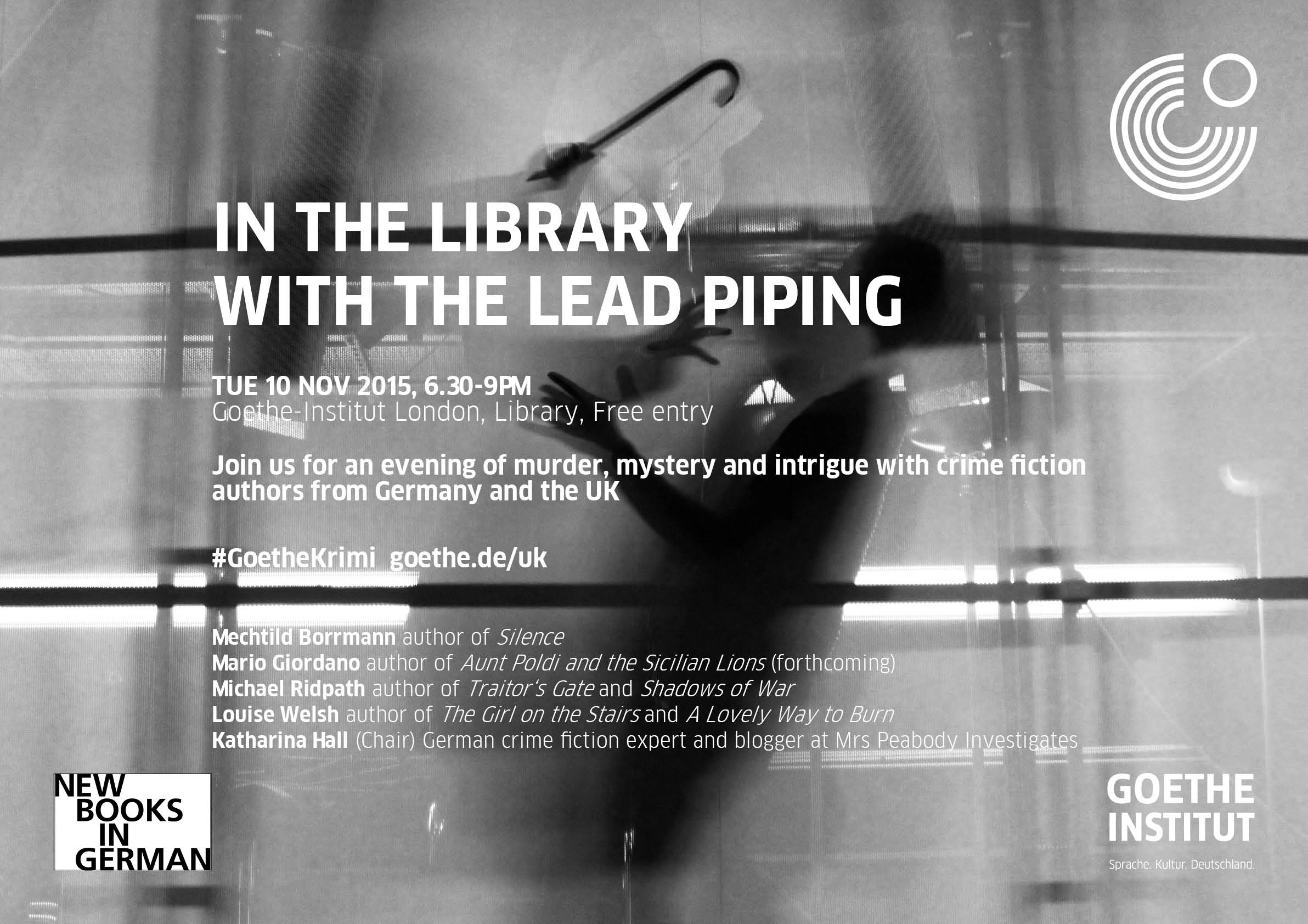
‘In the library with the lead piping’: German crime fiction event at the Goethe Institut London

Excitement is mounting, as ‘In the library with the lead piping’, a fabulous German crime fiction event at the Goethe Institut London, is now only a week away.

#GoetheKrimi

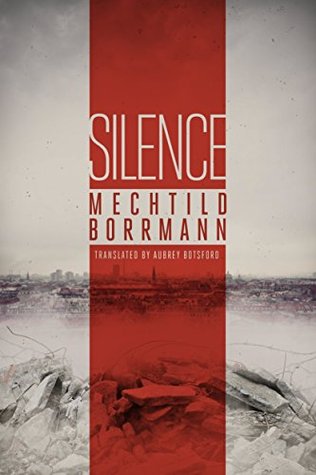
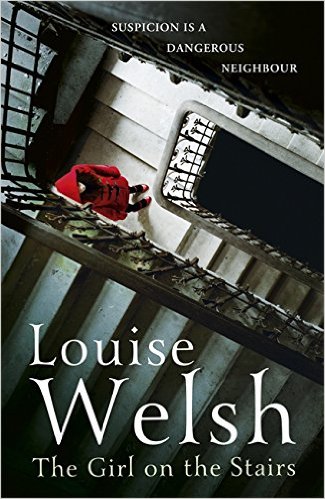
The event features two German authors – Mechtild Borrmann and Mario Giordano – and two British authors – Michael Ridpath and Louise Welsh (who’ve both written crime with a German twist). They will be reading from their works and taking part in a panel discussion (see this earlier post of mine for some author details).

.         Silence  Shadows of war  poldi  Girl Welsh

As chair for the event, I’ve spent the last couple of weeks happily reading my way through the authors’ novels. What’s struck me most, aside from the quality of the works, is their wonderful diversity. Police procedurals, spy novels, psychological thrillers, historical crime novels and comedy crime fiction are all represented, with German settings and themes used in a variety of innovative ways. It’s going to be a fascinating evening!

If you’re in London on Tuesday 10. November and would like to come along, all you need to do grab a ticket via Eventbrite. Entry is FREE.

Further details of the event are available on the Goethe Institut website.

Watch out for some teaser tweets on Twitter. Our hashtag is #GoetheKrimi.

Tasty treats: Sherlock Holmes, Chinese crime, John le Carré and some publishing news

All sorts of interesting bits of crime news have come my way in the last couple of weeks…and are now gathered here for your delectation.

sherlock

A three-volume collection of over 60 new Sherlock Holmes stories appeared on 1st October, edited by David Marcum (MX Publishing). As well as being an absolute feast for Holmes fans, the collection supports a brilliant cause: all royalties will be used to fund preservation projects at Sir Arthur Conan Doyle’s former home, Undershaw. You can read more details of how the Undershaw rescue mission and new collection came about – a heady tale of determined fans, thwarted property developers and support from Mark Gatiss (co-creator of the TV drama Sherlock) – in this Radio Times article.

Thanks to Martin Rosenstock for alerting me to the new Sherlock adventures. Martin is one of the authors featured in the collection, and has also contributed an excellent chapter on Swiss crime fiction to our forthcoming Crime Fiction in German volume. In fact, he opens that chapter with a reference to Sherlock Holmes’ apparent demise at the Reichenbach Falls in Switzerland, creating a rather lovely virtuous circle!

WU-Alum-Qiu-Xiaolong-book-covers-2

Chinese President Xi has been on the receiving end of a charm offensive during his recent visit to the UK, as various deals are sealed including a 25 billion pound nuclear power station at Hinckley Point in Somerset. So I was very interested to see this piece by Bruce Jacobs, entitled ‘Qiu Xiaolong’s Detective Chen novels give clues to unravelling the mysteries of China‘. I read the first in the Chen series, Death of a Red Heroine, a good while ago, and remember liking it, but hadn’t realised that there are now nine in the series. Jacobs shows how the Chen novels give ‘excellent insights into China from the time of Mao Zedong and the Cultural Revolution to the present’, and, as the covers above indicate, explore the interaction of the ‘old’ and ‘new’ Chinas. Thanks to Craig Sisterson for posting this piece on Facebook.

John le C

Regular readers to this blog will know that I am a huge John le Carré fan – you can read my appreciation of his novels here. A major new biography by Adam Sisman has just been published by Bloomsbury, which examines le Carré’s life and his career as a spy and writer in detail. There’s a long piece by Sisman in The Guardian today entitled ‘From cold war spy to angry old man: the politics of John le Carré’, which explores how the author’s political views have become more left-wing over time. Sisman uses a great German term to account for this – Alterszorn (the rage of age) – and provides some excellent insights into a number of le Carré’s novels. Well worth a read.

Untersetzer_100mm_04

‘My emergency plan: A Prosecco to wake up. Then an expresso with a shot. Around eleven, the first beer. And so on in stages’. Yours, Aunt Poldi

And finally, some publishing news generated by the Frankfurt book fair:

  • No Exit Press has acquired The Harbour Master and Night Market by Daniel Pembrey. They are the first and second installments of ‘The Amsterdam Quartet’ featuring police detective Henk van der Pol.
  • Bitter Lemon Press has acquired the English-language rights to the hilarious German crime novel Aunt Poldi and the Sicilian Lions, which will be published in 2016. Author Mario Giordano will be in London on 10th November at the Goethe Institut to talk about the book. It’s a free event – for further details see here.
  • Orenda Books has secured a three-book deal for Michael Stanley’s Detective Kubu Botswana crime novels Deadly Harvest, A Death in the Family and Dying To Live.
  • And Orenda has also acquired World English Language rights for Norwegian crime writer Thomas Enger’s next two titles in the ‘Henning Juul’ series, Coat of Arms and Mortal Wound.

Smörgåsbord: New BBC crime (River, Arne Dahl) & German Histo-Krimis

There are some tasty morsels on offer this week…

WARNING: Embargoed for publication until 04/08/2015 - Programme Name: River - TX: n/a - Episode: River - First Look (No. n/a) - Picture Shows: EMBARGOED UNTIL 00:01HRS, TUESDAY 4th AUGUST, 2015 John River (STELLAN SKARSGARD) - (C) Kudos - Photographer: Nick Briggs

John River (STELLAN SKARSGARD) – (C) Kudos – Photographer: Nick Briggs

Tonight (Tuesday 13 October, 9.00-10.00) sees the start of an intriguing new six-part crime drama on BBC One.

River is set in London, but stars well-known Swedish actor Stellan Skarsgård as police officer John River – just the latest evidence of the mark Scandinavia is making on our crime culture. The series is a police procedural with a twist, because it seems that River is able to commune with the dead, including his former colleague ‘Stevie’ Stevenson (played by Nicola Walker, who’s also the police lead in Unforgotten over on ITV at the moment). I’m very interested to see how the excellent Cardiff-born screenwriter Abi Morgan pulls this idea off, which we see surfacing in crime series every now and then – the 1969/70 TV series Randall and Hopkirk (Deceased) springs to mind, as do the historical crime novels of Maurizio de Giovanni, featuring Commissario Riccardi. The image of detectives haunted by the victims of cases they haven’t yet managed to solve is a very powerful one, and in the hands of these actors, could be very effective indeed.

There’s a nice interview with Stellan Skarsgård by Jake Kerridge in today’s The Telegraph.

UPDATE: I’ve just watched Episode 1 and am VERY excited. This is one of the best British crime dramas I’ve seen in a long time (probably since Happy Valley). It has a hugely original premise, which is flawlessly executed, and the writing and acting are both top-notch. The opening, which involves an ABBA reference, Tina Charles’ ‘I Love to Love’ and a gritty chase scene, had me completely gripped, and if anything, things just got better from there. Skarsgård is particularly good, projecting an almost tangible sense of grief following the loss of his colleague Stevie, but there are a number of other great characters too, from Stevie herself to River’s no-nonsense boss and new partner Ira (look out for a breathtakingly audacious quip after they are introduced). The cinematography and styling are also wonderful: London takes on a Bladerunner feel in places and there is a striking use of colour (reds, greens and blues in particular). Original – stylish – brilliantly written and acted: make sure you watch this SOON.

Arne-Dahl-Series-2-cast

The A-Unit team, series 2

Over on BBC Four, Beck is making way for Arne Dahl, which starts on Saturday, 17. October at 9.00. This is the second series about the Swedish A-Unit – an ensemble police drama with a number of quirky characters, including a new team-member I’m pleased to see is a languages expert. I have to confess that I never completely got into series 1, but know that plenty of viewers did. The first episode involves the murders of a number of Polish women and is in Swedish and Polish with subtitles. In it, we also see Kerstin Holm take up her new role as A-Unit leader.

bj

Lastly, historical crime fans may be interested in a piece that Marina Sofia and I have written about German Histo-Krimis over at ‘Crime Fiction Lover. Our flimsy cover was a celebration of the Oktoberfest (cue naff picture of Bier maidens), but what we really wanted to do was tell everyone about the MASSES of great historical crime fiction that’s been produced in Germany, Austria and Switzerland, especially since reunification. Some of the novels are already in translation, others are not (needless to say, we’re working hard on getting the latter published in English…).