CrimeFest 2017: Krimi panel, Petrona Award, American Noir, and Icelandic Queens of Crime

As ever, CrimeFest in Bristol was a four day extravaganza of goodness. Here are a few highlights.

First ever Krimi panel at CrimeFest

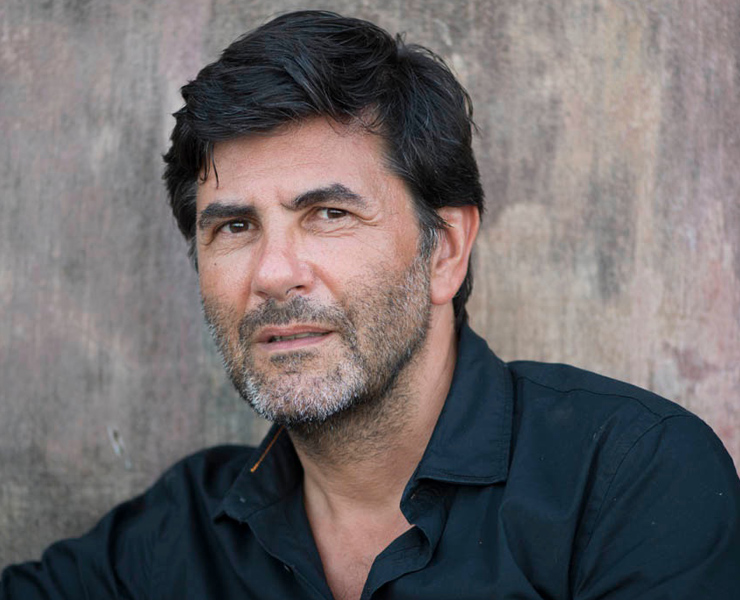
The four German authors on the Krimi panel – Mario Giordano, Merle Kröger, Volker Kutscher and Melanie Raabe – had never met before, but you’d never have known given the lovely dynamic between them. Each brought a very different kind of crime novel to the event, which made for fascinating and varied discussion.

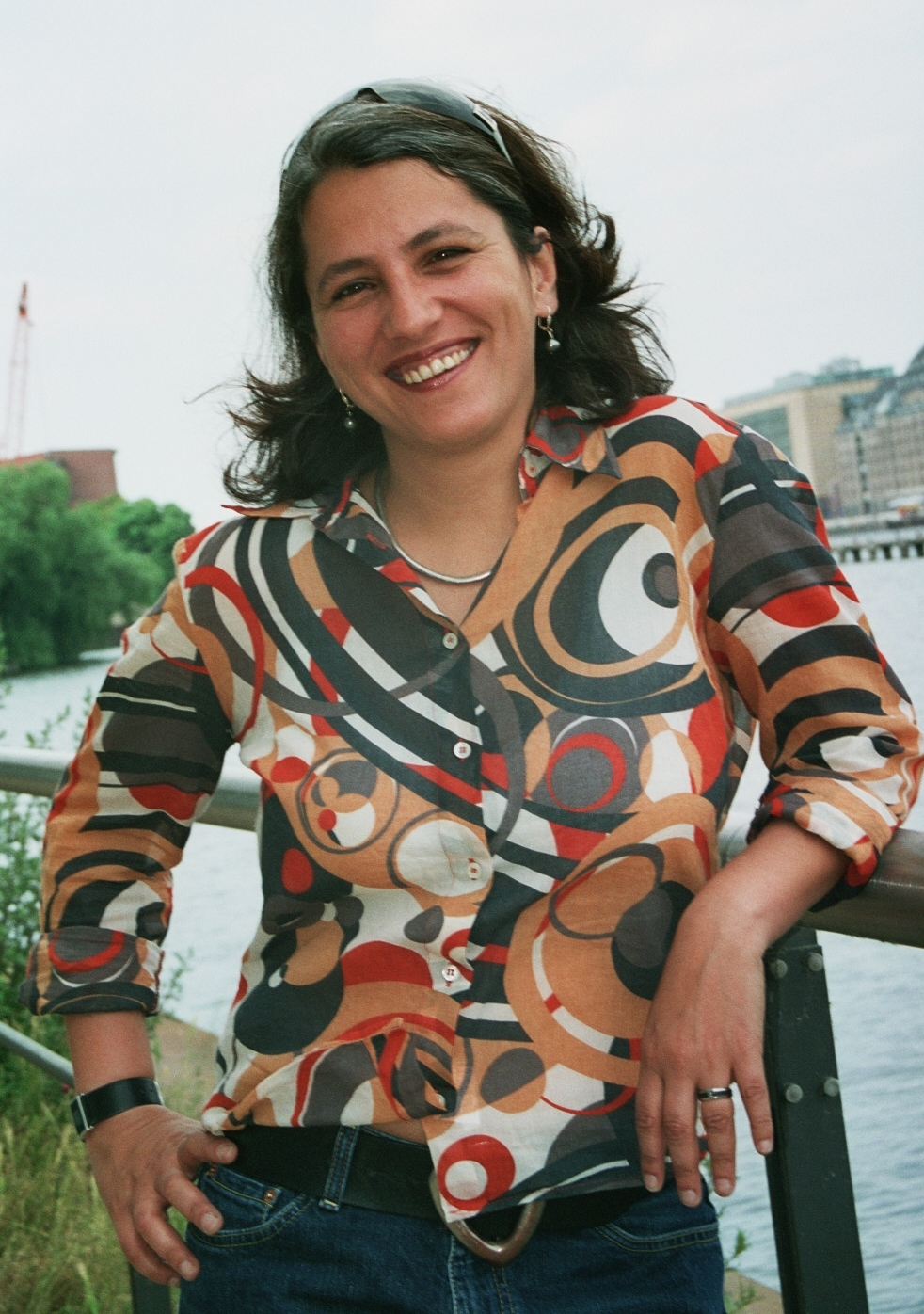
Clockwise from top left: Mrs P, Melanie, Volker; Jens Boyer (Goethe-Institut London), Mrs P, Mario, Merle, Melanie, Volker; Jess (Mantle), Volker, Melanie, Mario, Merle, Mrs P; Merle and Mario.

Mario is the author of a comic crime novel with a serious edge – Auntie Poldi and the Sicilian Lions – which shows a recently widowed Aunt Poldi arriving in Sicily with the intention of drinking herself to death. Instead, she promptly becomes involved in a murder case and meets a handsome Sicilian police detective… Merle’s novel Collision is perhaps best described as a maritime thriller, and shows four vessels – a cruise liner, a refugee dingy, an Irish freighter and a Spanish rescue ship – crossing paths in the middle of the Mediterranean. Inspired by a short film shot by a cruise ship passenger, it has serious points to make about the refugee crisis and the negative effects of capitalism.

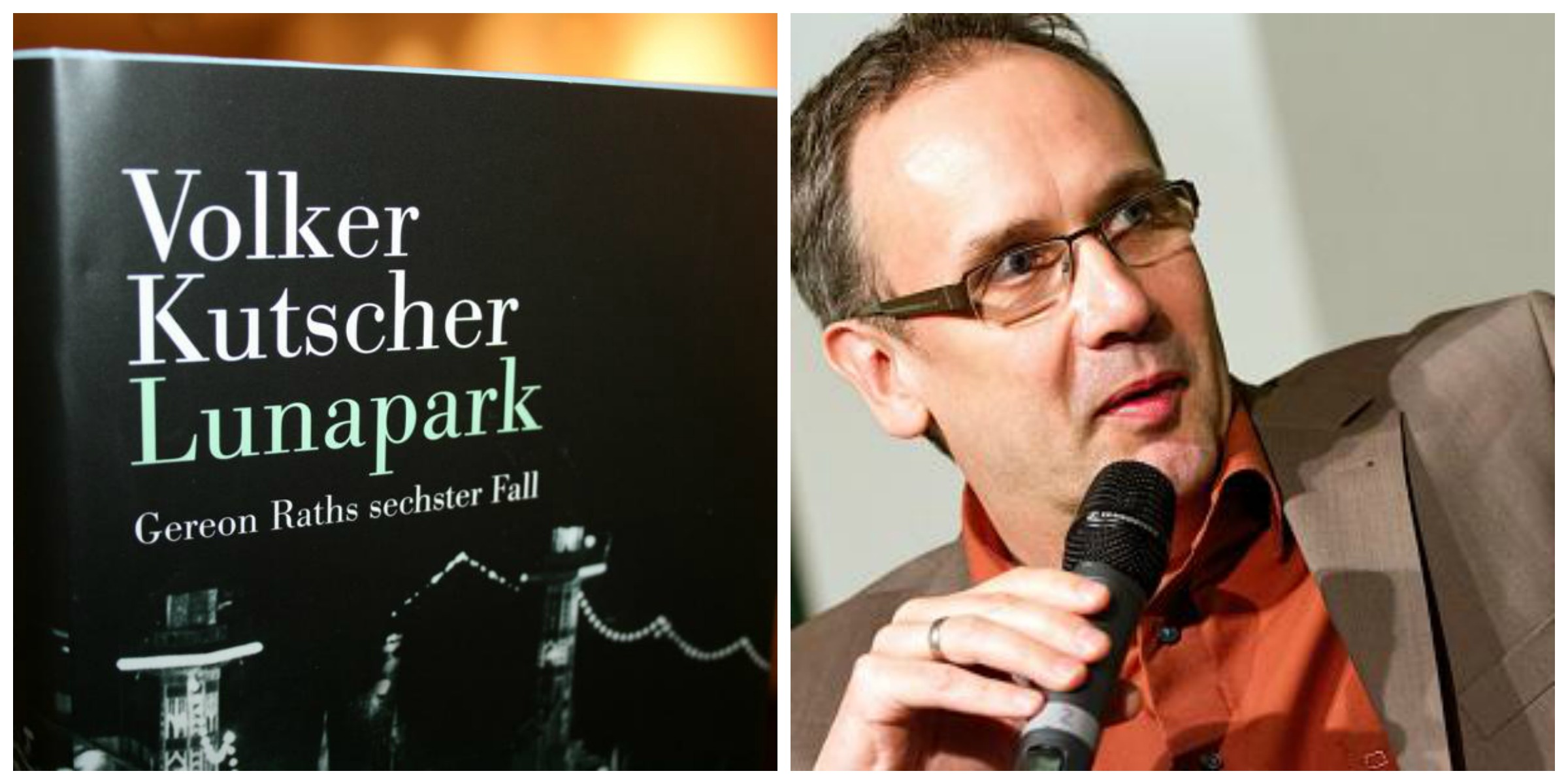
Volker writes historical crime novels – six in the ‘Gereon Rath’ or ‘Babylon Berlin’ series to date – which are set in Weimar Berlin and investigate (in part) the ways the Nazis came to power. The first novel is currently being adapted as a sixteen-part TV series by ARD/Sky, directed by Tom Tykwer, and will air this autumn. And Melanie presented her clever psychological thriller The Trap, which has done incredibly well for a debut, and is in the process of being made into a film by TriStar pictures. It features an intriguing protagonist – traumatised writer Linda Conrads – and explores the themes of grief, loss, isolation, madness and justice.

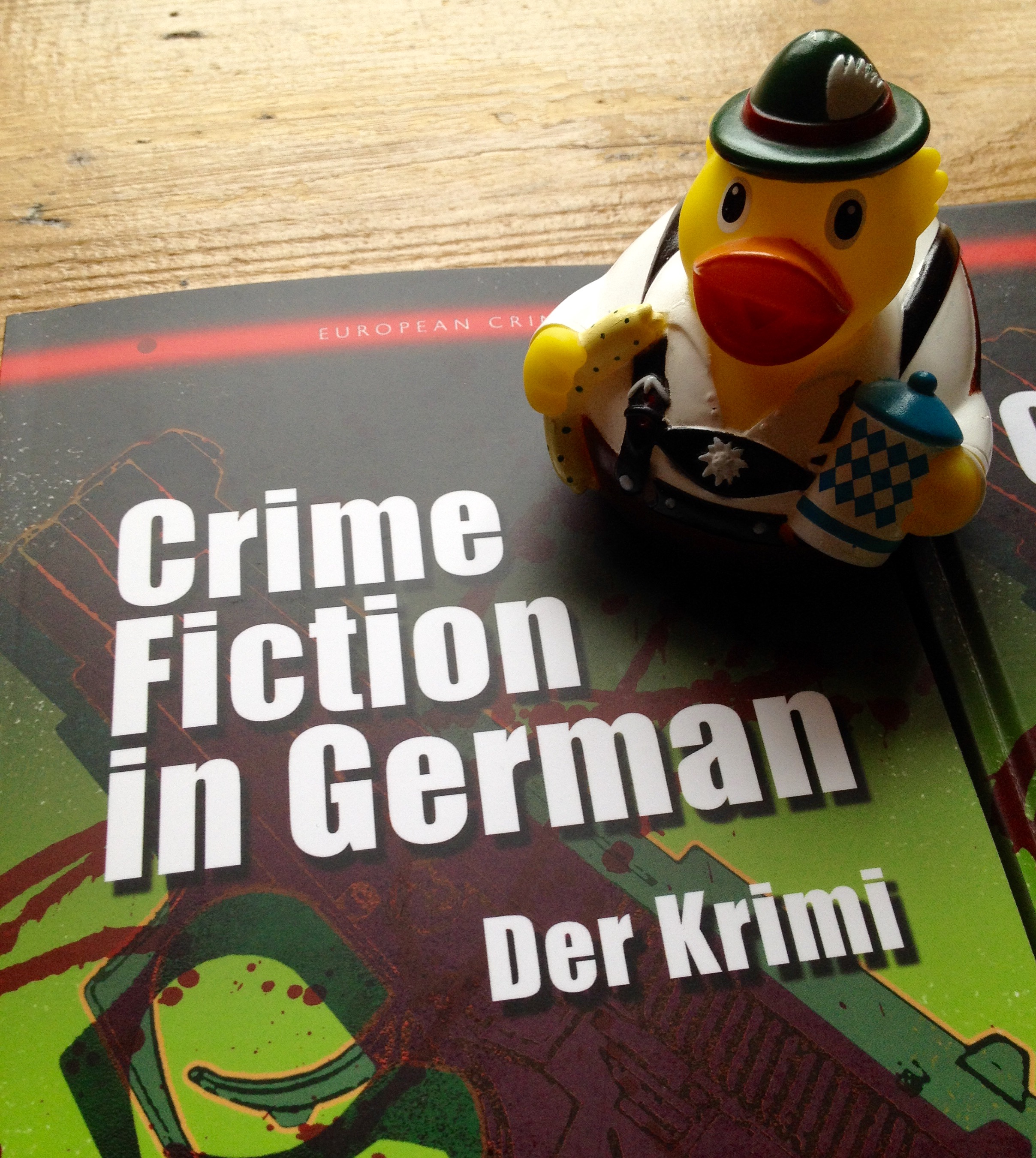
Erich the Bavarian duck was in attendance

Audience questions led to discussion of how the German authors work with their translators – Imogen Taylor, Niall Sellar, John Brownjohn, and Rachel Hildebrandt/Alexandra Roesch – and there was lavish praise for the very skilled work that they do. The authors also recommended some of their favourite Krimi writers, including Doris Gercke (‘Bella Block’ series, set in Hamburg), Jan Costin Wagner (‘Kimmo Joentaa’ series, set in Finland), Bernhard Aichner (Woman of the Dead, set in Austria) and Simone Buchholz (Blue Night, currently being translated by Rachel Ward for Orenda Books, set in Hamburg).

Thanks once again to our sponsors for making this very special event happen!

2017 Petrona Award

Saturday night at CrimeFest is always a special occasion for the Petrona team, as it’s when we announce the winner of the Petrona Award. This year the award went to Norwegian author Gunnar Staalesen for his crime novel Where Roses Never Die, translated by Don Bartlett and published by Orenda Books.

Here’s what we said about Where Roses Never Die when we announced the shortlist: ‘Grieving private detective Varg Veum is pushed to his limits when he takes on a cold case involving the disappearance of a small girl in 1977. As the legal expiry date for the crime draws near, Veum’s investigation uncovers intriguing suburban secrets. In what may well be the most accomplished novel in a remarkable series, the author continues to work in a traditional US-style genre, but with abrasive Scandi-crime social commentary very much in evidence.’

Both Gunnar and Don Bartlett were at CrimeFest to accept and enjoy the award, and Gunnar paid touching tribute to his ‘perfect translator’ in his acceptance speech. Congratulations must also go to the other shortlisted authors for their wonderful crime novels – gems one and all. Sincere thanks as well to our Petrona Award sponsor, David Hicks, for his generous support.

From left: Gunnar accepting the Petrona Award, flanked by Sarah Ward, Barry Forshaw, Jorn Lier Horst (last year’s winner) and Adrian Muller; Barry, Gunnar, Karen Sullivan of Orenda Books, Don Bartlett, Sarah Ward, Mrs P; Gunnar with Ewa Sherman

Other highlights for me included the American Noir panel, with C.J. Box (‘Joe Pickett’ series) and Bill Beverly (whose exceptional debut Dodgers has raked in prize after prize), and the Icelandic Queens of Crime panel, featuring Jónína Leósdóttir, Solveig Pálsdóttir, Lilja Sigurðardóttir and Yrsa Sigurðardóttir. All four talked very eloquently about their work and Iceland, and also made me want to invite them to a riotous and extremely fun dinner party.

A big thank you to the CrimeFest organisers for another cracker of a year.

Clockwise from top left: Mario Giordano; Barry Forshaw with the American Noir panellists; tea with Ewa and Jacky; Barry moderating the Icelandic Queens of Crime; last but not least – Ragnar Jonasson, Melanie Raabe and Hugh Fraser after their ‘Misfits and Miscreants’ panel.
*First ever* CrimeFest panel on German crime fiction, Friday 19 May 2017

CrimeFest is nearly upon us, which means that lots of excited crime readers, bloggers, authors and publishers are getting ready for their annual pilgrimage to sunny Bristol. 

This year’s CrimeFest will be very special, because there’s a panel on German crime fiction for the very first time, with four top German crime writers being flown in by the Goethe-Institut London to discuss their works and the delights of the Krimi. I’m delighted to be moderating the panel, not least because I’ve had the pleasure of reading a host of excellent crime novels and thrillers as part of my prep. And yes, Erich the Bavarian Duck will definitely be there!

Friday 19 May, 2.50pm-3.40pm 

‘Wunderbar! The Hidden Wonders of the German Krimi’

The panel features German crime authors Mario Giordano, Merle Kröger, Volker Kutscher and Melanie Raabe in conversation with Mrs P. Topics under discussion will include the diverse crime models the authors use to tell their stories  – from historical crime fiction and political thrillers to psychological thrillers and comic crime – and the way in which their settings, ranging from 1930s Berlin and contemporary Sicily to the more claustrophobic confines of a cruise ship, boat or house, have shaped their work. The panel offers an excellent opportunity to see four of the brightest talents of German crime fiction in person. If you’re at CrimeFest, please do come along!

Mario Giordano

Mario Giordano has written numerous novels and YA books, as well as screenplays for the iconic German TV crime series Tatort. In 2001, he adapted his novel Black Box for film, resulting in the award-winning The Experiment (dir. Oliver Hirschbiegel). Mario’s debut crime novel, Auntie Poldi and the Sicilian Lions (John Murray), is his first novel to be translated into English and the first of a comic crime series set in Sicily.

Merle Kröger

Merle Kröger produces films and documentaries for international arthouse cinema, and is a scriptwriter for independent cinema in India. Since 2003, Kröger has published four novels, which combine documentary research, personal history and political analysis with elements of crime fiction. She received the prestigious German Crime Fiction Prize for Grenzfall (2013) and Havarie (2016). The latter will be published in the US in 2017, entitled Collision.

Volker Kutscher

Volker Kutscher worked as a journalist before turning to crime. His award-winning ‘Gereon Rath‘ series currently consists of six novels, which are set in a politically turbulent 1920s and 1930s Berlin. The series has been translated into ten languages, and the first two novels – Babylon Berlin and The Silent Death – are available in English with Sandstone Press. The series is also currently being adapted for TV by ARD/Sky, with Tom Tykwer directing.

Melanie Raabe

Melanie Raabe grew up in eastern Germany, and attended the Ruhr University Bochum, specialising in media studies and literature. After graduating, she moved to Cologne to work as a journalist by day and secretly write books by night. Her psychological thriller The Trap (Mantle) won the Stuttgart Crime Fiction Prize for best crime debut of the year, has been sold to more than 20 countries, and has been optioned for a film by TriStar Pictures.
***
Huge thanks to the Goethe-Institut London for making this event happen, and to RIAH at Swansea University for its support!
***

International delights at Newcastle Noir (plus my top three picks)

Crime fiction with plenty of laughter and cake: my first visit to Newcastle Noir at the beautiful Lit & Phil was a hugely enjoyable experience. This Geordie crime festival has been running just three years, but featured an impressive programme of 14 panels over two days (and that’s not counting the fringe events). All credit to organisers Dr. Jacky Collins (Northumbria University) and Kay Easson (The Lit & Phil) for creating such a vibrant and wonderfully friendly event.

Given the relatively modest size of the festival, I was struck by the high proportion of international writers who were there – thanks in no small part to Karen Sullivan at Orenda Books, who had ten authors with her, one of whom had flown in all the way from Australia. In order of appearance:

  • Lilja Sigurðardóttir (Iceland)
  • David Swatling (US/Netherlands)
  • Kjell Ola Dahl (Norway)
  • Thomas Enger (Norway)
  • Nina von Staffeldt (Denmark)
  • Antti Tuomainen (Finland)
  • Cay Rademacher (Germany/France)
  • Wulf Dorn (Germany)
  • Erik Axl Sund (aka Jerker Eriksson/Hakan Axlander Sundquist, Sweden)
  • Johana Gustawsson (France)
  • Camilla Grebe (Sweden)
  • Paul Hardisty (Canada/Australia)

And then there were a number of British crime authors who set their works in foreign climes: Steph Broadribb (‘Lori Anderson’ series, Florida), David Young (‘Karin Müller’ series, East Germany), William Ryan (‘Korolev’ series, 1930s Russia; The Constant Soldier, 1944 Germany), Luke McCallin (‘Reinhardt’ series, WWII Sarajevo and post-war Berlin), and Quentin Bates (‘Gunna’ series, Iceland).

The Newcastle Noir bookshop had a distinctly international flavour

A major highlight for me was chairing two ‘German’ panels: ‘German Historical Crime’ with Luke McCallin, William Ryan and David Young, and ‘German Noir’ with Wulf Dorn and Cay Rademacher. All the authors gave fascinating, thoughtful and eloquent answers to questions about writing historical crime fiction/psychological thrillers, their settings (1930s Russia; World War II Sarajevo and Germany; post-war Hamburg and Berlin; 1970s East Germany; present-day Germany), and the research they undertook while writing their works. Lizzy Siddal has posted a marvellous write up of the two panels over at Lizzy’s Literary Life – do take a look! And for further details of the authors and their works, see my post from last week.

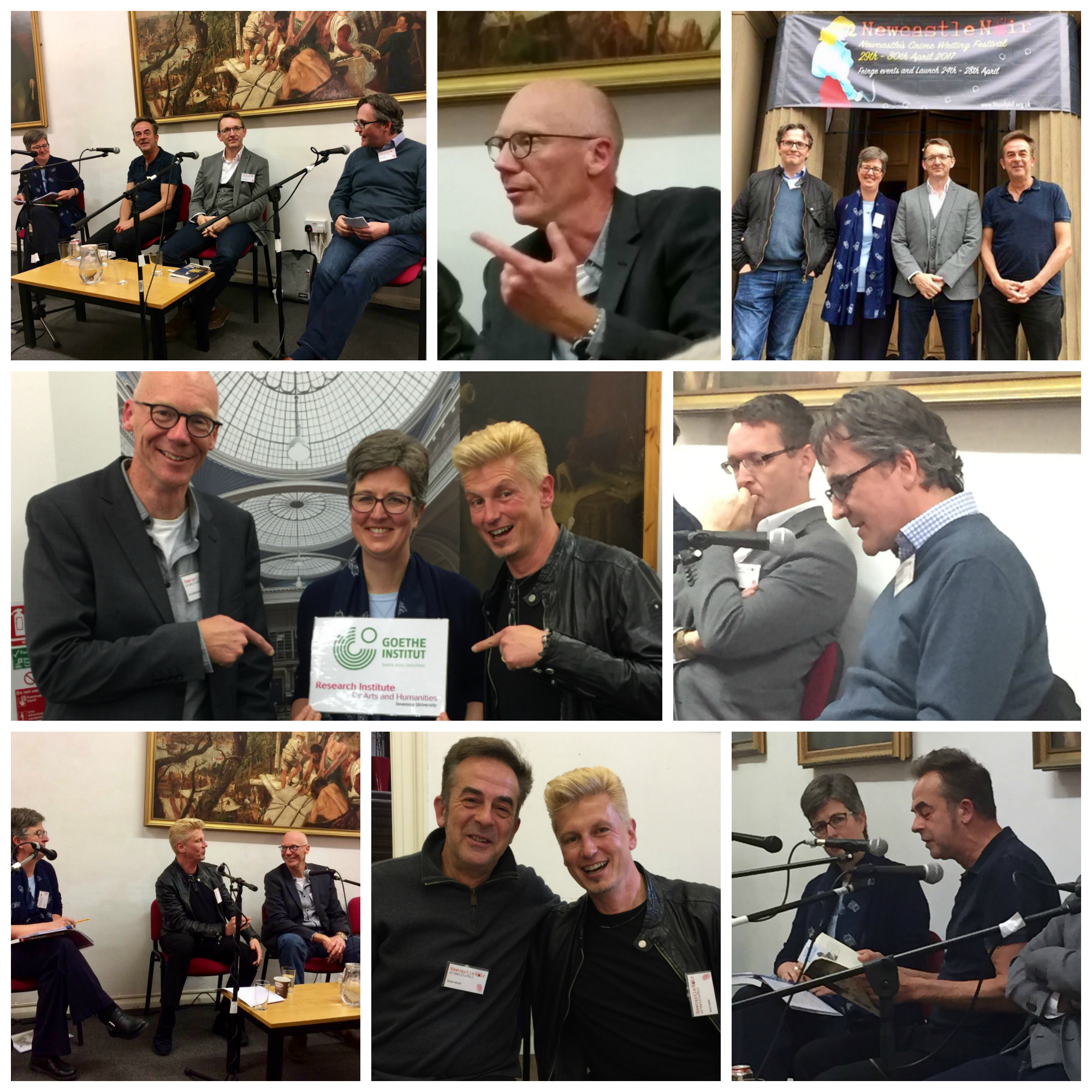
From top left by row: the ‘German Historical Fiction’ panel; Cay Rademacher answers a question; GHF panel group photo; Cay, Mrs P and Wulf Dorn thank the Goethe-Institut London for its support; William Ryan reads from The Constant Soldier while Luke McCallin listens; the ‘German Noir’ panel; David Young and Wulf fostering Anglo-German relations; David reads from Stasi Wolf.

Here are my top three international crime fiction picks from Newcastle Noir – all by authors who are new to me:

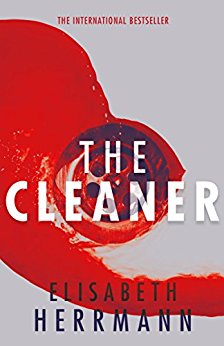
Elisabeth Herrmann’s The Cleaner (translated by Bradley Schmidt; Manilla 2017). Elisabeth was the one who got away: she was due to appear on the ‘German Noir’ panel (replacing Sascha Arango), but was unable to make it due to problems with her flight. My consolation was reading The Cleaner, an extremely accomplished novel that features an outstanding protagonist, Judith Kepler. Judith works for a company that specialises in cleaning crime scenes, and comes across a clue to a mystery in her own East German childhood when she cleans a flat following a particularly nasty murder. A hybrid detective novel, historical crime novel and thriller, The Cleaner is a gripping and highly engaging read.

Luke McCallin’s The Man from Berlin (No Exit Press, 2014). I hadn’t read any of Luke’s work before being asked to chair the ‘German Historical Fiction’ panel, and was extremely impressed by The Man in Berlin, the first in the ‘Gregor Reinhardt’ series. Aside from the vast amount of historical research that’s gone into the novel, I particularly liked the unusual setting for a WWII series – Sarajevo of 1943. The city is beautifully evoked, and the complex politics of the time are deftly incorporated into the narrative (which is no mean feat). The novel sees conflicted military intelligence officer Reinhardt investigating the politically charged murder of a Yugoslav film star and a German military colleague.

Paul E. Hardisty, Reconciliation for the Dead (Orenda Books, 2017). Paul was on the ‘Action Thriller’ panel and is the author of the ‘Claymore Straker’ novels. While this is the third in the series, it can be read first, because it tells Straker’s origin story, focusing on his formative years as a soldier in the South African Army in the early 1980s. That narrative is framed by Straker’s return to Africa in 1996 to testify at the South African Truth and Reconciliation Commission. I hadn’t intended to buy this book, but after hearing Paul speak it became a must-read. I was particularly struck by the author’s willingness to present the novel as a serious attempt to get to the terrible truths of South African apartheid, and to depict them in as realistic and hard-hitting a way as possible. I’m two thirds of the way through the novel now, and can tell that it’s going to stay with me for a long time.

To finish off, here are some photos of beautiful Newcastle, the Lit & Phil, and some criminally minded friends. Looking forward to Newcastle Noir 2018 already…

With thanks to Susan at The Book Trail, Vic Watson at ElementaryVWatson, Ewa Sherman and other attendees for the use of some of these photos.