Author interview with Abir Mukherjee about Calcutta crime novel A Rising Man

Wishing a very happy publication day to Abir Mukherjee! Abir is the winner of the 2014 ‘Telegraph Harvill Secker Crime Writing’ competition. A Rising Man, his highly accomplished debut crime novel, is set in Calcutta in 1919 and marks the start of the ‘Captain Wyndham’ series. He joins me below for a fascinating interview about the novel, his historical research, and the writers who inspire him.

A RISING MAN

Opening lines: ‘At least he was well dressed. Black tie, tux, the works. If you’re going to get yourself killed, you may as well look your best.’

Cover text: Captain Sam Wyndham, former Scotland Yard Detective, is a new arrival to Calcutta. Desperately seeking a fresh start after his experiences during the Great War, Wyndham has been recruited to head up a new post in the police force. But with barely a moment to acclimatise to his new life, Wyndham is caught up in a murder investigation that will take him into the dark underbelly of the British Raj.

Abir Mukherjee c. Nick Tucker MAIN PHOTO

Abir Mukherjee (photo by Nick Tucker)

Mrs. Peabody: Abir, thanks very much for joining me. A Rising Man is set in the India of 1919, just after the end of the First World War. Why did you choose that particular historical moment for the start of your series?

Abir: My parents came to Britain as immigrants from India in the sixties, and my life has always been shaped by both cultures. As such I’ve always been interested in the period of British Rule in India. I think that period in history has contributed so much to modern India and to modern Britain, but it’s a period that’s been largely forgotten or mischaracterised, either romanticised or brushed under the carpet.

I’ve always been rather surprised by this and wanted to look at it from the point of view of an outsider who’s new to it all. One of the things that’s always fascinated me is that, in an era when totalitarian regimes were rampant in Europe, regularly murdering anyone who showed any dissent, in India, this largely peaceful freedom struggle was playing out between Indians and their British overlords. At the time, there was no parallel to this anywhere in the world, and I think it says a lot about the people of both nations that such a struggle could be played out in an comparatively civilised way.

Huntley and Palmer Raj

A thoroughly British depiction of the Indian Raj

Abir: I also wanted to explore the effect of empire on both the rulers and the ruled. In particular I wanted to understand what happens when a democratic nation subjugates another, both in terms of the impact on the subjugated peoples, but just as importantly, on the psyche of the people doing the oppressing. I think the moral and psychological pressures placed on those tasked with administering the colonial system were immense and in something that’s been relatively unexamined.

I wanted to write a series exploring the relationships between these two different, but in many ways very similar cultures, but from the viewpoint of someone new to it all and 1919 just felt like the right place to start. To me, it was the start of the modern age. The Great War had just ended, it had destroyed a lot of the old certainties and left a lot of people disillusioned and no longer willing to simply accept what they were told by their betters. Sam, the protagonist, is a product of that time and I think he is one of the first modern men.

Calcutta map

Kolkata/Calcutta lies in the east of India on the Bay of Bengal

Mrs. Peabody: How did you go about recreating the Calcutta of the time? What kind of research did you carry out?

Abir: In the period that the book is set, Calcutta was still the premier city in Asia and was as glamorous and exotic a location as anywhere in the world. At the same time, it was a city undergoing immense change and was the centre of the freedom movement, a hotbed of agitation against British rule. It seemed the natural choice for the series I wanted to write. Of course, it helped that my parents are both from Calcutta and I’d spent a quite a bit of time there over the years. I even speak the language, though with a Scottish accent.

In terms of recreating the Calcutta of the period, it’s amazing how much of that history is still around in the Calcutta (or Kolkata) of today. Calcuttans have a great sense of the history of their city, possibly because the city was at its zenith during that period, and so many people were more than willing to answer the many questions I had.

During one visit, I was lucky enough to be granted access to the Calcutta Police Museum where a lot of the police documents from the period are on exhibit. That was fascinating as the Kolkata Police today has a rather ambivalent view of its own history during that time. In terms of research though, most of that was done sitting at home in front of the computer and trawling the internet.

Mrs. Peabody: Tell us a bit about your leading investigator, Captain Sam Wyndham, and the perspective he offers us of India.

Abir: Sam’s a rather strange fish. He’s an ex-Scotland Yard detective who’s basically spent his whole life struggling against the tide. Life’s not exactly been kind to him. He gets packed off to boarding school at a young age and some of his best years were spent sitting in a trench in France getting shot at by Germans. He survives the war, though only to find that his wife has died in the influenza epidemic of 1918. Scarred by his wartime experiences and burdened by survivor’s guilt, he comes to India mainly because he has no better alternative.

At the point in his life where he arrives in Calcutta, he’s a pretty jaded soul with a bit of an alcohol and chemical dependency, though he’d tell you he used them for medicinal purposes. He’s been disillusioned by the war and I think he’s more open to seeing India with his own eyes than swallowing everything he’s told. He’s happy to point out hypocrisy where he sees it, whether it be from the whites or the natives.

Mrs Peabody: The novel does a wonderful job of dissecting the political, racial and social tensions of life under the British Raj. Do you think that crime fiction offers particular opportunities in this respect?

Abir: Definitely. I think most authors have something to say beyond the telling of a good story and I think crime fiction is a wonderful vehicle for exploring deeper societal issues, because it allows you to look at all of society from the top to the bottom.

As Ian Rankin said in an interview earlier this year, “the crime novel is a good way of raising this stuff because … a detective has an access all areas pass to the entire city, to its riches and deprivations.”

In terms of India in 1919, as a white policeman, Sam has is exposed to all sections of Calcutta society, from the politicians and businessmen right down to the rickshaw-wallahs and brothel keepers. He’s part of the whole fabric, but at the same time separate from it and able to see it objectively.

Kolkata flower market

Kolkata flower market. Image Courtesy of Parasarathi Mukherjee, Walks in Kolkata

Mrs Peabody: Which authors/works have inspired you as a writer?

Abir: There are so many.

There are the books which have left the greatest impression on me and which I’ve read quite a few times. At the top of that list would come George Orwell’s Nineteen Eighty-Four. I’ve always been drawn to dystopian views of the future and this is, in my opinion, the finest dystopian novel. I’ve read this book more times than I can remember and it’s a joy every time. The characterization of Winston and Julia’s relationship, set against the backdrop of this all-powerful totalitarian society is just fantastic.

Lahiri

Abir: Other works that have left an impression include Jhumpa Lahiri’s The Namesake, a story about the travails of a Bengali couple who immigrate from Calcutta to Boston and raise a family. My wife first introduced me to this book and I was just bowled over by it. The writing is sublime and I could relate to it in a way I haven’t to many other books.

Then there are others which are pretty special, like Vikram Seth’s An Equal Music, a tale of love lost set in the world of string quartets, Kafka’s The Trial – the only book I’ve read that made me feel claustrophobic, and Hemingway’s For Whom the Bell Tolls with its amazing use of language.

In terms of crime and thrillers, there are a number of authors whose work I look out for and will buy as soon as it hits the shelf. Top of this list has to be Ian Rankin – I’m a huge Rebus fan, but also love the standalone novels too. Then there’s Philip Kerr, Martin Cruz Smith and Robert Harris, all three of whom produce novels shot through with wit and an intelligence, something which I love.

Finally, and in a special category, there’s William McIlvanney, whose Glasgow Detective, Laidlaw is a fantastic creation. I think McIlvanney was a true genius. I wish I’d had the chance to meet him.

Mrs P: Many thanks, Abir!

A Rising Man is published by Harvill Secker on 5 May 2016 (priced £12.99) 

‘Crime Fiction in German’ publication day! With a FREE CHAPTER!

Today sees the publication of Crime Fiction in German by the University of Wales Press. For all us involved in writing and producing the book, this is a hugely exciting moment, not least because Crime Fiction in German is a genuine first: the first volume in English to give a comprehensive overview of German-language crime fiction from its origins in the early nineteenth century to the present day. And it’s World Book Day here in the UK as well – what could be finer?

To celebrate there’s a FREE introductory chapter available to all readers!

CFIG

About the book

  • Crime Fiction in German explores crime fiction from Germany, Austria, Switzerland and the former East and West German states.
  • It investigates National Socialist crime fiction, Jewish-German crime fiction, Turkish-German crime fiction and the Afrika-Krimi (crime set predominantly in post-colonial Africa), expanding the notion of a German crime-writing tradition along the way.
  • It examines key areas such as the West German Soziokrimi (social crime novel), the Frauenkrimi (women’s crime writing), the Regionalkrimi (regional crime fiction), historical crime fiction and the Fernsehkrimi (TV crime drama). In the process, it highlights the genre’s distinctive features in German-language contexts. And yes, humour is one of them 🙂
  • It includes a map of German-speaking Europe, a chronology of crime publishing milestones, extracts from primary texts, and an annotated bibliography of print and online resources in English and German.
  • All quotes are given in English and German. No knowledge of German is required!
  • The contributors – Julia Augart (University of Namibia), Marieke Krajenbrink (University of Limerick), Katharina Hall (Swansea University), Martin Rosenstock (Gulf University, Kuwait), Faye Stewart (Georgia State University), Mary Tannert (editor and translator of Early German and Austrian Detective Fiction) – are all experts in the field of crime fiction studies.

Further details, including a table of contents, are available at the University of Wales Press website. The paperback is available from Amazon here.

Now read on for details of the FREE chapter!

25352091871_34555eb9c9_o

The Free Chapter

While Crime Fiction in German is an academic volume that hopes to be useful to scholars in the field, a key aim has been to make the book accessible to ALL readers with an interest in crime fiction. We’re aware that not everyone may be able to buy the volume (academic texts have smaller print runs and are mainly bought by university libraries, and therefore have a different pricing structure to mass-produced books). If not, one option is to ask the local library to order a copy. Another is to read on for a very special treat…

Anyone, anywhere in the world, can download Chapter One of Crime Fiction in German for FREE.

The chapter gives an overview of the volume and of the history of German-language crime fiction. It’s PACKED with criminal goodness, and thanks to the generous financial support of Swansea University, you can download from the university’s Cronfa research repository. And did I mention that it’s FREE?

❤ In return, we ask two tiny favours ❤

  • If you like the chapter and want to tell other people, please send them the link below rather than the actual PDF. Why? Because then we can track how many times the chapter has been downloaded. If there’s lots of activity, more ‘open access’ projects like this one may be funded in the future.
  • Secondly, if you download the chapter and have a moment, could you leave a comment below saying where you’re from? This will help us see how far the chapter has travelled. It could be rather fun – I’m looking forward to seeing if we can get ‘Leipzig, Germany’, ‘Moose Jaw, Canada’, and ‘Beijing, China’ all in a row.

Right, here we go! The link to the Crime Fiction in German Chapter One is

https://cronfa.swan.ac.uk/Record/cronfa25191

Enjoy and please spread the word!

Map of World

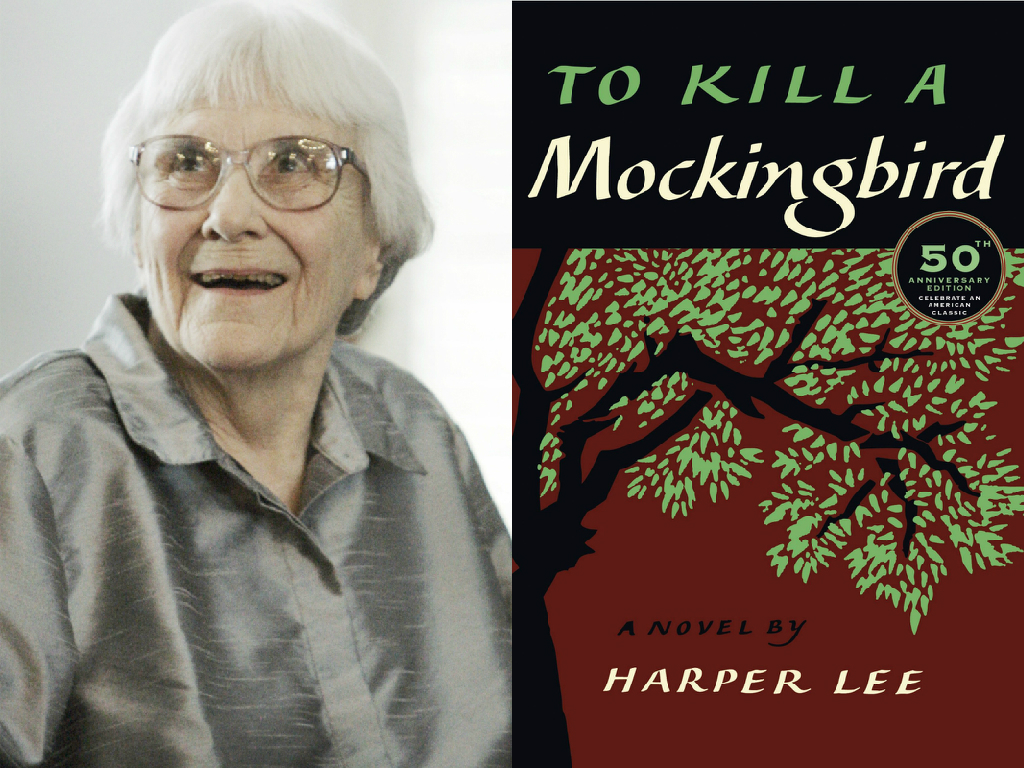
A salute to Harper Lee and Umberto Eco

We’ve lost two cultural giants this week: American author Harper Lee (1926-2016), and the Italian philosopher, cultural theorist and writer Umberto Eco (1932-2016). Here’s a salute to each with some links to further reading.

Harper Lee

“The one thing that doesn’t abide by majority rule is a person’s conscience”

Harper Lee’s literary reputation rests almost completely on one novel, To Kill a Mockingbird, which was published in 1960 and won the Pulitzer Prize in 1961. Set in mid-1930s Alabama, it uses a court case to illuminate the ingrained racism of the Deep South: black field-hand Tom Robinson is falsely accused of raping a white woman and is defended at trial by attorney Atticus Finch, the father of precocious child-narrator Scout. The novel can be viewed both as a coming-of-age story and a historical novel about the Great Depression, and explores the themes of crime, racism, morality and justice in a way that still feels challenging today. The 1962 film adaptation starring Gregory Peck is a classic.      

Lee was the daughter of a lawyer (on whom the character of Atticus was based), studied law herself, and had an interesting link to the world of crime writing. One of her childhood friends was Truman Capote, and she worked with him in conducting interviews and gathering materials for In Cold Blood (1966), his ground-breaking ‘true crime’ examination of the Clutter family murder case in Kansas.

Further reading:

Italian writer Umberto Eco listens to a question during the presentation of his latest novel "The Cemetery of Prague" in Madrid December 13, 2010. REUTERS/Andrea Comas

Umberto Eco in December 2010 (REUTERS/Andrea Comas)

“Books are not made to be believed, but to be subjected to inquiry”

In the world of crime fiction, Umberto Eco was most famous for his first novel, The Name of the Rose (1980), which is accurately described on the author’s website as ‘an intellectual mystery combining semiotics, biblical analysis, medieval studies and literary theory’. The novel’s 500 pages provide readers with a riveting murder mystery, a wonderful detective (Brother William of Baskerville), a rich portrait of 14th-century monastic life and medieval intellectual/religious conflict. The fiendishly clever solution remains one of the best in the crime fiction.

I love the possibly apocryphal stories that Eco wrote The Name of the Rose in response to a dare, or because “I felt like poisoning a monk”. It may therefore have been something of a surprise to him that the novel sold 10 million copies in over 30 languages.

Eco regarded himself primarily as an academic who wrote fiction on the side. His key areas of inquiry were philosophy and semiotics (the study of signs), and he wrote influential articles on literary theory and popular culture. His essay collection The Role of the Reader: Explorations in the Semiotics of Texts (1979) has been useful in my own academic work on crime fiction, particularly the distinction he makes between ‘closed’ and ‘open’ texts (the latter offer the reader greater interpretive agency, rather than steering readers towards a predetermined narrative closure). Grazie, Professore.
Further reading:

Eco 2

Eco’s original sketch for the labyrinthine abbey library in The Name of the Rose

Deutschland 83 series review: my take as a Germanist and fan

For the past seven weeks, Channel 4/Walter Presents viewers have been gripped by the German Cold War spy drama Deutschland 83, created by Anna and Jörg Winger, a talented German/American husband and wife team. Following tonight’s feature-length finale, here are my thoughts on the show as a Germanist who teaches/writes on German history and as a fan. The post contains spoilers, so if you haven’t seen the series, DON’T read on…watch the series instead!

D83 13

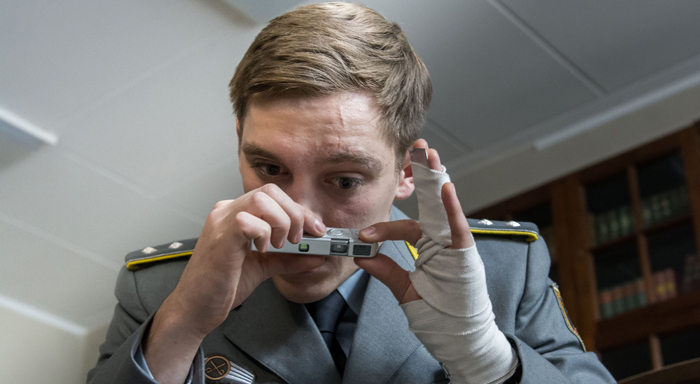
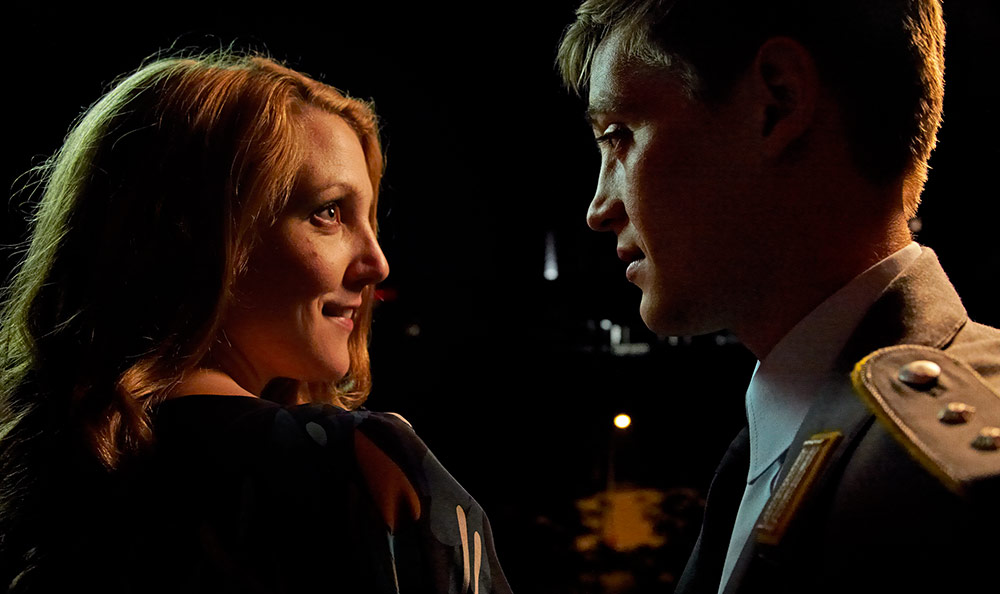
I watched the first episode of Deutschland 83 with slight trepidation. As a Germanist trying to persuade Brits of the merits of German culture, I wanted it to be good and to overturn some of the persistent UK tabloid stereotypes about Germans (earnest, humourless, Nazi). It was and it did. We were introduced to a host of intriguing characters and saw 24-year-old East German border guard Martin Rauch (Jonas Nay) bundled off to West Germany as secret agent Kolibri. Posing as Moritz Stamm, an aide to General Wolfgang Edel, he begins to gather classified military secrets in Bonn and to pass them back to the GDR, as Cold War tensions between East and West rise.
D83 17

Getting into the swing of this spying thing

One big question the first episode raised was that of historical veracity. A friend of mine, an academic expert on East Germany, described the depiction of Martin’s recruitment by the Stasi (the East German secret police) as ‘baloney’. I totally understood this reaction, as I’ve had similar responses to dramas set in Nazi Germany (e.g. one where a Jewish-German protagonist calls out a cheery ‘Shalom!’ to his friends on a busy Nazi-era street). But allowances should be made: writers of historical dramas need to communicate complex information to viewers very quickly, which sometimes means taking what I think of as ‘symbolic shortcuts’. In this case, the use of the spy thriller genre also demanded exciting action and a brisk narrative pace: we obviously couldn’t spend six episodes with Martin while he was being methodically trained in spycraft, so some suspension of disbelief was required.

On the other hand, the first episode managed to convey some fundamental truths: the Stasi‘s ruthless use of people’s personal circumstances to secure cooperation; the politicised nature of everyday East German life; the ideological hypocrisy of Western coffee and perfume making their way East via a border guard or a highly placed Stasi official; the very real military tensions of the time. And it was stylish. Beautifully shot, with a classy 80s soundtrack, its nuanced direction was serious or light as the action required. By the end of the episode I was hooked: how was young Martin/Moritz going to negotiate the tricky double identity that is the basis of a spy’s existence?

D83 19

Here are just some of the things I loved about Deutschland 83:

  • The episode titles originate from NATO military exercises. Quantum Jump, Brave Guy, Atlantic Lion, Northern Wedding, Cold Fire, Brandy Station, Bold Guard and Able Archer all took place in 1983. The latter is of particular significance throughout the series.
  • Tremendous historical and cultural breadth. The series successfully shows viewers the global scale of the Cold War in 1983 (from President Reagan’s ‘Evil Empire’ speech to the Russian downing of Korean Air Lines Flight 007); the profound legacy of the student/68 movement (from Alex’s interest in the Green Party and Yvonne’s life in a Rajneesh commune to Tischbier’s faux political activism at the University of Bonn); and the devastating rise of AIDS.
  • The ‘coming-of-age’ theme. We see a number of characters having to grow up very quickly in the course of the series, such as Martin, Alex, Yvonne and Annett. The moral challenges they face in the process are effectively drawn, particularly in Martin’s case.
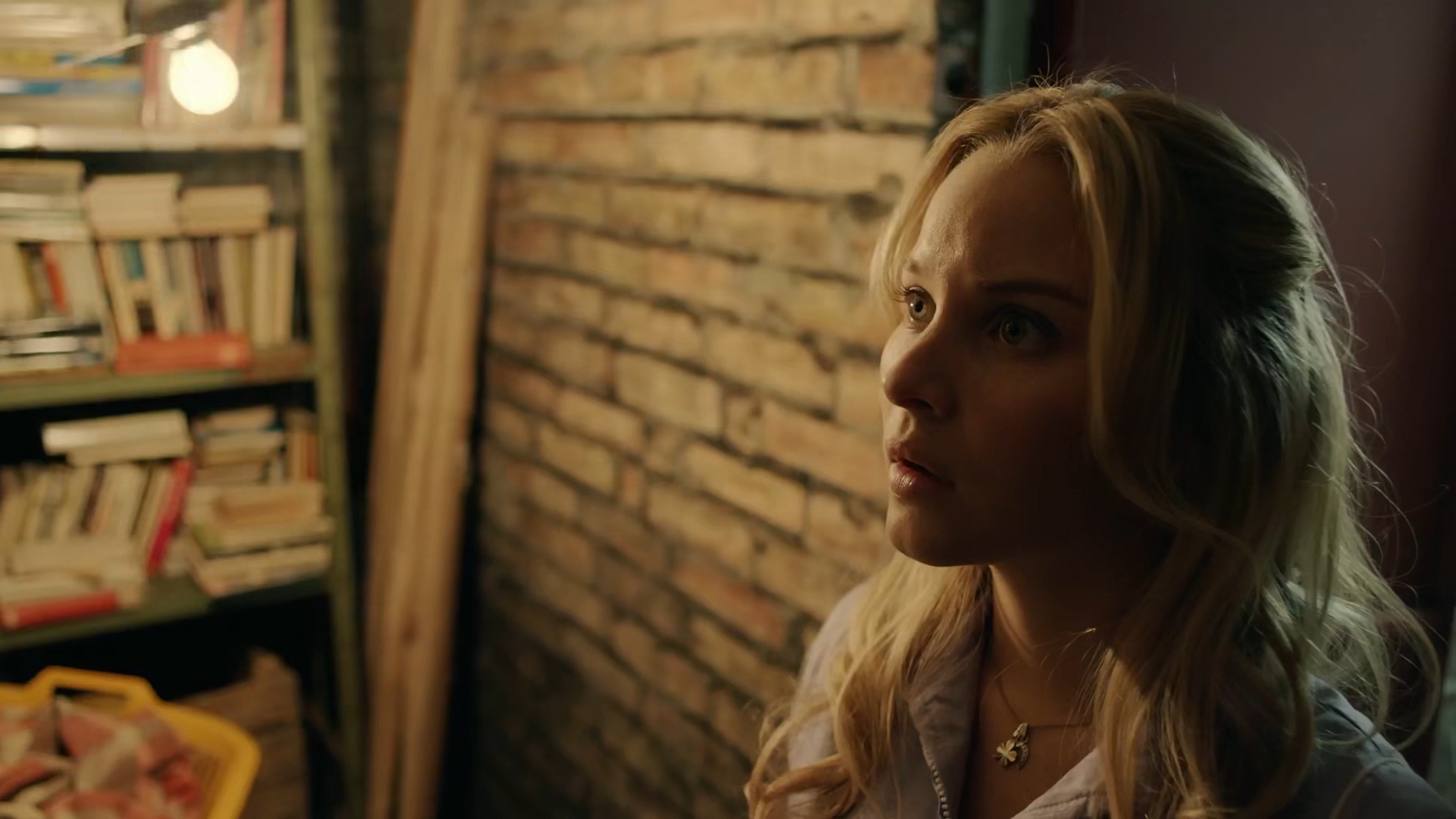
  • Politically subversive libraries. Martin’s mother Ingrid may be the sister of a Stasi apparatchik and gratefully receive bottles of Chanel/privileged medical attention, but she also has a stash of illicit literature such as George Orwell’s 1984 in a secret room in her basement. She’s in cahoots with Thomas, helping him to distribute banned books from the boot of her car (a subversive mobile library!). The scenes in which Martin’s girlfriend Annett discovers Ingrid’s library and then denounces Thomas to the Stasi made me incredibly thankful to live in a society that values free speech.
D83 2

What have we here…?

  • Ursula Edel and the fish (episode 5). One of the many darkly humorous moments from the series.
  • The soundtrack is a delight, featuring 80s hits from East and West Germany, and the English-speaking world. There’s a full Spotify playlist here. My favourites include the German version of Peter Schilling’s theme tune ‘Major Tom (völlig losgelöst)’, Nena’s ’99 Luftballons’ and David Bowie’s ‘Modern Love’.
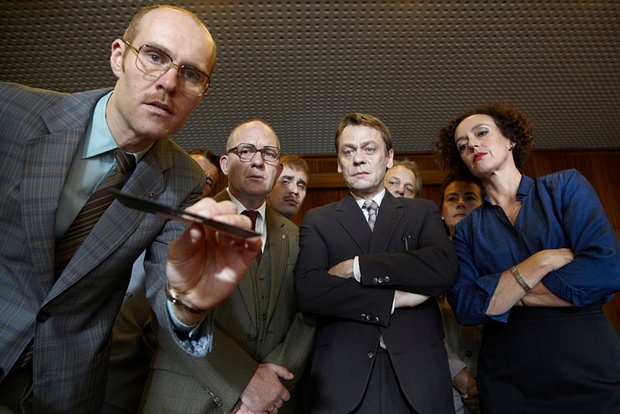
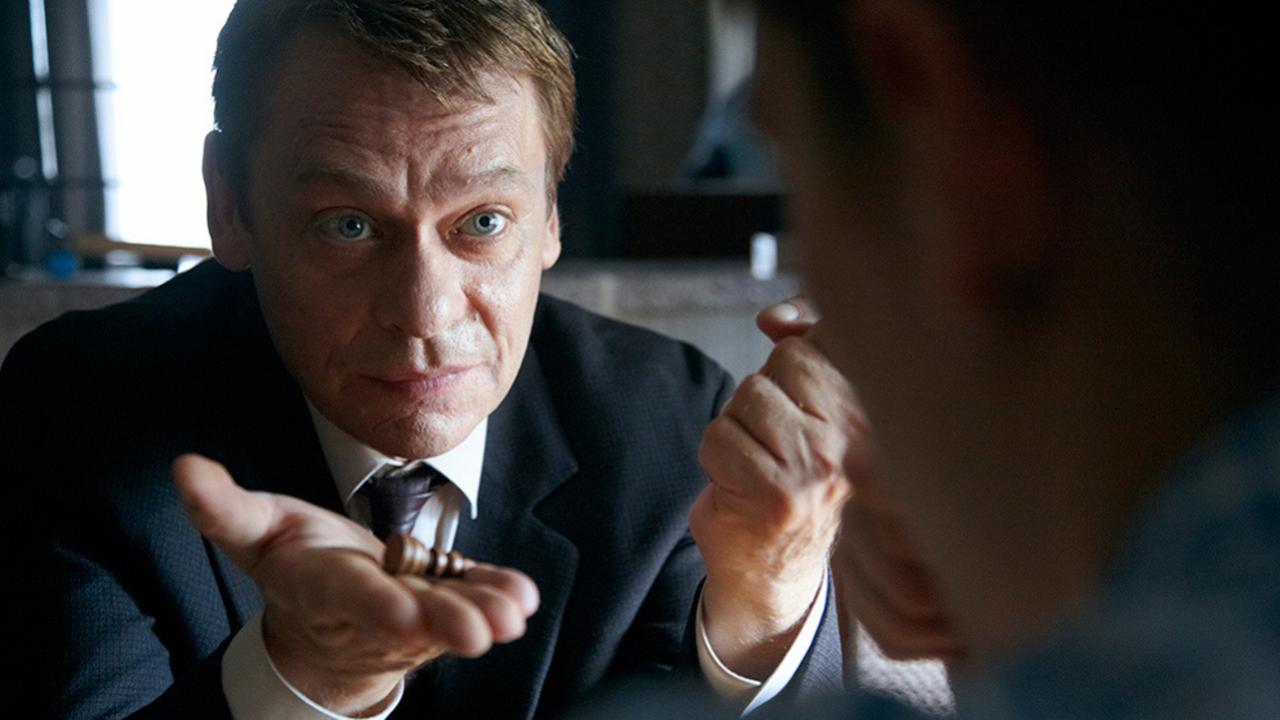
  • Last but not least…Lenora Rauch. Martin’s ruthless Stasi aunt, who forces her nephew into the life of a spy, is beautifully played by Maria Schrader (whom you may remember from the film Aimée & Jaguar). Her ideological conviction is tempered by a world-weary, I’ve-seen-it-all-before vibe: the collapse of an operation just elicits a sigh and an extra-long drag on her cigarette. Oh, and she’s also a total 80s style icon, complete with perm, killer silk shirts and red lippy/nails.
D83 8

Things are about to go pear-shaped…again

p11710911_n74960_cc_v9_aa

D83 9

Cutting edge technology: the floppy disk

There may have been times where things threatened to get a bit silly, such as Episode 2’s entertaining but implausible attack on Martin/Moritz by the ninja-assassin-waitress. But the series always managed to pull itself back from the brink of parody and delivered some truly powerful moments.

  • Linda Seiler’s death halfway through the series in episode 4 was a game-changer. When Martin fails to shake the NATO secretary’s loyalty to the West, she is run over and killed by Tischbier in a truly traumatic scene. This event shows us that Martin’s spying assignment is grown-up and deadly. Even though he resisted letting Linda drown in the lake earlier in the episode, he must still bear some responsibility for her death, which was necessary to protect his cover. It’s a le-Carré-style moral low in which innocent individuals are shown becoming pawns in much larger political games. To add insult to injury, brave Linda is left in an unmarked grave in the forest (a German fairytale gone badly wrong) and it’s suggested that she defected to the East.
D83 20

Alas, poor Linda!

  • Linda’s apparent betrayal has consequences. It leads her boss, moderate NATO analyst Henrik Mayer to commit suicide, which allows hawks in the East and West to escalate military tensions. A special mention in this respect must go to Stasi official Walter Schweppenstette, whose ideological adherence is particularly dangerous. Told by a Russian superior that a decoded report must fit Moscow’s view of a predatory US, he dutifully edits and distorts its findings. In a chilling scene at the end of episode 6, the Russian is shown receiving the doctored report and accepting its contents as genuine, thereby turning fiction into fact, and taking the two sides perilously close to nuclear war.
D83 16

Was it something I said?

  • Tonight’s finale… took the world to the brink of nuclear destruction and back again. A number of characters had their morality tested, none more so than Martin, whose decisive action made key figures such as General Edel and Lenora begin to doubt Schweppenstette’s wilful insistence that NATO forces were about to launch an attack. One sobering aspect of this storyline was its emphasis on how the actions of just a few individuals have the power to trigger catastrophic destruction or perhaps…in a thriller at least, to stop it, allowing nuclear rockets to reverse back into their firing systems before our eyes. Phew.
  • Alex and Martin are revealed to have been ‘twins’ all along, both the sons of powerful fathers on the opposite sides of the Berlin Wall. The knowledge of that fact will definitely enrich a second viewing of the series.
  • Never has a border crossing – from WEST to EAST – been more thrilling. Didn’t the little fairy godmother in the car do well?
  • Comic highlight: Schweppenstette’s inept dad-dancing to Udo Lindenberg.
  • The series left a number of questions deliberately open. What of Martin and Annett’s future? If Martin passed his moral test, Annett failed hers spectacularly. Where will Lenora’s big adventure take her? And what of the Edels? Both father and son cut quite tragic figures at the end. Thomas is saved by Ingrid’s actions, but what awaits him in the West? To be continued….?

One of the best things about Deutschland 83 is that it’s made Germany and the German language cool. I’ve been made inordinately happy by tweets such as these: @jazzywoop ‘#Deutschland83 writing, directing, production, casting, acting, location, music and design is magic. Elevated further by being in German’; @Yasmin_Gooner ‘German is the sexiest language in the whole world. #Deutschland83’; @julzenthe1st ‘German students & graduates are giving each other high fives all over Britain’. Thank you Mr. and Mrs. Winger, thanks Walter!

Further reading: 

stasiland (1)

New Year goodies: The Young Montalbano (BBC4) and Deutschland 83 (Channel 4/Walter Presents)

Happy New Year, everyone! I hope you’ve had a wonderful festive season and are heading into 2016 with a spring in your step.

2016-happy-new-year

We kick off the year with two fabulous series from Italy and Germany – the second season of The Young Montalbano on BBC4 and spy drama Deutschland 83 on Channel 4. The latter also marks the launch of the new on-demand service Walter Presents, which looks like a must for fans of international crime.

The new six-part series of The Young Montalbano begins on Saturday 2nd January at 9.00pm, with the episode ‘The Man who Followed Funerals’. Montalbano investigates the brutal murder of Pasqualino Cutufa’, a Vigata inhabitant who made a habit of showing up at people’s funerals to mourn their deaths. Livia has also come to stay, but is acting rather strangely…

Montalbano S2

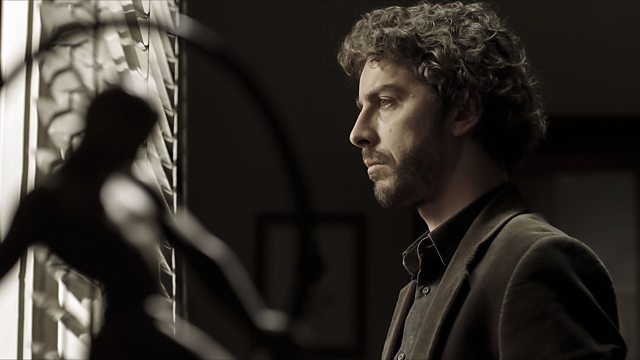
Young Montalbano (Michele Riondino) looking rather pensive

I thoroughly enjoyed the first series of The Young Montalbano, which did a stylish job of depicting the Italian policeman’s early years in 1990s Vigata, when he still had an unruly mop of hair. If you’re looking to escape from a wet and windy Blighty to sunnier shores, then this one could be for you. I blogged some background to the first series in this 2013 post. And here’s a link to Olivia Sellerio singing ‘Vuci mia cantannu vai’, which closed the series 1 episodes. Divine!

deutschland-83

The eight-part spy thriller Deutschland 83 (Germany 83) begins on Channel 4 on Sunday 3rd January at 9pm (in German with English subtitles). I can’t tell you how much I’m looking forward to seeing some quality German drama on our screens.

Here’s an overview from Channel 4:

‘It’s 1983. The Cold War is heating up. Russian SS20 Missiles in East Germany are pointed West, while American Pershing II Missiles in West Germany will soon be pointing East. Against this perilous political backdrop, DEUTSCHLAND 83, a gripping coming-of-age story and a suspenseful, fast-paced thriller, follows Martin Rauch (Jonas Nay), a 24-year-old East German, who is sent to the West as an undercover spy for the Stasi. Hiding in plain sight in the West German army, he must gather NATO military secrets while trying to resist the pleasures that the West has to offer. Everything is new to him, nothing is quite what it seems and everyone he encounters is harbouring secrets.

Stylish, fast-paced and utterly gripping, the series, created by German-American husband and wife team Anna and Joerg Winger, reveals the experiences of Germans from both sides of the Berlin Wall during a pivotal period of Cold War tensions.

The series was the first German-language drama ever to air in the US, proving a hit on Sundance TV channel this summer where it has was hailed as “engrossing” (Time Magazine), “slick” (The Hollywood Reporter) and “fresh and enjoyable” (The New York Times).’

Here’s the Sundance trailer of Deutschland 83 to give you a taster – with a storming 80s soundtrack:

The series premieres on the same day as Walter Presents, a new, FREE digital service showcasing ‘the best in world drama’ and available exclusively on All 4. The creation of this service testifies to the progress British TV has made in relation to foreign-language drama in recent years. Subtitled films/dramas, once the preserve of indie cinemas and international film nuts, are now positively mainstream, which is splendid. Judging by the website, there will be lots of international crime goodies available on Walter Presents, including the marvellous ‘Cenk Batu’ episodes from the German series Tatort. This Independent article has further details about the line up.

WP LOGO

GoetheKrimi! A report on the Goethe-Institut/New Books in German crime event

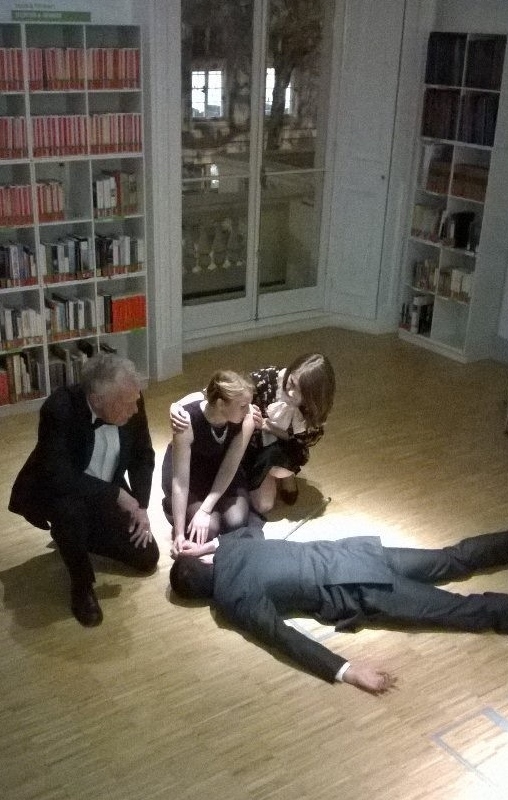
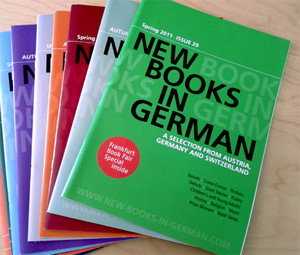
The Goethe Institut/New Books in German crime fiction evening – ‘In the Library with the Lead Piping’ – took place in London last week and was a rip-roaring success. We had an audience of around fifty, who gamely took part in our murder mystery and listened with rapt attention to authors Mechtild Borrmann, Mario Giordano, Michael Ridpath and Louise Welsh as they read from and discussed their work.

22475997513_e5f5d40f22_b

Who killed Macneath? The evening began with a murder in the library…

23071022116_8d3680d396_z

…before moving on to the readings and a discussion.

The panel discussion focused on Mechtild Borrmann’s ‘Kleve’ police procedurals and her historical novel Silence (Amazon Crossing); Michael Ridpath’s spy novel Traitor’s Gate and his Icelandic ‘Fire and Ice’ series; Mario Giordano’s screenwriting for the TV crime series Tatort (Crime Scene) and his comic crime novel Aunt Poldi and the Sicilian Lions (Bitter Lemon Press, 2016); and Louise Welsh’s psychological thrillers The Bullet Trick and The Girl on the Stairs.

As moderator, I thoroughly enjoyed putting some juicy questions to the authors about their works… 

We explored why British authors Michael and Louise chose to write novels set in Germany (Traitor’s GateThe Bullet Trick and The Girl on the Stairs); the authors’ use of settings (from urban Berlin and small-town Germany to the island of Sicily); German regional crime and the Soziokrimi or social crime novel (the ‘Kleve’ series and Tatort); the use of crime fiction to celebrate plural cultural identities (Aunt Poldi); the role of transgressive women in German film and crime (Pandora‘s Box, The Girl on the Stairs, Aunt Poldi); the challenges of writing about the Nazi past (Traitor’s Gate, Silence) and on contemporary Iceland (‘Fire and Ice’ series). We also discussed whether the former East Germany could be the next big thing in historical crime fiction or whether it was still too early to focus on this era (the authors had differing views on this point). The audience put some great questions too, asking to what extent the authors worked together with their translators, whether or not they wrote with their future readers in mind, and the nature of Ingrid Noll’s influence on contemporary German crime writing (huge).

22678870427_ce219d7386_z

Ernst the duck was the evening’s mascot – a potent reminder of the pitfalls of national stereotyping…

All in all, it was an excellent evening. Huge thanks to everyone who came along, and to Jens Boyer at the Goethe Institut London and Charlotte Ryland of New Books in German for organising such a fantastic event – Charlotte also did sterling work as a translator during the panel discussion!

We managed to interview each of the authors about their works ahead of the event – I’ll add some links to the podcasts here soon.

And here’s a good blog post by Alyson Coombes on one of Mechtild’s novels – The Other Half of Hope – which will hopefully be translated soon.

Goethe Krimi (10)

Left to right: Jens Boyer, Kat Hall, Charlotte Ryland, Louise Welsh, Mechtild Borrmann, Mario Giordano and Michael Ridpath. Photo by www.londonvideostories.com

Goethe-Insitut-50-LOGO-004      new-books-in-german

In other news, the final proofs of the Crime Fiction in German volume have just arrived from the University of Wales Press. All that remains to be done is the index, a job I enjoy as it always throws up entertaining entries. I’ll leave you to wonder how ‘Elvis Presley’, ‘Cagney and Lacey’ and ‘Dragnet‘ fit into the history of German-language crime writing!

German CF cover final

Marlon James wins 2015 Man Booker Prize for A Brief History of Seven Killings

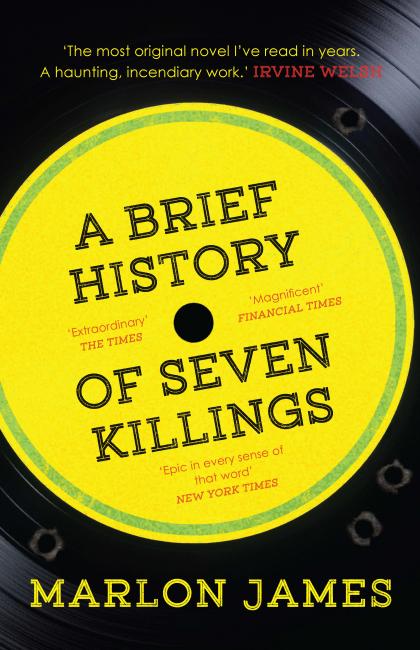
It’s rare that I post twice in one week, but I couldn’t let the news pass that a Jamaican literary crime novel has won the 2015 Man BookerMarlon James’ A Brief History of Seven Killings (OneWorld).

Marlon James-A Brief History of Seven Killings

It’s the second time in recent years that a novel featuring strong elements of crime has won the prize – the other being Eleanor Catton’s The Luminaries in 2013. It’s also the first time a Jamaican author has won the prize in its 47-year history.

I picked up A Brief History of Seven Killings in the summer without realising it was a contender for the Man Booker. At that point I was simply intrigued by the novel’s title, its striking cover, and the central event it examines – the attempted murder of reggae superstar Bob Marley in Jamaica in 1976. Here’s the Man Booker summary of the novel to give you an idea of its scope:

>> On 3 December 1976, just weeks before the general election and two days before Bob Marley was to play the Smile Jamaica concert to ease political tensions, seven men from West Kingston stormed his house with machine guns. Marley survived and went on to perform at the free concert. But the next day he left the country and didn’t return for two years.

Inspired by this near-mythic event, A Brief History of Seven Killings takes the form of an imagined oral biography, told by ghosts, witnesses, killers, members of parliament, drug dealers, conmen, beauty queens, FBI and CIA agents, reporters, journalists, and even Keith Richards’ drug dealer. The story traverses strange landscapes and shady characters, as motivations are examined – and questions asked. <<

22148764882_9bcffebe57_z

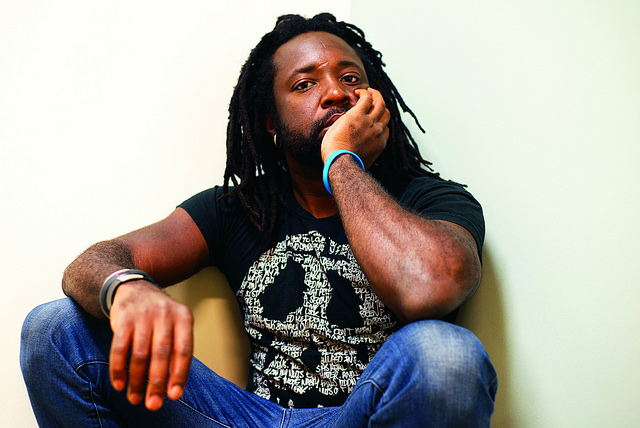
Marlon James by Jeffrey Skemp (Man Booker Prize)

I’m about half way through the novel at the moment and am finding it a rich and challenging reading experience – in the best possible sense:

  • It’s anything but a ‘brief history’. The novel is 686 pages long and features over 75 characters, fifteen of which have narrative voices. There’s a helpful ‘cast of characters’ at the beginning that’s four pages long.
  • The opening chapter secured my attention right away. It’s narrated by a dead man: murdered former politician Sir Arthur Jennings (‘nobody falls that way without being pushed’). Criminal acts and criminality are at the heart of the novel.
  • The first three sections are set in Kingston, Jamaica, and show life in the ghetto, offering a brilliant, but *extremely* hard-hitting depiction of how grinding poverty, gang violence and political turbulence are entwined. Many of the narrators use Jamaican patois and have a stream of consciousness style, which may take a little while to get used to, but is rewarding once you do.
  • The novel illuminates race, class and gender relations via a number of characters, including a gay gang member and a young woman who had a brief liaison with ‘The Singer’. I’m particularly looking forward to seeing where Nina Burgess’ story goes. You can read an extract from one of her chapters here.
  • And then of course there’s the world of ‘The Singer’, his possibly naive attempts to intervene in politics, and the stories of the men who attack him, which are the novel’s principal structuring device.

britain-booker-prize

Here’s a selection of articles on the author and the novel:

Craig Sisterson, ‘Crime Novel wins Man Booker!‘, Crime Watch blog: an exploration of the novel’s crime credentials and reactions to the win.

Nicholas Blincoe reviews the novel for The Telegraph and compares it to James Ellroy’s LA Quartet. Warning: contains spoilers, but also helpful information about the historical and political contexts in which the novel is set.

Paula Cocozza, ‘Man Booker Winner Marlon James’: ‘I was the nerd, I wasn’t into sports, assumed gay’The Guardian. Profile of the author, which notes that the novel was rejected 78 times before securing a publishing deal.

Michiko Kakutani, ‘Jamaica via a Sea of Voices’New York Times, in which the novel is described as being ‘like a Tarantino remake of “The Harder They Come” but with a soundtrack by Bob Marley and a script by Oliver Stone and William Faulkner, with maybe a little creative boost from some primo ganja’.

Tim Martin, A Brief History of Seven Killings is violent, shocking – and a worthy winner of the 2015 Man Booker Prize’, The Telegraph. Again, comparisons are made to Ellroy: ‘Following Ellroy, it involves itself deeply in the intricate plotlines of the crime genre’.

In sum, an extraordinary novel, and it’s wonderful to see it win such a major literary prize.

Smörgåsbord: New BBC crime (River, Arne Dahl) & German Histo-Krimis

There are some tasty morsels on offer this week…

WARNING: Embargoed for publication until 04/08/2015 - Programme Name: River - TX: n/a - Episode: River - First Look (No. n/a) - Picture Shows: EMBARGOED UNTIL 00:01HRS, TUESDAY 4th AUGUST, 2015 John River (STELLAN SKARSGARD) - (C) Kudos - Photographer: Nick Briggs

John River (STELLAN SKARSGARD) – (C) Kudos – Photographer: Nick Briggs

Tonight (Tuesday 13 October, 9.00-10.00) sees the start of an intriguing new six-part crime drama on BBC One.

River is set in London, but stars well-known Swedish actor Stellan Skarsgård as police officer John River – just the latest evidence of the mark Scandinavia is making on our crime culture. The series is a police procedural with a twist, because it seems that River is able to commune with the dead, including his former colleague ‘Stevie’ Stevenson (played by Nicola Walker, who’s also the police lead in Unforgotten over on ITV at the moment). I’m very interested to see how the excellent Cardiff-born screenwriter Abi Morgan pulls this idea off, which we see surfacing in crime series every now and then – the 1969/70 TV series Randall and Hopkirk (Deceased) springs to mind, as do the historical crime novels of Maurizio de Giovanni, featuring Commissario Riccardi. The image of detectives haunted by the victims of cases they haven’t yet managed to solve is a very powerful one, and in the hands of these actors, could be very effective indeed.

There’s a nice interview with Stellan Skarsgård by Jake Kerridge in today’s The Telegraph.

UPDATE: I’ve just watched Episode 1 and am VERY excited. This is one of the best British crime dramas I’ve seen in a long time (probably since Happy Valley). It has a hugely original premise, which is flawlessly executed, and the writing and acting are both top-notch. The opening, which involves an ABBA reference, Tina Charles’ ‘I Love to Love’ and a gritty chase scene, had me completely gripped, and if anything, things just got better from there. Skarsgård is particularly good, projecting an almost tangible sense of grief following the loss of his colleague Stevie, but there are a number of other great characters too, from Stevie herself to River’s no-nonsense boss and new partner Ira (look out for a breathtakingly audacious quip after they are introduced). The cinematography and styling are also wonderful: London takes on a Bladerunner feel in places and there is a striking use of colour (reds, greens and blues in particular). Original – stylish – brilliantly written and acted: make sure you watch this SOON.

Arne-Dahl-Series-2-cast

The A-Unit team, series 2

Over on BBC Four, Beck is making way for Arne Dahl, which starts on Saturday, 17. October at 9.00. This is the second series about the Swedish A-Unit – an ensemble police drama with a number of quirky characters, including a new team-member I’m pleased to see is a languages expert. I have to confess that I never completely got into series 1, but know that plenty of viewers did. The first episode involves the murders of a number of Polish women and is in Swedish and Polish with subtitles. In it, we also see Kerstin Holm take up her new role as A-Unit leader.

bj

Lastly, historical crime fans may be interested in a piece that Marina Sofia and I have written about German Histo-Krimis over at ‘Crime Fiction Lover. Our flimsy cover was a celebration of the Oktoberfest (cue naff picture of Bier maidens), but what we really wanted to do was tell everyone about the MASSES of great historical crime fiction that’s been produced in Germany, Austria and Switzerland, especially since reunification. Some of the novels are already in translation, others are not (needless to say, we’re working hard on getting the latter published in English…).

Calling the hive mind! Looking for crime novels that feature Nazi war-crimes trials

***If you have a spare minute, I’d be really grateful for your help***

I’m currently writing up a journal article on war crimes trials in Nazi-themed crime fiction. I’m interested in how crime novels since 1945 represent war crimes trials in relation to larger debates about their judicial, social and moral value, and to what extent they show legal justice as succeeding or failing.

Legal_scale-300x270

I’ve identified around 50 Nazi-themed novels that focus extensively on the theme of post-war justice, but only a much smaller number that depict or discuss war crimes trials. So the question is, can you help me find more? Here’s what I’ve got at the moment:

Crime novels (and films) containing depictions of Nazi war crimes trials:

  • William Brodrick, The Sixth Lamentation. London: Time Warner, 2004 [2003].
  • Gordon Ferris, Pilgrim Soul. London: Atlantic 2013.
  • David Thomas, Ostland. London: Quercus, 2013.
  • Joseph Kanon, The Good German. London: Time Warner, 2003 [2001].
  • Judgement at Nuremberg, dir. Stanley Kramer, 1961.
  • Music Box, dir. Constantin Costa-Gavras, 1989.
AAA ostland

This novel explores the case of Georg Heuser and his 1963 trial in West Germany

Others that feature discussion of Nazi war crimes trials include:

  • Frederick Forsyth, The Odessa File. London: Arrow, 2003 [1972].
  • Gerhard Harkenthal, Rendezvous mit dem Tod [A Date with Death]. Berlin: Buchverlag der Morgen, 1962.
  • Edgar Hilsenrath, Der Nazi & der Friseur [The Nazi and the Barber]. Munich: Piper, 2000 [1977].
  • Ira Levin. The Boys from Brazil. New York: Dell Publishing, 1976.
  • Brian Moore, The Statement. London: Flamingo, 1996 [1995].
  • Ian Rankin, The Hanging Garden. London: Orion, 1998.
  • Ferdinand von Schirach, Der Fall Collini [The Collini Case]. Munich: Piper, 2011.

Can you think of any others? They can be from anywhere in the world and don’t necessarily need to be in translation. Thanks in advance for your help 🙂

Deutschi Crime Night and the ‘Crime Fiction in German’ volume

The wonderful Deutschi Crime Night took place yesterday at Waterstones Piccadilly. The panelists were Austrian author Bernhard Aichner, German author Sascha Arango, the acclaimed translator Anthea Bell, New Books in German editor Charlotte Ryland and me, with Euro Noir expert Barry Forshaw in the chair – who did us proud.

Embedded image permalink

Photo by Charlotte Ryland

The discussion was wide-ranging and fascinating, and included the following: Sascha on his decision to set The Truth and Other Lies in a unidentifiable, universal space (like Nesser’s ‘van Veeteren’ series), in contrast to the regionally rooted writing he does for the Kiel episodes of the German TV crime drama Tatort (Crime Scene), and about the influence of Patricia Highsmith’s Ripley series on his writing; Bernhard on his creation of the ‘lovable serial killer’ Blum and the research he carried out for Woman of the Dead in a funeral home and at autopsies; Anthea on the process of translating the novel, which she really enjoyed, and on translating more generally, which she described as ‘finding the author’s voice’.

In addition, we took a canter through the crime fiction of Germany, Austria and Switzerland, discussing early German-language crime, crime greats from the Weimar period such as Fritz Lang’s M, Nazi crime fiction, Austrian crime fiction’s use of satire, Swiss writer Friedrich Dürrenmatt’s complex detective figures, and the boom in historical crime fiction since the fall of the Berlin Wall in 1989 (I drew on the forthcoming Crime Fiction in German volume when making my contribution to this portion of the discussion, of which more below). Charlotte filled us in on the work of New Books in German and some crime fiction coming our way soon, including the beguilingly entitled Der nasse Fisch (The Wet Fish) by Volker Kutscher and Melanie Raabe’s Die Falle (The Trap). She also helped us ponder the question of why German-language crime hasn’t quite had the breakthrough it deserves in the UK, with a publisher in the audience adding that she was confident it has the capacity to do so. A good boost would be provided by some German-language crime in the BBC4 Saturday crime slot…

Waterstones crime event

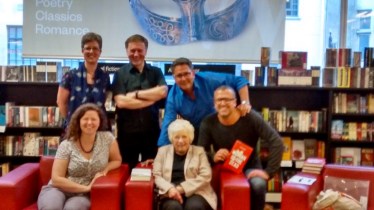
Anti-clockwise from front: Charlotte Ryland, Anthea Bell, Bernhard Aichner, Sascha Arango, Barry Forshaw, Mrs Pea (photo by Jennifer Kerslake)

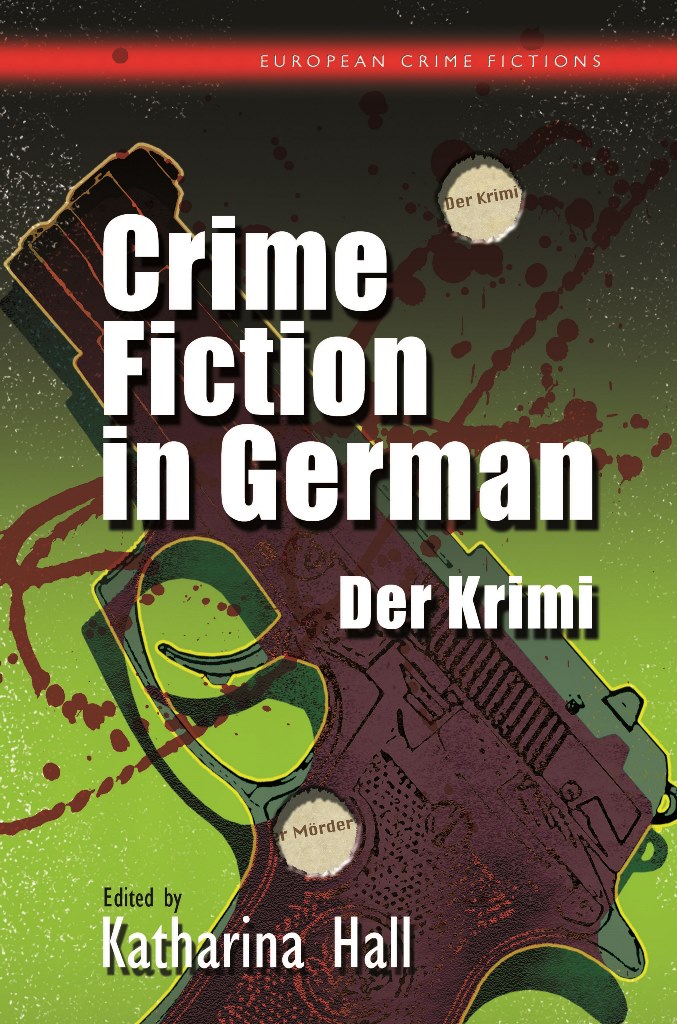
Barry also kindly gave me the opportunity to talk about the Crime Fiction in German volume, which is out in March 2016 and will provide the first comprehensive overview in English of German-language crime from its origins in the 1800s to the present day. I’ve set up a tab about the volume here, and you can see further details on the University of Wales Press website. The volume is part of the UWP ‘European Crime Fictions‘ series, which already contains volumes on French, Italian, Iberian and Scandi crime.

The cover for the Crime Fiction in German volume has just been finalised and looks gorgeous. I love the psychedelic green (Schwarzwald on speed?) and the lashings of blood. And just look at those clever little bullet holes.

German CF cover final

Finally, as a few people from our lovely audience were asking for reading recommendations after the event, here are some past ‘Mrs. Peabody Investigates’ posts about German-language crime:

Alles Gute und viel Spaß!