Up to snow good! Mrs. Peabody’s top crime of 2024

Here is Mrs. Peabody’s top crime list for 2024 — featuring some of my very best reads from the last 12 months (though not necessarily published this year). The books are set in America, Australia, Finland, France, Italy, Japan, Malaysia, Norway, and Spain. 

Perfect gifts for the festive season! Treat others! Treat yourself! Support indie publishers and local booksellers!

Antti Tuomainen, The Burning Stones, tr. from the Finnish by David Hackston (Orenda Books 2024, 271 pp.)

Setting: Rural Finland

First lines: Aaaaahhhhhhh. The steam spread over his skin like a hot, damp blanket, and flowed evenly and satisfyingly across his whole body.

Set in Puhtijärvi, a Finnish village nestled between a forest and a lake, The Burning Stones pays homage to the key role of the sauna in the nation’s wellbeing… whilst also cheerfully turning it into a crime scene.

When Ilmo Räty is found dead in the ashes of his sauna, the rest of his colleagues at Steam Devil, a leading sauna stove manufacturer, fall under suspicion. This is especially problematic for top saleswoman Anni Korpinen, as one of the police investigators holds an elk-related grudge against her family and the murderer seems to be doing their best to frame her. So: not only must Anni deal with her own mid-life crisis, she must also turn detective and ID the murderer before it’s too late. Hilarious and heart-warming in equal measure, The Burning Stones illuminates the rituals of the sauna and the delights of rural Finland. As ever, translator David Hackston does a fantastic job of conveying Antti Tuomainen’s distinctive dark humour and his eye for the idiosyncratic detail of everyday life. A delight. 

Tan Twan Eng, The House of Doors, Canongate 2023

Setting: Penang and Kuala Lumpur, 1910 (now modern-day Malaysia)

First lines: A story, like a bird of the mountain, can carry a name beyond the clouds, beyond even time itself. Willie Maugham said that to me, many years ago.

Tan Twan Eng’s The House of Doors is a wonderfully absorbing and multi-layered historical novel. It imagines how the final tale of W. Somerset Maugham’s 1926 Casuarina Tree — ‘The Letter’, based on the real Ethel Proudlock murder case — might have come about, while the author visits his old friend Robert Hamlyn. Told from the perspectives of Willie and Lesley, Robert’s wife, the novel brilliantly evokes Penang and Kuala Lumpur in the 1910s and 1920s.  See the full review here.

Antoine Laurain, French Windows, tr. from the French by Louise Rogers Lalaurie (Gallic Books 2024, 174 pp.)

Setting: Paris, France.

First lines: In the middle of the unevenly cobbled courtyard stands a tall tree. No one has ever quite determined its species; some people in the building see a wild cherry, others see an oak, though it has never produced an acorn.

Analyst Doctor Faber has a new patient with an unusual problem. Nathalia Guitry is a photographer who finds herself unable to take photos. The reason, we soon discover, is that she accidentally photographed a murder, leaving her understandably traumatised. As a way into therapy, Doctor Faber suggests Nathalia writes about the people she observes from her apartment window. Going up floor by floor, she pens detailed portraits of her neighbours, all of whom are intriguing in their own right. But how much of what she writes is true? And what will the story of the fifth floor reveal?

A Parisian Rear Window that offers insights into therapy, along with lashings of acerbic humour and Gallic charm, French Windows is the perfect stocking filler. Hats off to Louise Rogers Lalaurie for gifting us such a sparkling translation of this novel.
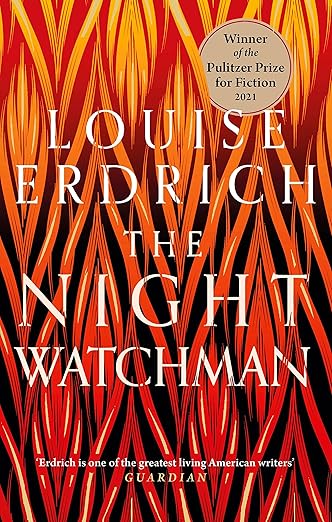
Louise Erdrich, The Night Watchman, Corsair 2021, 464 pp.

Setting: Turtle Mountain Reservation, North Dakota, 1953

First lines: Thomas Wazhashk removed his thermos from his armpit and set it on the steel desk alongside his scuffed briefcase. His work jacket went on the chair, his lunch box on the cold windowsill.

Louise Erdrich, one of my favourite writers, brings the 1950s community of the Turtle Mountain Reservation to life in this highly absorbing, polyphonic novel.

The Night Watchman‘s two main strands each have a criminal dimension. Patrice ‘Pixie’ Paranteau is a young woman whose work at the reservation’s factory allows her to provide for her mother and siblings. But her sister Vera recently vanished after moving to Minnesota, and Pixie now urgently needs to find her and her baby. At the same time, factory night watchman and Chippewa Council member Thomas Wazhashk is becoming seriously concerned about Resolution 108, which is due to go before Congress before too long. Styled as an ’emancipation’ bill, 108 threatens to abolish the official status of tribes as a means of appropriating yet more Native American land and rights — a wave of state-sanctioned violence that Thomas must somehow try to counter. 

The Night Watchman is at times very hard-hitting, but portrays the Turtle Mountain community with humour and warmth. While never sentimental, it shows the power of determination and grass-roots organisation (the character of Thomas is based on the author’s own grandfather), and the resilience and resourcefulness of women like Pixie. The novel won the 2021 Pulitzer Prize for Fiction. Highly recommended!
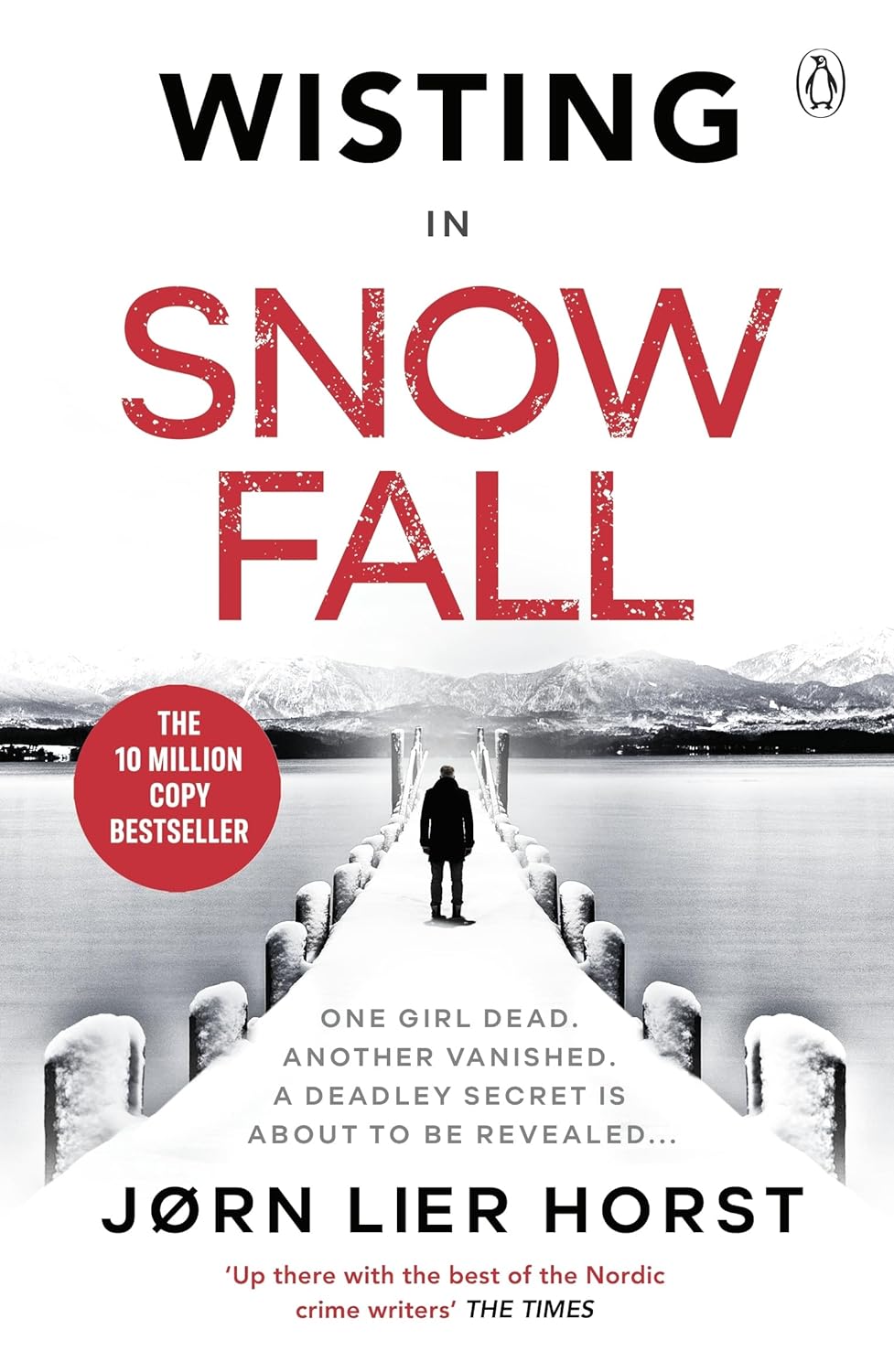
Jørn Lier Horst, Snow Fall, tr. from the Norwegian by Anne Bruce (Penguin 2024, 432 pp.)

Setting: Norway and Spain

First line: The email appeared on his screen at 15.37 on Friday 8 December.

As regular readers of this blog will know, I’m a huge fan of Jørn Lier Horst’s ‘William Wisting’ novels — consistently thoughtful and intelligent police procedurals that use their crime narratives to illuminate various facets of modern society.

Snow Fall sees Wisting being asked to investigate the disappearance of Norwegian woman Astri Arctander — a member of an online crime forum looking into the recent murder of backpacker Ruby Thompson in the town of Palamós in Catalonia. Wisting’s investigation takes him from Norway to Spain, and includes navigating a relationship between himself as a police representative and the modern-day online detectives, whose information is gathered outside of the law but may nevertheless be useful. By the way, the handle of one of the online sleuths is intriguing: a certain ‘Mrs Peabody’ who seems to know her crime fiction! The author has not yet confirmed or denied the inspiration for this character…

Snow Fall is an absorbing police procedural by a writer at the height of his powers, brought to us in style by Lier Horst’s long-standing translator, Anne Bruce. Quality holiday reading!
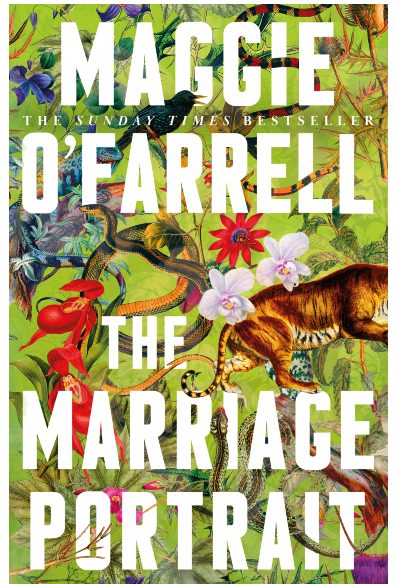
Maggie O’Farrell, The Marriage Portrait, Tinder Press 2022, 438 pp.

Setting: Sixteenth-century Italy

First line: Lucrezia is taking her seat at the long dining table, which is polished to a watery gleam and spread with dishes, inverted cups, a woven circlet of fir.

Maggie O’Farrell’s The Marriage Portrait was one of my star reads of the year. The author takes her inspiration from a snippet from history — the mysteriously brief life of Lucrezia di Cosimo de’ Medici (1545-1561) — and Robert Browning’s 1842 poem ‘My Last Duchess’, which suggests that Lucrezia was murdered by her husband, the Duke of Ferrara. The resulting novel is an outstanding example of literary crime — ingenious but with plenty of heart. Read my full review here.
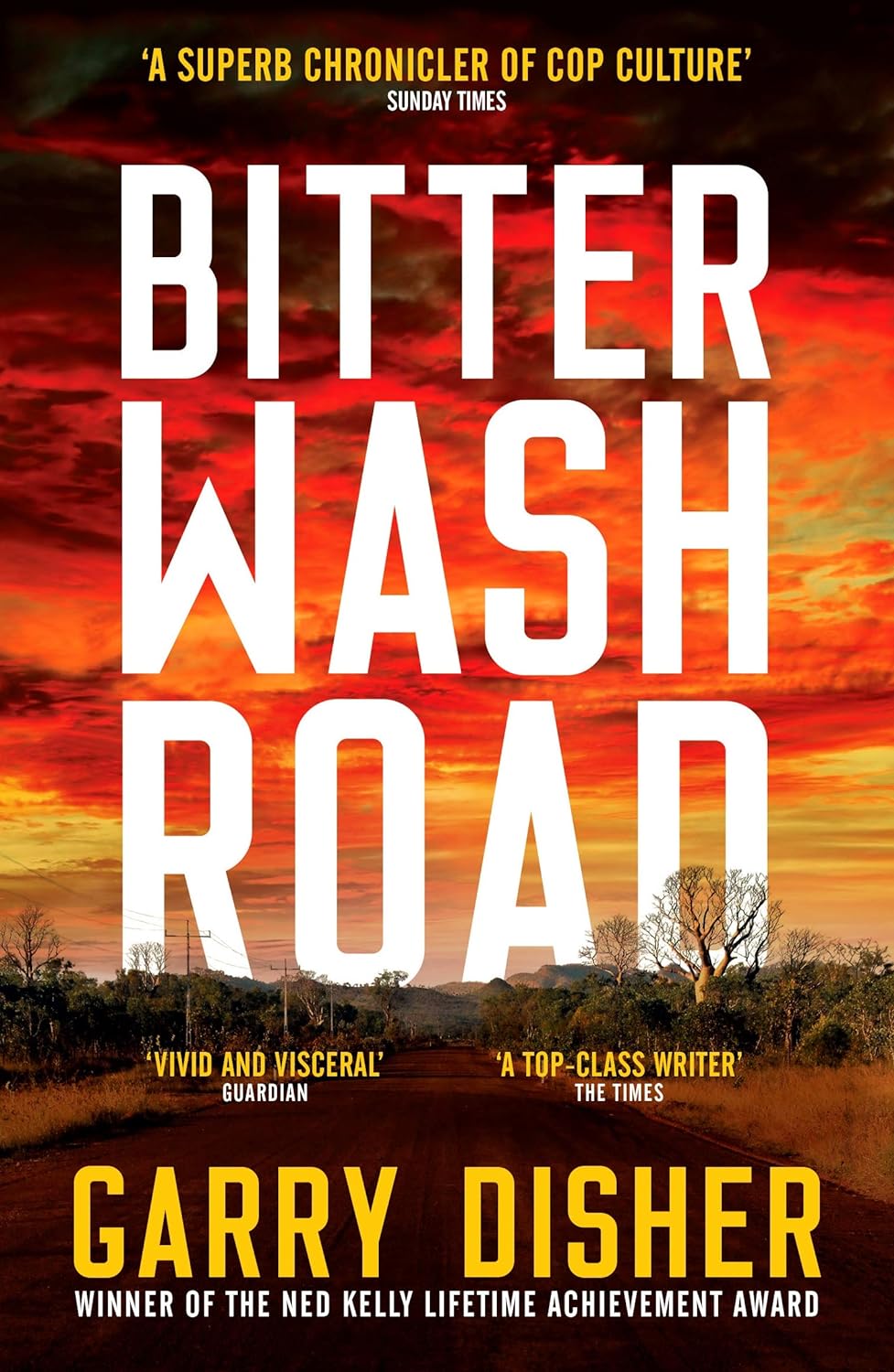
Garry Disher, Bitter Wash Road, Viper 2020, 416 pp.

Setting: Rural South Australia

First line: On a Monday morning in September, three weeks into the job, the new cop at Tiverton took a call from his sergeant: shots fired on Bitter Wash Road.

Bitter Wash Road is the first in Garry Disher’s ‘Constable Hirsch’ series. Paul ‘Hirsch’ Hirschhausen has recently found himself exiled from the city to a one-man cop shop in ‘wheat and wool country, three hours north of Adelaide’ — punishment for having dared to be a whistle-blower during a previous case. In Tiverton, the metropolitan cop must quickly adapt to rural policing — which is not always as quiet as one might think — and deal with the hostility of his new boss, the distinctly unenlightened Sergeant Kropp. Oh, and there’s likely to be a whole lot of extra fallout from Hirsch’s past too. 

This is an outstanding novel with great characterisation and a thrilling plot from the three-time winner of the prestigious Ned Kelly Award for Best Novel. I have the next in the series, Peace, lined up as one of my holiday reads.  
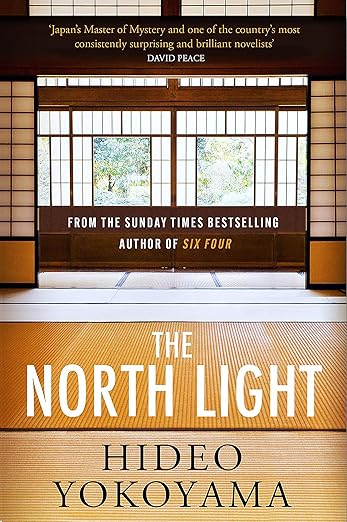
Hideo Yokoyama, The North Light, tr. from the Japanese by Louise Heal Kawai (RiverRun 2023, 408 pp.)  

Setting: Tokyo, Osaka and around Mount Asama, Japan

First line: In Osaka it had been raining since early morning.

The North Light is probably best described as a mystery and a meditation on middle age. Minoru Aose is a divorced architect who fell on hard times after Japan’s economic bubble burst in the 1990s. Although he now works for a small, reputable architectural firm, he seems to be largely out of touch with his feelings and unclear about what he wants from life.

Aose’s biggest achievement to date is the Yoshino house, a prizewinning residence near Mount Asama. His brief was to design a house that he himself would want to live in, and it is built to showcase the north light he loves. The chance discovery that the house is empty and the Yoshino family has vanished unsettles him greatly: he is both worried for the family and fearful that they hated the house. We accompany Aose as he unravels this mystery, a journey that reveals facets of his unusual childhood; the work of (real) German architect Bruno Taut, who fled Germany for Japan during the Nazi era; Japanese work culture; and the interplay of Japanese nature and architecture. Quietly gripping and beautifully translated by Louise Heal Kawai, this novel subverts the crime genre in extremely interesting ways.

Wishing you all a very Merry Christmas / Hanukkah / Happy Holidays!

In an unusually glamorous fashion, I’m just about to hop on a plane, so will catch up with your comments in a couple of days 🙂

All I want for Christmas is you! Mrs. Peabody’s 2023 top crime picks

Here’s Mrs. Peabody’s 2023 Christmas crime list — featuring some of my top reads of the last twelve months (though not necessarily from this year). The books are set in America, Argentina, Australia, Finnish Lapland, Ireland, Japan, Lebanon, Russia and the UK. 

Treat others! Treat yourself! Support local booksellers!

María Angélica Bosco, Death Going Down, tr. from the Spanish by Lucy Greaves (Pushkin Vertigo 2017; first published 1954)

Setting: 1950s Buenos Aires, Argentina

First line: The car pulled up in front of an apartment building on one of the first blocks of Calle Santa Fe, where the street opens out to a view across the wide Plaza San Martín.

María Angélica Bosco (1917-2006) is often styled as the Argentinian Agatha Christie, and this tightly plotted crime novel amply illustrates why. When glamorous Frida Eidinger is found dead in the lift of a luxury Buenos Aires apartment block, its residents — all of whom are hiding secrets beneath their respectable bourgeois exteriors — find themselves the main suspects in the case. While the police inspectors are no match for Christie’s Poirot, their investigation reveals the fascinating diversity of post-1945 Argentinian society. Those questioned include Germans and Bulgarians, many of whom are fleeing the complexities of a war-ravaged Old Europe. Or so they think. And as the novel’s first line shows, Bosco also paints an evocative picture of a unique South American city. A classic crime novel with a difference, deftly translated by Lucy Greaves

Jane Harper, Exiles (Pan Macmillan 2023)

Setting: present-day South Australia, wine country

First line: Think back. The signs were there. What were they?

How I love Jane Harper’s absorbing, intelligent crime fiction, which so elegantly plumbs the emotional depths of families and small communities. Exiles opens a year after the strange disappearance of Kim Gillespie, who was spotted multiple times at the Marralee Valley Food and Wine Festival before seemingly vanishing into thin air, leaving her baby tucked up in a pram for the festival organisers to find at the end of the night. Except no one can quite believe that Kim would have done this, and some of her family — especially her teenage daughter Zara — are convinced that something terrible has happened to her. What unfolds is a complex, multi-layered story that’s wholly convincing, with a cast of wonderfully realised characters. Exiles is the third in the ‘Aaron Falk’ trilogy, but can absolutely be read as a standalone (nothing from the previous books is given away). A top-notch read.

Jesse Sutanto, Vera Wong’s Unsolicited Advice for Murderers (HarperCollins 2023)

Setting: Chinatown, San Francisco, USA

First lines: Vera Wong Zhuzhu, age sixty, is a pig, but she really should have been born a rooster. We are, of course, referring to Chinese horoscopes. 

I’ve become fond of cosy crime novels over the last few years — a welcome antidote to the world’s rougher edges — but only if they have a bit of depth. Vera Wong’s Unsolicited Advice for Murderers, by Jesse Sutanto, is a great example of how a cosy can leave you feeling warm and uplifted while also engaging with serious issues, such as the damaging social loneliness that older people often experience. At first glance, Vera Wong is a ‘typical’ overbearing first-generation mother: opinionated, meddling and chronically attached to the ‘old ways’. Her traditional Chinese teahouse, which she built up and ran with her late husband, is now shabby and largely deserted, and she’s on the brink of a serious depression. Until, that is, she finds a body sprawled on the floor of her teahouse, and decides to investigate the murder in her own unique way… I listened to the audiobook, which was fabulously narrated by Eunice Wong and made me laugh out loud. Lovers of Chinese cuisine will delight in the mouth-watering descriptions of various Chinese teas and dishes. A skilfully written cosy with heart.

Ben Macintyre, A Spy Among Friends (Bloomsbury 2015)

Setting: 20th-century England, Russia, Lebanon

First line: Two middle-aged spies are sitting in an apartment in the Christian Quarter, sipping tea and lying courteously to one another, as evening approaches.

Back in January, I watched the ITV adaptation of A Spy Among Friends, featuring two excellent performances by Guy Pearce and Damian Lewis. That made me seek out Ben Macintyre’s jaw-dropping book, which tells the true story of Kim Philby, possibly the most notorious of all double agents, who spent decades spying for Russia while working at the very heart of the British intelligence. Betraying one’s country should be the worst of the crimes the book explores, but  Philby’s extraordinary exploitation and betrayal of deep friendships comes a close second. A brilliantly researched piece of espionage history, this is non-fiction that reads like an incredibly exciting thriller. If you’re a John le Carré fan, this real-life Tinker Tailor Soldier Spy is most definitely for you.

Pair it with Macintyre’s The Spy and the Traitor (Penguin 2019), which tells the equally gripping story of Oleg Gordievsky, the Soviet double-agent who arguably helped to bring about the end of the Cold War, and Rosamund Pike’s podcast Mother, Neighbour, Russian Spy, which examines the more recent, astonishing case of ‘Cindy Murphy’, aka Lydia Guryev, a Russian spy who lived in deep cover in the United States for a number of years — a fact kept from her two American-born children.

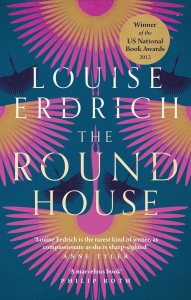
Louise Erdrich, The Round House (Corsair 2013 [2012])

Setting: 1980s North Dakota, USA

First line: Small trees had attacked my parents’ house at the foundation.

2023 was the year I discovered Louise Erdrich, and my Christmas list would be incomplete without her novel The Round Housea stunning dissection of a crime and its consequences. At the heart of the story are the Coutts family, who live on an Ojibwe reservation in North Dakota. When Joe’s mother Geraldine is raped and falls into a deep depression that threatens to destroy her, Joe and his father Bazil, a tribal judge, seek justice for her in different ways. This individual case also allows past crimes committed by the state against the Ojibwe, and especially Ojibwe women, to be illuminated. It’s an intricate, expertly told tale, and there’s a warmth and complexity to the main characters that’s hugely compelling. See my full review here.

Jess Kidd, Himself (Canongate, 2020)

Setting: rural 1970s Ireland

First line: Mahony shoulders his rucksack, steps off the bus and stands in the dead centre of the village of Mulderrig.

I recently re-read Jess Kidd’s Himself (for perhaps the third or fourth time), and fell in love with it all over again. As it’s not featured on one of my Christmas lists before, I’m going to sneak in this finely crafted gem here… It’s Ireland, 1976: Mahony, a charming young man brought up by nuns in a Dublin orphanage, returns to Mulderrig, a tiny village he recently found out was his birthplace. He’s the son of Orla Sweeney, who scandalised the village with her behaviour and supposedly disappeared in 1950. With the help of the eccentric Mrs. Cauley and a host of benign spirits who waft through walls, he starts uncovering the hypocrisies, secrets and malign power dynamics of the village. Utterly original, beautifully written and often wickedly funny, this is a crime novel to savour.

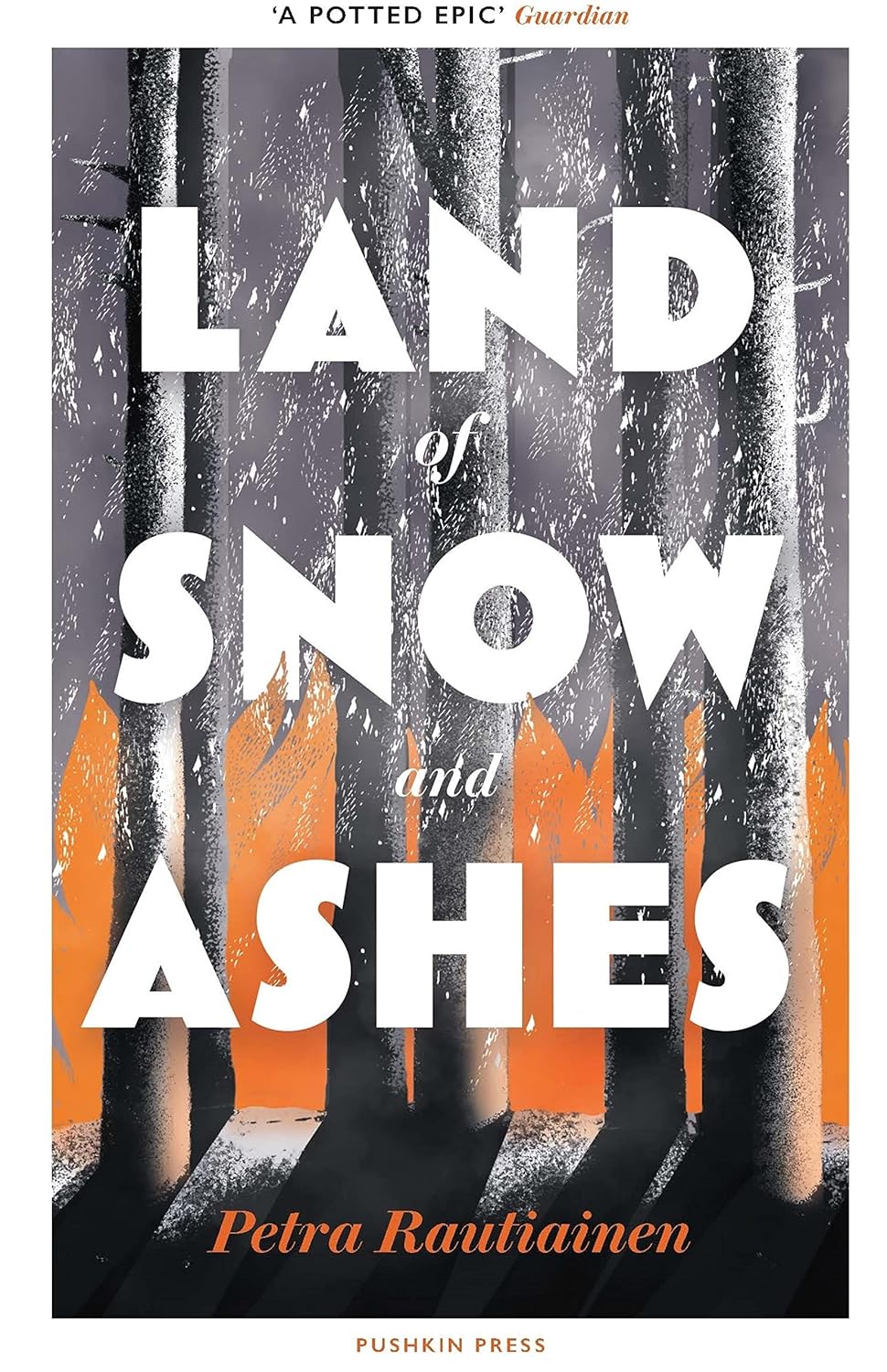
Petra Rautiainen, Land of Snow and Ashes, tr. from the Finnish by David Hackston (Pushkin Press 2022)

Setting: 1940s and 1950s Finnish Lapland

First line: I arrived in Inari yesterday, transferred from the penal colony at Hyljelahti. This new camp isn’t marked on Finnish maps.

Petra Rautiainen’s Land of Snow and Ashes is a historical crime novel that explores a lesser-known aspect of the Second World War: Finland’s brief alliance with Nazi Germany following its occupation of Finland, which included the establishment of a network of camps in Western Lapland. The novel initially unfolds along two timelines — 1944 and 1947 — which seem to lie very close together but are actually worlds apart. In 1944 the Nazi occupation and camps are still in place, while 1947 falls after the Nazi retreat that razed everything it could to the ground, including entire towns like Rovaniemi. We see events through the eyes of two very different narrators: young Finnish soldier Väinö Remes, an interpreter at the Inari camp, and photo-journalist Inkeri Lindquist, who is searching for her missing husband Kaarlo. Thoughtful consideration is also given to the impact on traditional Sámi ways of life by the war and Finnish attempts to ‘educate’ Sámi children in boarding schools in the post-war era. A hard-hitting but rewarding read, skilfully translated by David Hackston, and shortlisted for the Petrona Award.

Seichō Matsumoto, Point Zero, tr. from the Japanese by Louise Heal Kawai (Bitter Lemon Press 2024, [1958])

Setting: 1950s Tokyo and Kanazawa, Japan

If you’re given a book token for Christmas, then allow me to recommend Point Zero, out in February 2024 from Bitter Lemon Press — it’s just the thing to get your international crime reading off to a cracking start in the new year. I’ve long been a fan of Matsumoto’s work, but am particularly taken with this novel as it features a female investigative lead, which was surely ground-breaking for the time. Set in 1958, Point Zero tells the story of a young woman, Teiko Uhara, whose husband Kenichi vanishes shortly after their honeymoon. Deeply unsettled by his disappearance, Teiko visits the remote coastal city of Kanazawa, where Kenichi was last seen, to piece together what happened. As well as being an absorbing mystery, Point Zero is an accomplished social crime novel. Set less than fifteen years after the end of the Second World War, it skilfully depicts the tensions between traditional and modern Japan in the aftermath of the country’s military defeat, especially for a certain generation of Japanese women. Beautifully translated by Louise Heal Kawai, Point Zero is a reminder of the important role translations can play in illuminating other cultures and eras.

Wishing you all a very Merry Christmas and a Happy New Year!

Jingle all the way! Mrs. Peabody’s 2022 Xmas Crime List

Here’s Mrs. Peabody’s 2022 Christmas crime list — featuring crime set in America, Argentina, Australia, Canada, China, Japan and space! 

Treat others! Treat yourself! Support local booksellers!

Marcie R. Rendon, Murder on the Red River (Soho Press 2022 [2017])

Setting: 1970s Midwest America

Murder on the Red River is the first in a crime trilogy featuring Renee ‘Cash’ Blackbear. She’s just 19, both toughened and traumatized by a childhood in foster care after being taken from her Ojibwe family at the age of three. When not driving harvest trucks for local Midwest farmers or playing pool, Cash occasionally helps out Sheriff Wheaton — a lifelong ally. Following the murder of a Native American man, she gains access the victim’s community and progresses the investigation using cues from a series of visions. Cash is a wonderful, multifaceted character who will soon have you willing her on. The novel also shows her embarking on a personal journey against the backdrop of the Minnesota American Indian Movement (AIM), which is starting to make the historical crimes committed by European settlers visible. 

Seicho Matsumoto, Tokyo Express, tr. from the Japanese by Jesse Kirkwood (Penguin Modern Classics 2022; first published 1958)

Setting: 1950s Tokyo and Hakata Bay, Japan 

This beautifully translated Japanese crime novel is a classic by a master of the genre — a police procedural that shows how vital investigative doggedness is to closing out a case. The case in question is both simple and not so simple. A pair of young lovers from Tokyo are discovered lying on the beach of Hakata Bay in what looks to be a double-suicide. But an old hand in the local police force and a younger Tokyo inspector both suspect something is wrong. In tandem, they work out the true story of what took place. The pace of Tokyo Express is slow and quietly gripping, with lots of old-fashioned sleuthing that offers the reader lovely diagrams of station platforms and timetables to puzzle over. An elegant pleasure. 

Eva Jurczyk, The Department of Rare Books and Special Collections (Poisoned Pen Press 2022)

Setting: Canadian university library

Given the cover, you would be forgiven for expecting a light read, but The Department of Rare Books delivers something altogether more complex and rewarding. Liesl Weiss, the sixty-plus assistant director of the department in question, is recalled from her sabbatical after boss Christopher Wolfe is felled by a stroke. Tasked by the Chancellor with keeping donors happy and the show on the road, she immediately faces two crises: the disappearance of the newly acquired Plantin Polyglot Bible and a member of staff. Part literary mystery, part exploration of four decades in the lives of a close-knit but prickly group of librarians, and part coming-of-age story (it’s never too late!), this is an absorbing and surprisingly gritty crime novel. I will never look at a university librarian in the same way again.

Shelley Burr, Wake (Hodder & Stoughton 2022)

Setting: New South Wales, Australia

Burr’s hugely accomplished debut novel is set in and around the small, outback town of Nannine. Twenty years ago, Mina McCreerey’s nine-year-old twin sister Evelyn vanished from the remote family sheep farm in the middle of the night. The case remains unsolved, leaving Mina and her father in a terrible limbo — and prey for gossipy online forums that like to implicate them in the crime. When Mina is approached by Lane Holland, a maverick private investigator, she is initially wary. But Lane’s success in other cases gradually convinces her to give him a go — though she is unaware that he carries secrets of his own. Wake is both a sensitive portrayal of the long-term effects of trauma and a riveting, tightly plotted cold-case noir. 

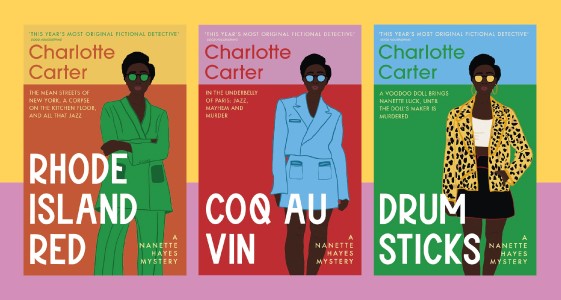
Charlotte Carter, Rhode Island Red (Baskerville 2022)

Setting: 1990s New York 

Charlotte Carter’s off-beat 1990s crime trilogy was reissued this year with a splendid new set of covers. Our heroine is Nanette Hayes, wise-cracking saxophonist, French translator and amateur sleuth. One afternoon after a street gig, she agrees to put up a charming fellow musician for the night, only to find him sprawled out murdered the following morning. Worse still, he turns out to have been an undercover cop, which brings lots of unwelcome attention to her door. Set in New York and steeped in the jazz of greats like Charlie Parker and Thelonious Monk, Rhode Island Red is a sparky, original take on the private eye novel, and explores a Black woman’s experiences in the Big Apple of the 1990s in a lively and nuanced way. 

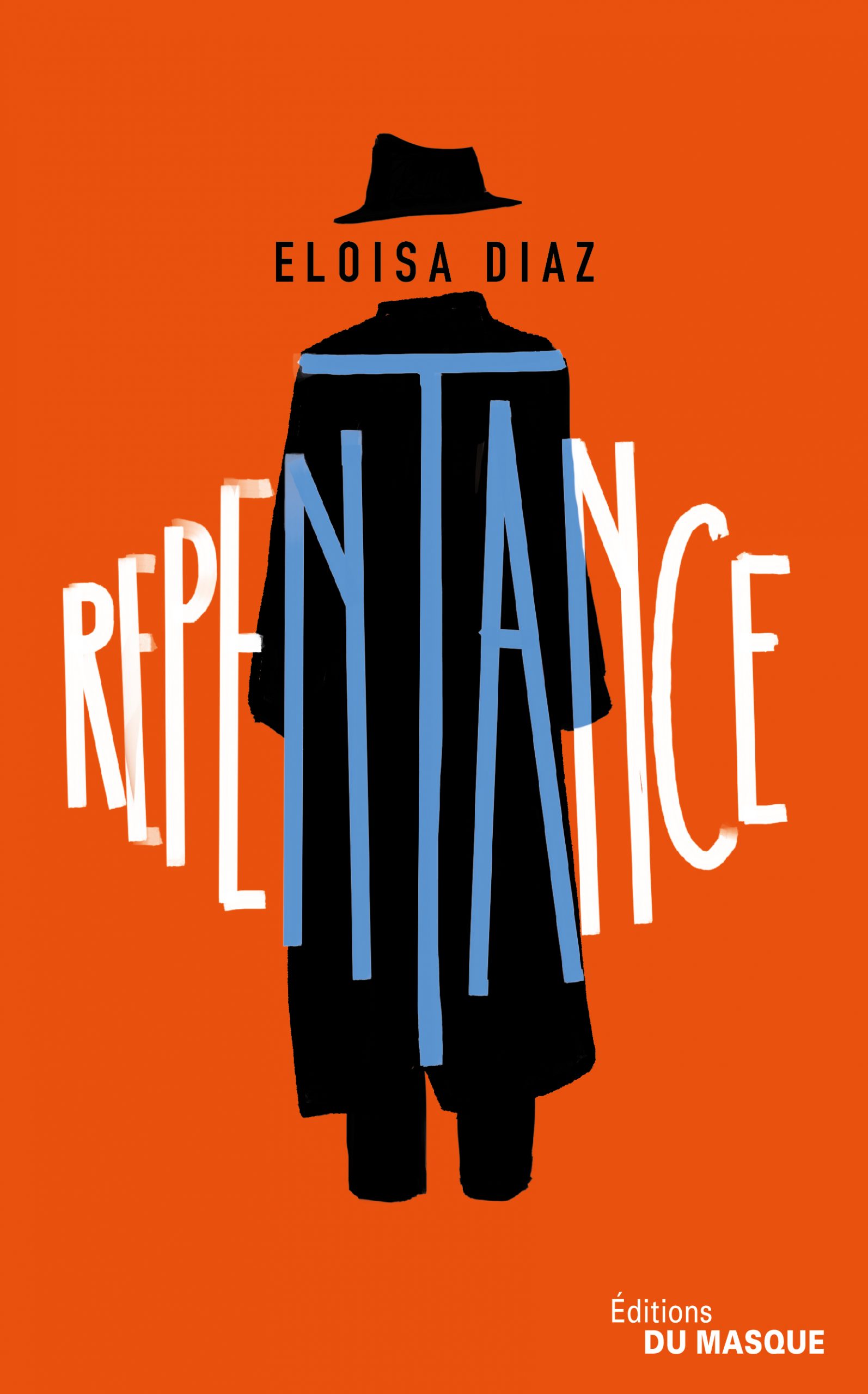
Eloísa Díaz, Repentance (Weidenfeld & Nicolson 2022)

Setting: Argentina in 1981 and 2001

Spanish author Eloísa Díaz drew on her Argentine family roots when writing this powerful historical crime novel. Repentance explores one ‘small story’, that of Buenos Aires police inspector Joaquin Alzada and his teacher brother Jorge, at two key historical junctures: 1981, when Argentina is in the grip of a military dictatorship that is disappearing young activists (The Dirty War) and 2001, when economic turmoil is bringing exasperated citizens out on the streets to protest. It’s at this point that Alzada, long since demoted to a desk job, gets to investigate a murder due to staff shortages — and then faces the eternal dilemma: whether to turn a blind eye to the injustices perpetrated by those in power or to do what he knows is right. There is, of course, no easy answer. Alzada is as complex as the history he’s caught up in — and his biting humour and love of family infuse the novel with warmth.

Kirstin Chen, Counterfeit (The Borough Press 2022)

Setting: America, Hong Kong, China

Counterfeit begins with Ava — a Chinese-American lawyer struggling with the demands of motherhood — telling Detective Murphy how she got entangled in the criminal activities of Chinese former college roommate Winnie. The latter had reinvented herself as a sleek and glamorous businesswoman, and was running an ingenious designer goods scam. But is Ava telling the whole truth or did things unfold a little differently? Behind this hugely entertaining tale lie some serious questions — first and foremost, what price freedom? The novel provides fascinating insights into modern Chinese society, the interplay of Chinese state capitalism and American consumerism, and the struggles of women to gain full control over their lives. Bonus: you’ll be immune to the lure of designer handbags once you’ve read this book.   

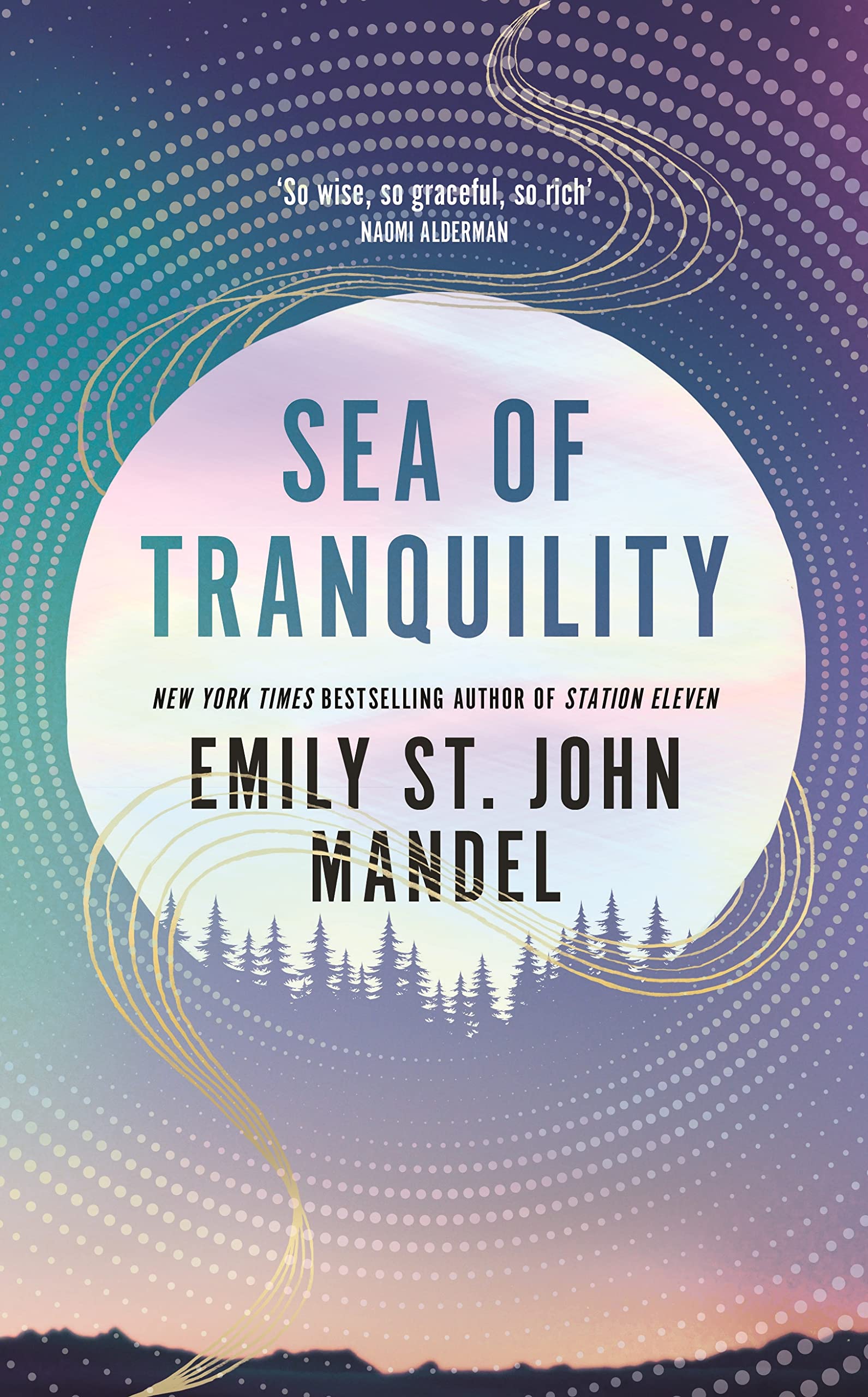
Emily St. John Mandel, Sea of Tranquility (Picador 2022)

Setting: Canada, the future, space

Get ready for a wild ride. In 1912, disgraced aristocrat Edwin St. Andrew experiences what he thinks is a hallucination. For a split second, in a remote forest on Vancouver Island, he senses a cavernous space and the sound of a violin. In 2203, a novel by Moon Colony Two dweller Olive Llewellyn contains a passage in which a man plays the violin in an airship terminal while trees rise around him. And in 2401, an era when time travel is a crime, Gaspery-Jacques Roberts is sent to investigate a space-time anomaly caught on film in 1994 — which features notes from a violin. It’s the start of Roberts’ sleuthing at various moments in time… Sea of Tranquility remains one of my all-time favourites this year: a genre-bending fusion of crime and science fiction. 

And if you’re looking for more top-quality international crime fiction, I’d thoroughly recommend Bitter Lemon Press and Orenda Books

Wishing you all a very Merry Christmas and a Happy New Year!

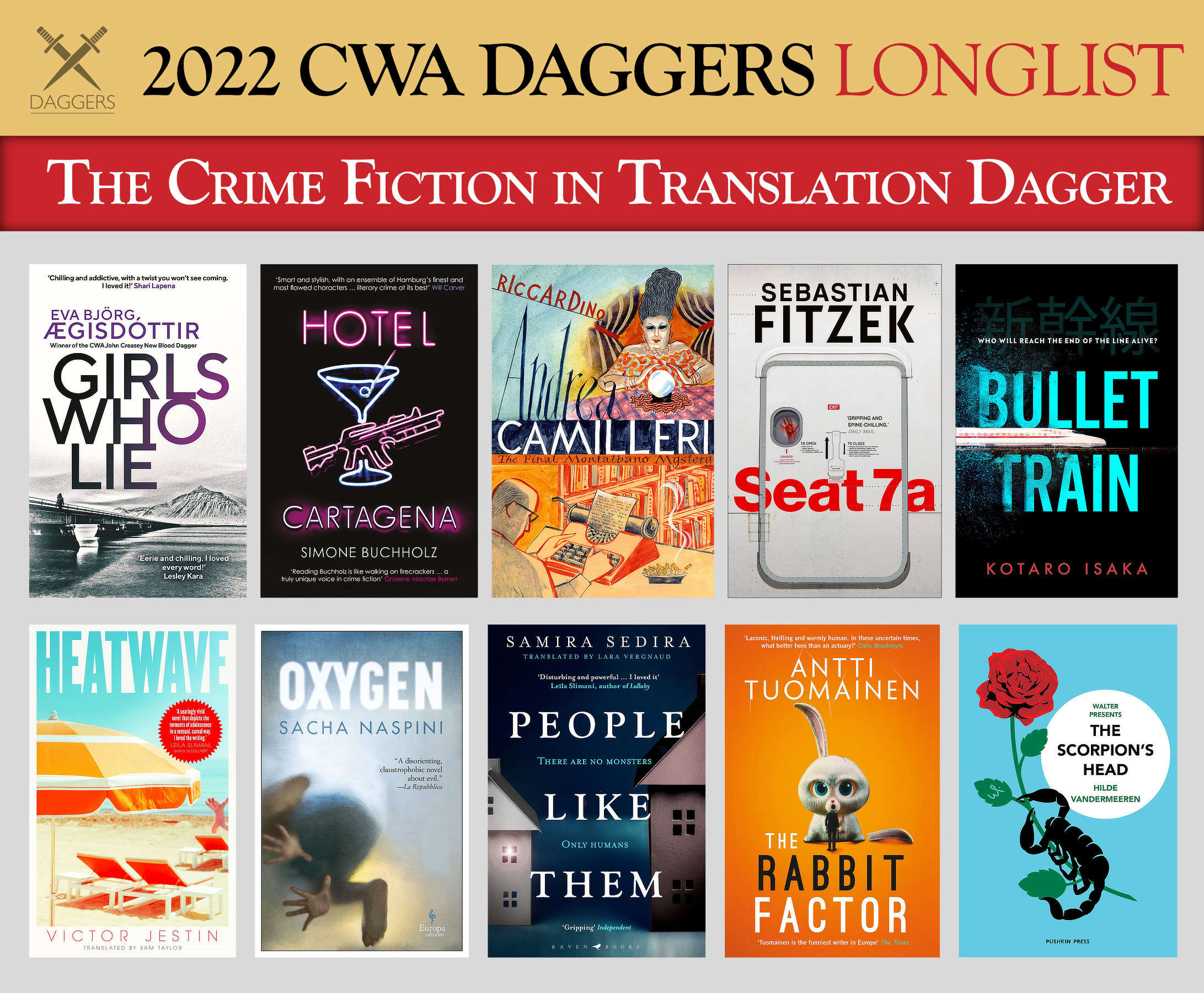
The 2022 CWA Daggers longlists: international crime galore!

The 2022 CWA Daggers Longlists were announced last weekend. For fans of international crime, the Crime Fiction in Translation Dagger is rightly the immediate draw, but a saunter through the other categories also reveals a wealth of international crime – both fiction and non-fiction.

The Crime Fiction in Translation Dagger Longlist

Eva Björg Ægisdóttir, Girls Who Lie, tr. Victoria Cribb, Orenda, ICELAND

Simone Buchholz, Hotel Cartagena, tr. Rachel Ward, Orenda, GERMANY 

Andrea Camilleri, Riccardino, tr. Stephen Sartarelli, Mantle, ITALY 

Sebastian Fitzek, Seat 7a, tr. Steve Anderson, Head of Zeus, GERMANY 

Kōtarō Isaka, Bullet Train, tr. Sam Malissa, Harvill Secker, JAPAN 

Victor Jestin, Heatwave, tr. Sam Taylor, Scribner, FRANCE 

Sacha Naspini, Oxygen, tr. Clarissa Botsford, Europa Editions, ITALY

Samira Sedira, People Like Them, tr. Lara Vergnaud, Raven Books, FRANCE 

Antti Tuomainen, The Rabbit Factor, tr. David Hackston, Orenda, FINLAND 

Hilde Vandermeeren, The Scorpion’s Head, tr. Laura Watkinson, Pushkin Vertigo, BELGIUM/GERMANY 

A tasty bunch, I’m sure you’ll agree… But because this blog’s definition of international crime fiction is very elastic (e.g. an international author or setting is more than enough to fire my interest) I took a good, hard look at the other categories as well.

Here’s a list of those that particularly caught my eye:

D.V. Bishop, City of Vengeance, MacMillan, 1536 Florence, ITALY (Gold Dagger & Historical Dagger)

Jacqueline Bublitz, Before You Knew My Name, Sphere, NEW ZEALAND/NEW YORK, USA (Gold Dagger)

S.A. Cosby, Razorblade Tears, Headline, USA (Gold Dagger & Steel Dagger)

Eloísa Díaz, Repentance, Weidenfeld & Nicolson, 1981/2001 BUENOS AIRES, ARGENTINA (New Blood Dagger)

Sonia Faleiro, The Good Girls: An Ordinary Killing, Bloomsbury, RURAL INDIA (ALCS Gold Dagger for Non-fiction)

Eliot Higgins, We Are Bellingcat: An Intelligence Agency for the People, Bloomsbury, THE WORLD (ALCS Gold Dagger for Non-fiction)

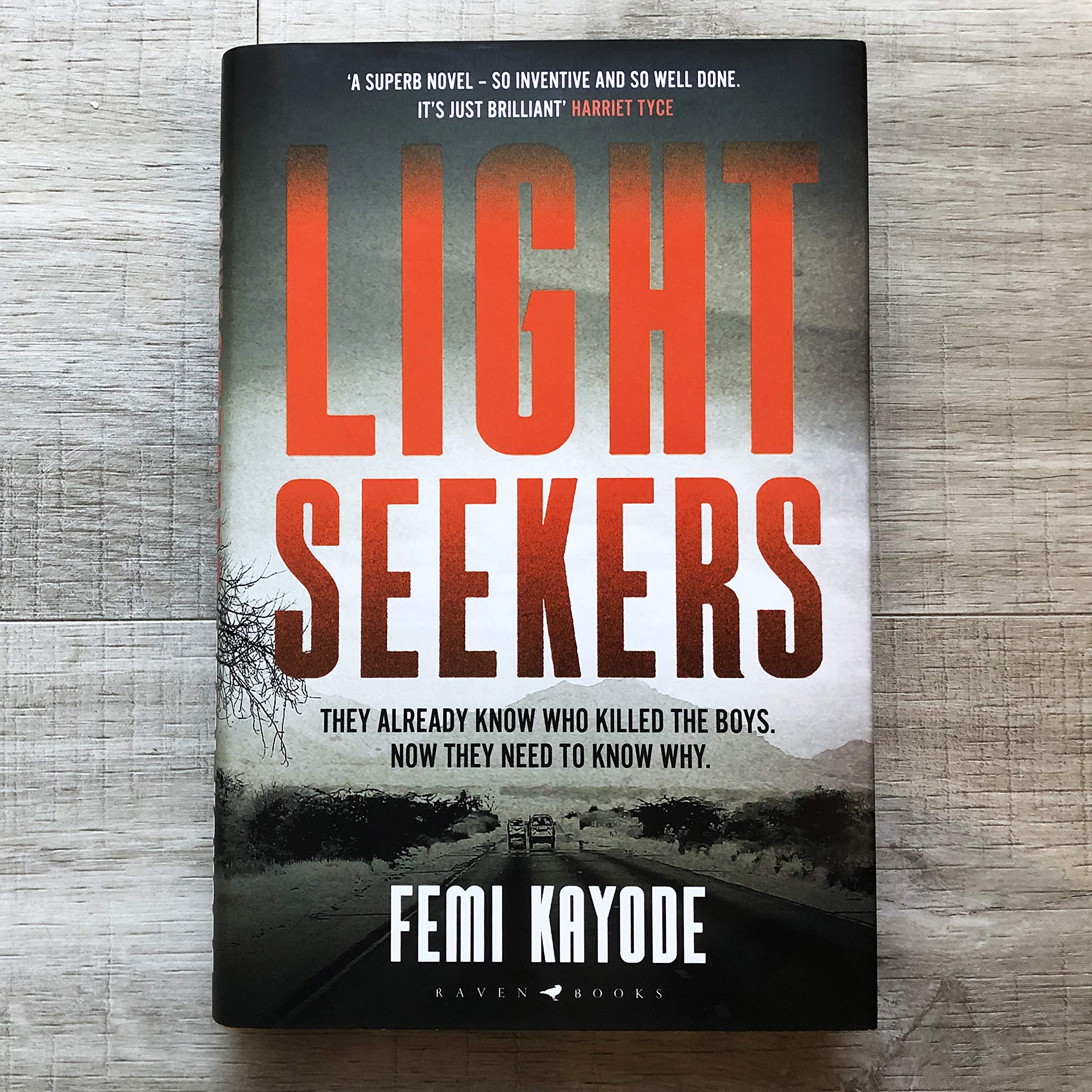
Femi Kayode, Lightseekers, Raven Books, NIGERIA (Gold Dagger)

Julia Laite, The Disappearance of Lydia Harvey, Profile Books, NEW ZEALAND, ARGENTINA, UK (ALCS Gold Dagger for Non-fiction)

Laura Lippman, Dream Girl, Faber, USA (Steel Dagger)

Abir Mukherjee, The Shadows of Men, Harvill Secker, UK/INDIA (Gold Dagger)

Håkan Nesser, The Lonely Ones, tr. Sarah Death, Mantle, NORWAY (Steel Dagger)

Karin Nordin, Where Ravens Roost, HQ, RURAL SWEDEN (New Blood Dagger)

Peter Papathanasiou, The Stoning, MacLehose, AUSTRALIAN OUTBACK (Gold Dagger & New Blood Dagger)

Rahul Raina, How to Kidnap the Rich, Little, Brown, DELHI, INDIA (New Blood Dagger)

Patrick Radden Keefe, Empire of Pain: The Secret History of the Sackler Dynasty, Picador, USA (ALCS Gold Dagger for Non-fiction)

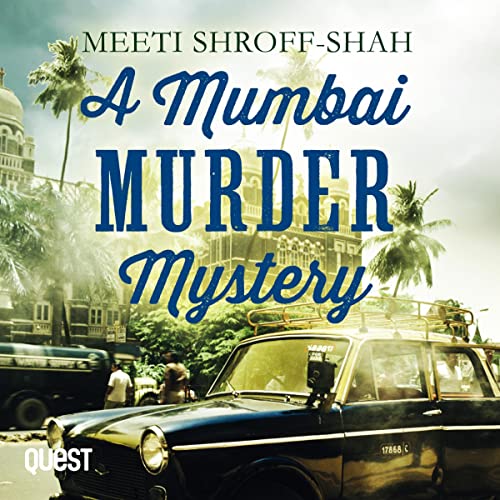
Meeti Shroff-Shah, A Mumbai Murder Mystery, Joffe Books, MUMBAI, INDIA (New Blood Dagger)

Joe Thomas, Brazilian Psycho, Arcadia, UK/SAO PAULO, BRAZIL (Gold Dagger)

Mark Wrightman, Waking the Tiger, Hobeck Books, 1940s SINGAPORE (New Blood Dagger)

Well, that should keep us going for while! Many congratulations to all the longlisted authors, translators and publishers. And a big thank you to the judges for their hard work in bringing us the best of the best.

Further info is available here:

CWA: https://thecwa.co.uk/awards-and-competitions/the-daggers (where you can also download a handy pdf of all the longlists)

Waterstones: you’ll find a page dedicated to the CWA longlists with gorgeous carousels for each category here – https://www.waterstones.com/category/cultural-highlights/book-awards/the-cwa-daggers

The dutiful policeman: Seicho Matsumoto’s Inspector Imanishi Investigates, tr. Beth Cary (Japan)

Seicho Matsumoto, Inspector Imanishi Investigates, tr. from the Japanese by Beth Cary, Soho Press, 2003 [1961].

Opening: The first train on the Keihin-Tohoku Line was scheduled to leave Kamata Station at 4:08 A.M.

First published in 1961, Inspector Imanishi Investigates is often viewed as a police procedural. But although it begins with a police investigation into the murder of a man found beneath a train, it soon turns into the story of Inspector Imanishi’s own quest to solve the case (as the title helpfully suggests). When the investigation is wound down due to lack of evidence, Inspector Imanishi simply refuses to give up: he painstakingly gathers clues until the full picture of the victim’s story, and that of his murderer, emerges.

One big difference between Japanese and Western police cultures becomes apparent in the process. Imanishi’s solo sleuthing isn’t viewed as a flouting of orders by his superiors, but rather as a laudable attempt to honour the victim and do a good job as a policeman, even if that means using his own time and resources. And when he uncovers vital clues, he reports back to his superiors as a matter of course, and the two continue working harmoniously together. The Western maverick police detective (think Serpico or Sarah Lund), in conflict with his/her superiors and the system, is conspicuously absent.

The pace of the investigation is leisurely with a number of dead ends. Like other police procedurals of the time, such as Sjöwall and Wahlöö’s ‘Beck’ series (1965-75), the novel conveys the often tortuously slow progress of police work, and the grit and determination required to solve a case. Some readers might find the pace a little slow, but there’s plenty to sustain interest: clues that involve regional dialects, theories of linguistic migration, bus timetables and postcards, as well as one of the most inventive murder weapons that’s ever appeared in a crime novel.

Along the way, there’s also intriguing detail about everyday Japanese life, customs, culture and food (circa 1961, at least). The conversations between individuals are always impeccably courteous, measured and polite – even between the police and the criminals they’re arresting.

The only aspect of the novel that grated was the uniformly subservient characterisation of women. I’d be interested to know if this portrayal stemmed from the author’s own attitudes or was simply a reflection of women’s social status and role in Japanese society at the time. If the latter, then I sincerely hope things have moved along in the sixty years since then.

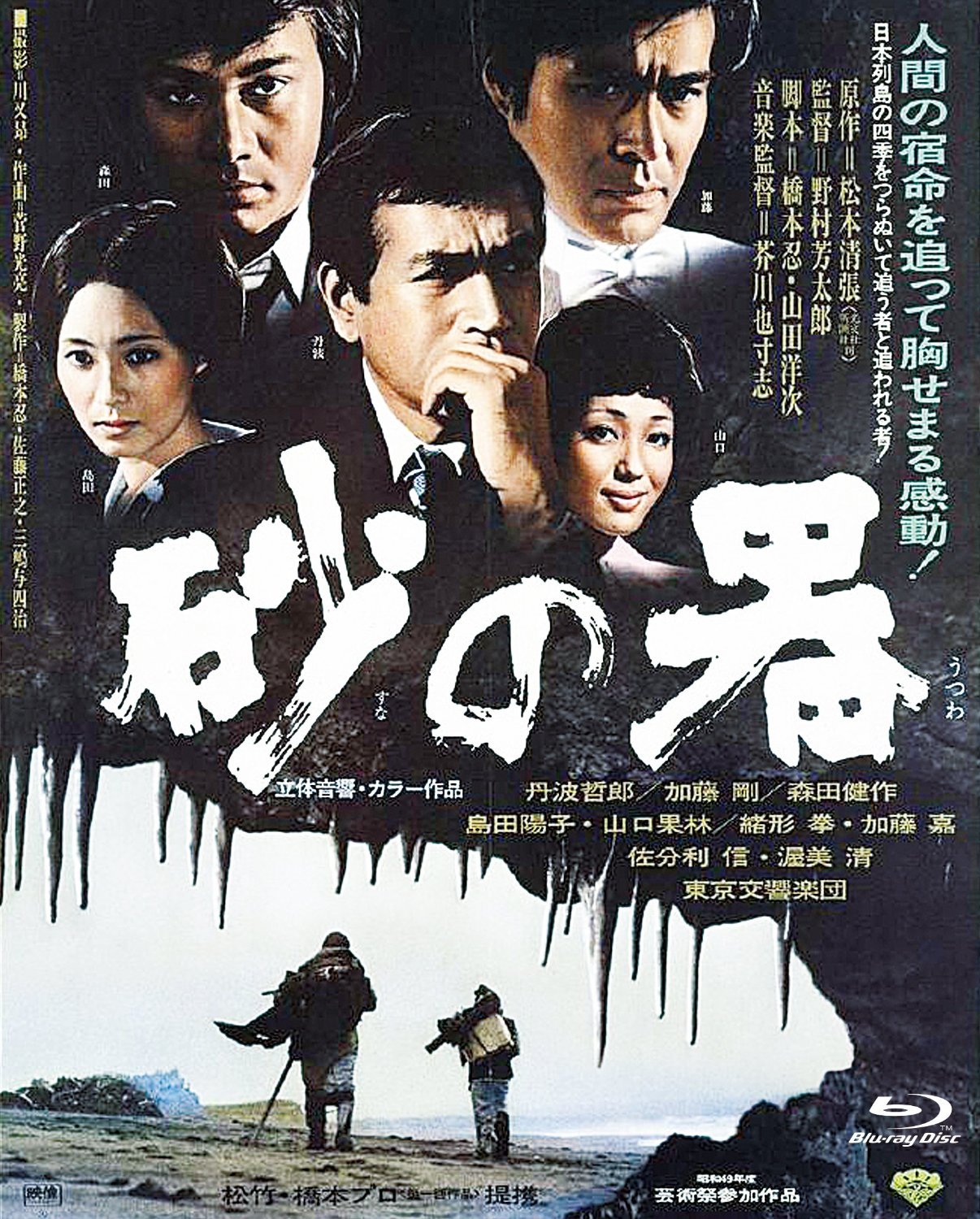
Two other little tidbits: in 1974, the novel was turned into a film, Suna no Utsuwa, directed by Yoshitaro Nomura, which is regarded as a masterpiece of Japanese cinema. The novel’s original title was also Suna no Utsuwa, meaning Castle of Sand.

Courage & resilience: Naomi Hirahara’s Clark and Division (USA/Japan)

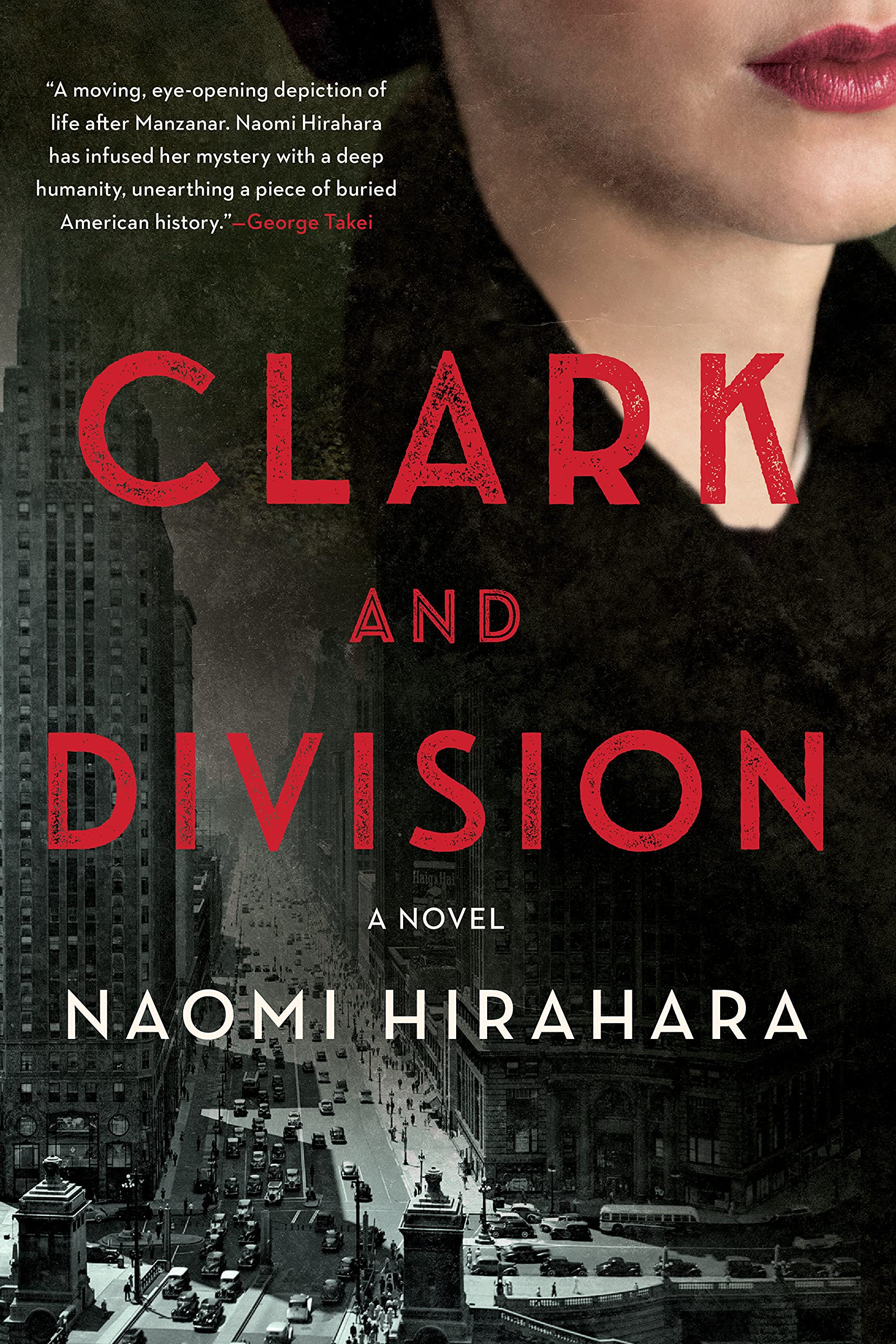
Naomi Hirahara, Clark and Division, Soho Crime 2021

First line: Rose was always there, even when I was being born.

I’ve had my eye on this crime novel for a while, because it uses the mystery genre to explore an under-represented part of American history: the internment of over 100,000 Japanese Americans after the 1941 bombing of Pearl Harbour, and the long-lasting impact this had on their communities and lives.

The novel is narrated by Aki Ito, born in the States to Japanese first-generation immigrants — the ‘Issei’. She and her charismatic sister Rose are of the ‘Nisei’, the ‘second generation’, and are raised in reasonably stable and prosperous circumstances in California. Until Pearl Harbour, that is, when they are interned in the Manzanar camp and then relocated to Chicago, where they settle in the Japanese district.

Rose was allowed to move to the city before the rest of the family, and when Aki and her parents arrive they’re given terrible news: Rose has been killed by a train at the Clark & Division subway station. The family’s grief takes different forms – in Aki’s case, it means talking to those who knew Rose best in order to figure out what actually happened – was it suicide, an accident, or murder?

Clark and Division is a well-crafted and absorbing standalone with a great sense of place, and I really liked the insights it gave into Japanese culture and the lives of Japanese-Americans at a turbulent moment in history. The author, Naomi Hirahara, has written non-fiction books on the subject, so she really knows her stuff — and for the most part manages to integrate it well. The novel is also a life-affirming coming-of-age story, as we follow Aki from childhood through to adulthood, learning to shoulder extra responsibilities in the wake of her sister’s death, but also to find her own path.

Separator

I hope you’re all as OK as you can be given the current political situation. Reading can be a real boon in times like these, so here’s a link to my earlier post on ‘Respite Crime’. Look after yourselves!

Crime Fiction: 7 Kinds of Respite Reading

Summer smörgåsbord of international crime

Somehow it’s been five months since I last blogged, but thankfully I’ve still found time to read some quality crime – a very welcome oasis amidst the grind of daily life. Here’s a round-up: an eclectic assortment of international crime fiction to suit various reading moods.

Karin Slaughter, Cop Town, Century 2014 (USA)
First line: Dawn broke over Peachtree Street.

This standalone by Karin Slaughter was featured on Margot Kinberg’s excellent crime blog and immediately piqued my interest.

Atlanta, 1974: Kate Murphy’s first day as a policewoman gets off to a rough start when she runs into a wall of sexism at the precinct. On top of that, a policeman has just been killed and tensions are high. Paired with reluctant but street-savvy patrolwoman Maggie Lawson, Kate has to learn the job fast while navigating a highly dangerous case.

Cop Town provided an illuminating and enjoyable glimpse into the everyday life of pioneering policewomen. I couldn’t help but imagine the lead characters as a young Cagney & Lacey – two characters from very different backgrounds who somehow form a great team. The novel is also a good ‘sequel’ to Thomas Mullen’s Darktown, which focuses on the difficulties faced by black policemen in the Atlanta force during the late 1940s.

Håkan Nesser, The Secret Life of Mr Roos, tr. by Sarah Death, Mantle 2020 (Sweden)

First line: The day before everything changed, Ante Valdemar Roos had a vision.

The Secret Life of Mr Roos is the third in Nesser’s ‘Inspector Barbarotti’ series and the most satisfying installment yet.

Middle-aged, unhappily married accountant Valdemar Roos wins the lottery and secretly buys himself a hut in the remote Swedish countryside. Anna Gambowska, a twenty-one-year-old former drug addict fleeing from a domineering partner, is forced to seek refuge there one night. Before long, a crime takes place that will transform both their lives.

This was a wonderfully absorbing 500-page read. The characterisation of the two main protagonists is excellent, as is the story of their relationship, which is told with both compassion and humour. Barbarotti only makes his entrance half-way through the novel, ensuring that Valdemar and Anna remain firmly centre stage and that we genuinely care about their fates. Scandi crime at its best.

Agnes Ravatn, The Seven Doors, tr. by Rosie Hedger, Orenda Books 2021 (Norway)

First line: Berg slinks along the walls, just as the two surveyors did the week before.

The Seven Doors is a deliciously dark psychological thriller that skewers middle-class hypocrisies and the individual’s capacity for self-deception when unpalatable truths threaten a comfortable life.

Ingeborg, the pregnant daughter of university professor Nina and consultant Mads, unwittingly sets off a chain of events when she insists on viewing the house her parents rent out as a prospective new home. Within days, tenant Mari has gone missing, and bit by bit, things spiral out of control. This is a novel about gender, class entitlement and wilful blindness, expertly spiced with some Freud and Bluebeard, and has a cracking ending – I had to re-read it twice for the sheer thrill of it!

Adania Shibli, Minor Detail, tr. from the Arabic by Elisabeth Jaquette, Fitzcarraldo Editions 2020 (Palestine)

First line: Nothing moved except the mirage.

This is a novel to save for when you are feeling emotionally robust. I think it’s one of the most devastating reading experiences I’ve ever had.

Shibli is a Palestinian writer based in Berlin, who uses elements of the crime genre to create a story with two distinct halves. The first is a crime committed in 1949 just after the War of Independence or Nakba: an Israeli officer and his platoon rape, murder and bury a young Palestinian woman in the Negev desert. The second follows a woman from present-day Ramallah who becomes obsessed with this ‘minor detail’ of history, and decides to investigate and memorialise the young woman’s death. However, doing so means travelling to areas that are strictly off-limits to her as a Palestinian, a nerve-wracking journey that subverts any conventional narrative expectations we might have.

The novel was longlisted for the 2021 International Man Booker Prize, and reminded me how crucial translation is for illuminating under-represented viewpoints and for giving a voice to authors who write in less frequently translated languages.

It’s not what you know, it’s what you can prove.

I also recently watched an outstanding Danish crime series –The Investigation (dir. Tobias Lindholm) – which explored the extraordinary Kim Wall murder case.

The way the drama approached its subject matter blew me away. It completely sidelined the attention-seeking murderer – to the point where his name wasn’t even mentioned – and focused instead on the investigative process that convicted him, on the relationship between lead investigator Jens Moller Jensen and Kim’s parents – and crucially on Kim and her journalism. The acting is fantastic throughout (fans of Wallander, The Killing and Borgen will recognise a number of faces), and the details of how the investigation unfolded to the point where they could successfully prosecute are riveting. A grown-up crime drama that makes conventional serial-killer narratives look tired and formulaic.

The series is still available to view on BBC 2 iPlayer.

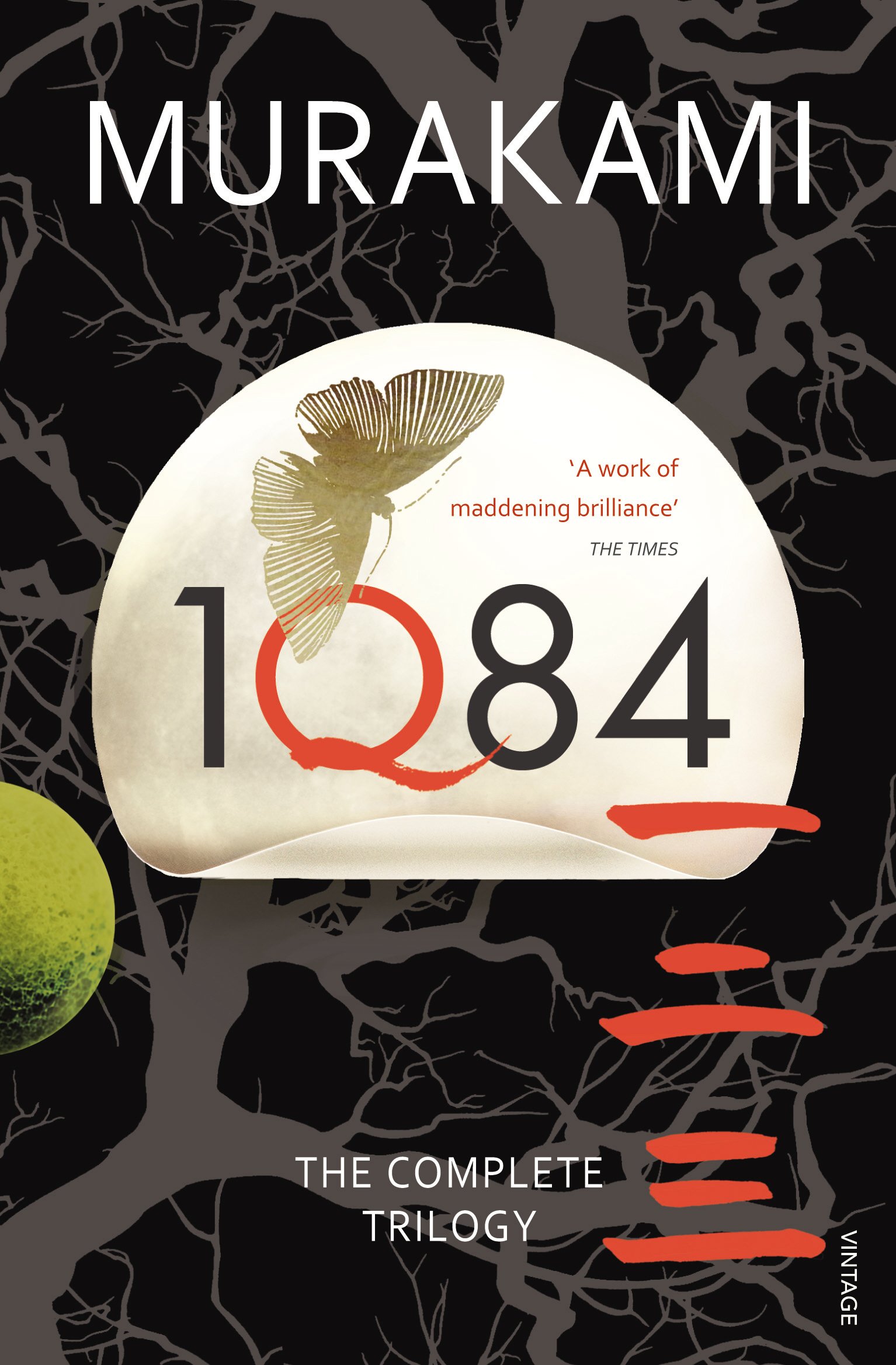
And finally…. I’m currently reading Haruki Murakami’s 1Q84 Trilogy, translated from the Japanese by Jay Rubin and Philip Gabriel. The whole thing comes to a whopping 1318 pages, so should keep me out of mischief for a while.

The reason I include it here is because it turns out to have a strong crime element, as I discovered to my amusement about 50 pages in, when one of the lead characters was revealed not to be a smart young businesswoman after all, but something rather more murderous. You can always rely on the wildly unexpected when you read Murakami. Bananas, but in a very marvellous way.

I hope you’re all keeping well and enjoying some quality crime reading. Do let me know your top reads below. And is anyone watching Mare of Easttown with Kate Winslet? Is it as good as everyone says?!

Jingle Bells! Mrs. Peabody’s 2020 Christmas crime recommendations

Well, it’s been quite a year. My ‘crime time’ has been severely dented by all the upheaval, but here are some of my reading and viewing gems.

Treat others! Treat yourself!

And if you’re in the UK, please consider using https://uk.bookshop.org/, which is a brilliant way to support local booksellers while keeping yourself and others safe.

Mrs. Peabody’s 2020 Christmas crime recommendations!

Knives Out, directed by Rian Johnson, 2019 (USA)

Wealthy mystery novelist Harlan Thrombey celebrates his 85th birthday at his mansion surrounded by his loving family. The next morning he is found dead; his throat has been cut. Enter the police and investigator Benoit Blanc, who begin to discover clues…and some unsavoury secrets within the family.

My son recommended this film to me with the words ‘you’ll love this’ and he was absolutely right. Knives Out is huge fun from start to finish, as well as a razor sharp commentary on race and class in the USA. Cuban-Spanish actress Ana de Armas is fantastic as Marta Cabrera, Harlan’s beleaguered carer, who finds herself placed in a very tricky situation. And the all-star cast — including Daniel Craig, Chris Evans, Jamie Lee Curtis, Toni Collette, Don Johnson and Christopher Plummer — have a high old time hamming their way through this clever take on the Golden Age country house mystery. Perfect Christmas viewing for those who like their crime martinis both shaken and stirred.

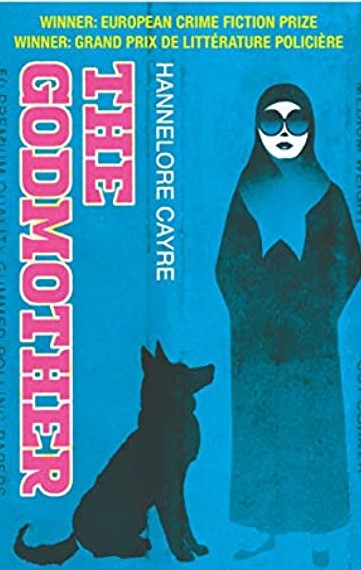
Hannelore Cayre, The Godmother, tr. Samantha Smee, Pushkin Press 2019 (France)

Opening line: My parents were crooks, with a visceral love of money.

This prize-winning novel was recommended to me by crime writer Angela Savage a while ago, and it’s a cracker. As a translator myself, I was hugely tickled by the idea of a police interpreter inadvertently falling into a life of crime. And Madame Patience Portefeux, a 53-year-old widow with some tough times behind her, relates her story with wit, verve and plenty of caustic insight into French society. There’s an excellent review of the novel by RoughJustice over at Crime Fiction Lover (minor spoilers) – a very entertaining festive read! Winner of the 2020 CWA Crime Fiction in Translation Dagger.

Shirley Jackson, We Have Always Lived in the Castle, Penguin 2009 [1962] (USA)

Opening line: My name is Mary Katherine Blackwood.

This cult Gothic (crime) novel was one of those ‘how-have-I-never-read-this-before’ books. Mary Katherine — or Merricat — lives a largely isolated life in the Blackwood home with her sister Constance and Uncle Julian. Early on, she nonchalantly tells us that ‘everyone else in my family is dead’. The rest of the novel teases out the unfortunate story of the deceased Blackwoods, and relates a series of events in the present that will have a decisive impact on the family’s future.

I was instantly hooked by Merricat’s highly original voice and the novel’s creepy Gothic atmosphere. It also has some interesting things to say about suffocating patriarchy, sisterly sacrifice and social exclusion. We Have Always Lived in the Castle is a genuinely unsettling delight and I’m sure I’ll be rereading it a number of times.

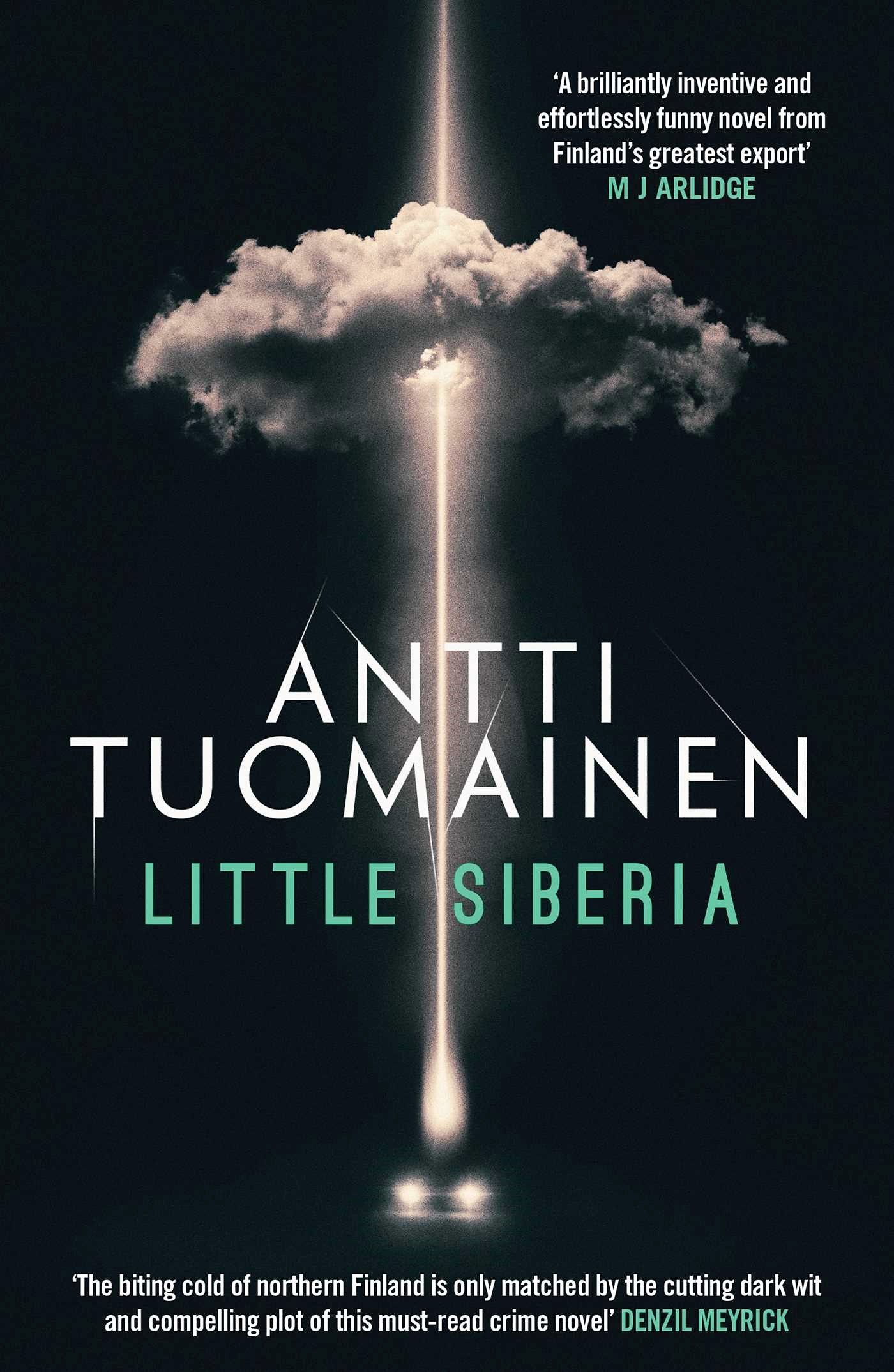
Antti Tuomainen, Little Siberia, tr. David Hackston, Orenda Books (Finland)

Opening line: ‘And how do you know what happens then?’

Our 2020 Petrona Award winner, by one of crime fiction’s most inventive and versatile writers – what’s not to like?!

Little Siberia, set in an icy northern Finland, opens with a bang when a meteorite unexpectedly lands on a speeding car. Transferred to the local museum for safe keeping, the valuable object is guarded from thieves by local priest Joel, who is grappling with both a marital crisis and a crisis of faith. Absurdist black humour is expertly combined with a warm, perceptive exploration of what it means to be human. A celebration of resilience, fortitude and simply muddling through, this is a novel for our times.

Giri/Haji, BBC 2020 (Japan/UK; now on Netflix)

Giri/Haji [Duty/Shame] is billed as a ‘soulful thriller set in Tokyo and London, exploring the butterfly effect of a single murder across two cities — a dark, witty, and daring examination of morality and redemption’. And that’s pretty much spot on.

I was addicted from the first episode, which sees frazzled Japanese police detective Kenzo Mori (Takehiro Hira) sent to London to find his wayward brother and stop a Yakuza war. The characterization of the main players is fantastic – including Kelly MacDonald as Detective Sarah Weitzmann and Will Sharpe as Rodney, a rent boy whose dad is from Kyoto and whose mum is from Peckham… There’s also some beautifully inventive use of film techniques and genres, including a number of sequences that draw on manga. I can’t find this on DVD, and it’s gone from iPlayer, but it *is* on UK Netflix. Sneak off from Christmas duties, pour yourself a glass of sherry, and get stuck in.

And finally… Ragnar Jonasson’s ‘Hulda’ or ‘Hidden Iceland’ trilogy (Penguin), which is told in reverse, with each novel set prior to the last (when Hulda is aged 64, 50 and 40).

The first novel, The Darkness (tr. Victoria Cribb) introduces us to taciturn Reykjavik Detective Inspector Hulda Hermannsdóttir. She’s about to be shoved into retirement, but is grudgingly offered the chance to look into one last cold case before she goes – that of Elena, a young Russian woman whose body was found on the Icelandic coast. This is an intriguing, multilayered novel, whose true power only becomes evident right at the end. Jónasson dares to follow through in a way that few crime writers do, and the final result is very thought-provoking indeed. The second in the series is just as powerful, and I’m looking forward to reading the third. I have a theory about how things will go. Let’s see if I’m right!

Happy reading, stay safe, and wishing you all a wonderful and very merry Christmas!

Crime Fiction: 7 Kinds of Respite Reading

I hope you’re all safe and well in this strange and worrying time. For many of us (including me), reading has taken a back seat while we process the situation, and deal with its fallout for our families, working lives and communities.

Aside from the practical challenges we’re facing, many of us are feeling too stressed to read, or can’t find the ‘right book’ to settle down with.

If this is you, then here are some suggestions and strategies for Respite Reading.

Even if you manage just a chapter a day, you’ll hopefully feel the benefit. Reading has an amazing ability to ground us, distract us and provide solace – in short, to provide us with respite in these very tough times. A study by the University of Sussex found that a mere 6 minutes of reading can reduce stress levels by 68%! Sounds good to me.

7 kinds of Respite Reading: find the one that works for you!

1.   An old favourite. There’s no rule that says you have to read something new. Perhaps a novel you know and love is already on your bookshelf, waiting to wrap itself around you like a comforting blanket. For me, that’s John le Carré’s Tinker Tailor Soldier Spy. Or Paul Scott’s The Jewel in the Crown, a novel I first read in 1988, which explores the fallout of a crime in The British Raj. Or your favourite Agatha Christie – hard to choose, I know… For me it’s a toss up between The Murder of Roger Ackroyd and Murder on the Orient Express.

2.   Travel to another time or place. If the present is too much for you right now, then take a break in another era with some historical crime and/or crime set in another country – like Abir Mukherjee’s A Rising Man (1919 India), Riku Onda’s The Aosawa Murders (1970s Japan), Umberto Eco’s The Name of the Rose (1327 Italy) or Eduardo Sacheri’s The Secret in Their Eyes (1970s and 1980s Argentina).

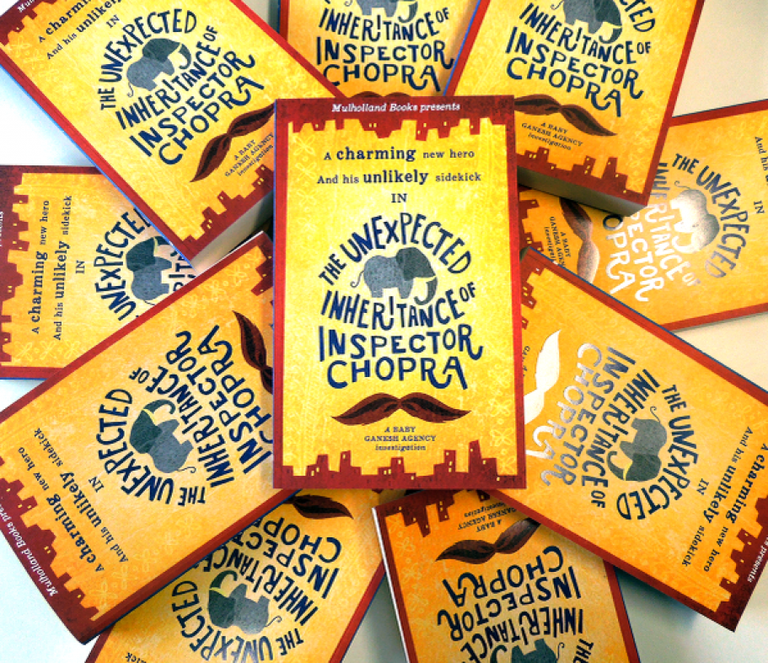
3.    Cosy, comforting crime. If you’re finding the gritty end of the crime fiction spectrum a bit much right now, then perhaps you’re in need of a cute baby elephant: yes, we’re talking Vaseem Khan’s The Unexpected Inheritance of Inspector ChopraOr try out Peter Bartram’s comic ‘Crampton of the Chronicle’ series, which follows the adventures of a young journalist in 1960s Brighton. Or how about Ellis Peter’s classic ‘Brother Cadfael’ series, set in medieval times? Another personal favourite: Harry Kemelman’s ‘Rabbi Small’ series, which offers an affectionate portrait of 1960s small-town America, along with some pearls of wisdom.

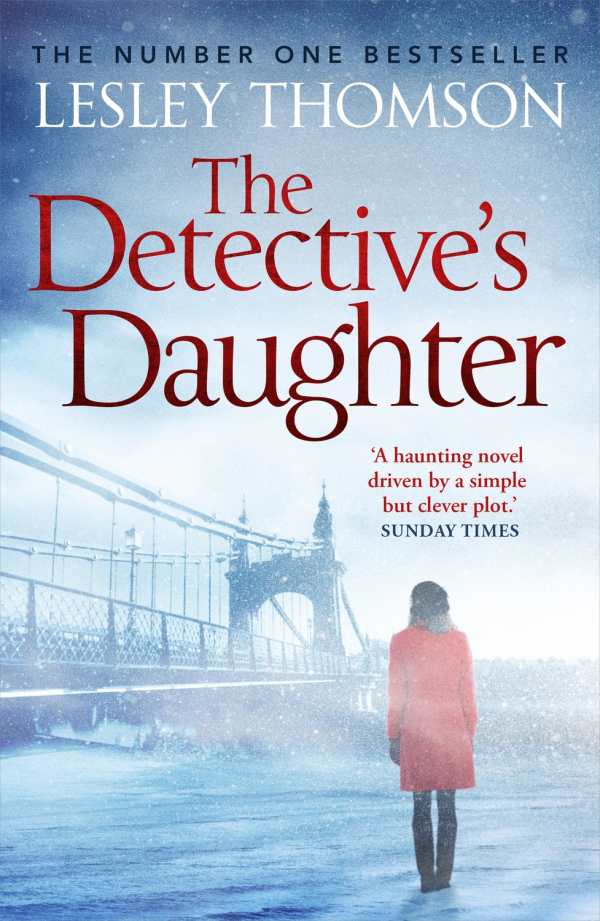
4.   Crime with heart, whose characters you’ll love to spend time with – try Elly Griffiths’s ‘Ruth Galloway’ series (forensics in Norfolk) or Lesley Thomson’s ‘Detective’s Daughter’ series – both are marvellous. And if you’ve not yet met octogenarian Sheldon Horowitz, then it’s definitely time for Derek B. Miller’s Norwegian by Night. It’s still one of my top favourites.

5.   Criminally black humour. If your way of getting through involves grim laughter, then Mick Herron’s ‘Slough House’ spy novels are a wonderful read – start with Slow Horses. Or get to know Jo Ide’s IQ, the Long Beach Sherlock – a thoroughly engaging and original detective. And Leif GW Persson’s novels are always up there for me – Linda, as in the Linda Murder is a good opener, with moments that are wonderfully wry.

6.   Hair ‘o’ the dog apocalypse crime. Because one way to deal with our fears is to read about stuff that’s just that little bit worse. Louise Welsh’s A Lovely Way to Burn is excellent, and check out my earlier blog post on ‘Apocalyptic Crime Fiction from America and Finland’ for a few other suggestions. My top non-crime recommendation is Emily St. John Mandel’s Station Eleven. Bleak, but strangely uplifting and hopeful.

7.   Still not sure… Just give me top-quality crime! No worries – have a browse through my Xmas recommendations over the years. These are effectively my annual best-of-the-best lists, so hopefully you’ll find something there that’ll hit the spot…

2014   2015   2016   2017   2018   2019

There’s also a list of trilogies here should you fancy a more ambitious reading project.

And if you’re looking for further ideas or inspiration, then I can heartily recommend the following indie publishers. They could all do with some love and support right now!

Bitter Lemon Press   No Exit Press   Orenda Books   Europa Editions

OK everyone – stay home – stay safe – save lives!

Please do add your own thoughts and recommendations below, or just drop by for a chat. It would be lovely to hear from you! Hugs and kisses xxx

Top TV crime as the nights draw in: Giri/Haji (Japan/UK), Guilt (Scotland) & Unbelievable (USA)

There are some outstanding TV crime series on our screens at the moment – just perfect for those dark winter evenings when going out feels like too big an ask.

These three are the top of my heap at the moment.

Giri/Haji (Duty/Shame) – BBC 2 (Japan/UK) 

Giri/Haji is billed as a ‘soulful thriller set in Tokyo and London, exploring the butterfly effect of a single murder across two cities. A dark, witty, and daring examination of morality and redemption’. And that’s pretty much spot on.

I was hooked from the first episode, which sees frazzled Japanese police detective Kenzo Mori (Takehiro Hira) sent to London to find his wayward brother and stop a Yakuza war. The characterization of the main players is fantastic – including Kelly MacDonald as Detective Sarah Weitzmann and Will Sharpe as Rodney, a rent boy whose dad is from Kyoto and whose mum is from Peckham… There’s also some really inventive use of film techniques and genres, like sequences that draw on manga. Thanks to my friend Morgan for alerting me to this series – it’s a keeper!

Guilt, BBC 2 (Scotland)

Guilt is a four-part darkly comic crime caper set in Edinburgh.

On their way home from a wedding one night, brothers Max and Jake (Mark Bonnar and Jamie Sives) accidentally run over a pensioner in the dark. Rather than call for an ambulance or the police, the duo carry the body back into the man’s house and settle it into an armchair before leaving. But of course, they make mistakes… And in trying to cover up those mistakes, they end up making more…

There’s a great oddball chemistry between the brothers: short-tempered, impatient lawyer Max, and the more laid-back Jake, who runs a failing record shop. Add in the dead man’s niece Angie, who’s over from America to sort out dearly departed Uncle Walter’s estate but smells a rat, and you have a recipe for plenty of criminally good fun.

Unbelievable (Netflix / USA)

Unbelievable completely blew me away. The story of a serial rape investigation in Colorado and neighbouring states, it places the female victims squarely at the heart of its narrative, along with the tenacious and meticulous police-work of two women – Detective Karen Duvall (Merritt Wever) and Detecive Grace Rasmussen (Toni Collette).

The story unfolds along two timelines: the first is 2008, when police are called to the apartment of 18-year-old Marie Adler (an outstanding performance by Kaitlyn Dever), who says she has just been attacked and raped. The second is 2011, when Duvall and Rasmussen spot similarities between the cases they’re investigating and start to work together. The series gives us a detailed insight into how police cultures and attitudes can shape rape investigations, for good and ill, and highlights the urgent need for police cooperation across county and state lines, to stop perpetrators who deliberately commit crimes over a wide area to evade justice.

Unbelievable is based on a true caseas you can read in detail here – although I would strongly advise you to watch the series first and read the piece afterwards. Compelling, illuminating and thought-provoking.

What are you watching right now? Any recommendations?