Barter Books and Ed McBain’s 87th Precinct series

While on holiday we visited an incredible second-hand bookshop in Alnwick, Northumberland, called Barter Books. My friend Harriet had recommended it to me, and I’m so glad she did, as it’s the closest to book heaven I’ve been in years.

Barter Books was set up in 1991 by Mary and Stuart Manley and is housed in Alnwick’s lovely former railway station. It’s a vast, but beautifully personalised space, with hand-painted signs, murals, inspirational quotes and a model railway running on a track above the bookshelves. There are plenty of comfy places to sink down and read, as well as a lovely cafe in the old station buffet. It’s also where the ‘Keep Calm and Carry On’ phenomenon began.

It’s so good to see places like this thriving. Food for the soul! Here are a few photos I took surreptitiously while wandering around (it was a lot busier than it looks, as I didn’t want readers to feel they were being papped):

DSC_1294

DSC_1293

DSC_1296

DSC_1300

DSC_1301

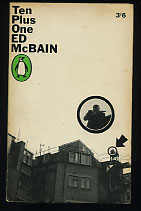
A happy find was an entire section of vintage Penguin crime, including some novels from Ed McBain’s hugely influential ’87th Precinct’ series. I have a real soft spot for these 50+ police procedurals, which were written between 1956 and 2005, and feature a characterful group of detectives solving crimes in Isola (loosely based on Manhatten in New York). I purchased two – Like Love (1962), in which the team suspects a suicide pact is not all it seems, and Ten Plus One (1963), which focuses on a series of sniper murders.

mcbaintenpb

The novels are wonderfully detailed police procedurals, and well ahead of their time in depicting an ethnically diverse set of detectives operating in an often racist society. American-Italian police detective Steve Carella is frequently shown using his Italian language skills when carrying out investigations and is regularly partnered with American-Jewish detective Meyer Meyer. The novels also contain brilliant, hard-hitting subplots or vignettes – such as the fallout from a young woman’s suicide or the brutal police treatment of an innocent suspect.

In a complete change of scene, I’m off to Berlin with Peabody Jnr tomorrow. We’re looking forward to tracking down some film locations, paying homage to Bowie, and visiting some great independent crime bookshops (well me not him…). Bis bald!

#48 Mette Ivie Harrison, The Bishop’s Wife (USA)

Mette Ivie Harrison, The Bishop’s Wife (Soho Crime, 2014). Set in Utah, this crime novel provides a fascinating insight into Mormon everyday life and its religious beliefs. 4 starsHarrison

Opening line: Mormon bishop’s wife isn’t an official calling.

Some happy book browsing in Foyles led me to a rather unusual American crime novel a few months back. Mette Ivie Harrison’s 2014 novel The Bishop’s Wife is set in present-day Utah, whose capital Salt Lake City is also the centre of Mormonism (The Church of Jesus Christ of Latter Day Saints). The novel’s primary investigator, as the title indicates, is the wife of a Mormon bishop: Linda Wallheim lives in the city of Draper, and leads a busy life looking after her family and supporting parishioners. When neighbour Jared Helm arrives at the bishop’s house in a distressed state early one morning, claiming that his wife Carrie has left him, Linda is drawn into a complex case that she suspects may involve domestic abuse…or even murder.

Undoubtedly, one of the most satisfying aspects of this novel is the insider view it offers of everyday life in a Mormon community. The novel explores key Mormon beliefs (such as the importance of family members being ‘sealed’ to one another so that they can be united for eternity), the way Mormon children are raised and educated, and the importance of community service. At the same time, the novel acknowledges that aspects of the church are open to criticism, such the obstacles it places in the path of those who wish to leave. It’s also very open in its consideration of the highly gendered roles Mormonism assigns to men and women, and the possible abuses of power that its traditional patriarchal structures invite.

family_ring_around_the_rosie

Statue celebrating the role of the mother in front of the Salt Lake Mormon Temple in Salt Lake City

Linda herself is a very appealing figure. She is a strong, devout woman, who thinks critically about the Mormon community and her place in it as a wife, mother and individual, rather than simply accepting the status quo. She falls into the role of amateur detective by chance, and, while guilty of some misjudgments and mistakes, has a moral compass that’s true. She reminds me a bit of Faye Kellerman’s feisty investigator Rina Decker, whose cases are typically linked to the life of her Jewish community and allow their author to explore modern Jewish life.

The Bishop’s Wife is the first in a series of mysteries featuring Linda Wallheim, and I’m keen to read more (the second, His Right Hand, has just appeared).  If you like fast-paced crime novels, then this kind of novel is probably not for you, but if you prefer crime fiction that makes space to explore complex religious, social and moral issues, then The Bishop’s Wife is an absorbing and fascinating read.

Author Mette Ivie Harrison is a member of the Mormon church and lives with her husband and five children in Utah. She also blogs for the Huffington Post on religious issues and has written a number of interesting posts (for example about the accusation that the LDS church is a cult). She holds a PhD in German literature from Princeton (ausgezeichnet!).

A salute to Harper Lee and Umberto Eco

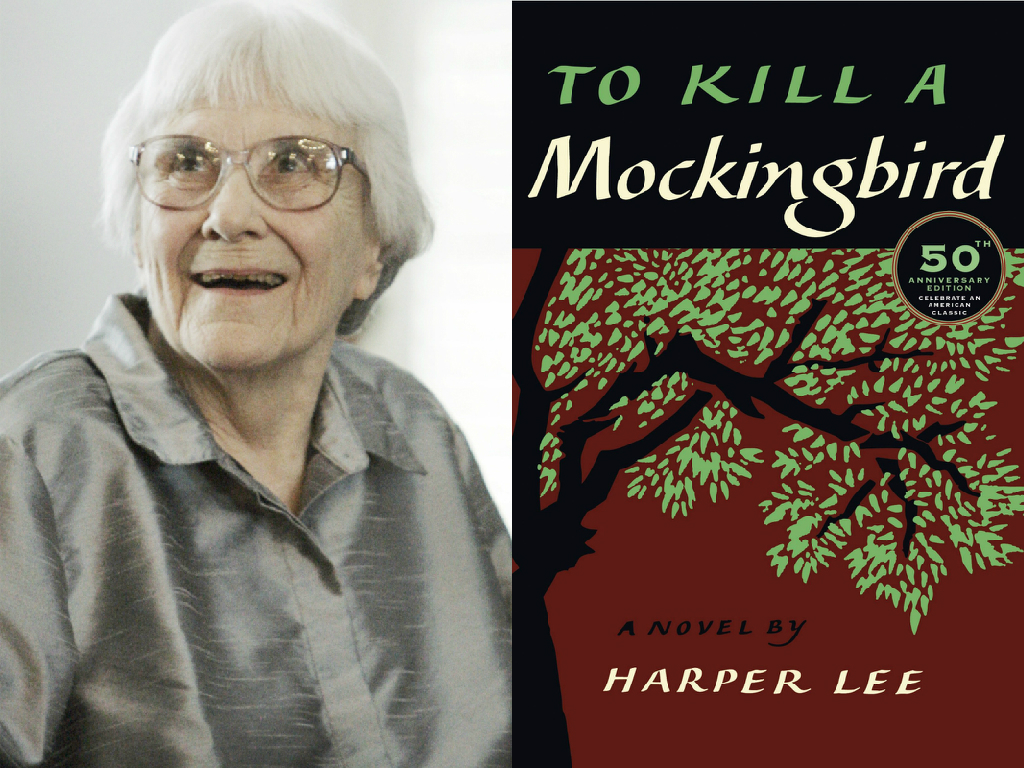
We’ve lost two cultural giants this week: American author Harper Lee (1926-2016), and the Italian philosopher, cultural theorist and writer Umberto Eco (1932-2016). Here’s a salute to each with some links to further reading.

Harper Lee

“The one thing that doesn’t abide by majority rule is a person’s conscience”

Harper Lee’s literary reputation rests almost completely on one novel, To Kill a Mockingbird, which was published in 1960 and won the Pulitzer Prize in 1961. Set in mid-1930s Alabama, it uses a court case to illuminate the ingrained racism of the Deep South: black field-hand Tom Robinson is falsely accused of raping a white woman and is defended at trial by attorney Atticus Finch, the father of precocious child-narrator Scout. The novel can be viewed both as a coming-of-age story and a historical novel about the Great Depression, and explores the themes of crime, racism, morality and justice in a way that still feels challenging today. The 1962 film adaptation starring Gregory Peck is a classic.      

Lee was the daughter of a lawyer (on whom the character of Atticus was based), studied law herself, and had an interesting link to the world of crime writing. One of her childhood friends was Truman Capote, and she worked with him in conducting interviews and gathering materials for In Cold Blood (1966), his ground-breaking ‘true crime’ examination of the Clutter family murder case in Kansas.

Further reading:

Italian writer Umberto Eco listens to a question during the presentation of his latest novel "The Cemetery of Prague" in Madrid December 13, 2010. REUTERS/Andrea Comas

Umberto Eco in December 2010 (REUTERS/Andrea Comas)

“Books are not made to be believed, but to be subjected to inquiry”

In the world of crime fiction, Umberto Eco was most famous for his first novel, The Name of the Rose (1980), which is accurately described on the author’s website as ‘an intellectual mystery combining semiotics, biblical analysis, medieval studies and literary theory’. The novel’s 500 pages provide readers with a riveting murder mystery, a wonderful detective (Brother William of Baskerville), a rich portrait of 14th-century monastic life and medieval intellectual/religious conflict. The fiendishly clever solution remains one of the best in the crime fiction.

I love the possibly apocryphal stories that Eco wrote The Name of the Rose in response to a dare, or because “I felt like poisoning a monk”. It may therefore have been something of a surprise to him that the novel sold 10 million copies in over 30 languages.

Eco regarded himself primarily as an academic who wrote fiction on the side. His key areas of inquiry were philosophy and semiotics (the study of signs), and he wrote influential articles on literary theory and popular culture. His essay collection The Role of the Reader: Explorations in the Semiotics of Texts (1979) has been useful in my own academic work on crime fiction, particularly the distinction he makes between ‘closed’ and ‘open’ texts (the latter offer the reader greater interpretive agency, rather than steering readers towards a predetermined narrative closure). Grazie, Professore.

Further reading:

Eco 2

Eco’s original sketch for the labyrinthine abbey library in The Name of the Rose

Deutschland 83 series review: my take as a Germanist and fan

For the past seven weeks, Channel 4/Walter Presents viewers have been gripped by the German Cold War spy drama Deutschland 83, created by Anna and Jörg Winger, a talented German/American husband and wife team. Following tonight’s feature-length finale, here are my thoughts on the show as a Germanist who teaches/writes on German history and as a fan. The post contains spoilers, so if you haven’t seen the series, DON’T read on…watch the series instead!

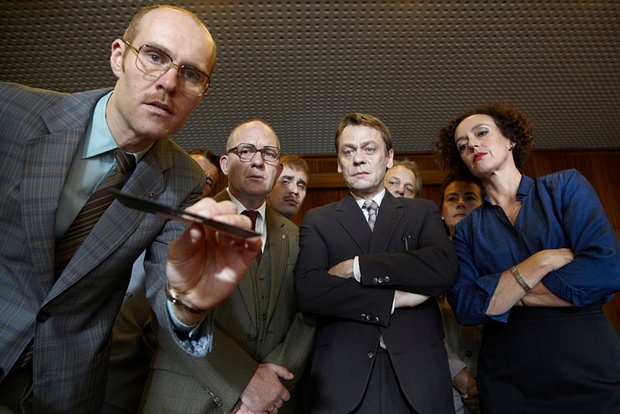
D83 13

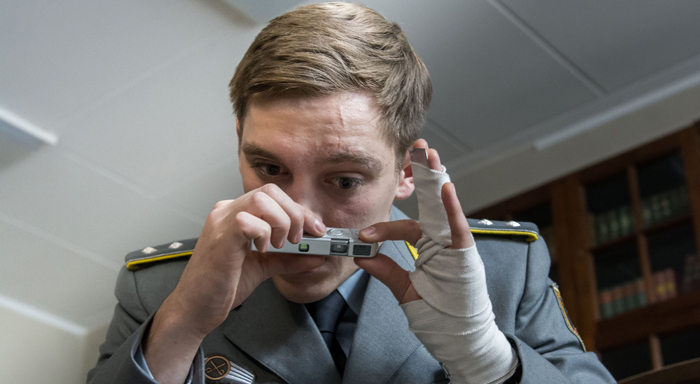
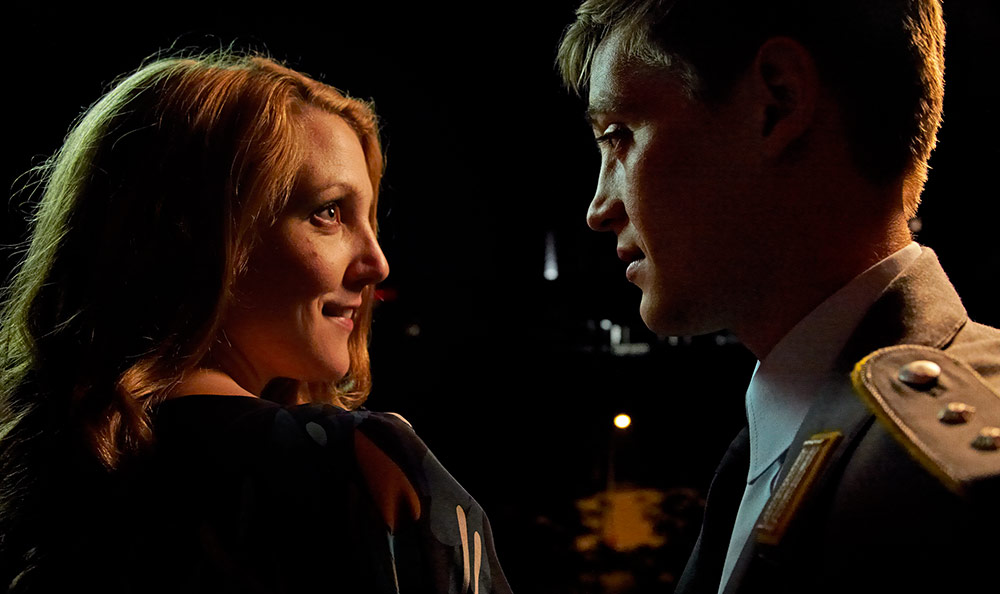
I watched the first episode of Deutschland 83 with slight trepidation. As a Germanist trying to persuade Brits of the merits of German culture, I wanted it to be good and to overturn some of the persistent UK tabloid stereotypes about Germans (earnest, humourless, Nazi). It was and it did. We were introduced to a host of intriguing characters and saw 24-year-old East German border guard Martin Rauch (Jonas Nay) bundled off to West Germany as secret agent Kolibri. Posing as Moritz Stamm, an aide to General Wolfgang Edel, he begins to gather classified military secrets in Bonn and to pass them back to the GDR, as Cold War tensions between East and West rise.

D83 17

Getting into the swing of this spying thing

One big question the first episode raised was that of historical veracity. A friend of mine, an academic expert on East Germany, described the depiction of Martin’s recruitment by the Stasi (the East German secret police) as ‘baloney’. I totally understood this reaction, as I’ve had similar responses to dramas set in Nazi Germany (e.g. one where a Jewish-German protagonist calls out a cheery ‘Shalom!’ to his friends on a busy Nazi-era street). But allowances should be made: writers of historical dramas need to communicate complex information to viewers very quickly, which sometimes means taking what I think of as ‘symbolic shortcuts’. In this case, the use of the spy thriller genre also demanded exciting action and a brisk narrative pace: we obviously couldn’t spend six episodes with Martin while he was being methodically trained in spycraft, so some suspension of disbelief was required.

On the other hand, the first episode managed to convey some fundamental truths: the Stasi‘s ruthless use of people’s personal circumstances to secure cooperation; the politicised nature of everyday East German life; the ideological hypocrisy of Western coffee and perfume making their way East via a border guard or a highly placed Stasi official; the very real military tensions of the time. And it was stylish. Beautifully shot, with a classy 80s soundtrack, its nuanced direction was serious or light as the action required. By the end of the episode I was hooked: how was young Martin/Moritz going to negotiate the tricky double identity that is the basis of a spy’s existence?

D83 19

Here are just some of the things I loved about Deutschland 83:

  • The episode titles originate from NATO military exercises. Quantum Jump, Brave Guy, Atlantic Lion, Northern Wedding, Cold Fire, Brandy Station, Bold Guard and Able Archer all took place in 1983. The latter is of particular significance throughout the series.
  • Tremendous historical and cultural breadth. The series successfully shows viewers the global scale of the Cold War in 1983 (from President Reagan’s ‘Evil Empire’ speech to the Russian downing of Korean Air Lines Flight 007); the profound legacy of the student/68 movement (from Alex’s interest in the Green Party and Yvonne’s life in a Rajneesh commune to Tischbier’s faux political activism at the University of Bonn); and the devastating rise of AIDS.
  • The ‘coming-of-age’ theme. We see a number of characters having to grow up very quickly in the course of the series, such as Martin, Alex, Yvonne and Annett. The moral challenges they face in the process are effectively drawn, particularly in Martin’s case.
  • Politically subversive libraries. Martin’s mother Ingrid may be the sister of a Stasi apparatchik and gratefully receive bottles of Chanel/privileged medical attention, but she also has a stash of illicit literature such as George Orwell’s 1984 in a secret room in her basement. She’s in cahoots with Thomas, helping him to distribute banned books from the boot of her car (a subversive mobile library!). The scenes in which Martin’s girlfriend Annett discovers Ingrid’s library and then denounces Thomas to the Stasi made me incredibly thankful to live in a society that values free speech.
D83 2

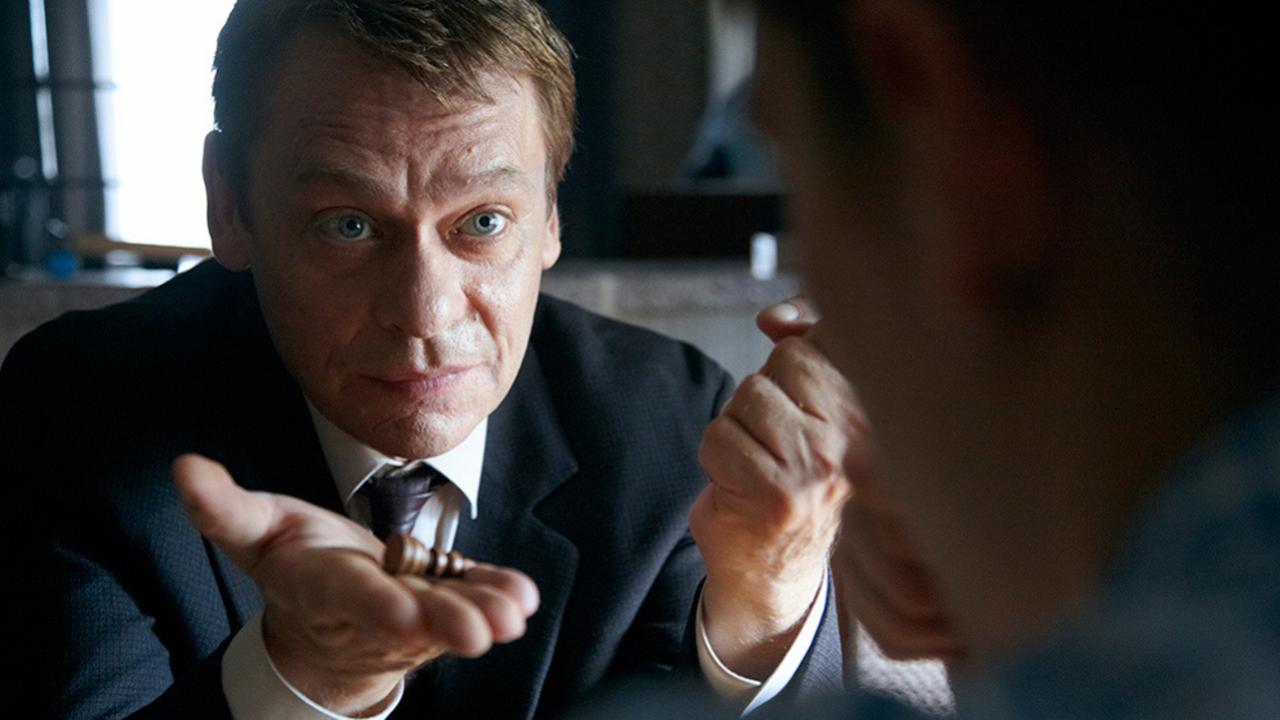
What have we here…?

  • Ursula Edel and the fish (episode 5). One of the many darkly humorous moments from the series.
  • The soundtrack is a delight, featuring 80s hits from East and West Germany, and the English-speaking world. There’s a full Spotify playlist here. My favourites include the German version of Peter Schilling’s theme tune ‘Major Tom (völlig losgelöst)’, Nena’s ’99 Luftballons’ and David Bowie’s ‘Modern Love’.
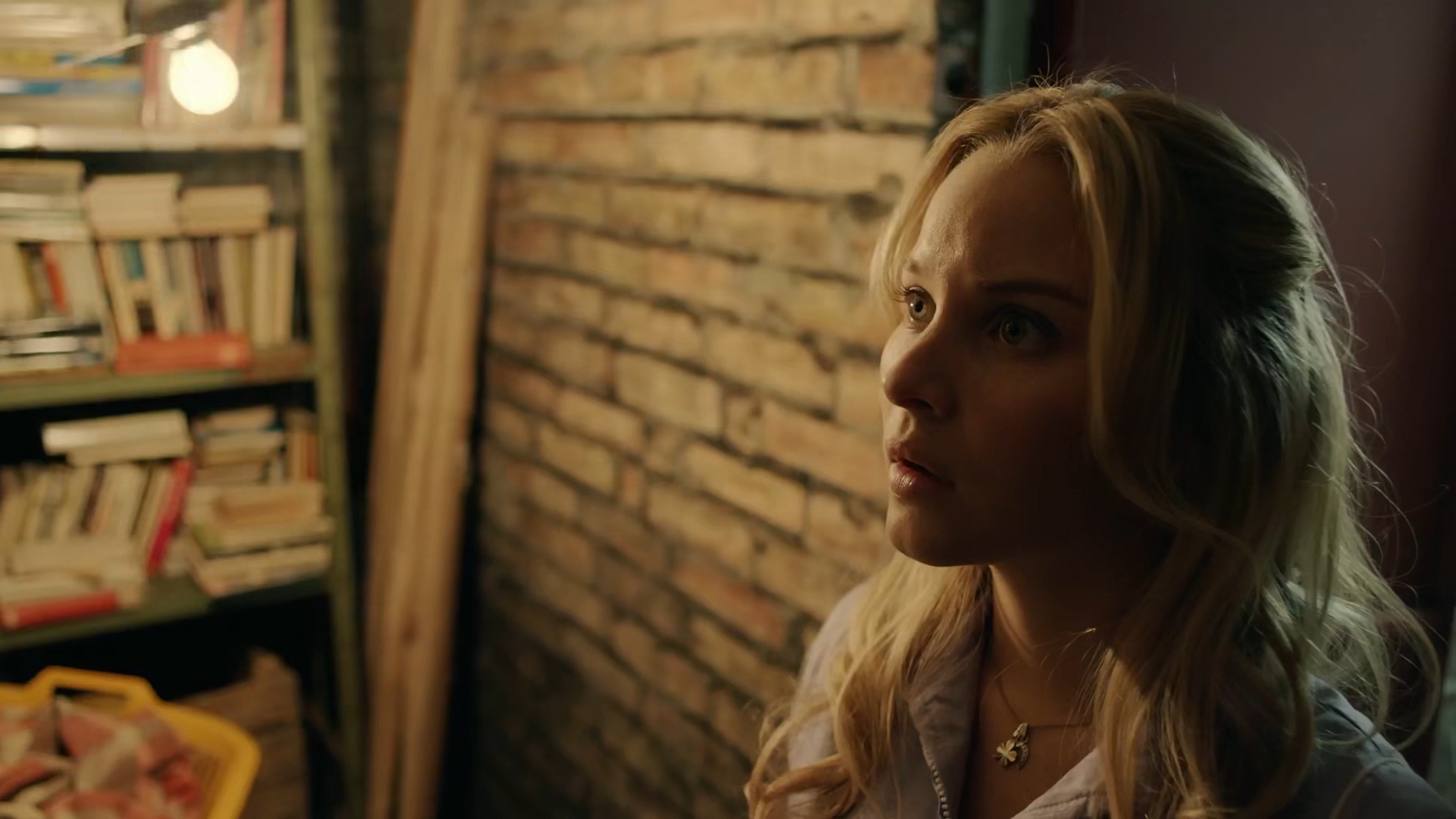
  • Last but not least…Lenora Rauch. Martin’s ruthless Stasi aunt, who forces her nephew into the life of a spy, is beautifully played by Maria Schrader (whom you may remember from the film Aimée & Jaguar). Her ideological conviction is tempered by a world-weary, I’ve-seen-it-all-before vibe: the collapse of an operation just elicits a sigh and an extra-long drag on her cigarette. Oh, and she’s also a total 80s style icon, complete with perm, killer silk shirts and red lippy/nails.
D83 8

Things are about to go pear-shaped…again

p11710911_n74960_cc_v9_aa

D83 9

Cutting edge technology: the floppy disk

There may have been times where things threatened to get a bit silly, such as Episode 2’s entertaining but implausible attack on Martin/Moritz by the ninja-assassin-waitress. But the series always managed to pull itself back from the brink of parody and delivered some truly powerful moments.

  • Linda Seiler’s death halfway through the series in episode 4 was a game-changer. When Martin fails to shake the NATO secretary’s loyalty to the West, she is run over and killed by Tischbier in a truly traumatic scene. This event shows us that Martin’s spying assignment is grown-up and deadly. Even though he resisted letting Linda drown in the lake earlier in the episode, he must still bear some responsibility for her death, which was necessary to protect his cover. It’s a le-Carré-style moral low in which innocent individuals are shown becoming pawns in much larger political games. To add insult to injury, brave Linda is left in an unmarked grave in the forest (a German fairytale gone badly wrong) and it’s suggested that she defected to the East.
D83 20

Alas, poor Linda!

  • Linda’s apparent betrayal has consequences. It leads her boss, moderate NATO analyst Henrik Mayer to commit suicide, which allows hawks in the East and West to escalate military tensions. A special mention in this respect must go to Stasi official Walter Schweppenstette, whose ideological adherence is particularly dangerous. Told by a Russian superior that a decoded report must fit Moscow’s view of a predatory US, he dutifully edits and distorts its findings. In a chilling scene at the end of episode 6, the Russian is shown receiving the doctored report and accepting its contents as genuine, thereby turning fiction into fact, and taking the two sides perilously close to nuclear war.
D83 16

Was it something I said?

  • Tonight’s finale… took the world to the brink of nuclear destruction and back again. A number of characters had their morality tested, none more so than Martin, whose decisive action made key figures such as General Edel and Lenora begin to doubt Schweppenstette’s wilful insistence that NATO forces were about to launch an attack. One sobering aspect of this storyline was its emphasis on how the actions of just a few individuals have the power to trigger catastrophic destruction or perhaps…in a thriller at least, to stop it, allowing nuclear rockets to reverse back into their firing systems before our eyes. Phew.
  • Alex and Martin are revealed to have been ‘twins’ all along, both the sons of powerful fathers on the opposite sides of the Berlin Wall. The knowledge of that fact will definitely enrich a second viewing of the series.
  • Never has a border crossing – from WEST to EAST – been more thrilling. Didn’t the little fairy godmother in the car do well?
  • Comic highlight: Schweppenstette’s inept dad-dancing to Udo Lindenberg.
  • The series left a number of questions deliberately open. What of Martin and Annett’s future? If Martin passed his moral test, Annett failed hers spectacularly. Where will Lenora’s big adventure take her? And what of the Edels? Both father and son cut quite tragic figures at the end. Thomas is saved by Ingrid’s actions, but what awaits him in the West? To be continued….?

One of the best things about Deutschland 83 is that it’s made Germany and the German language cool. I’ve been made inordinately happy by tweets such as these: @jazzywoop ‘#Deutschland83 writing, directing, production, casting, acting, location, music and design is magic. Elevated further by being in German’; @Yasmin_Gooner ‘German is the sexiest language in the whole world. #Deutschland83’; @julzenthe1st ‘German students & graduates are giving each other high fives all over Britain’. Thank you Mr. and Mrs. Winger, thanks Walter!

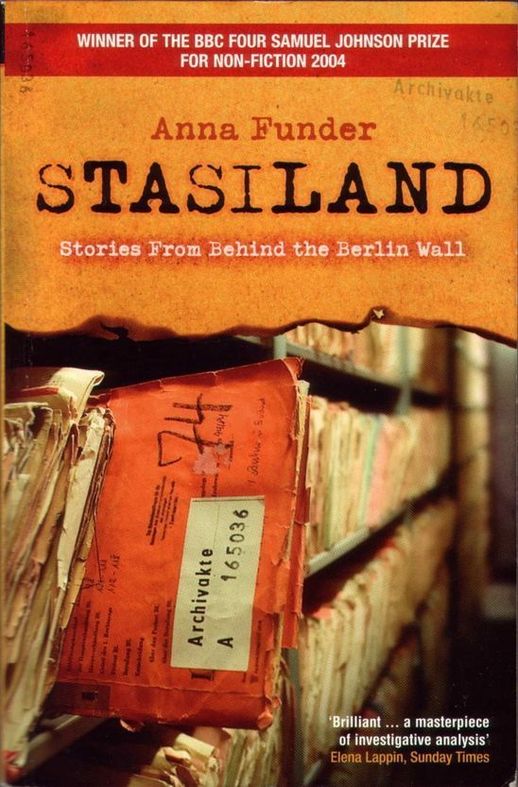
Further reading: 

stasiland (1)

Smörgåsbord: Bartram’s Headline Murder, Lauppe-Dunbar’s Dark Mermaids and Ellin’s Speciality of the House

My reading since New Year has been very eclectic. As a result, there’s no neat way for me to link the following novels: they’re a tasty smörgåsbord of different crime writing styles, subjects and approaches.

Bartram

First up is Peter Bartram’s delightful Brighton cosy Headline Murder (Roundfire Books, 2015). Set in 1962, it follows journalist-sleuth Colin Crampton as he investigates the sudden disappearance of Krazy Kat miniature-golf-course owner Arnold Trumper. As one would expect from this pre-internet setting, the investigation involves lots of hands-on detective work, which simultaneously provides an intriguing insight into a 1960s journalist’s life (complete with amusing rivalry between the Brighton Evening Chronicle and the Brighton Evening Argus). While it took a couple of chapters to get into its stride, I found the novel a highly enjoyable and well-crafted read, with a host of engaging characters. It’s a very good choice if you need a break from the darker recesses of noir or the modern world. Favourite line: ‘Ten minutes later I was in the Evening Chronicle‘s morgue with a large bag of jam doughnuts’.

The novel is the first in the ‘Crampton of the Chronicle’ series, and there are some free short stories available too. ‘Colin’ has a nice website that’s worth a visit (and hats off to author Peter Bartram – who has a background in journalism – for this very neat bit of marketing).Laupe Dunbar

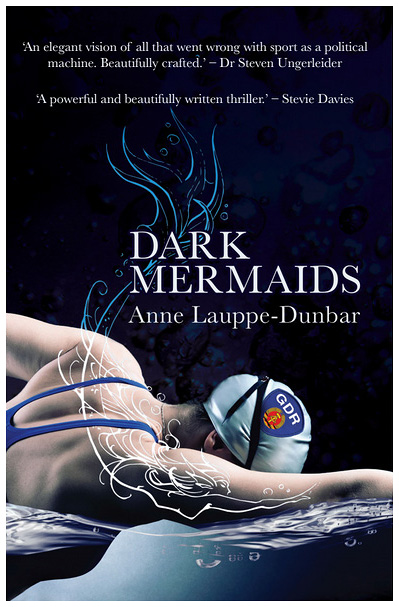
Anne Lauppe-Dunbar’s Dark Mermaids (Seren, 2015) is an absorbing debut that’s tricky to categorise: a literary-historical crime novel, perhaps. Set at an intriguing moment in German history – 1990, just a year after the fall of the Berlin Wall – it shows national and individual identities in flux, and the full extent of Stasi (East German secret police) activity beginning to emerge. However, its central focus is the GDR’s shameful use of steroids on young swimmers and the after-effects of that state-sanctioned abuse (here’s a BBC article with a good overview of the scandal). I very much liked the novel’s sensitive depiction of emotionally damaged police officer Sophia Künstler, and how it explores the political complexities of East German everyday life.

Anne is a lecturer in creative writing at Swansea University, and was partly inspired to write the novel by her German family roots.

Ellin

Stanley Ellin’s The Speciality of the House (Orion, 2002), is part of Orion’s wonderful ‘crime masterworks’ series. A collection of the renowned New York author’s mystery tales from 1948 to 1978, it presents a deliciously dark vision of society. I’m not always a fan of the short story form, but Ellin is a brilliant writer with a gift for criminal invention. His murderers are often outwardly respectable citizens trying to solve financial problems or to climb the social ladder, and there’s a wicked sense of humour at play.

The subject of marriage also gets wry treatment, as this wonderful opening from ‘The Orderly World of Mr Appleby’ (1950) demonstrates: ‘Mr Appleby was a small prim man who wore rimless spectacles, parted his graying hair in the middle, and took sober pleasure in pointing out that there was no room in the properly organized life for the operations of Chance. Consequently, when he decided that the time had come to investigate the most efficient methods for disposing of his wife, he knew where to look’.

I found Speciality by chance while browsing in Swansea’s Oxfam Books – testimony to the pleasures of browsing and finding something completely unexpected, as opposed to being steered towards a predictable set of books by an online retailer’s algorithm…

Eva Dolan’s Long Way Home, the Kappe historical ‘Kettenroman’ (chain novel) and some other tasty bits

What do you do when your TBR pile is so vast it defies all hope of control? Answer: give up and read what you want.

long-way-home-pbk

In that spirit, I picked up Eva Dolan’s Long Way Home (Vintage, 2014). Lots of people had told me about this debut and as soon as I started reading, I could see that the praise for the novel was justified: it’s a beautifully written police procedural, which explores migrant experiences in the UK in a realistic and very sobering way. Its main investigative protagonists, Detectives Zigic and Ferreira of the Peterborough Hate Crimes Unit – with Serbian and Portuguese heritage respectively – are both extremely well drawn, and the story, which starts with the discovery of a body in a burned-out garden shed, is gripping and believable. It’s a hugely accomplished first novel, and I’m already looking forward to the second in the series, Tell No Tales.

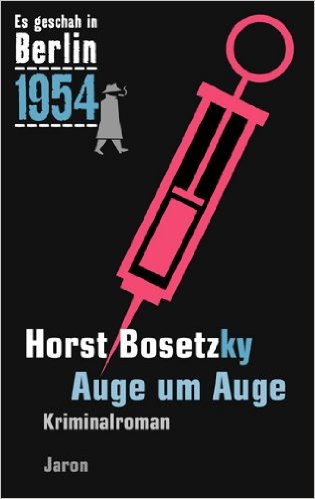
While researching my article on post-war justice in crime fiction this week, I came across the German crime novel Auge um Auge (Eye for an Eye), which explores how doctors involved in medical crimes under National Socialism often went unpunished.

kappe auge

Auge um Auge is part of a remarkable historical crime series called ‘Es geschah in Berlin’ (‘It happened in Berlin’), which uses the cases of policeman Hermann Kappe to trace German history from 1910, before the collapse of the German empire, through to the Cold War era. To date, there are 26 novels set at two-year intervals from 1910 to 1960 (nephew Otto Kappe takes over the investigative reins in 1956):

kappe collection jaron

The image above shows how the novels are packaged, with the series title and year highlighted on the cover, together with a striking abstract design. It also shows that the novels – rather unusually – are written by a collective of authors. Horst Bosetzky, a well known German crime author since the 1960s, conceived the series in 2007 with publishing house Jaron, and the other writers work under his overall guidance.

The series has also been called a Kettenroman or ‘chain novel’, which is a neat term. At the moment, ‘Es geschah in Berlin’ is the most ambitious use I’ve seen of a crime series to ‘investigate’ twentieth-century German history and I’ll definitely be checking out the other novels. Hopefully they’ll make their way into translation too.

In other news:

I’ve been flying the flag for German crime in the Times Literary Supplement, with a review of a fascinating volume called TATORT GERMANYThe Curious Case of German-Language Crime Fiction (Camden House), which is edited by Lynn M. Kutch and Todd Herzog. Unfortunately the review’s behind a paywall, but I bought a copy of the TLS yesterday, and was delighted to see a whole page dedicated to German literature.

tatort germany

Most interesting find of the week: a 2015 Penguin Special by Erich Schlosser called Gods of Metal, an essay exploring America’s nuclear capacity and the frightening ease with which a high-security weapons complex in Tennessee was breached in 2012. Schlosser meets members of the Plowshares movement, who break into nuclear facilities as a form of civil protest, and are subsequently branded as criminals by the state. Thought-provoking stuff, timed to coincide with the 70th anniversary of Hiroshima.

gods of metal

True Detective 1, Top of the Lake 2, Y Gwyll/Hinterland 2

The title of this post may look a bit like a line of football scores, but as you’ve probably guessed, the numbers denote the seasons of the crime series being discussed…

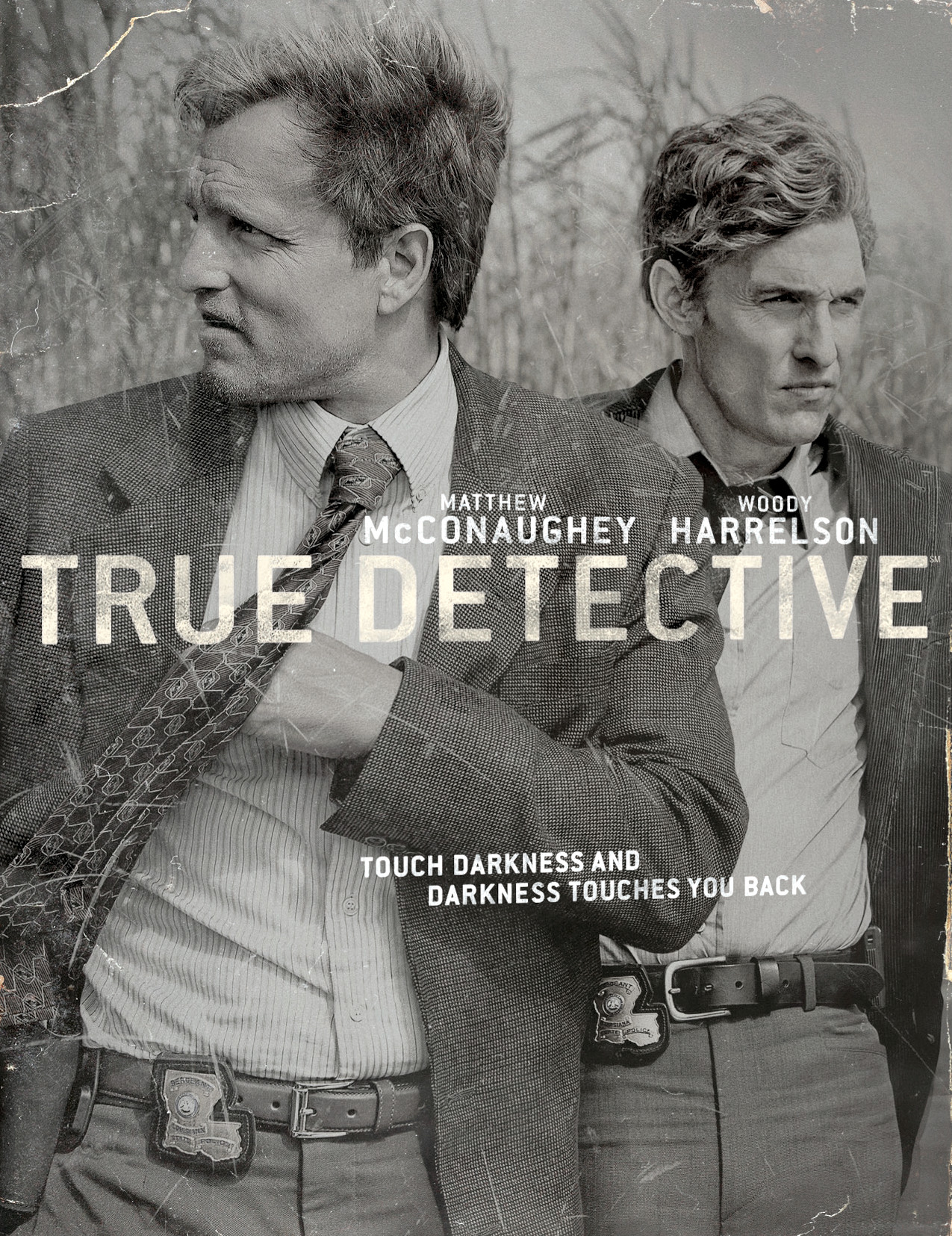
So…I know I’m late to the party, but I’ve *finally* managed to watch the box set of True Detective 1 (HBO 2014) that’s been sitting on my shelf for over a year. And what a treat it turned out to be – grown-up, complex crime drama at its absolute best.

The-DVD-cover-for-True-Detective

There was so much to like: the complex characterisation of Louisiana state police detectives Marty Hart and Rust Cohle, the absorbing interview/flashback structure, the stunning cinematography, the Deep South gothic-noir mood, and of course, that iconic title sequence featuring The Handsome Family’s ‘Far From Any Road’.

I watched the series with my son, and we were both impressed with the consistently high standard of the eight episodes. We ended up rationing them to one an evening, because each was such a rich viewing experience that we wanted to dissect them afterwards. While the investigation – into the ritualistic murder of a woman and the earlier disappearance of a child – was extremely compelling, what lingered in my mind was the story of Marty and Rust’s own development and the evolution of their relationship over a period of twenty years. Their characters were very different, with individual complexities and flaws, and were brilliantly brought to life by actors Matthew McConaughey and Woody Harrelson.

I particularly loved Rust’s tenacity (bordering on worrying obsessiveness) in refusing to let the case die. Here he is scouting a site for clues with his ‘taxman’ notebook.

true-detective-2

I hear that True Detective 2 hasn’t (ahem) quite lived up to expectations, so if you haven’t yet seen True Detective 1, now could be the moment to check it out. It will stand the test of time as a standalone series, I’m sure.

Some very good news: a second series of Top of the Lake has been commissioned by BBC2, with Elizabeth Moss reprising her role as Detective Robin Griffin.

toplake-700x400

There’s a major change of location, though: season 2 will be shot and set in Sydney, Australia and Hong Kong rather than New Zealand. I admit to having slightly mixed feelings about this, as the New Zealand setting was one of the big strengths of the first series for me. On the other hand, Jane Campion and Gerard Lee are once again co-writing, with Jane also set to co-direct, so I’ll be watching come what may. Production begins in December.

There’s further information about season 2 at indiewire and if.com.au. My earlier post on the first series of Top of the Lake (2013) and its wonderful female protagonists is available here.

And finally… The second series of Welsh crime drama Y Gwyll/Hinterland will air on British screens in mid-September:

ygwyll-2series

WalesOnline reports: >>The ground-breaking crime drama, starring Richard Harrington as DCI Tom Mathias, will premiere in Welsh, with optional English subtitles, on S4C in the prime drama slot of 9pm on Sunday nights. The first episode of the eight-part series starts on September 13 and Mathias’ wife Meg turns up, hopefully revealing some of the moody detective’s shady past <<.

And here’s a nice little article by Kathryn Williams on ‘5 Things to Expect from Y Gwyll / Hinterland Series 2′. It looks like we’ll be finding out a lot more about both Mathias and Mared Rhys, which is a welcome development. While series 1 was great, a few people (myself included) thought a bit more backstory on the key investigators would have been good (see my earlier post here).

The English-language version will be shown on BBC Cymru Wales and BBC4 at a later date. Riches galore.

Calling the hive mind! Looking for crime novels that feature Nazi war-crimes trials

***If you have a spare minute, I’d be really grateful for your help***

I’m currently writing up a journal article on war crimes trials in Nazi-themed crime fiction. I’m interested in how crime novels since 1945 represent war crimes trials in relation to larger debates about their judicial, social and moral value, and to what extent they show legal justice as succeeding or failing.

Legal_scale-300x270

I’ve identified around 50 Nazi-themed novels that focus extensively on the theme of post-war justice, but only a much smaller number that depict or discuss war crimes trials. So the question is, can you help me find more? Here’s what I’ve got at the moment:

Crime novels (and films) containing depictions of Nazi war crimes trials:

  • William Brodrick, The Sixth Lamentation. London: Time Warner, 2004 [2003].
  • Gordon Ferris, Pilgrim Soul. London: Atlantic 2013.
  • David Thomas, Ostland. London: Quercus, 2013.
  • Joseph Kanon, The Good German. London: Time Warner, 2003 [2001].
  • Judgement at Nuremberg, dir. Stanley Kramer, 1961.
  • Music Box, dir. Constantin Costa-Gavras, 1989.
AAA ostland

This novel explores the case of Georg Heuser and his 1963 trial in West Germany

Others that feature discussion of Nazi war crimes trials include:

  • Frederick Forsyth, The Odessa File. London: Arrow, 2003 [1972].
  • Gerhard Harkenthal, Rendezvous mit dem Tod [A Date with Death]. Berlin: Buchverlag der Morgen, 1962.
  • Edgar Hilsenrath, Der Nazi & der Friseur [The Nazi and the Barber]. Munich: Piper, 2000 [1977].
  • Ira Levin. The Boys from Brazil. New York: Dell Publishing, 1976.
  • Brian Moore, The Statement. London: Flamingo, 1996 [1995].
  • Ian Rankin, The Hanging Garden. London: Orion, 1998.
  • Ferdinand von Schirach, Der Fall Collini [The Collini Case]. Munich: Piper, 2011.

Can you think of any others? They can be from anywhere in the world and don’t necessarily need to be in translation. Thanks in advance for your help 🙂

Roberto Costantini’s Italian/Libyan Balistreri Trilogy

I picked up the first novel in Roberto Costantini’s Balistreri TrilogyThe Deliverance of Evil (trans. N. S. Thompson, Quercus, 2014 [2011]), at this year’s CrimeFest after seeing the author on a couple of panels. Costantini was extremely articulate about how his personal links to Tripoli and Rome shaped the trilogy and how his writing style is influenced by his work as an engineer. My interest was also piqued by the description of his main protagonist, Commissario Michele Balistreri, as a morally flawed individual with a complex political past.

Cost

Coming in at just over 600 pages, The Deliverance of Evil is a novel for readers who enjoy complex, multi-layered crime narratives. Framed by Italy’s two Football World Cup victories in 1982 and 2006, it spans twenty-five years of Italian history, but also explores the legacy of Mussolini’s right-wing dictatorship and of the so-called ‘strategy of tension’ – a series of right-wing terrorist attacks in the 1960s and 1970s (possibly encouraged by the military and intelligence services), which were blamed on communists to provoke a political shift to the right. Balistreri, the narrative’s main investigator, acts as a kind of repository for this complex history: as a young man, he was drawn to the ultra right-wing Ordine Nuovo, but when it became involved in terrorist acts, worked undercover for the state in an attempt to stop them. When the narrative opens in 1982, he has supposedly left that past behind him, after being transferred to a quiet police post in Rome.

cover_tu_sei_il_male_web

The original Italian cover

The crime at the heart of the narrative is the murder of Elisa Sordi, a young woman who works for a religious housing organisation. The detective, keen to enjoy the 1982 World Cup final, is distracted during the initial investigation. This and a number of other factors result in the case remaining unsolved until 2006, when another woman is murdered in apparently similar circumstances. Wracked with remorse and guilt for his earlier failures, Balistreri vows to solve both cases and uncover the truth.

The Deliverance of Evil is a hugely absorbing, accomplished piece of work. While the denouement, which resembles an intricate origami creation, had me raising an eyebrow a little at times, the figure of Balistreri, together with the clever construction of the narrative and its dissection of Italian privilege, politics and racism made for a highly gripping read. I’ll definitely be seeking out the second in the trilogy, which moves back in time to the 1960s to explore Balistreri’s troubled past in Libya.

I have a bit of a thing about crime trilogies or quartets. They’re often quite special, which I think is due to two factors. Firstly, they give authors the chance to explore multiple facets of an overarching story in a group of novels, allowing them to create extended and complex literary worlds. Conversely, the limit of having a set number of novels (as opposed to an on-going series), encourages authors to take more risks, especially in terms of the characterisation of their protagonists and the overall denouement. Standalones and trilogies/quartets are thus usually more hard-hitting than a series, not least because they don’t need to safeguard the investigator or main protagonist indefinitely. They also often undertake a wide-ranging social and/or political critique, which I like.

10_peace_quartet

Here are few of my favourite crime trilogies and quartets:

David Peace’s Yorkshire Noir/Red Riding Quartet (1974197719801984), which is set against the backdrop of the Yorkshire Ripper case and provides a brilliant depiction of corrupt policing cultures.

Andrew Taylor’s Roth/Requiem for an Angel Trilogy (The Four Last ThingsThe Judgement of Strangers, The Office of the Dead) which skillfully excavates the history of a female serial killer, beginning in the present day and moving back to the 1970s and the 1950s.

Ben Winter’s Last Policeman Trilogy (The Last Policeman, Countdown City, World of Trouble), set in a superbly realised world on the brink of destruction (I still need to read the final novel, and am looking forward to it very much).

Winter last policeman

Stieg Larsson’s Millennium Trilogy (The Girl with the Dragon Tattoo, The Girl who Played with Fire, The Girl who Kicked the Hornet’s Nest), featuring the remarkable, indefatigable Lisbeth Salander.

Leif G.W. Persson’s Story of a Crime Trilogy (Between Summer’s Longing and Winter’s End, Another Time, Another Life and Free Falling, As in a Dream), which probes the unsolved assassination of Olof Palme in an absorbing and darkly sardonic manner.

Philip Kerr’s Berlin Noir Trilogy (March Violets, The Pale Criminal, A German Requiem), which explores Nazi Germany in 1936 and 1938 and Allied Occupation in 1947 through the eyes of former Berlin policeman Bernie Gunther. The author later extended the trilogy into a series, but the original three novels remain the best in my view.

Perhaps you have others we could add to this list? 

Update: Well, what a brilliant response. Thanks to MarinaSofia, Margot, Rebecca, Bernadette, David, Tracey and Angela for their suggestions (see also their comments and those of others below), and to Barbara, Jose Ignacio and Craig Sisterson via Twitter for trilogies/quartets by women authors. All listed below…

Further great crime fiction trilogies and quartets: 

Lisa Brackman’s China Trilogy (Rock, Paper, Tiger; Dragon Day; Hour of the Rat)

James Ellroy’s L.A. Quartet (The Black Dahlia, The Big Nowhere, L.A. Confidential, White Jazz)

Lyndsay Faye’s New York Trilogy (The Gods of Gotham, Seven for a Secret, The Fatal Flame)

Gordon Ferris’ Glasgow Quartet (The Hanging Shed, Bitter Water, Pilgrim Soul, Gallowglass)

Alan Glynn’s Land Trilogy (Winterland, Bloodland, Graveland – set in Ireland)

Jean-Claude Izzo’s Marseille Trilogy (Total Chaos, Chourmo, Solea)

Peter May’s Lewis Trilogy (The Blackhouse, The Lewis Man, The Chessmen)

William McIllvaney’s Laidlaw Trilogy (Laidlaw, The Papers of Tony Veitch, Walking Wounded – set in Glasgow)

Adrian McKinty’s Troubles Quartet (The Cold Cold Ground, I Hear the Sirens in the Street, In the Morning I’ll Be Gone and Gun Street Girl – set in Ireland)

Denise Mina’s Garnethill Trilogy (Garnethill, Exile, Resolution – set in Glasgow, Scotland)

Denise Mina’s Paddy Meehan Trilogy (The Field of Blood, The Dead Hour, The Final Breath – set in Glasgow, Scotland)

Leonardo Padura’s Havana Quartet (Havana Blue, Havana Gold, Havana Red, Havana Black)

George Pelecanos’ D.C. Quartet (The Big Blowdown, King Suckerman, The Sweet Forever, Shame the Devil)

Dolores Redondo’s Baztan Trilogy. The first, The Invisible Guardian is available in translation and is set in Spain’s Basque country. The other two are entitled Legado en los huesos (Legacy in the Bones) and Ofrenda a la tormenta (Offering to the Storm).

John Williams Cardiff Trilogy (Five Pubs, Two Bars And A Nightclub; Cardiff Dead; The Prince of Wales)

Robert Wilson’s Falcon Quartet (The Blind Man of Seville; The Silent and the Damned; The Hidden Assassins; The Ignorance of Blood – set in Spain)

American, Icelandic and Swedish gems: Paretsky, Indriđason and Nesser

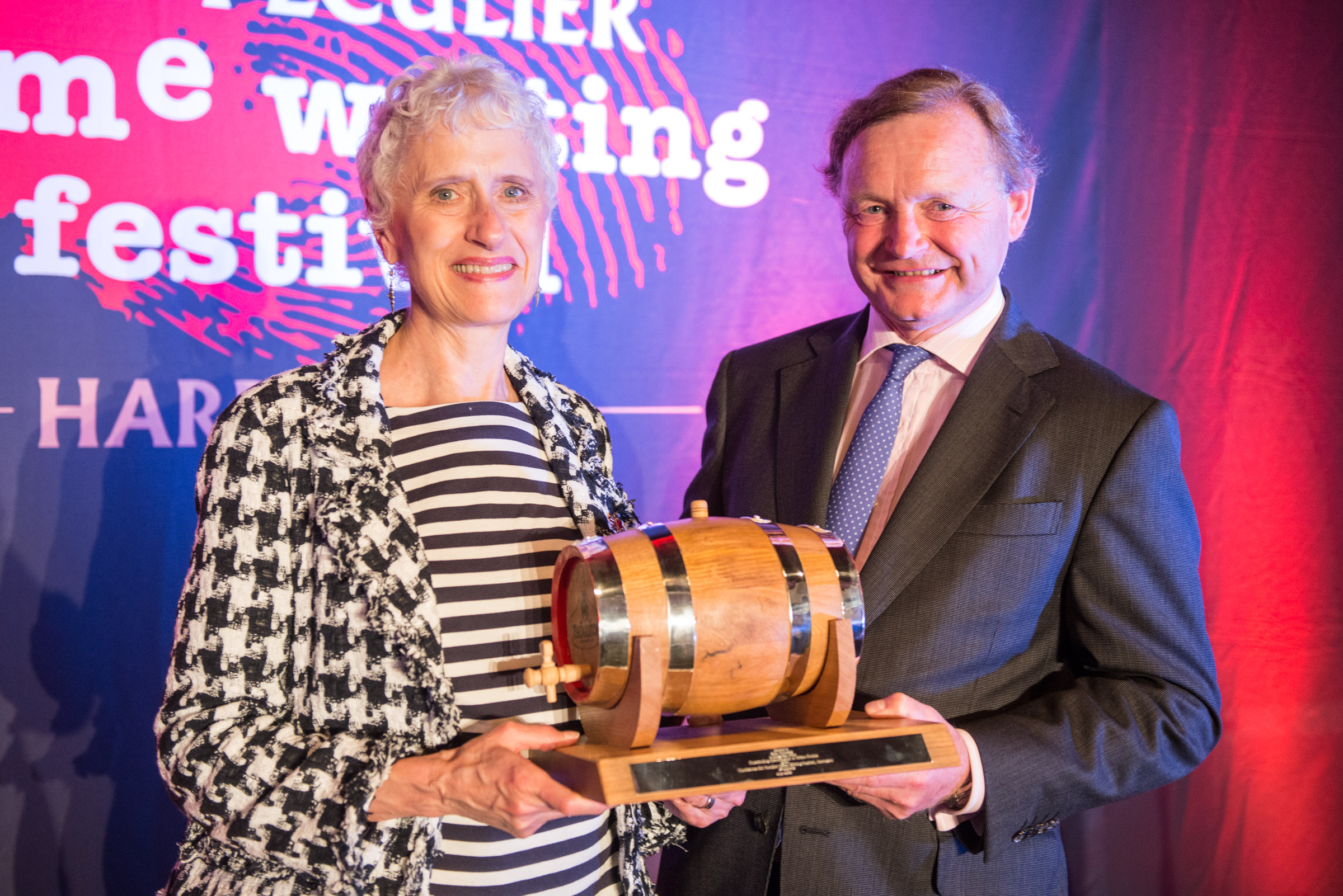
The Theakstons Old Peculier Crime Writing Festival is in full swing up in Harrogate. Top news so far: Sarah Hilary has won the Theakstons Crime Novel of the Year Award for her debut, Someone Else’s Skin, a tremendous achievement for a debut writer, and Sara Paretsky (below), creator of the ground-breaking ‘VI Warshawski’ series, was presented with the Theakstons Outstanding Contribution to Crime Fiction Award.

aaaa sara pFn-TopCrme2015-Awards-05

In her acceptance speech, Sara said: ‘When I created VI Warshawski, she created a few seismic shock-waves for being a female detective with gumption. I’m proud of that, and today it’s amazing to be recognised for that legacy and to see so many female characters in the genre who are more than a vamp or victim’. Hear hear! There are sixteen Warshawski novels to date, starting with 1982’s Indemnity Only. If you haven’t met VI yet, now’s a great time to start. She’s one of the many great female investigators on this blog’s ‘strong women in crime’ list.

The Theakstons programme also features Swedish author Håkan Nesser (on the ‘Strange Lands’ panel) and Icelandic author Arnaldur Indriđason in conversation with Barry Forshaw on Sunday. Regular readers of this blog will have gathered that I’m a fan of both these writers – in fact my first ever review was of Indriđason’s The Draining Lake, which won the CWA Gold Dagger and is partially set in East Germany. I also reviewed Nesser’s The Weeping Girl, part of the ‘Van Veeteren’ series, but featuring Ewa Moreno as investigator, back in 2013. It’s interesting to see the comparisons I made between Nesser and Indriđason’s work in that post – there do appear to be very real affinities between these authors’ approaches to writing crime fiction.

aaa draining

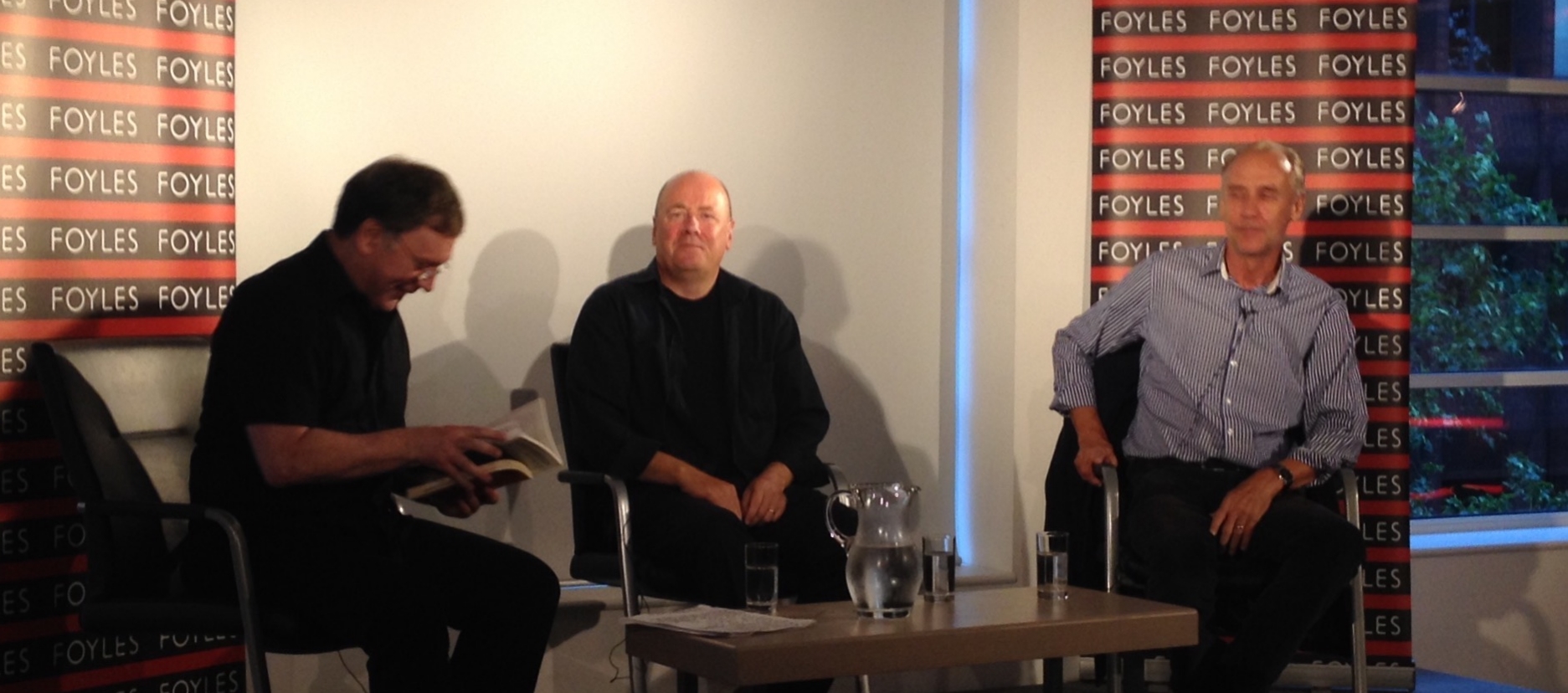
If like me you can’t make Harrogate, but are within reach of London, then there’s a rare chance to see Nesser and Indriđason together this coming Monday, 20th July, at Foyles Bookshop with Barry Forshaw. Here’s the Foyles description of the event:

>> Bestselling authors Arnaldur Indriđason and Hakan Nesser have enthralled millions of readers with their award-winning detective series. On Monday we welcome these two titans of Nordic Noir for an evening discussing their latest work, and a life in crime.

aaa nesser

Messrs Nesser and Indriđason

Recipient of the Nordic Glass Key, the CWA Gold Dagger and the RBA International Prize for Crime Writing, Icelandic heavyweight Indriđason has delighted fans with his long-running ‘Detective Erlendur’ series. Having recently concluded the narrative in Strange Shores, the author has since taken us right back to the beginning with Rekjavik Nights and the brand-new Oblivion, unpacking the early cases of then newly-promoted detective Erlendur.

Splitting his time between his native Sweden and London, Håkan Nesser has been leading readers in ever-decreasing circles for over twenty-five years. Famed for his Inspectors Van Veeteren and Barbarotti series, Nesser has been awarded both Sweden’s Best First Crime Novel and Best Crime Novel Awards, as well as being the only person to have won the Danish Rosenkrantzprisen twice. Now, in his latest novel The Living and the Dead in Winsford, Nesser takes us to the desolate Exmoor landscape as a couple, beleaguered by past secrets, find their rural getaway is not quite the sanctuary they had anticipated. <<

I’ll be making the pilgrimage from Swansea to London on Monday. Perhaps see you there? Full details of the event are available here.

Update: well it was a great evening all round. Here are a couple of pictures:

19756225419_34dafb00cf_o

19942921255_3042d97467_o

For an excellent write-up of the discussion, see Euro Crime’s blog post ‘Nordic Night at Foyles‘.

There’s also a marvellous interview with Arnaldur over at Crime Fiction Lover.