Homage to Sidney Poitier: In the Heat of the Night (1967)

The actor Sidney Poitier, who appeared in a number of groundbreaking films in the course of his long and illustrious career, has died at the age of 94.

The news made me revisit Norman Jewison’s 1967 crime drama In the Heat of the Night – both to watch the great man in action and to marvel that a film dealing so overtly with racism could have been made in 1967, let alone received the Oscar for Best Picture that year. It’s an extraordinary and enduring achievement, and feels freshly relevant in the context of America’s current divisions.

Do avoid watching the dreadful MGM trailer, which fuses all the shouty bits together in rather a crass way. The film is capable of significantly more nuance, as the outstanding scene below shows…

Here we see Virgil Tibbs (Poitier) – guilty of nothing more than waiting for a train to Philadelphia – being brought to the sheriff’s office in the town of Sparta, Mississippi on suspicion of having killed a businessman. Why? Because he’s black and has money in his wallet, which strikes the white arresting officer as a category error. The push-and-pull of Tibbs’ relationship with racist Chief Gillespie (Rod Steiger), who quickly realises he’ll need the black man’s expertise to solve the murder, is immediately on display. The two deliver a masterclass in acting to the fortunate audience.

The film is an adaptation of John Dudley Ball’s 1965 crime novel In the Heat of the Night, which won the 1966 Edgar Award for best debut by an American author and was the first in a series featuring homicide detective Virgil Tibbs. Ball worked for a while as a deputy in the Los Angeles County Sheriff’s Office and clearly drew on this experience when writing the novel, which rings true both in terms of police procedure and law enforcement working culture.

The plot of the novel differs from the film in some respects: Tibbs is from California rather than Philadelphia, the murder victim is an Italian-American conductor organising a music festival in the town, and there’s a storyline involving policeman Sam Wood which doesn’t completely make it into the film. But lots of the film dialogue is taken directly from the novel, such as bits of the exchange between Tibbs and Gillespie in the scene above, and the iconic line ‘They call me Mr. Tibbs’.

The novel also does something extremely valuable: it gives us access to the minds of Gillespie, Wood and the other townsfolk, so that we can observe the workings of racist thought processes up close – along with the strategies Tibbs employs to overcome the many obstacles placed in his path.

In the Heat of the Night does fall down in one key respect: its depictions of gender and class are often stereotyped. But the novel is still very much worth reading and is widely available, most recently in the handsome 50th anniversary Penguin Modern Classics edition.

I’ll leave you with Ray Charles singing the soulful, gospel-inflected ‘In the Heat of the Night’ (Quincy Jones/Marilyn & Alan Bergman), which plays during the opening credits of the film. Thank you, Mr. Poitier.

Summer smörgåsbord of international crime

Somehow it’s been five months since I last blogged, but thankfully I’ve still found time to read some quality crime – a very welcome oasis amidst the grind of daily life. Here’s a round-up: an eclectic assortment of international crime fiction to suit various reading moods.

Karin Slaughter, Cop Town, Century 2014 (USA)
First line: Dawn broke over Peachtree Street.

This standalone by Karin Slaughter was featured on Margot Kinberg’s excellent crime blog and immediately piqued my interest.

Atlanta, 1974: Kate Murphy’s first day as a policewoman gets off to a rough start when she runs into a wall of sexism at the precinct. On top of that, a policeman has just been killed and tensions are high. Paired with reluctant but street-savvy patrolwoman Maggie Lawson, Kate has to learn the job fast while navigating a highly dangerous case.

Cop Town provided an illuminating and enjoyable glimpse into the everyday life of pioneering policewomen. I couldn’t help but imagine the lead characters as a young Cagney & Lacey – two characters from very different backgrounds who somehow form a great team. The novel is also a good ‘sequel’ to Thomas Mullen’s Darktown, which focuses on the difficulties faced by black policemen in the Atlanta force during the late 1940s.

Håkan Nesser, The Secret Life of Mr Roos, tr. by Sarah Death, Mantle 2020 (Sweden)

First line: The day before everything changed, Ante Valdemar Roos had a vision.

The Secret Life of Mr Roos is the third in Nesser’s ‘Inspector Barbarotti’ series and the most satisfying installment yet.

Middle-aged, unhappily married accountant Valdemar Roos wins the lottery and secretly buys himself a hut in the remote Swedish countryside. Anna Gambowska, a twenty-one-year-old former drug addict fleeing from a domineering partner, is forced to seek refuge there one night. Before long, a crime takes place that will transform both their lives.

This was a wonderfully absorbing 500-page read. The characterisation of the two main protagonists is excellent, as is the story of their relationship, which is told with both compassion and humour. Barbarotti only makes his entrance half-way through the novel, ensuring that Valdemar and Anna remain firmly centre stage and that we genuinely care about their fates. Scandi crime at its best.

Agnes Ravatn, The Seven Doors, tr. by Rosie Hedger, Orenda Books 2021 (Norway)

First line: Berg slinks along the walls, just as the two surveyors did the week before.

The Seven Doors is a deliciously dark psychological thriller that skewers middle-class hypocrisies and the individual’s capacity for self-deception when unpalatable truths threaten a comfortable life.

Ingeborg, the pregnant daughter of university professor Nina and consultant Mads, unwittingly sets off a chain of events when she insists on viewing the house her parents rent out as a prospective new home. Within days, tenant Mari has gone missing, and bit by bit, things spiral out of control. This is a novel about gender, class entitlement and wilful blindness, expertly spiced with some Freud and Bluebeard, and has a cracking ending – I had to re-read it twice for the sheer thrill of it!

Adania Shibli, Minor Detail, tr. from the Arabic by Elisabeth Jaquette, Fitzcarraldo Editions 2020 (Palestine)

First line: Nothing moved except the mirage.

This is a novel to save for when you are feeling emotionally robust. I think it’s one of the most devastating reading experiences I’ve ever had.

Shibli is a Palestinian writer based in Berlin, who uses elements of the crime genre to create a story with two distinct halves. The first is a crime committed in 1949 just after the War of Independence or Nakba: an Israeli officer and his platoon rape, murder and bury a young Palestinian woman in the Negev desert. The second follows a woman from present-day Ramallah who becomes obsessed with this ‘minor detail’ of history, and decides to investigate and memorialise the young woman’s death. However, doing so means travelling to areas that are strictly off-limits to her as a Palestinian, a nerve-wracking journey that subverts any conventional narrative expectations we might have.

The novel was longlisted for the 2021 International Man Booker Prize, and reminded me how crucial translation is for illuminating under-represented viewpoints and for giving a voice to authors who write in less frequently translated languages.

It’s not what you know, it’s what you can prove.

I also recently watched an outstanding Danish crime series –The Investigation (dir. Tobias Lindholm) – which explored the extraordinary Kim Wall murder case.

The way the drama approached its subject matter blew me away. It completely sidelined the attention-seeking murderer – to the point where his name wasn’t even mentioned – and focused instead on the investigative process that convicted him, on the relationship between lead investigator Jens Moller Jensen and Kim’s parents – and crucially on Kim and her journalism. The acting is fantastic throughout (fans of Wallander, The Killing and Borgen will recognise a number of faces), and the details of how the investigation unfolded to the point where they could successfully prosecute are riveting. A grown-up crime drama that makes conventional serial-killer narratives look tired and formulaic.

The series is still available to view on BBC 2 iPlayer.

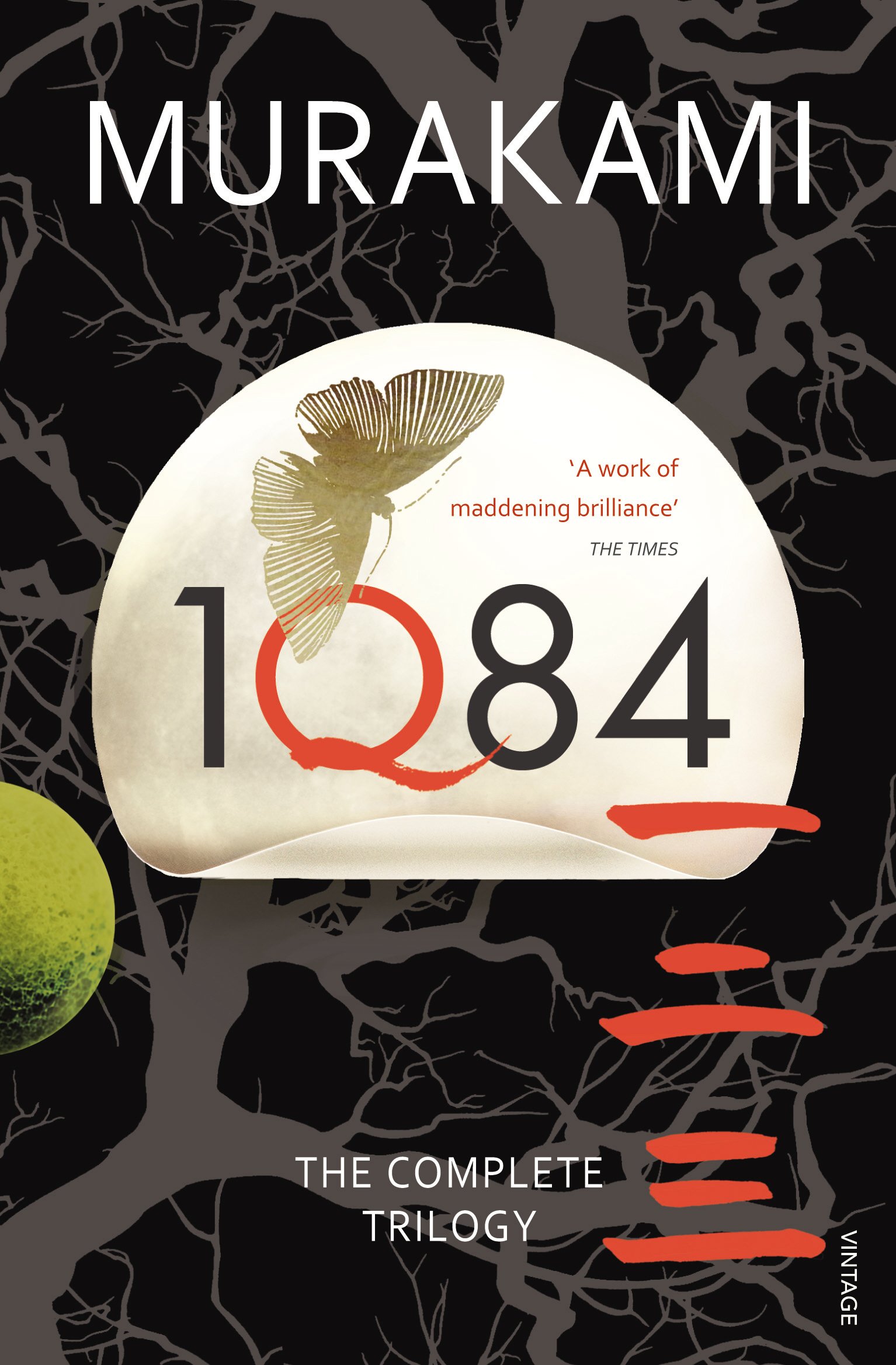
And finally…. I’m currently reading Haruki Murakami’s 1Q84 Trilogy, translated from the Japanese by Jay Rubin and Philip Gabriel. The whole thing comes to a whopping 1318 pages, so should keep me out of mischief for a while.

The reason I include it here is because it turns out to have a strong crime element, as I discovered to my amusement about 50 pages in, when one of the lead characters was revealed not to be a smart young businesswoman after all, but something rather more murderous. You can always rely on the wildly unexpected when you read Murakami. Bananas, but in a very marvellous way.

I hope you’re all keeping well and enjoying some quality crime reading. Do let me know your top reads below. And is anyone watching Mare of Easttown with Kate Winslet? Is it as good as everyone says?!

Jingle Bells! Mrs. Peabody’s 2020 Christmas crime recommendations

Well, it’s been quite a year. My ‘crime time’ has been severely dented by all the upheaval, but here are some of my reading and viewing gems.

Treat others! Treat yourself!

And if you’re in the UK, please consider using https://uk.bookshop.org/, which is a brilliant way to support local booksellers while keeping yourself and others safe.

Mrs. Peabody’s 2020 Christmas crime recommendations!

Knives Out, directed by Rian Johnson, 2019 (USA)

Wealthy mystery novelist Harlan Thrombey celebrates his 85th birthday at his mansion surrounded by his loving family. The next morning he is found dead; his throat has been cut. Enter the police and investigator Benoit Blanc, who begin to discover clues…and some unsavoury secrets within the family.

My son recommended this film to me with the words ‘you’ll love this’ and he was absolutely right. Knives Out is huge fun from start to finish, as well as a razor sharp commentary on race and class in the USA. Cuban-Spanish actress Ana de Armas is fantastic as Marta Cabrera, Harlan’s beleaguered carer, who finds herself placed in a very tricky situation. And the all-star cast — including Daniel Craig, Chris Evans, Jamie Lee Curtis, Toni Collette, Don Johnson and Christopher Plummer — have a high old time hamming their way through this clever take on the Golden Age country house mystery. Perfect Christmas viewing for those who like their crime martinis both shaken and stirred.

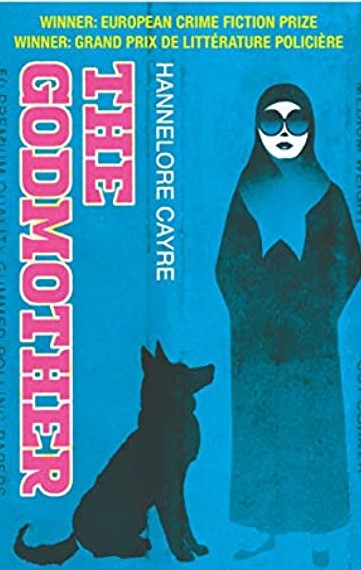
Hannelore Cayre, The Godmother, tr. Samantha Smee, Pushkin Press 2019 (France)

Opening line: My parents were crooks, with a visceral love of money.

This prize-winning novel was recommended to me by crime writer Angela Savage a while ago, and it’s a cracker. As a translator myself, I was hugely tickled by the idea of a police interpreter inadvertently falling into a life of crime. And Madame Patience Portefeux, a 53-year-old widow with some tough times behind her, relates her story with wit, verve and plenty of caustic insight into French society. There’s an excellent review of the novel by RoughJustice over at Crime Fiction Lover (minor spoilers) – a very entertaining festive read! Winner of the 2020 CWA Crime Fiction in Translation Dagger.

Shirley Jackson, We Have Always Lived in the Castle, Penguin 2009 [1962] (USA)

Opening line: My name is Mary Katherine Blackwood.

This cult Gothic (crime) novel was one of those ‘how-have-I-never-read-this-before’ books. Mary Katherine — or Merricat — lives a largely isolated life in the Blackwood home with her sister Constance and Uncle Julian. Early on, she nonchalantly tells us that ‘everyone else in my family is dead’. The rest of the novel teases out the unfortunate story of the deceased Blackwoods, and relates a series of events in the present that will have a decisive impact on the family’s future.

I was instantly hooked by Merricat’s highly original voice and the novel’s creepy Gothic atmosphere. It also has some interesting things to say about suffocating patriarchy, sisterly sacrifice and social exclusion. We Have Always Lived in the Castle is a genuinely unsettling delight and I’m sure I’ll be rereading it a number of times.

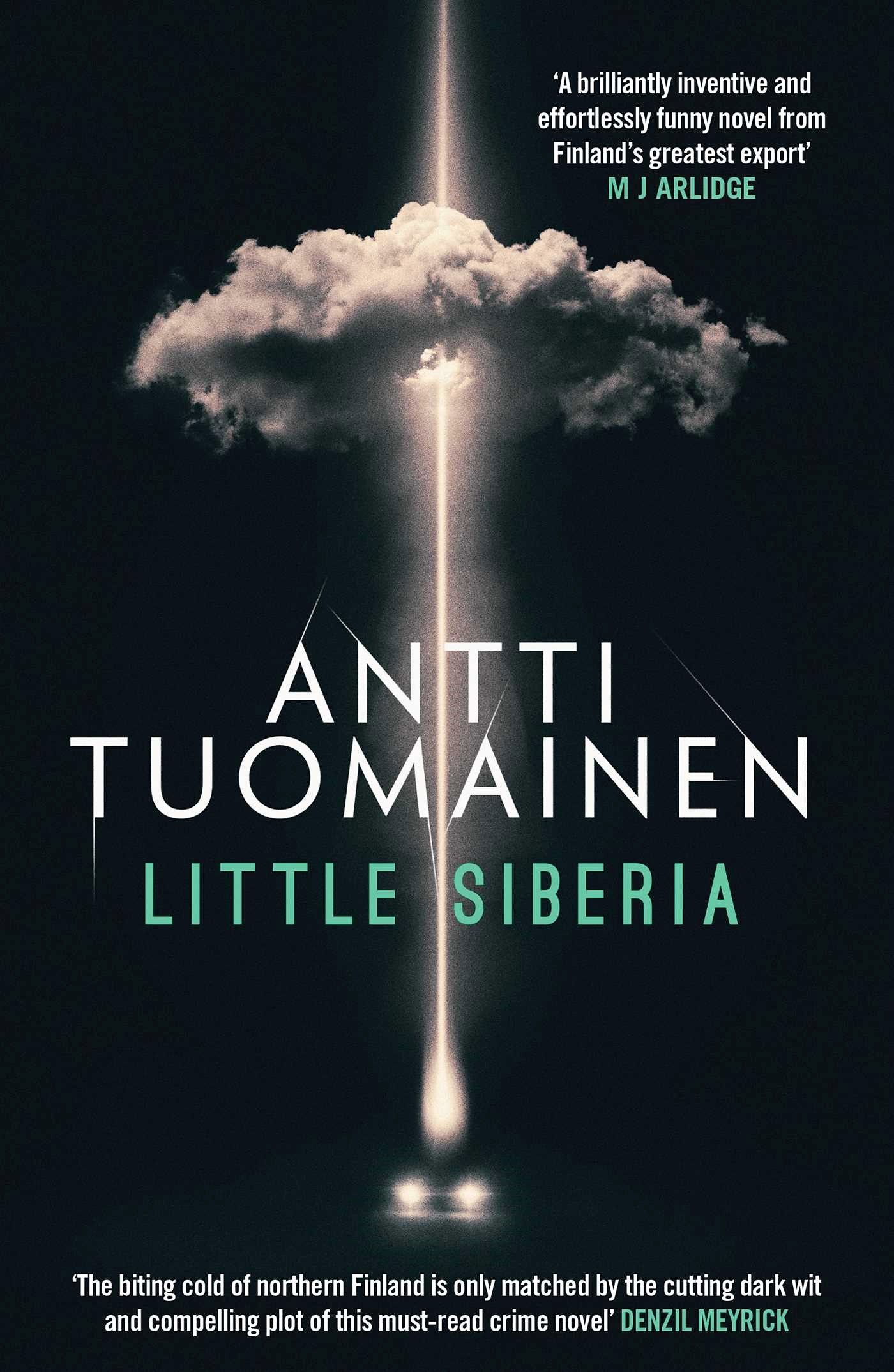
Antti Tuomainen, Little Siberia, tr. David Hackston, Orenda Books (Finland)

Opening line: ‘And how do you know what happens then?’

Our 2020 Petrona Award winner, by one of crime fiction’s most inventive and versatile writers – what’s not to like?!

Little Siberia, set in an icy northern Finland, opens with a bang when a meteorite unexpectedly lands on a speeding car. Transferred to the local museum for safe keeping, the valuable object is guarded from thieves by local priest Joel, who is grappling with both a marital crisis and a crisis of faith. Absurdist black humour is expertly combined with a warm, perceptive exploration of what it means to be human. A celebration of resilience, fortitude and simply muddling through, this is a novel for our times.

Giri/Haji, BBC 2020 (Japan/UK; now on Netflix)

Giri/Haji [Duty/Shame] is billed as a ‘soulful thriller set in Tokyo and London, exploring the butterfly effect of a single murder across two cities — a dark, witty, and daring examination of morality and redemption’. And that’s pretty much spot on.

I was addicted from the first episode, which sees frazzled Japanese police detective Kenzo Mori (Takehiro Hira) sent to London to find his wayward brother and stop a Yakuza war. The characterization of the main players is fantastic – including Kelly MacDonald as Detective Sarah Weitzmann and Will Sharpe as Rodney, a rent boy whose dad is from Kyoto and whose mum is from Peckham… There’s also some beautifully inventive use of film techniques and genres, including a number of sequences that draw on manga. I can’t find this on DVD, and it’s gone from iPlayer, but it *is* on UK Netflix. Sneak off from Christmas duties, pour yourself a glass of sherry, and get stuck in.

And finally… Ragnar Jonasson’s ‘Hulda’ or ‘Hidden Iceland’ trilogy (Penguin), which is told in reverse, with each novel set prior to the last (when Hulda is aged 64, 50 and 40).

The first novel, The Darkness (tr. Victoria Cribb) introduces us to taciturn Reykjavik Detective Inspector Hulda Hermannsdóttir. She’s about to be shoved into retirement, but is grudgingly offered the chance to look into one last cold case before she goes – that of Elena, a young Russian woman whose body was found on the Icelandic coast. This is an intriguing, multilayered novel, whose true power only becomes evident right at the end. Jónasson dares to follow through in a way that few crime writers do, and the final result is very thought-provoking indeed. The second in the series is just as powerful, and I’m looking forward to reading the third. I have a theory about how things will go. Let’s see if I’m right!

Happy reading, stay safe, and wishing you all a wonderful and very merry Christmas!

Shafak’s 10 Minutes 38 Seconds in This Strange World (Turkey) and Jackson’s We Have Always Lived in the Castle (USA)

Hello everyone – how *are* you? I very much hope that you’re weathering the current turbulence OK, and that reading is bringing you some solace and distraction.

Here are a couple of novels that have hit the mark for me recently – impressive examples of literary and American Gothic crime respectively.

Elif Shafak, 10 Minutes 38 Seconds in This Strange World (Viking 2019)

Opening line: Her name was Leila.

I’ve had 10 Minutes on my reading pile ever since I saw it shortlisted for the 2019 Booker Prize. I was drawn by its intriguing title and Istanbul setting, but was also somewhat nervous about whether the author could pull off ‘the concept’ – chronicling the final 10 minutes and 38 seconds of a woman’s ebbing consciousness *after* she has been murdered. It sounded both like a compelling narrative device and one that could easily go wrong.

It didn’t take me long to realise that Shafak was up to the task. Leila’s memories of her favourite tastes and smells, like cardamom coffee and spiced goat stew, trigger rich memories from her life, but never tip into mawkishness. We’re shown with sensitivity and compassion why Leila’s life took the course it did, and how she navigated its challenges with spirit and resilience. We also get to know her highly original friends, as well as the city they’ve chosen to make their home: the complex fusion of East and West that is Istanbul. The novel is above all a celebration of friendship and solidarity in an often intolerant, unequal world. It’s stayed with me a long time.

If you’d like to find out more about Elif Shafak, she’s given a TED talk on the politics of fiction in which she also speaks about her own background and writing.

Shirley Jackson, We Have Always Lived in the Castle, Penguin 2009 [1962]

Opening line: My name is Mary Katherine Blackwood.

I found my way to this cult American Gothic novel in a very roundabout way. I’m a fan of the actress Elisabeth Moss, saw a clip of her playing the author Shirley Jackson in the film Shirley (based on the novel by Susan Scarf Merrell), and decided I had to read something by her – because by all accounts she was an incredibly interesting woman and has had a huge influence on writers from Stephen King to Neil Gaiman. My eyes lit up when I found Castle, because it has a *strong* element of crime.

Our young narrator – Mary Katherine or Merricat – lives a largely isolated life in the Blackwood home with her sister Constance and Uncle Julian for company. Early on, she nonchalantly tells us that ‘everyone else in my family is dead’. The rest of the novel teases out the unfortunate story of the deceased Blackwoods, and relates a series of events in the present that will have a decisive impact on the family’s future. 

I was hooked within a couple of pages by Merricat’s highly original voice and the creepy Gothic atmosphere that pervades the novel. While you could happily classify Castle as Gothic crime, it’s also the kind of novel that ranges well beyond one genre, and has some interesting things to say about suffocating patriarchy, sisterly sacrifice and social exclusion. Castle is a genuinely unsettling delight and I’m pretty certain I’ll be rereading it a number of times.

Here’s an image of Moss playing (the fictionalized version of) Shirley Jackson

Shirley

Current reading: I’m making my way through the final Petrona 2020 submissions – Scandinavian crime in English translation – in preparation for our judges’ meeting. This has had to be pushed back due to the pandemic, but we’re looking forward to announcing our shortlist soon! There’ll be further updates on the award website: http://www.petronaaward.co.uk/

I’m also halfway through Margot Kinberg’s latest novel A Matter of Motive, the first in the ‘Patricia Stanley’ series, which is proving to be a lovely distraction from the outside world. I’m particularly enjoying the depiction of Patricia’s learning curve as a young policewoman on her first case, and the intricacies of a rather puzzling murder. I have my theories, but suspect there’ll be a few plot twists yet… You can find out more at Margot’s blog, which also features short stories and posts on crime fiction (Margot has an encyclopedic knowledge of crime as some of you may already know). Highly recommended!

Crime Fiction: 7 Kinds of Respite Reading

I hope you’re all safe and well in this strange and worrying time. For many of us (including me), reading has taken a back seat while we process the situation, and deal with its fallout for our families, working lives and communities.

Aside from the practical challenges we’re facing, many of us are feeling too stressed to read, or can’t find the ‘right book’ to settle down with.

If this is you, then here are some suggestions and strategies for Respite Reading.

Even if you manage just a chapter a day, you’ll hopefully feel the benefit. Reading has an amazing ability to ground us, distract us and provide solace – in short, to provide us with respite in these very tough times. A study by the University of Sussex found that a mere 6 minutes of reading can reduce stress levels by 68%! Sounds good to me.

7 kinds of Respite Reading: find the one that works for you!

1.   An old favourite. There’s no rule that says you have to read something new. Perhaps a novel you know and love is already on your bookshelf, waiting to wrap itself around you like a comforting blanket. For me, that’s John le Carré’s Tinker Tailor Soldier Spy. Or Paul Scott’s The Jewel in the Crown, a novel I first read in 1988, which explores the fallout of a crime in The British Raj. Or your favourite Agatha Christie – hard to choose, I know… For me it’s a toss up between The Murder of Roger Ackroyd and Murder on the Orient Express.

2.   Travel to another time or place. If the present is too much for you right now, then take a break in another era with some historical crime and/or crime set in another country – like Abir Mukherjee’s A Rising Man (1919 India), Riku Onda’s The Aosawa Murders (1970s Japan), Umberto Eco’s The Name of the Rose (1327 Italy) or Eduardo Sacheri’s The Secret in Their Eyes (1970s and 1980s Argentina).

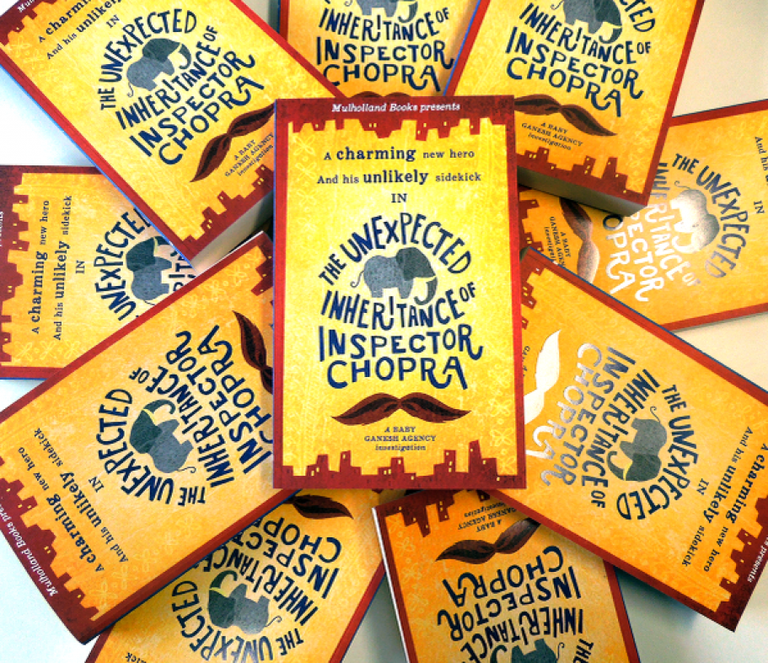
3.    Cosy, comforting crime. If you’re finding the gritty end of the crime fiction spectrum a bit much right now, then perhaps you’re in need of a cute baby elephant: yes, we’re talking Vaseem Khan’s The Unexpected Inheritance of Inspector ChopraOr try out Peter Bartram’s comic ‘Crampton of the Chronicle’ series, which follows the adventures of a young journalist in 1960s Brighton. Or how about Ellis Peter’s classic ‘Brother Cadfael’ series, set in medieval times? Another personal favourite: Harry Kemelman’s ‘Rabbi Small’ series, which offers an affectionate portrait of 1960s small-town America, along with some pearls of wisdom.

4.   Crime with heart, whose characters you’ll love to spend time with – try Elly Griffiths’s ‘Ruth Galloway’ series (forensics in Norfolk) or Lesley Thomson’s ‘Detective’s Daughter’ series – both are marvellous. And if you’ve not yet met octogenarian Sheldon Horowitz, then it’s definitely time for Derek B. Miller’s Norwegian by Night. It’s still one of my top favourites.

5.   Criminally black humour. If your way of getting through involves grim laughter, then Mick Herron’s ‘Slough House’ spy novels are a wonderful read – start with Slow Horses. Or get to know Jo Ide’s IQ, the Long Beach Sherlock – a thoroughly engaging and original detective. And Leif GW Persson’s novels are always up there for me – Linda, as in the Linda Murder is a good opener, with moments that are wonderfully wry.

6.   Hair ‘o’ the dog apocalypse crime. Because one way to deal with our fears is to read about stuff that’s just that little bit worse. Louise Welsh’s A Lovely Way to Burn is excellent, and check out my earlier blog post on ‘Apocalyptic Crime Fiction from America and Finland’ for a few other suggestions. My top non-crime recommendation is Emily St. John Mandel’s Station Eleven. Bleak, but strangely uplifting and hopeful.

7.   Still not sure… Just give me top-quality crime! No worries – have a browse through my Xmas recommendations over the years. These are effectively my annual best-of-the-best lists, so hopefully you’ll find something there that’ll hit the spot…

2014   2015   2016   2017   2018   2019

There’s also a list of trilogies here should you fancy a more ambitious reading project.

And if you’re looking for further ideas or inspiration, then I can heartily recommend the following indie publishers. They could all do with some love and support right now!

Bitter Lemon Press   No Exit Press   Orenda Books   Europa Editions

OK everyone – stay home – stay safe – save lives!

Please do add your own thoughts and recommendations below, or just drop by for a chat. It would be lovely to hear from you! Hugs and kisses xxx

Let it snow! Mrs. Peabody’s 2019 Christmas crime fiction recommendations

Here are Mrs. Peabody’s 2019 Christmas crime fiction recommendations! Each is one of my top reads of the year, and will fit snugly into the Xmas stockings of all who’ve been good. Don’t forget to treat yourself, too!

Available from a wonderful local bookshop near you…
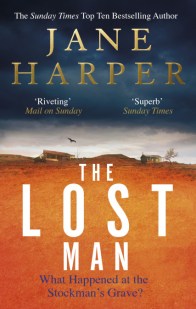
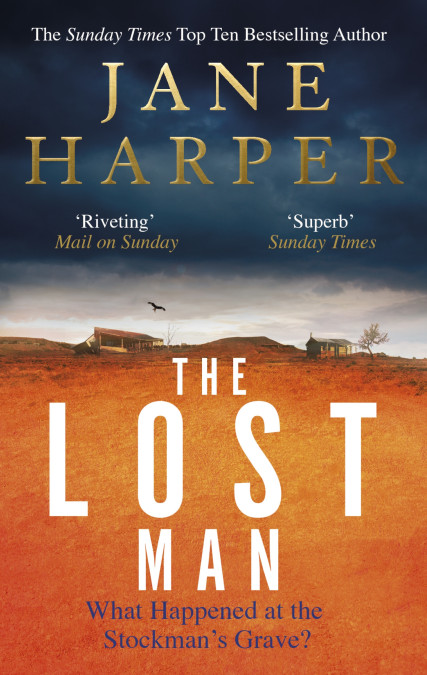
Jane Harper, The Lost Man, Abacus (Australia)

This novel was one of my most satisfying reads of the year. An in-depth character study of a family and their community, it’s also a page-turner that will keep you completely riveted for hours.

Cameron Bright is found dead in a remote part of his cattle station by the so-called ‘Stockman’s Grave’. The mystery of how and why he got there, and why his car is so far away become the subject of a police investigation. Cameron’s older brother Nathan, who owns the adjacent property, and his younger brother Bub both had complicated relationships with him, and further complexities and secrets soon start to be revealed. This is the third of Harper’s novels, and has a neat link back to her first, The Dry but no prior reading or knowledge is required. If you’re feeling generous, leave both for your lucky reader under the tree.

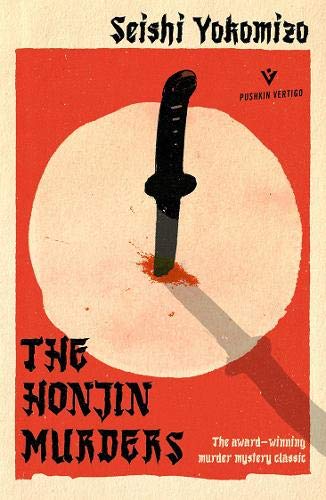
Seishi Yokomizo, The Honjin Murders, tr. Louise Heal Kawai, Pushkin Press 2019 (Japan)

I’ve just read The Honjin Murders, and immediately knew I had to add it to this list, because it’s the perfect gift for any fan of classic crime fiction or locked room mysteries. As an added bonus, it’s set in Japan! Plus: it’s the first in master crime writer Seishi Yokomizo’s acclaimed ‘Konsuke Kindaichi’ series, and the first to be translated (beautifully) into English.

It’s 1937, and the grand Ichiyanagi family is celebrating a family wedding. But that night, the family is woken by a terrible scream, followed by the sound of eerie music. Death has come to Okamura, leaving no trace but a bloody samurai sword, thrust into the pristine snow outside the house. It’s an impossible puzzle, but eccentric amateur detective Kosuke Kindaichi is determined to figure it out.

George Pelecanos, The Man Who Came Uptown, Orion (USA)

This quietly powerful crime novel interweaves the stories of three individuals. Anna Byrne is a prison librarian, who tries to better the lives of inmates through reading, and to broaden their horizons through regular book-group discussions. One of her readers is Michael Hudson, a bright young man who has gone off the rails, but is keen to go straight. When he’s suddenly released ahead of his trial, he’s relieved but can’t quite understand why. The answer lies with Phil Ornazian, a private investigator who regularly flirts with danger when making money illicitly on the side. Pelecanos was a scriptwriter for The Wire, and his characterisation of each of these figures is superb. The novel is also a wonderful homage to the life-changing power of reading.

Oyinkan Braithwaite, My Sister, the Serial Killer, Doubleday 2018 (Nigeria)

I gobbled up this wholly original Nigerian crime novel in one sitting. Korede is a plain, respectable nurse, who leads a neat and ordered life. Or rather, she would do if it weren’t for her volatile, beautiful younger sister, whose boyfriends seem to have a habit of winding up dead, and who expects big sis to sort everything out. I won’t give anything else away, but suffice to say that this is an arresting read, which deploys the darkest of humour to tell its story. The question at the heart of the novel is: how far would you go to protect a family member whose actions you know are criminal? It’s all very nicely done and a lot of fun.
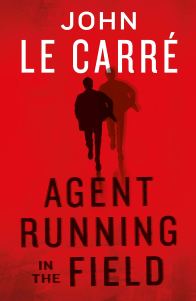
John le Carré, Agent Running in the Field, Viking 2019 (UK)

It’s such a pleasure to step back into le Carré’s world and to meet a fresh cast of beautifully observed, but very human spies. Shown weaving their way through the complexities of modern politics as best they can, they soon learn that they need to keep a sharp eye on their own superiors as much as their adversaries elsewhere. Our guide to all this is Nat, an agent runner at the end of his career who’s asked to take over The Haven, a lowly substation of London General. He and a colleague begin to plan an operation targeting a Ukrainian oligarch, but then something strange happens… Light relief takes the form of regular badminton games with young Ed, an affable but somewhat mysterious figure who may be more than he seems. A completely convincing and gripping depiction of murky espionage shenanigans.

M.T. Edvardsson, A Nearly Normal Family, tr. Rachel Willson-Broyles, Macmillan 2019 (Sweden)

This accomplished novel tracks the fallout from a murder via the perspectives of three members of one family: a mother, a father, and a daughter who’s been accused of killing a well-connected, rich young man. An ostensibly ‘normal’ and respectable middle-class family – dad is a pastor, mum is a lawyer, and daughter Stella is unruly but bright – they are pushed to the limits by the stress of Stella’s arrest, detention and trial. The three points of view and family dynamics are beautifully handled, and there are plenty of surprises in store for the reader, even after the end of the trial. The novel is one of the submissions for the 2020 Petrona Award.

Rachel Kushner, The Mars Room, Vintage 2018 (USA)

This isn’t a conventional crime novel, but rather a novel about a crime and what comes next. Romy Hall is serving two consecutive life sentences at Stanville Women’s Correctional Facility after killing the man who was stalking her. Through her eyes, we’re shown the reality and bleakness of American prison life, and through her recollections, we trace her early years in San Francisco and the events leading up to the killing. At the centre of it all stands ‘The Mars Room’, the strip club where Romy worked to provide for her son Jackson. The novel explores the circumstances that shape Romy as an individual, the choices she makes, and how larger forces outside her control (such as the justice system) shape her destiny. Beautifully written – and shortlisted for the 2018 Booker Prize.
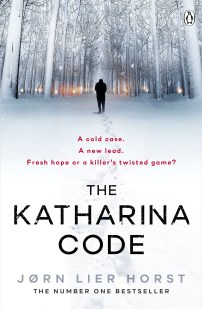
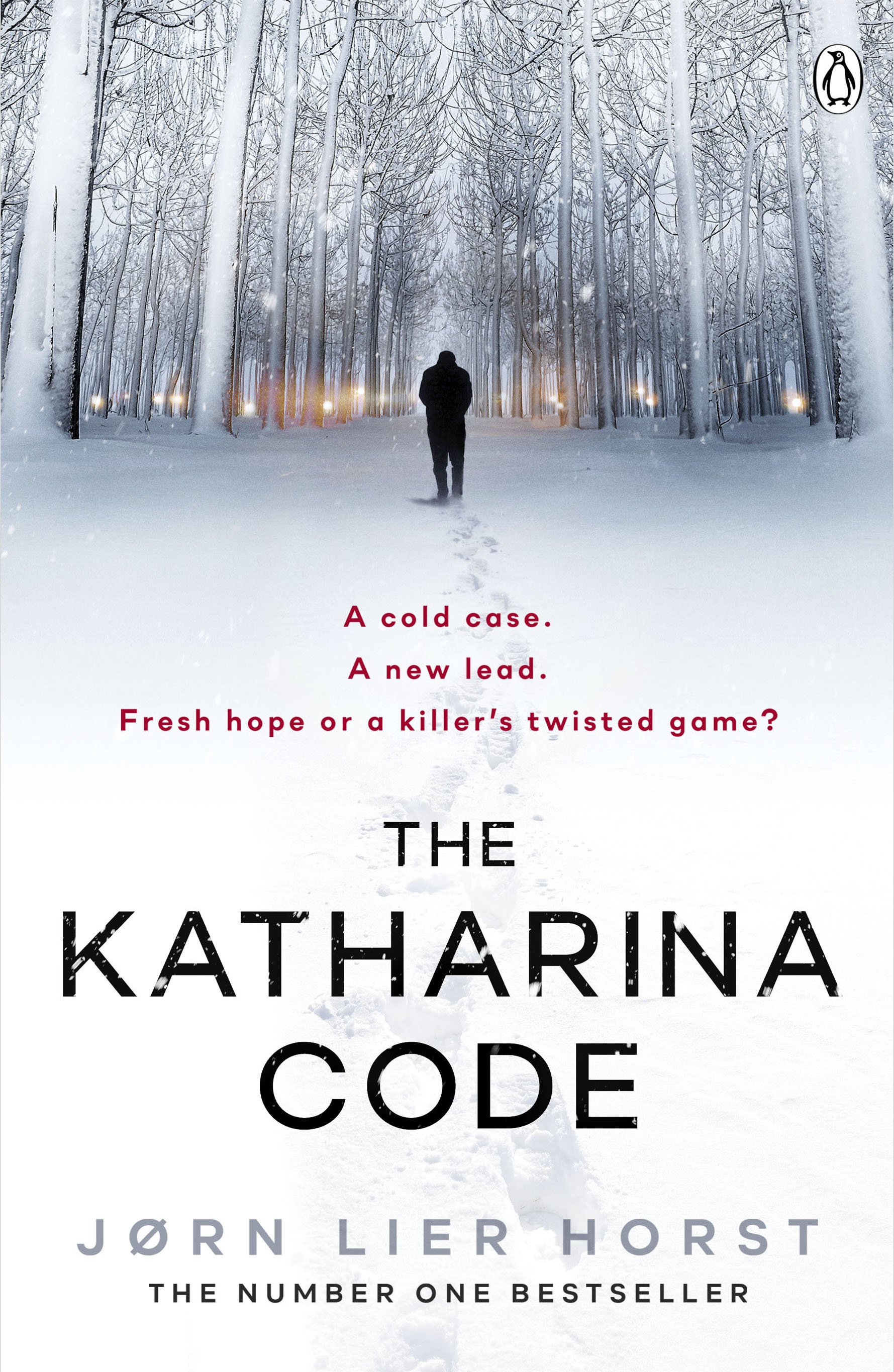
Jørn Lier Horst, The Katharina Code, tr. by Anne Bruce, Penguin 2018 (Norway)

The 2019 Petrona Award winner! The Katharina Code is one of my favourite things – a really gripping cold case. Every year, Chief Inspector William Wisting gets out his notes on the disappearance of Katharina Haugen, who vanished from her home twenty-four years earlier, leaving only a mysterious ‘code’ on the kitchen table, ‘a series of numbers arranged along three vertical lines’. This particular year, however, a development in another investigation finally moves the case on… An outstanding police procedural that takes established tropes – the cold case, the longstanding suspect, the dogged nature of police work – and combines them in ways that are innovative and fresh.
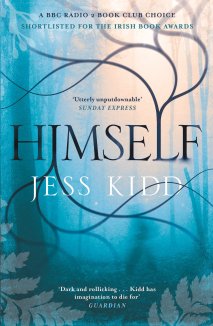
Jess Kidd, Himself, Canongate 2017 (Ireland)

Himself takes us back to the good old, bad old days. It’s Ireland in 1976, and Mahony, a young man brought up by nuns in a Dublin orphanage, returns to Mulderrig, a tiny rural village he recently found out was his birthplace. He is the son of Orla Sweeney, who scandalised the village with her wild behaviour as a young woman, and who disappeared in 1950. With the help of the eccentric Mrs. Cauley and a host of benign spirits who waft through walls, he starts uncovering the hypocrisies, secrets and malign power dynamics of the village. Utterly original, beautifully written and often wickedly funny, this is a crime novel to savour.

Happy reading, and wishing you all a wonderful and very merry Christmas!

Top TV crime as the nights draw in: Giri/Haji (Japan/UK), Guilt (Scotland) & Unbelievable (USA)

There are some outstanding TV crime series on our screens at the moment – just perfect for those dark winter evenings when going out feels like too big an ask.

These three are the top of my heap at the moment.

Giri/Haji (Duty/Shame) – BBC 2 (Japan/UK) 

Giri/Haji is billed as a ‘soulful thriller set in Tokyo and London, exploring the butterfly effect of a single murder across two cities. A dark, witty, and daring examination of morality and redemption’. And that’s pretty much spot on.

I was hooked from the first episode, which sees frazzled Japanese police detective Kenzo Mori (Takehiro Hira) sent to London to find his wayward brother and stop a Yakuza war. The characterization of the main players is fantastic – including Kelly MacDonald as Detective Sarah Weitzmann and Will Sharpe as Rodney, a rent boy whose dad is from Kyoto and whose mum is from Peckham… There’s also some really inventive use of film techniques and genres, like sequences that draw on manga. Thanks to my friend Morgan for alerting me to this series – it’s a keeper!

Guilt, BBC 2 (Scotland)

Guilt is a four-part darkly comic crime caper set in Edinburgh.

On their way home from a wedding one night, brothers Max and Jake (Mark Bonnar and Jamie Sives) accidentally run over a pensioner in the dark. Rather than call for an ambulance or the police, the duo carry the body back into the man’s house and settle it into an armchair before leaving. But of course, they make mistakes… And in trying to cover up those mistakes, they end up making more…

There’s a great oddball chemistry between the brothers: short-tempered, impatient lawyer Max, and the more laid-back Jake, who runs a failing record shop. Add in the dead man’s niece Angie, who’s over from America to sort out dearly departed Uncle Walter’s estate but smells a rat, and you have a recipe for plenty of criminally good fun.

Unbelievable (Netflix / USA)

Unbelievable completely blew me away. The story of a serial rape investigation in Colorado and neighbouring states, it places the female victims squarely at the heart of its narrative, along with the tenacious and meticulous police-work of two women – Detective Karen Duvall (Merritt Wever) and Detecive Grace Rasmussen (Toni Collette).

The story unfolds along two timelines: the first is 2008, when police are called to the apartment of 18-year-old Marie Adler (an outstanding performance by Kaitlyn Dever), who says she has just been attacked and raped. The second is 2011, when Duvall and Rasmussen spot similarities between the cases they’re investigating and start to work together. The series gives us a detailed insight into how police cultures and attitudes can shape rape investigations, for good and ill, and highlights the urgent need for police cooperation across county and state lines, to stop perpetrators who deliberately commit crimes over a wide area to evade justice.

Unbelievable is based on a true caseas you can read in detail here – although I would strongly advise you to watch the series first and read the piece afterwards. Compelling, illuminating and thought-provoking.

What are you watching right now? Any recommendations?

Noirwich 2019 & Ten Autumn Crime Reads

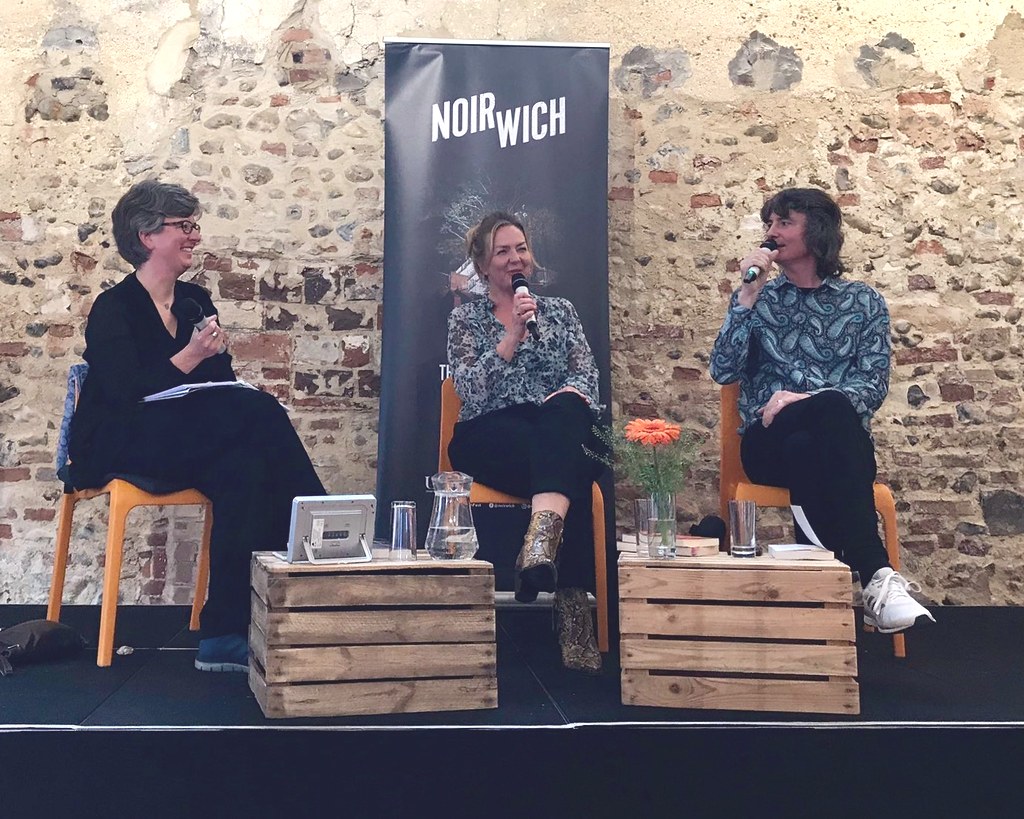
Well, Noirwich 2019 was a blast. It was my first time at this crime festival – now in its 6th year – and it has certainly hit its stride. I was there on the Saturday, as part of a range of panels at the incredible medieval Dragon Hall. It was quite a venue for our ‘Euro Noir’ panel.

Simone Buchholz and Antti Tuomainen were both on top form, and there was *plenty* of interesting discussion and laughter. Although their work shares a very strong noirish feel and humour, there are also some striking differences, which made for rich conversation. For example, Simone writes the ‘Chastity Riley’ series, while Antti focuses on standalones; Simone’s work is rooted in the ‘mean streets’ of Hamburg, while Antti’s novels wander around Finland, from the capital Helsinki to seaside towns and villages in the frozen east.

Both writers acknowledged the influence of Noir writers and filmmakers from Raymond Chandler to Jakob Arjouni and the Coen Brothers, but also felt that after a few books, these were subsumed into their own authorial voices – they had made them their own. And both felt that characters were at the heart of the story rather than the plot, and that placing characters in a quandary or difficult scenario gives narratives their oomph.

You can see how much fun we all had below… It was a very lively panel! And the bilingual readings in German-English and Finnish-English went down a storm.

You’d be forgiven for thinking Simone and Antti are doing a karaoke version of ‘Islands in the Stream’…

Mrs Peabody’s 10 Autumn Crime Reads

These are my most anticipated reads as the nights draw in. Some are recent, some not; some are pure crime, some are cross-genre… All look great!

  1. Laila Lalami, The Other Americans (US)
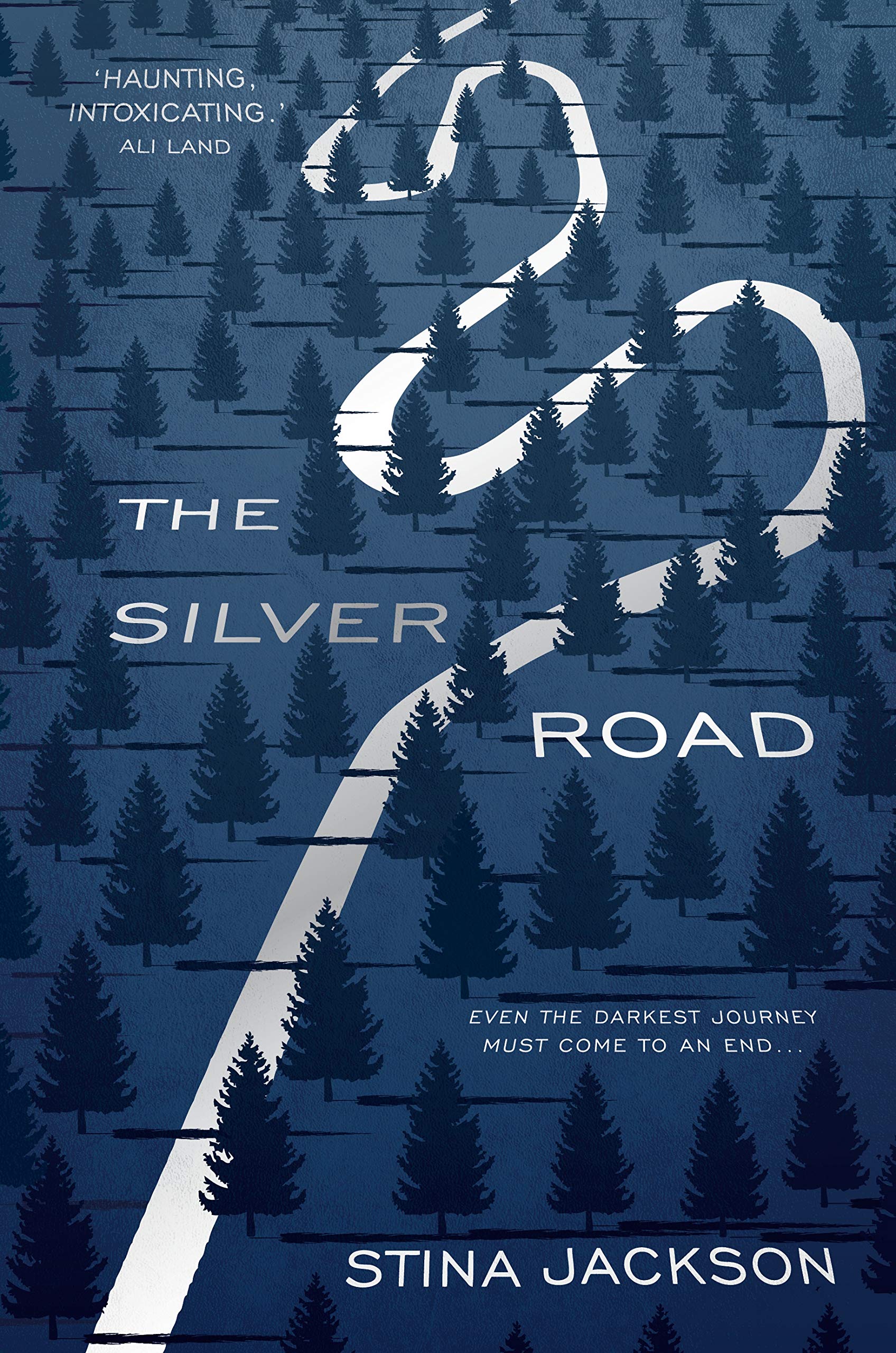
  2. Stina Jackson, The Silver Road, trans. Susan Beard (Sweden)
  3. Margaret Atwood, The Testaments (Canada)
  4. John le Carré, Agent Running in the Field (UK)
  5. George Pelecanos, The Man Who Came Uptown (US)
  6. Kevin Barry, Night Boat to Tangier (Ireland)
  7. Elif Shafak, 10 Minutes 38 Seconds in this Strange World (UK/Turkey)
  8. Janet Malcolm, The Journalist and the Murderer (US; non-fiction)
  9. Denise Mina, Conviction (Scotland; Denise was at Noirwich and her session made me want to grab this book.)
  10. Riku Onda, The Aosawa Murders, trans. Alison Watts (cheating; not out until Jan 2020, but hey).

The Silver Road is one of the submissions for the 2020 Petrona Award.

Smörgåsbord: Harper’s Force of Nature (Australia), Morgan’s Altered Carbon (UK/US) and Kushner’s The Mars Room (US)

Hooray! Getting back into the reading groove with these lovelies!

Jane Harper, Force of Nature, Abacus 2017

First line: Later, the four remaining women could fully agree on only two things.

Jane Harper has been the breakout star of Australian crime fiction in the last couple of years. Her debut, The Dry, completely blew me away (review here), and this follow up, the second in the ‘Aaron Falk’ series, was an immensely satisfying read.

Five women from the Melbourne company BaileyTennants set off on a corporate team-building exercise – a three-day hike in the remote Giralang Ranges. Only four return. The fifth, Alice Russell, is missing – a particular concern to Federal Police investigator Aaron Falk, as she’s a whistleblower in his current case. Together with colleague Carmen Cooper, he heads to Giralang to figure out how much the other women – from the company chairwoman to a lowly data-inputting assistant – know about Alice and her disappearance.

The scenario outlined above wouldn’t normally pull me in as a reader, but I was so impressed by The Dry that I wanted to read more of Harper’s work. And I’m glad I did. In Force of Nature she builds a gripping narrative using alternating timelines – the investigation in the present, and the experiences of the women on the hike in the past. The two strands are skilfully interwoven, and the characters and power dynamics within the group are extremely well drawn. If you haven’t yet found your way to Harper’s work, then you have a treat in store – she really is an extremely good, intelligent writer, and I love the sense of place her novels evoke.

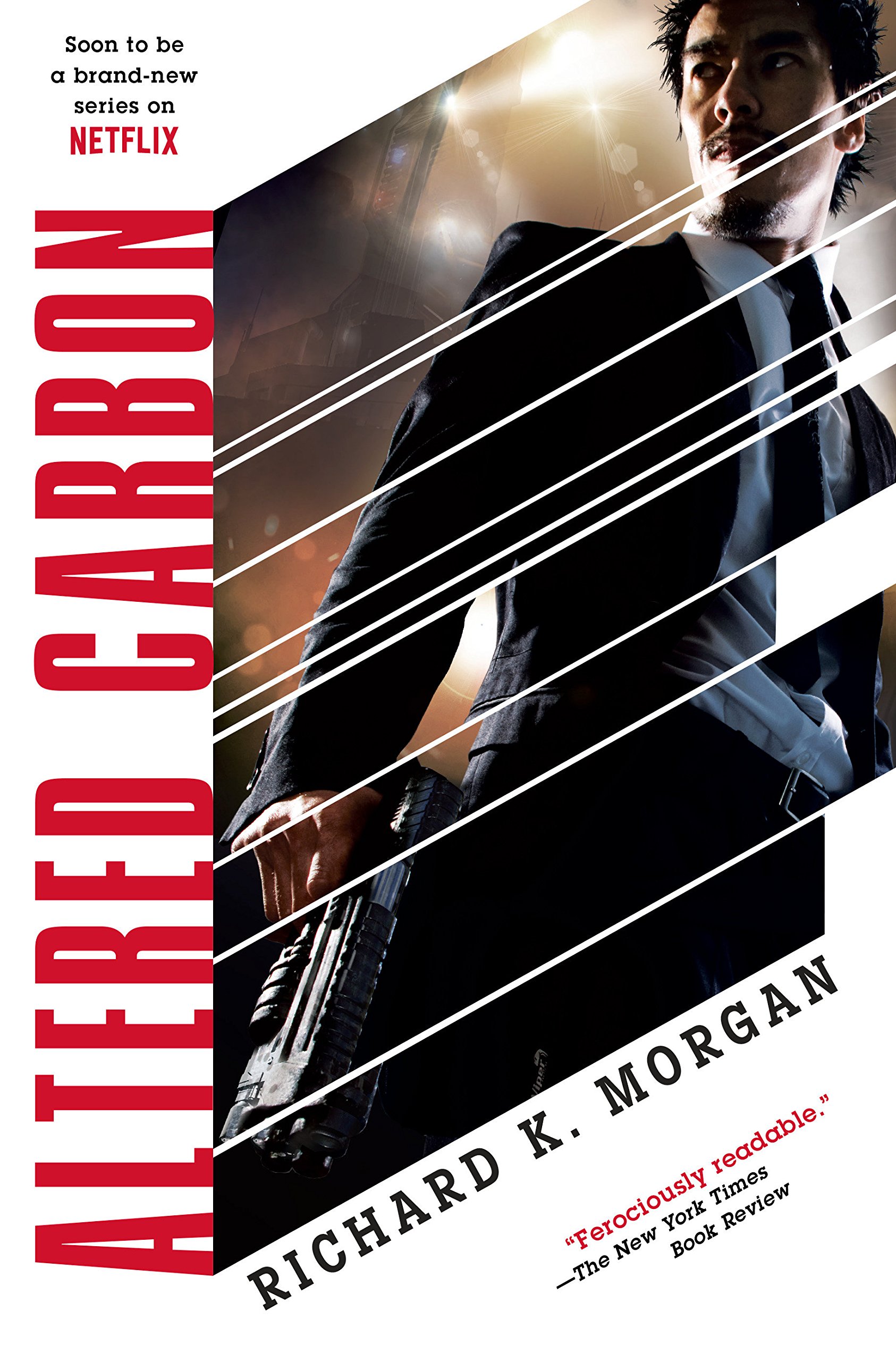
Richard Morgan, Altered Carbon, Orion 2008 (2002)

First line: Two hours before dawn I sat in the peeling kitchen and smoked one of Sarah’s cigarettes, listening to the maelstrom and waiting.

If Force of Nature is immensely satisfying, then Richard Morgan’s Altered Carbon is utterly mind-bending. It can perhaps most accurately be described as a neo-noir sci-fi detective novel – or as a gritty PI tale set in a dystopian but impressively believable future.

Four hundred years from now, mankind lives in colonies scattered on a number of far-flung planets. Technology has all but eliminated death: human consciousness is now stored in ‘stacks’ (implants at the base of the skull), which can be transferred into new bodies or ‘sleeves’ when necessary. So if you’re fatally shot, as former elite soldier and convict Takeshi Kovacs is at the start of this novel, it’s the beginning rather than the end. Kovacs wakes up on Earth, a long way from his home planet, in a new body – originally belonging to a nicotine-addicted ex-policeman – and discovers he’s been brought there by a billionaire to investigate a murder, a job he can’t afford to refuse.

And that’s just the starting point. The entire novel is brimming with great ideas and SF scenarios: convicts placed into storage during prison sentences who are met by their grandchildren on their release; husbands who open the front door to find that the stranger before them is actually their wife in a new ‘sleeve’; the mega-rich who live for hundreds of years and keep multiple new-and-improved bodies in storage…

The crime element is often a bit overshadowed in sci-fi crime novels, but Altered Carbon can rightly claim to be a PI novel – its investigation is strongly foregrounded throughout. Kovacs is a flawed but likeable figure, whose wise-cracking, tough-guy persona will appeal to fans of traditional noir. But be warned, this is a hard-hitting work that contains truly eye-watering levels of violence. Think Tarantino in space on speed.

All in all, then, an amazing debut novel – one which has been followed by two further novels, a graphic novel and a Netflix adaptation (though the latter apparently plays fairly freely with its source).

Rachel Kushner, The Mars Room (Vintage 2018)

First line: Chain Night happens once a week on Thursdays.

This isn’t a conventional crime novel, but rather a novel about a crime and what comes after. Its central character, Romy Hall, is serving two consecutive life sentences at Stanville Women’s Correctional Facility after killing the man who was stalking her. Through her eyes, we are shown the reality and bleakness of American prison life, and through her recollections, we trace her early years in San Francisco and the events leading up to the killing. At the centre of it all stands ‘The Mars Room’, the strip club where Romy worked to pay her way and to provide for her son Jackson.

This is a novel about the circumstances that shape an individual, the choices she makes, and how larger forces outside her control (such as a substandard justice system) shape her destiny. It’s also the story of a prison community – including Romy’s fellow inmates Laura Lipp, Conan, Betty, Sammy and Teardrop – and is extremely moving, although moments of lightness and humour are allowed to peep through. A searing novel, beautifully written, and one you won’t easily forget.

The Mars Room was shortlisted for the 2018 Man Booker Prize.

Crime smörgåsbord: Jónasson’s The Darkness (Iceland), Kidd’s Himself (Ireland), Miller’s American By Day (US/Norway), Herron’s Slow Horses (UK)

A very belated Happy New Year to you all! Work’s been a bit manic for the last few weeks, and looks set to continue that way for a while, so please excuse the slightly *ahem* stretchy gaps between my posts. Normal service will be resumed as soon as possible!

Happily, I’ve still been reading behind the scenes, even if I’ve not managed to post as much as I’d like. Here are some highlights…

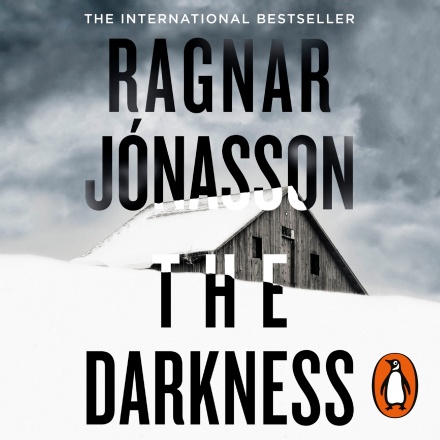
Ragnar Jónasson, The Darkness, trans. Victoria Cribb (Penguin 2018, Iceland).

First line: ‘How did you find me?’ the woman asked.

Jónasson is best known in the UK for his ‘Ari Thór’ series, published by Orenda Books. The Darkness is the first in a trilogy called ‘Hidden Iceland’, featuring the rather taciturn Reykjavik Detective Inspector Hulda Hermannsdóttir. Hulda is about to be shoved into retirement, but is grudgingly offered the chance to look into one last cold case before she goes – that of Elena, a young Russian woman whose body was found on the Icelandic coast. This is an intriguing, multilayered novel, whose true power only becomes evident right at its end. Jónasson dares to follow through in a way that few crime writers do, and the final result is very thought-provoking indeed. I’m looking forward to seeing where this trilogy will go next. The Darkness is one of this year’s Petrona Award contenders.

Jess Kidd, Himself (Canongate, 2017)

First line: ‘Mahony shoulders his rucksack, steps off the bus and stands in the dead centre of the village of Mulderrig’

Kidd’s The Hoarder was one of my top Christmas picks this year, and made me seek out her debut, Himself, as quickly as I could. It’s Ireland in 1976, and Mahony, a young man brought up by nuns in a Dublin orphanage, returns to Mulderrig, a tiny village he recently found out was his birthplace. He is the son of Orla Sweeney, who scandalised the village with her behaviour and supposedly disappeared in 1950. With the help of the eccentric Mrs. Cauley and a host of benign spirits who waft through walls, he starts uncovering the hypocrisies, secrets and malign power dynamics of the village. Utterly original, beautifully written and often wickedly funny, this is a crime novel to savour.

Derek B. Miller, American By Day (Penguin 2018, US/Norway).

First line: Sigrid Ødegård’s hands rest on the unopened blue folder as she stares out the window of her office.

Miller’s first novel, Norwegian By Night, is one of my favourite crime novels ever (see my rave review here), and this follow up novel features Sigrid Ødegård, the policewoman Sheldon met at the end of that first story. American By Day is a clever counterpart to its predecessor: while Norwegian By Night showed us an American recently transplanted to Norway, American By Day transplants a Norwegian to America, thereby opening the door to a wide-ranging comparison of the two countries’ values and policing cultures, especially in relation to race. Sigrid is a richly drawn, thoughtful character, unsettled by something she did in the course of her policing duties in Norway, and whose brother may have been involved in the death of his girlfriend, an American academic. With the help of US sheriff Irving Wylie and some Sheldon-esque chutzpah, she sets about getting to the bottom of the matter. Intelligent, accomplished and entertaining.

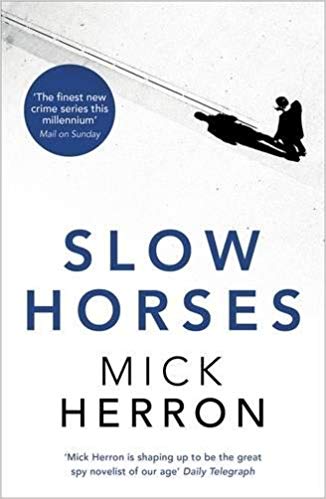
Mick Herron, Slow Horses (Hodder & Stoughton 2010, UK)

First line: This is how River Cartwright slipped off the fast track and joined the slow horses.

I’m extremely late to the party as far as the ‘Jackson Lamb’ series goes, but who cares – I’m here now and I’m having fun. Far from the glamour of the Intelligence Services in Regent’s Park sits Slough House, home of the Slow Horses: agents who in some way or other have screwed up, but can’t quite be pushed out of the service completely as yet. Assigned to mundane tasks and managed by the uncouth Jackson Lamb, each hides painful secrets, while yearning to get back into the action somehow. That moment may have arrived when some kidnappers threaten to broadcast the execution of their hostage Hassan live on the internet. A fabulously entertaining introduction to the Slow Horses, which also has plenty to say about the callousness of ambition and power. Hints of le Carré, but presented in a breezy and darkly humorous way.