#47 Anita Nair’s A Cut-like Wound (India)

Anita Nair, A Cut-like Wound (London, Bitter Lemon Press, 2014 [2012]). Set in Bangalore, this crime novel introduces readers to Inspector Borei Gowda and provides a rare insight into the world of the hijra. 3.5 stars

Nair Wound

Opening lines: It wasn’t the first time. But it always felt like the first time as he stood in front of the mirror, uncertain, undecided, on the brink of something monumental. On the bare marble counter was a make-up kit.

There’s been so much wonderful TV crime drama to report on that I’m a bit behind on my book reviews. So it’s time to explore a crime novel by Anita Nair, an extremely versatile Indian writer known for her novels, essays, children’s fiction, poetry and travelogues. A Cut-like Wound, published by Bitter Lemon Press in 2014, two years after its original publication, is her first foray into crime.

A Cut-like Wound is set in present-day Bangalore (also known as Bengaluru) in India’s southern Karnataka state, and skilfully evokes the heat and dust of this crowded city. Inspector Borei Gowda, the novel’s main investigator, is an engaging creation: in the throes of a mid-life crisis, with a stalling career and a lacklustre marriage, we see him pondering his future in the face of temptation from old flame Urmila, who’s just resurfaced in his life. His struggles with workplace power dynamics as he tries to solve a series of brutal murders are also well drawn.
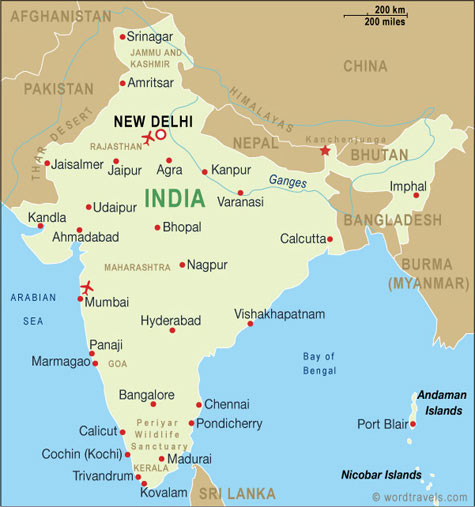
Like all good international crime fiction, A Cut-Like Wound provides readers with the opportunity to learn about a different culture and society. The novel provides a rounded picture of Bangalore and depicts the lives of citizens from a range of social and economic backgrounds. There’s also an intriguing insight into the city’s minority community of hijra (transgender individuals and eunuchs), who occupy an ambiguous space in Indian society: often depicted in comic supporting roles in Indian cinema, they’re also frequently the victims of real life prejudice and violence. In 2014, in a major group victory, the Indian supreme court awarded hijra the right to select a ‘third gender’ category on official documents, giving them legal visibility at last.  

FHI BANGLADESH

A group of Hijra in Bangladesh. Credit: USAID Bangladesh

Less convincing for me was the depiction of the murderer within the novel. The motivation for the killings didn’t ring completely true, even though I could see the psychological rationale the author was trying to employ. This weakness and a slight unevenness in narrative tone leads me to give A Cut-like Wound a rating of 3.5 stars. 

If you’re interested in finding out more about Indian crime fiction, take a look at the following:

And on its way in 2016: the winner of the 2014 Harvill Secker Daily Telegraph crime writing competition, Abir Mukherjee’s A Rising Man. This novel is set in 1919 Calcutta and shows British policeman Captain Sam Wyndham investigating the politically sensitive murder of a senior government official against the backdrop of the ‘quit India’ movement. I’ve had an advance copy, and am enjoying this hugely assured debut very much. The Wyndham series and its author are definitely ones to watch.  

eee

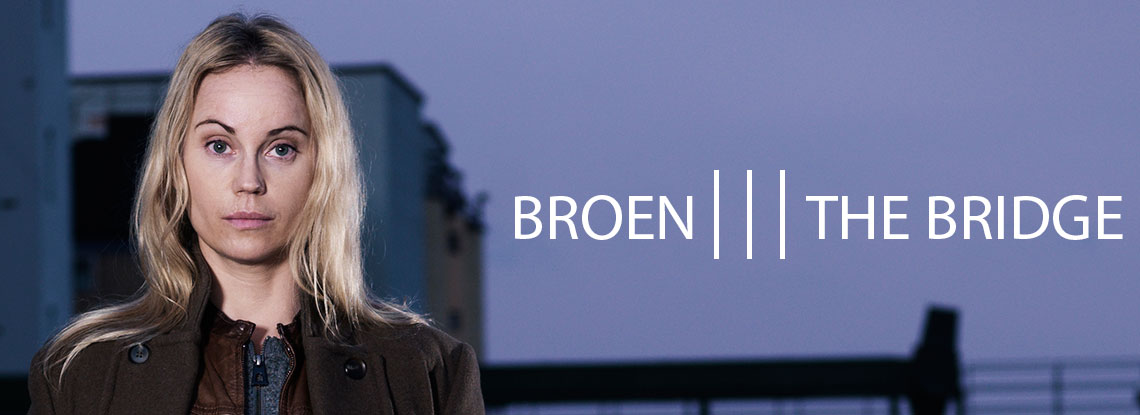
Bron III Broen – The Bridge is back!

The Bridge 3

It’s back…! Bron III Broen (The Bridge series 3) returns to UK screens tonight after what seems like a very long wait. Martin Rohde (Kim Bodnia) may no longer be around, but the wonderful Saga Noren (Sofia Helin) will be strutting her stuff as usual – in her highly individual way.

The first and second episodes will air today, Saturday 21 November, on BBC4 between 9.00 and 11.00pm. The series contains 10 episodes in total, which are in Swedish and Danish with English subtitles.

Here, for your delectation, is the BBC4 trailer ‘A new Saga begins’ (terrible pun)…

And here’s an overview of the series from the BBC:

>> The Bridge 3: When Helle Anker, the founder of the first gender-neutral kindergarten in Copenhagen and a high-profile debater on gender issues, is found murdered in Sweden, the Danish and Swedish police are compelled to join forces once more for a third series of The Bridge. The brutal killing turns out to be only the first in a series of gruesome crimes, strung together in a case which involves Saga Norén of the Malmo Police personally and which will change her forever. A powerful, intriguing and unpredictable tale of crime, played out by fascinating and complex characters, the new season will revolve around the concept and structures of family – new, old, deviant, classical, constructive and destructive. At its heart, The Bridge carries a central theme of personal responsibility and its consequences. <<

The Radio Times also features a piece on Sofia Helin winningly entitled ‘I’d rather be a feminist icon than a sex symbol’. There’s an extract here and the full interview is carried in the RT magazine.

And over at Nordic Noir, there’s an insightful interview with Sofia about the new series and dealing with Kim’s departure (may contain the odd spoiler).

Happy viewing!

THEBRIDGEIII

GoetheKrimi! A report on the Goethe-Institut/New Books in German crime event

The Goethe Institut/New Books in German crime fiction evening – ‘In the Library with the Lead Piping’ – took place in London last week and was a rip-roaring success. We had an audience of around fifty, who gamely took part in our murder mystery and listened with rapt attention to authors Mechtild Borrmann, Mario Giordano, Michael Ridpath and Louise Welsh as they read from and discussed their work.

22475997513_e5f5d40f22_b

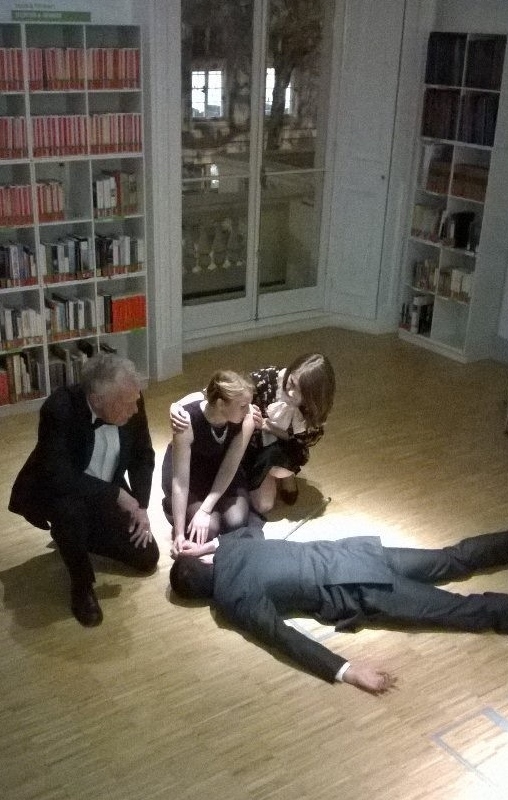
Who killed Macneath? The evening began with a murder in the library…

23071022116_8d3680d396_z

…before moving on to the readings and a discussion.

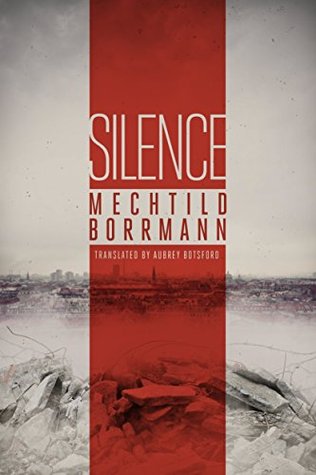
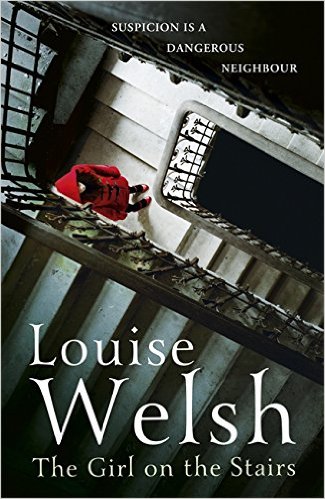
The panel discussion focused on Mechtild Borrmann’s ‘Kleve’ police procedurals and her historical novel Silence (Amazon Crossing); Michael Ridpath’s spy novel Traitor’s Gate and his Icelandic ‘Fire and Ice’ series; Mario Giordano’s screenwriting for the TV crime series Tatort (Crime Scene) and his comic crime novel Aunt Poldi and the Sicilian Lions (Bitter Lemon Press, 2016); and Louise Welsh’s psychological thrillers The Bullet Trick and The Girl on the Stairs.

As moderator, I thoroughly enjoyed putting some juicy questions to the authors about their works… 

We explored why British authors Michael and Louise chose to write novels set in Germany (Traitor’s GateThe Bullet Trick and The Girl on the Stairs); the authors’ use of settings (from urban Berlin and small-town Germany to the island of Sicily); German regional crime and the Soziokrimi or social crime novel (the ‘Kleve’ series and Tatort); the use of crime fiction to celebrate plural cultural identities (Aunt Poldi); the role of transgressive women in German film and crime (Pandora‘s Box, The Girl on the Stairs, Aunt Poldi); the challenges of writing about the Nazi past (Traitor’s Gate, Silence) and on contemporary Iceland (‘Fire and Ice’ series). We also discussed whether the former East Germany could be the next big thing in historical crime fiction or whether it was still too early to focus on this era (the authors had differing views on this point). The audience put some great questions too, asking to what extent the authors worked together with their translators, whether or not they wrote with their future readers in mind, and the nature of Ingrid Noll’s influence on contemporary German crime writing (huge).

22678870427_ce219d7386_z

Ernst the duck was the evening’s mascot – a potent reminder of the pitfalls of national stereotyping…

All in all, it was an excellent evening. Huge thanks to everyone who came along, and to Jens Boyer at the Goethe Institut London and Charlotte Ryland of New Books in German for organising such a fantastic event – Charlotte also did sterling work as a translator during the panel discussion!

We managed to interview each of the authors about their works ahead of the event – I’ll add some links to the podcasts here soon.

And here’s a good blog post by Alyson Coombes on one of Mechtild’s novels – The Other Half of Hope – which will hopefully be translated soon.

Goethe Krimi (10)

Left to right: Jens Boyer, Kat Hall, Charlotte Ryland, Louise Welsh, Mechtild Borrmann, Mario Giordano and Michael Ridpath. Photo by www.londonvideostories.com

Goethe-Insitut-50-LOGO-004      new-books-in-german

In other news, the final proofs of the Crime Fiction in German volume have just arrived from the University of Wales Press. All that remains to be done is the index, a job I enjoy as it always throws up entertaining entries. I’ll leave you to wonder how ‘Elvis Presley’, ‘Cagney and Lacey’ and ‘Dragnet‘ fit into the history of German-language crime writing!

German CF cover final

‘In the library with the lead piping’: German crime fiction event at the Goethe Institut London

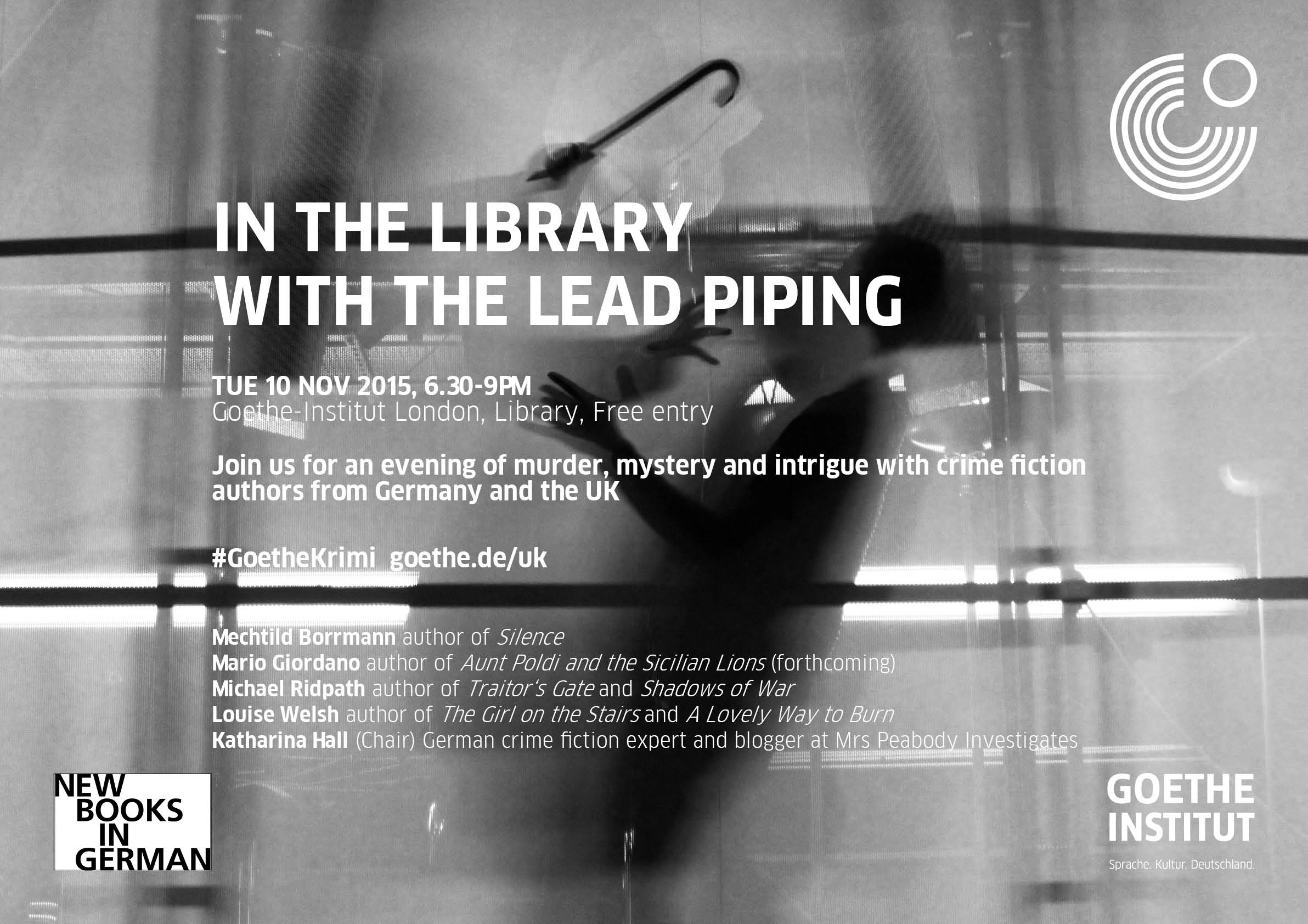
Excitement is mounting, as ‘In the library with the lead piping’, a fabulous German crime fiction event at the Goethe Institut London, is now only a week away.

#GoetheKrimi

The event features two German authors – Mechtild Borrmann and Mario Giordano – and two British authors – Michael Ridpath and Louise Welsh (who’ve both written crime with a German twist). They will be reading from their works and taking part in a panel discussion (see this earlier post of mine for some author details).

.         Silence  Shadows of war  poldi  Girl Welsh

As chair for the event, I’ve spent the last couple of weeks happily reading my way through the authors’ novels. What’s struck me most, aside from the quality of the works, is their wonderful diversity. Police procedurals, spy novels, psychological thrillers, historical crime novels and comedy crime fiction are all represented, with German settings and themes used in a variety of innovative ways. It’s going to be a fascinating evening!

If you’re in London on Tuesday 10. November and would like to come along, all you need to do grab a ticket via Eventbrite. Entry is FREE.

Further details of the event are available on the Goethe Institut website.

Watch out for some teaser tweets on Twitter. Our hashtag is #GoetheKrimi.