Jingle bells! Mrs. Peabody’s 2025 Christmas crime list

Mrs. Peabody’s 2025 Christmas list features the perfect gift for every crime lover in your life — including yourself!

Eight novels set in America, England, Norway, Scotland, Croatia and the former Yugoslavia, with a dash of China, Sweden and Ukraine. Please support indie publishers and local booksellers!
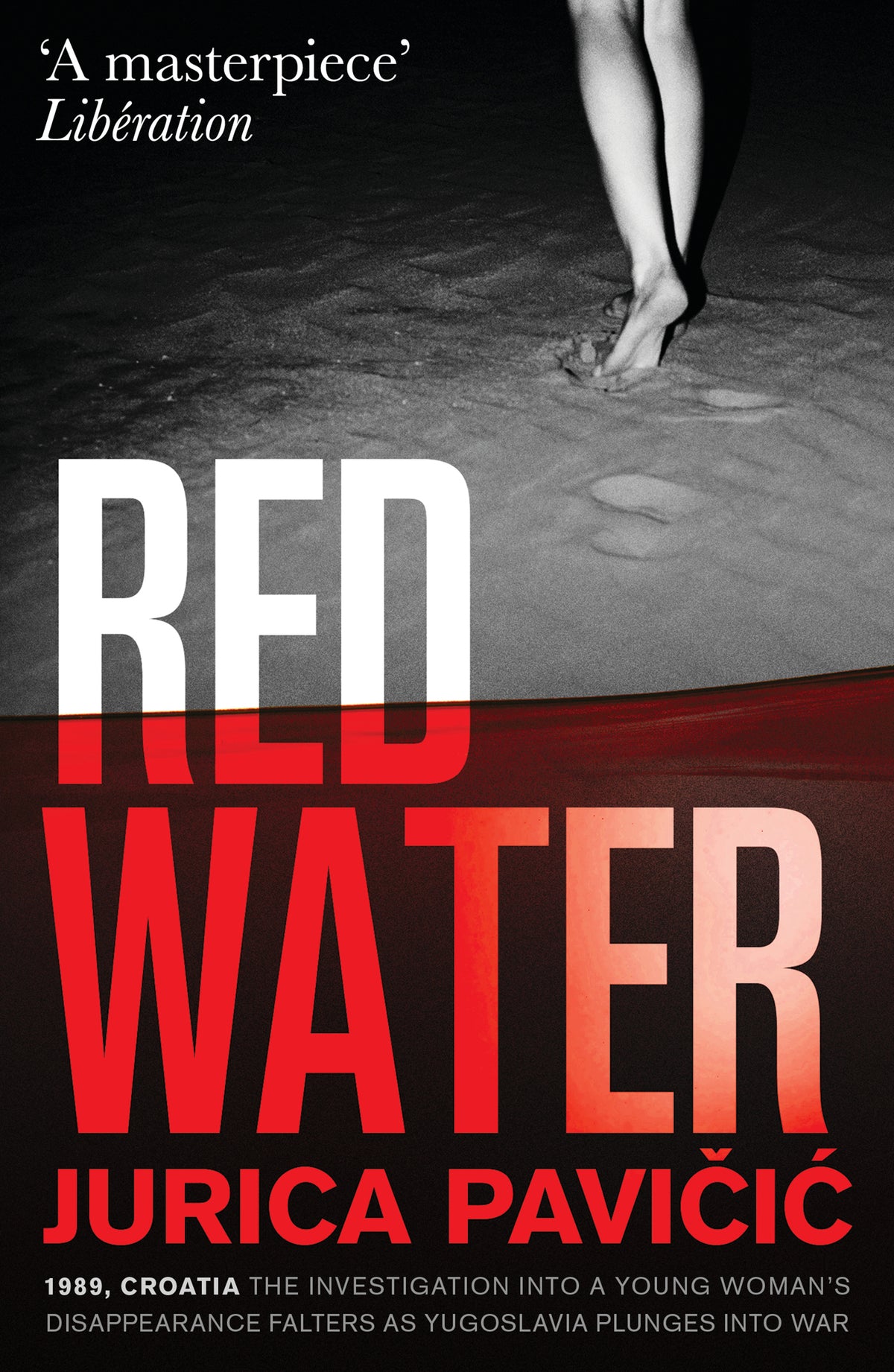
Red Water

Jurica Pavičić, Red Water, translated by Matt Robinson, Bitter Lemon Press 2025

Red Water is for lovers of international and historical crime fiction. Set in Croatia, the novel explores the fallout from a teenager’s disappearance over three long decades. Silva vanishes in September 1989, leaving her family confounded, not least because the police investigation reveals some unexpected sides to the seventeen-year-old’s life. Then comes the fall of communism and the Yugoslav Wars that will tear communities apart. It’s only once the conflict ends that the family has any chance of getting the answers they need.

This gripping and emotionally intelligent mystery shows the toll on the loved ones of those who disappear, while offering a nuanced history of Yugoslavia’s collapse and the remaking of Croatia. First-class stuff.

Laila Lalami, The Dream Hotel, Bloomsbury 2025

Set in a future not far from now, The Dream Hotel is a speculative mystery that highlights the dangers of the technologies that supposedly serve us. Dr Sara Hussein is returning from a conference when she’s detained at Customs and Immigration, because she’s been deemed at risk of committing murder following data analysis of her dreams. Little did she know, when blithely agreeing to the terms of a sleep-saving device after the birth of her twins, that her dreams would be harvested and used against her. Now she’s being held at a SAFE-X facility that turns a profit from its detainees’ labour and is loath to let them go. It’s been 291 days — will Sara ever make it back to her family?

The Dream Hotel will make you think twice about ticking those innocent-looking ‘terms and conditions’ boxes, and illuminates the intersections of law enforcement and capitalism in uncompromising ways. The subject is highly relevant given the current situation in the States, where ICE is busy outsourcing raids on immigrant communities. A fantastic read from an author at the top of her game.

Elly Griffiths, The Postscript Murders and The Last Word, Quercus 2020 and 2024 

Time for some cosy crime! I absolutely loved this duo of bookish crime novels by Elly Griffiths. In The Postscript Murders, DS Harbinder Kaur sees no reason to suspect foul play when 90-year-old Peggy Smith is found dead at home. But Peggy’s carer Natalka isn’t so sure: Peggy thought she was being followed and did she really have the heart condition that apparently killed her? Together with Edwin, Peggy’s elderly neighbour, and Benedict, a former monk who serves coffee on the Shoreham seafront, Natalka sets about solving the mystery of Peggy’s death. And it turns out that their friend had a rather special skill. Then, in The Last Word, the trio investigate the demise of local romance author Melody Chambers.

Both novels are great reads — witty and entertaining, but with plenty of emotional depth. The three investigative characters bounce off one another nicely, and Natalka’s Ukrainian dynamism complements Edwin and Benny’s more cautious British approach. Crime fiction with lots of heart.

Jørn Lier Horst, The Lake, translated by Anne Bruce, Penguin 2025 

The latest William Wisting police procedural is a brilliant addition to the series. It’s high summer and Lake Farris is drying out for the first time in years. As the waters recede on opposite sides of the lake, there are disturbing discoveries relating to two cold cases: the remains of a young motorcyclist who went missing eight years ago, and the belongings of a girl who disappeared four years later. Wisting and his team, with fresh input from a Swedish detective, begin to reinvestigate.

This crime novel goes to some quite dark places, but is never salacious or gratuitous in tone. Wisting represents the very best of policing: he is methodical, dogged, and dedicated to securing justice for his victims. His methods have also moved with the times, so we’re given fascinating insights into the latest technologies used to secure vital breakthroughs.

R. F. Kuang, Yellowface, HarperCollins 2024

Rebecca Kuang is an incredibly exciting writer, with the talent and courage to pull off ideas that many other authors could not. In Yellowface, obscure writer June Hayward witnesses the death of her friend and rival Athena Liu in a freak accident. In the interval between dialling 911 and the arrival of the emergency services, June steals the book manuscript lying on the dead woman’s desk, and later revises and passes it off as her own. Finally, ‘June Song’ has the fame and critical adulation she’s always dreamed of and seems to have no problem justifying her actions to herself. But someone may be about to expose her. How can June save herself from being cancelled and losing her precious career?

Yellowface is a razor-sharp dissection of the publishing industry and the crazily competitive world that aspiring writers have to navigate. Just how far are they (or any of us) willing to go to make it? Clever and witty, and a genuinely insightful look at the publishing process.
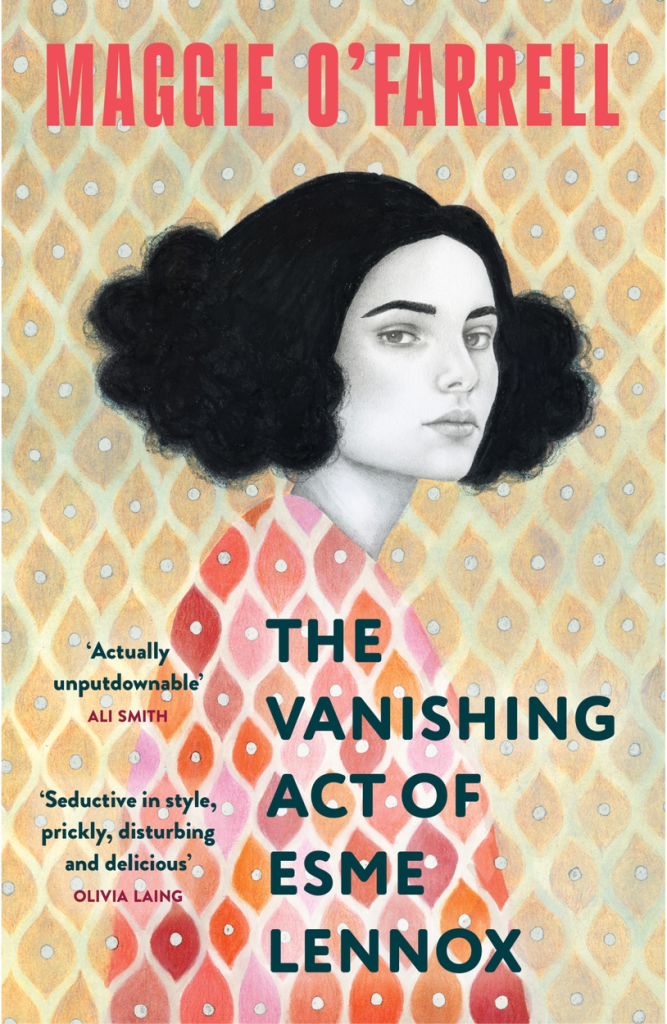
Maggie O’Farrell, The Vanishing Act of Esme Lennox, Hachette 2009

Top-notch literary crime. Iris Lockhart gets a letter telling her that her great-aunt Esme Lennox is about to be released from an Edinburgh psychiatric unit. Iris has never heard of Esme, and her grandmother Kitty, who is slipping into dementia, seems unable or unwilling to help. But what could Esme have done to deserve a lifetime in an institution? And why the complete silence about her within the family?

This is by far the oldest novel on my list, but I read it this year and was simply blown away. I counted at least four major crimes within its pages, and the astonishing thing is that none of them — even in combination — could be said to be remotely unique. On finishing it I felt quite shaken, because it really isn’t that long since ‘transgressive’ women could be so easily ‘put away’. Sobering and sad, but incredibly good — and Esme herself is unforgettable. O’Farrell is a truly fantastic writer.

Jess Kidd, Murder at Gulls Nest, Faber 2025

Murder at Gulls Nest is the first in Jess Kidd’s ‘Nora Breen Investigates’ series and is set in the 1950s seaside town of Gore-on-Sea, a place of boarding houses, terrible food, and recuperation after long years of war. Nora was once Sister Agnes of Christ at the High Dallow Carmelite Monastery, but when former nun Frieda goes missing, Nora feels compelled to find her and takes a room at the Gulls Nest boarding house where the woman last lived. Here, Nora meets the ragtag assortment of Frieda’s fellow lodgers, and starts using her curiosity and sharp intelligence to get to the bottom of the mystery. When one of the lodgers is found dead, Nora knows that something is seriously amiss. Kidd’s use of language is sublime, and the loyal and resourceful Nora Breen is a delight. Cosy, but with an uncompromising edge.

Wishing you all a lovely, relaxing and bookish Christmas!

All I want for Christmas is you! Mrs. Peabody’s 2023 top crime picks

Here’s Mrs. Peabody’s 2023 Christmas crime list — featuring some of my top reads of the last twelve months (though not necessarily from this year). The books are set in America, Argentina, Australia, Finnish Lapland, Ireland, Japan, Lebanon, Russia and the UK. 

Treat others! Treat yourself! Support local booksellers!

María Angélica Bosco, Death Going Down, tr. from the Spanish by Lucy Greaves (Pushkin Vertigo 2017; first published 1954)

Setting: 1950s Buenos Aires, Argentina

First line: The car pulled up in front of an apartment building on one of the first blocks of Calle Santa Fe, where the street opens out to a view across the wide Plaza San Martín.

María Angélica Bosco (1917-2006) is often styled as the Argentinian Agatha Christie, and this tightly plotted crime novel amply illustrates why. When glamorous Frida Eidinger is found dead in the lift of a luxury Buenos Aires apartment block, its residents — all of whom are hiding secrets beneath their respectable bourgeois exteriors — find themselves the main suspects in the case. While the police inspectors are no match for Christie’s Poirot, their investigation reveals the fascinating diversity of post-1945 Argentinian society. Those questioned include Germans and Bulgarians, many of whom are fleeing the complexities of a war-ravaged Old Europe. Or so they think. And as the novel’s first line shows, Bosco also paints an evocative picture of a unique South American city. A classic crime novel with a difference, deftly translated by Lucy Greaves

Jane Harper, Exiles (Pan Macmillan 2023)

Setting: present-day South Australia, wine country

First line: Think back. The signs were there. What were they?

How I love Jane Harper’s absorbing, intelligent crime fiction, which so elegantly plumbs the emotional depths of families and small communities. Exiles opens a year after the strange disappearance of Kim Gillespie, who was spotted multiple times at the Marralee Valley Food and Wine Festival before seemingly vanishing into thin air, leaving her baby tucked up in a pram for the festival organisers to find at the end of the night. Except no one can quite believe that Kim would have done this, and some of her family — especially her teenage daughter Zara — are convinced that something terrible has happened to her. What unfolds is a complex, multi-layered story that’s wholly convincing, with a cast of wonderfully realised characters. Exiles is the third in the ‘Aaron Falk’ trilogy, but can absolutely be read as a standalone (nothing from the previous books is given away). A top-notch read.

Jesse Sutanto, Vera Wong’s Unsolicited Advice for Murderers (HarperCollins 2023)

Setting: Chinatown, San Francisco, USA

First lines: Vera Wong Zhuzhu, age sixty, is a pig, but she really should have been born a rooster. We are, of course, referring to Chinese horoscopes. 

I’ve become fond of cosy crime novels over the last few years — a welcome antidote to the world’s rougher edges — but only if they have a bit of depth. Vera Wong’s Unsolicited Advice for Murderers, by Jesse Sutanto, is a great example of how a cosy can leave you feeling warm and uplifted while also engaging with serious issues, such as the damaging social loneliness that older people often experience. At first glance, Vera Wong is a ‘typical’ overbearing first-generation mother: opinionated, meddling and chronically attached to the ‘old ways’. Her traditional Chinese teahouse, which she built up and ran with her late husband, is now shabby and largely deserted, and she’s on the brink of a serious depression. Until, that is, she finds a body sprawled on the floor of her teahouse, and decides to investigate the murder in her own unique way… I listened to the audiobook, which was fabulously narrated by Eunice Wong and made me laugh out loud. Lovers of Chinese cuisine will delight in the mouth-watering descriptions of various Chinese teas and dishes. A skilfully written cosy with heart.

Ben Macintyre, A Spy Among Friends (Bloomsbury 2015)

Setting: 20th-century England, Russia, Lebanon

First line: Two middle-aged spies are sitting in an apartment in the Christian Quarter, sipping tea and lying courteously to one another, as evening approaches.

Back in January, I watched the ITV adaptation of A Spy Among Friends, featuring two excellent performances by Guy Pearce and Damian Lewis. That made me seek out Ben Macintyre’s jaw-dropping book, which tells the true story of Kim Philby, possibly the most notorious of all double agents, who spent decades spying for Russia while working at the very heart of the British intelligence. Betraying one’s country should be the worst of the crimes the book explores, but  Philby’s extraordinary exploitation and betrayal of deep friendships comes a close second. A brilliantly researched piece of espionage history, this is non-fiction that reads like an incredibly exciting thriller. If you’re a John le Carré fan, this real-life Tinker Tailor Soldier Spy is most definitely for you.

Pair it with Macintyre’s The Spy and the Traitor (Penguin 2019), which tells the equally gripping story of Oleg Gordievsky, the Soviet double-agent who arguably helped to bring about the end of the Cold War, and Rosamund Pike’s podcast Mother, Neighbour, Russian Spy, which examines the more recent, astonishing case of ‘Cindy Murphy’, aka Lydia Guryev, a Russian spy who lived in deep cover in the United States for a number of years — a fact kept from her two American-born children.

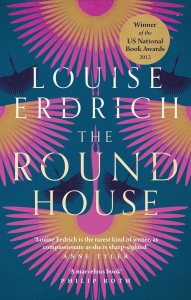
Louise Erdrich, The Round House (Corsair 2013 [2012])

Setting: 1980s North Dakota, USA

First line: Small trees had attacked my parents’ house at the foundation.

2023 was the year I discovered Louise Erdrich, and my Christmas list would be incomplete without her novel The Round Housea stunning dissection of a crime and its consequences. At the heart of the story are the Coutts family, who live on an Ojibwe reservation in North Dakota. When Joe’s mother Geraldine is raped and falls into a deep depression that threatens to destroy her, Joe and his father Bazil, a tribal judge, seek justice for her in different ways. This individual case also allows past crimes committed by the state against the Ojibwe, and especially Ojibwe women, to be illuminated. It’s an intricate, expertly told tale, and there’s a warmth and complexity to the main characters that’s hugely compelling. See my full review here.

Jess Kidd, Himself (Canongate, 2020)

Setting: rural 1970s Ireland

First line: Mahony shoulders his rucksack, steps off the bus and stands in the dead centre of the village of Mulderrig.

I recently re-read Jess Kidd’s Himself (for perhaps the third or fourth time), and fell in love with it all over again. As it’s not featured on one of my Christmas lists before, I’m going to sneak in this finely crafted gem here… It’s Ireland, 1976: Mahony, a charming young man brought up by nuns in a Dublin orphanage, returns to Mulderrig, a tiny village he recently found out was his birthplace. He’s the son of Orla Sweeney, who scandalised the village with her behaviour and supposedly disappeared in 1950. With the help of the eccentric Mrs. Cauley and a host of benign spirits who waft through walls, he starts uncovering the hypocrisies, secrets and malign power dynamics of the village. Utterly original, beautifully written and often wickedly funny, this is a crime novel to savour.

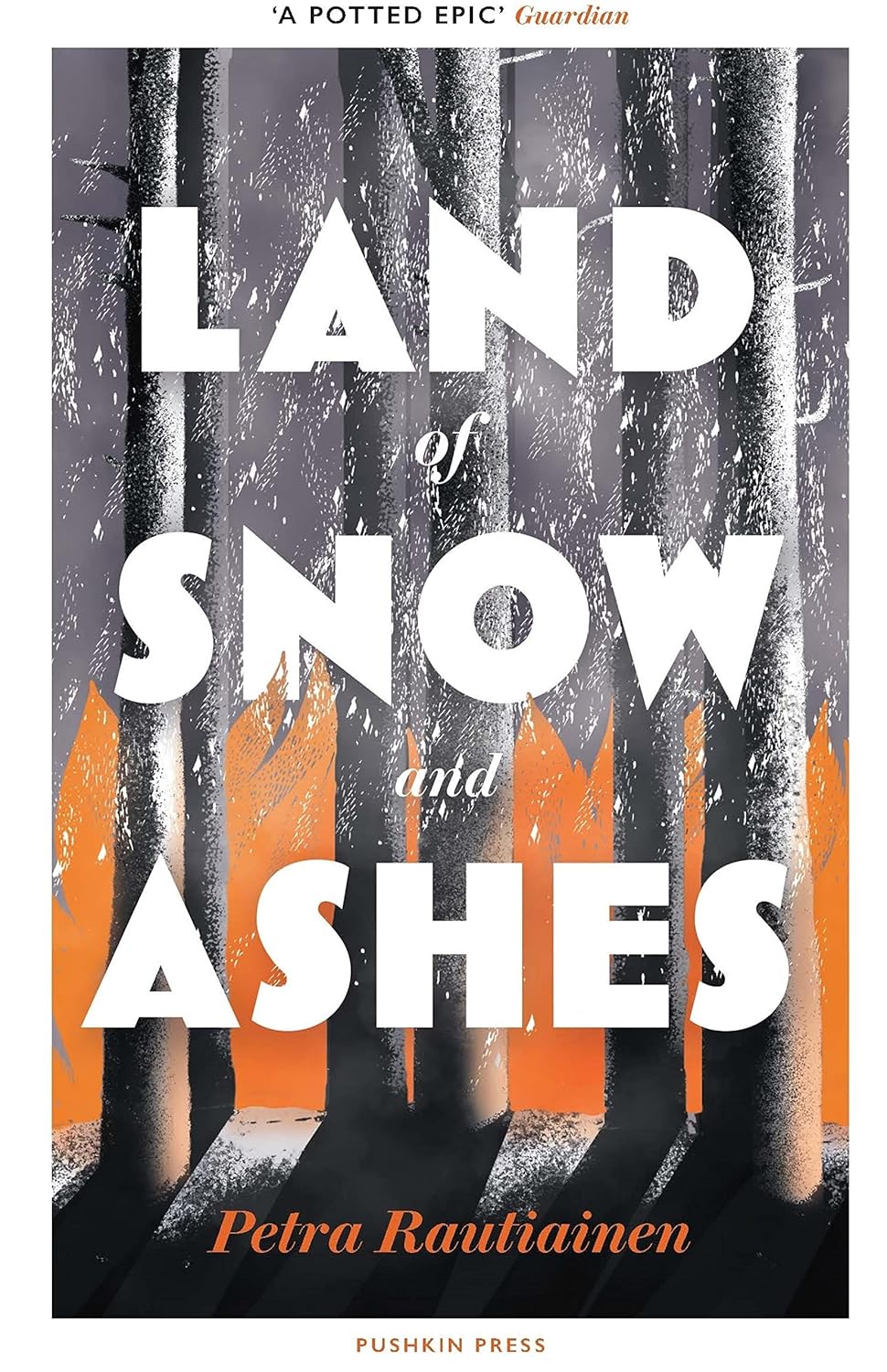
Petra Rautiainen, Land of Snow and Ashes, tr. from the Finnish by David Hackston (Pushkin Press 2022)

Setting: 1940s and 1950s Finnish Lapland

First line: I arrived in Inari yesterday, transferred from the penal colony at Hyljelahti. This new camp isn’t marked on Finnish maps.

Petra Rautiainen’s Land of Snow and Ashes is a historical crime novel that explores a lesser-known aspect of the Second World War: Finland’s brief alliance with Nazi Germany following its occupation of Finland, which included the establishment of a network of camps in Western Lapland. The novel initially unfolds along two timelines — 1944 and 1947 — which seem to lie very close together but are actually worlds apart. In 1944 the Nazi occupation and camps are still in place, while 1947 falls after the Nazi retreat that razed everything it could to the ground, including entire towns like Rovaniemi. We see events through the eyes of two very different narrators: young Finnish soldier Väinö Remes, an interpreter at the Inari camp, and photo-journalist Inkeri Lindquist, who is searching for her missing husband Kaarlo. Thoughtful consideration is also given to the impact on traditional Sámi ways of life by the war and Finnish attempts to ‘educate’ Sámi children in boarding schools in the post-war era. A hard-hitting but rewarding read, skilfully translated by David Hackston, and shortlisted for the Petrona Award.

Seichō Matsumoto, Point Zero, tr. from the Japanese by Louise Heal Kawai (Bitter Lemon Press 2024, [1958])

Setting: 1950s Tokyo and Kanazawa, Japan

If you’re given a book token for Christmas, then allow me to recommend Point Zero, out in February 2024 from Bitter Lemon Press — it’s just the thing to get your international crime reading off to a cracking start in the new year. I’ve long been a fan of Matsumoto’s work, but am particularly taken with this novel as it features a female investigative lead, which was surely ground-breaking for the time. Set in 1958, Point Zero tells the story of a young woman, Teiko Uhara, whose husband Kenichi vanishes shortly after their honeymoon. Deeply unsettled by his disappearance, Teiko visits the remote coastal city of Kanazawa, where Kenichi was last seen, to piece together what happened. As well as being an absorbing mystery, Point Zero is an accomplished social crime novel. Set less than fifteen years after the end of the Second World War, it skilfully depicts the tensions between traditional and modern Japan in the aftermath of the country’s military defeat, especially for a certain generation of Japanese women. Beautifully translated by Louise Heal Kawai, Point Zero is a reminder of the important role translations can play in illuminating other cultures and eras.

Wishing you all a very Merry Christmas and a Happy New Year!

Louise Erdrich’s The Round House (USA), James Wolff’s The Man in the Corduroy Suit (UK/Russia), and Becky Chambers’ A Closed and Common Orbit (USA/Space)

Hello, everyone! It’s been a while hasn’t it? I hope you’re all as well as can be and embarking on some quality autumn reading.

Here’s a small selection of the crime that’s grabbed me lately. All three novels are loosely part of larger series, but can be read as standalones. All draw on the crime genre in intriguing ways.

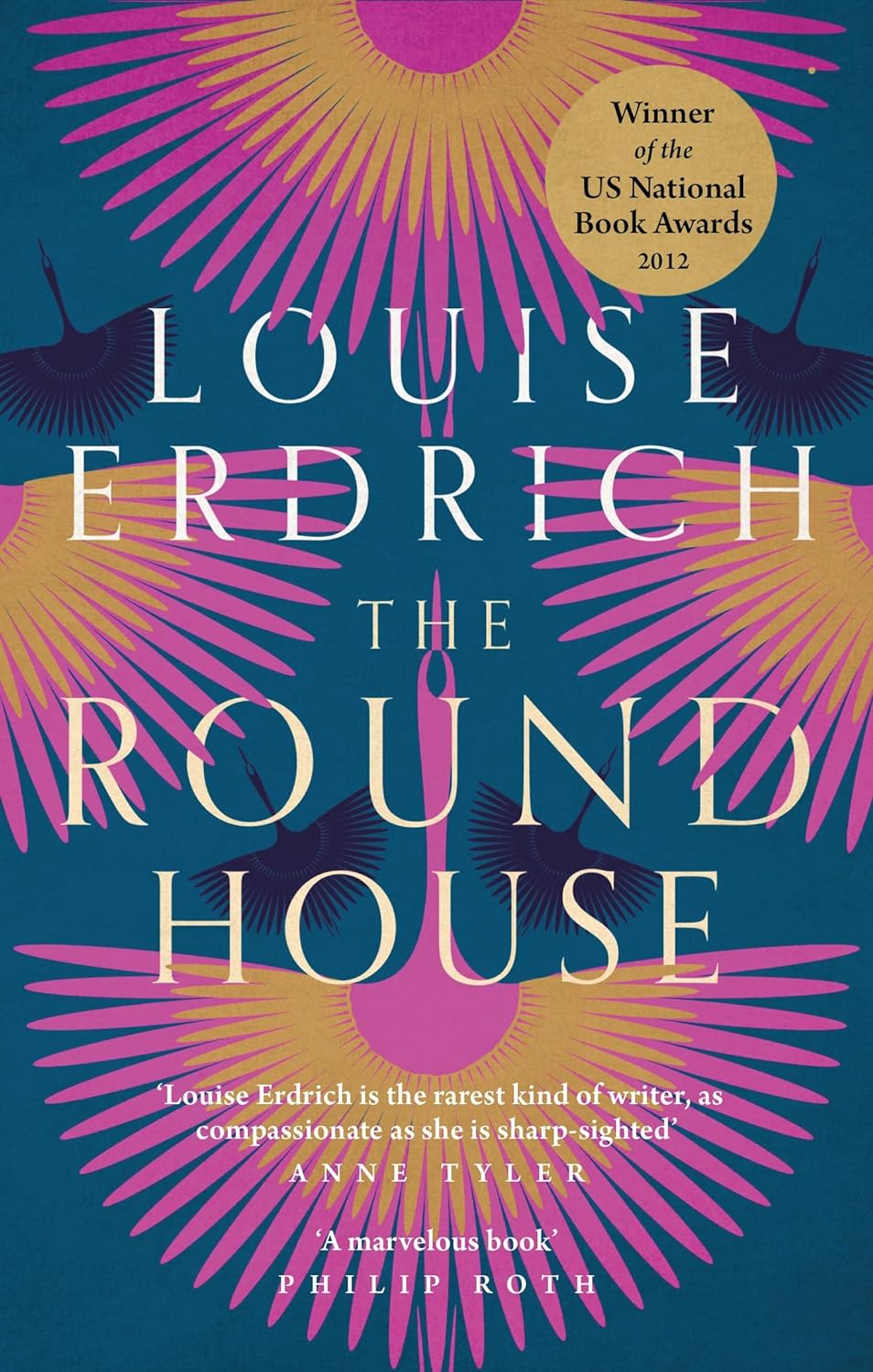
Louise Erdrich, The Round House, Corsair 2013 [2012], USA

First line: Small trees had attacked my parents’ house at the foundation.

How have I managed to miss Louise Erdrich on my literary travels? She’s such a prolific and acclaimed author, and her writing is so very good. I’ve caught up with two of her novels thus far — The Round House (2012) and The Sentence (2021). The Night Watchman (2020), which won a Pulitzer, is next on my list.

Erdrich is viewed as a ‘literary’ author rather than crime writer, but her novels often explore the impact of individual and institutional crimes. The Round House, in particular, is a stunning dissection of a crime and its spiralling consequences. Our narrator, Joe Coutts, reflects on the traumatic summer of 1988, when his mother Geraldine was raped and fell into a deep depression that threatened to destroy her.

The Coutts live on an Ojibwe reservation in North Dakota, and Joe’s father Bazil, a tribal judge, initially seeks justice for his wife via legal means. However, it’s unclear exactly where the crime against Geraldine took place — on land that’s under federal government or reservation jurisdiction? — and this slows the investigation. Frustrated, 13-year-old Joe and his friends start looking for clues, which in turn fuels a desire for revenge. The questions of what kind of justice should prevail and at what cost are thus central. So too are past and present crimes committed by the state against the Ojibwe, and especially Ojibwe women. It’s an intricate, expertly told tale, and there’s a warmth and complexity to the main characters that’s hugely compelling.

The Round House is part of Erdrich’s ‘justice trilogy’ (all three works can be read as standalones, but intersect thematically). The others are The Plague of Doves and LaRose, now also on my list.

If you’d like to learn more about this superb author, who continues to draw extensively on her Native American heritage, head over to this article on Britiannia.com.

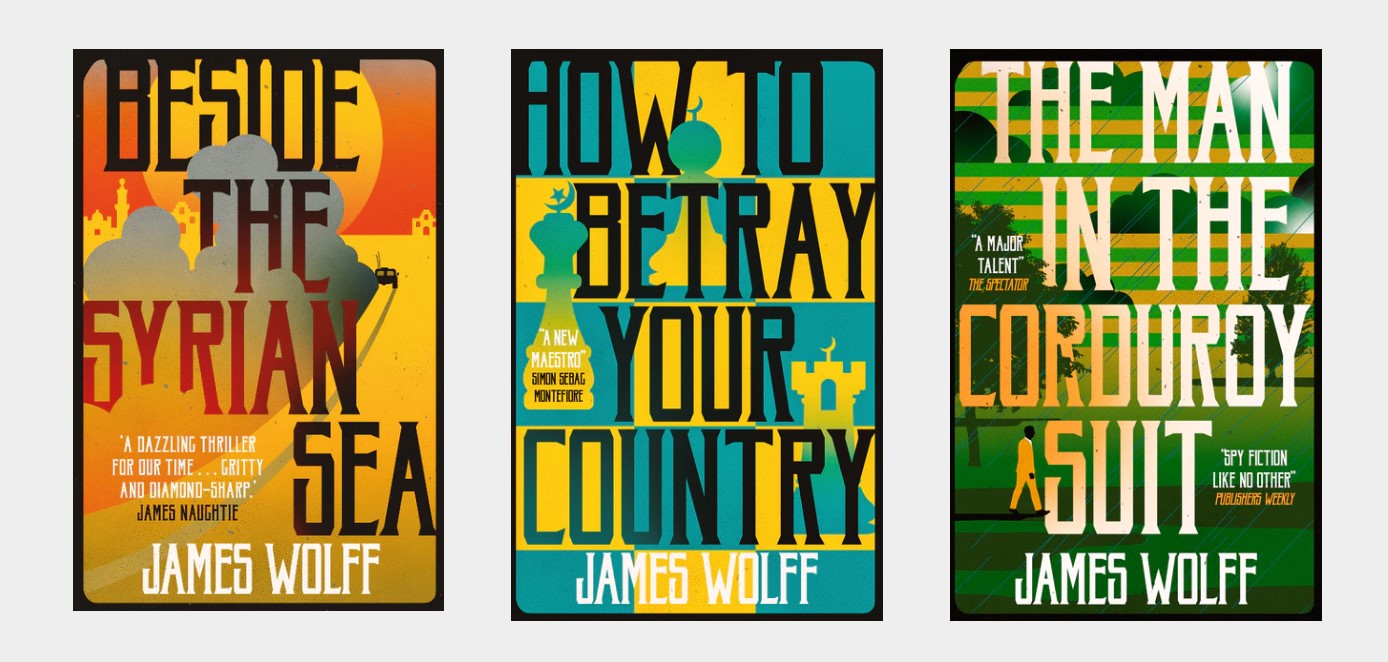
James Wolff, The Man in the Corduroy Suit, Bitter Lemon Press 2023, UK

First line: Confidential. We are writing to inform you that a 64-year-old woman named Willa KARLSSON was admitted to University College Hospital last night in an unconscious state.

One of the heirs to the late, great espionage writer John le Carré is James Wolff, who like the latter once worked for the British government in a rather opaque capacity.

Along with Mick Herron of ‘Slow Horses’ fame, Wolff shares le Carré’s deep interest in the individuals who work for the intelligence services. Some are brilliant but flawed, some are social misfits looking for a home, some are pen-pushers in search of glory, and some are collateral damage, sacrificed to strategic aims or power plays. What Herron and Wolff both excel at is capturing the Catch-22 absurdities of service life, depicting surreal, blackly comical scenarios that are more The Office than James Bond. At the same time, they raise some really serious questions about the purpose of the intelligence services and what they do — their novels are a long way from being mere comic romps.

The maverick hero of The Man in the Corduroy Suit is (wait for it) corduroy-suit-wearing Leonard Flood, a relatively junior intelligence officer who is tasked by the shadowy ‘Gatekeeping’ section to investigate the possible Russian poisoning of British agent Willa Karlsson. We follow Flood as he burrows expertly into Willa’s life and work, to the point where, like many of le Carré’s protagonists, he has big moral and ethical decisions to make.

This is the third espionage novel in the excellent ‘Discipline Files’ trilogy. I read them completely out of order, but you may wish to start with the first, Beside the Syrian Sea.

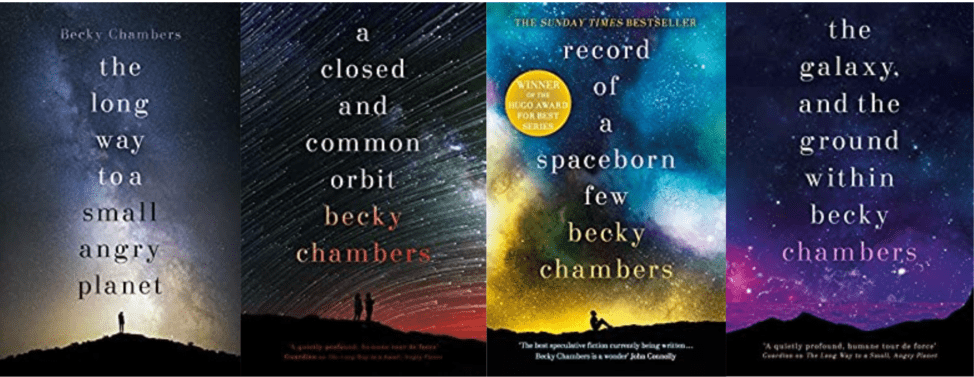
Becky Chambers, A Closed and Common Orbit (Wayfarers 2), Hodderscape 2016, USA / Space

First Line: Mimetic AI housing is banned in all GC territories, outposts, facilities and vessels.

The author Becky Chambers is another recent discovery, and quite frankly she’s a marvel. Both of her parents worked in the field of space science, and this has clearly shaped her own writing imagination…

Chambers’ ‘Wayfarers’ series, which won a prestigious Hugo Award in 2019, has been variously described as space opera, solar punk and hope punk, and explores the future of humanity via the stories of individuals and small groups living on space ships or space stations, or in GC (Galactic Commons) colonies.

While not crime fiction as such, questions of crime, justice and closure dominate A Closed and Common Orbit. The novel tells the story of AI Lovelace — recently decanted from a space ship into an illegal body following an emergency — and her engineer friend Pepper, whose own extraordinary tale of youthful survival unfolds in the course of the narrative. Those tracking current AI debates may be interested in the more hopeful possibilities the novel depicts of future human-AI interactions, as well as cross-species communications and tolerance (there are fabulous depictions of alien civilisations and cultures throughout).

A Closed and Common Orbit is the ‘standalone sequel’ to The Long Way to a Small Angry Planet. While the latter isn’t crime, it’s a great introduction to Chamber’s character-rich work. Like all of the novels discussed in this post, it has a big heart and plenty of humanity, which is certainly something we need right now.

Let me know in the comments what you’ve been enjoying too!

Jingle all the way! Mrs. Peabody’s 2022 Xmas Crime List

Here’s Mrs. Peabody’s 2022 Christmas crime list — featuring crime set in America, Argentina, Australia, Canada, China, Japan and space! 

Treat others! Treat yourself! Support local booksellers!

Marcie R. Rendon, Murder on the Red River (Soho Press 2022 [2017])

Setting: 1970s Midwest America

Murder on the Red River is the first in a crime trilogy featuring Renee ‘Cash’ Blackbear. She’s just 19, both toughened and traumatized by a childhood in foster care after being taken from her Ojibwe family at the age of three. When not driving harvest trucks for local Midwest farmers or playing pool, Cash occasionally helps out Sheriff Wheaton — a lifelong ally. Following the murder of a Native American man, she gains access the victim’s community and progresses the investigation using cues from a series of visions. Cash is a wonderful, multifaceted character who will soon have you willing her on. The novel also shows her embarking on a personal journey against the backdrop of the Minnesota American Indian Movement (AIM), which is starting to make the historical crimes committed by European settlers visible. 

Seicho Matsumoto, Tokyo Express, tr. from the Japanese by Jesse Kirkwood (Penguin Modern Classics 2022; first published 1958)

Setting: 1950s Tokyo and Hakata Bay, Japan 

This beautifully translated Japanese crime novel is a classic by a master of the genre — a police procedural that shows how vital investigative doggedness is to closing out a case. The case in question is both simple and not so simple. A pair of young lovers from Tokyo are discovered lying on the beach of Hakata Bay in what looks to be a double-suicide. But an old hand in the local police force and a younger Tokyo inspector both suspect something is wrong. In tandem, they work out the true story of what took place. The pace of Tokyo Express is slow and quietly gripping, with lots of old-fashioned sleuthing that offers the reader lovely diagrams of station platforms and timetables to puzzle over. An elegant pleasure. 

Eva Jurczyk, The Department of Rare Books and Special Collections (Poisoned Pen Press 2022)

Setting: Canadian university library

Given the cover, you would be forgiven for expecting a light read, but The Department of Rare Books delivers something altogether more complex and rewarding. Liesl Weiss, the sixty-plus assistant director of the department in question, is recalled from her sabbatical after boss Christopher Wolfe is felled by a stroke. Tasked by the Chancellor with keeping donors happy and the show on the road, she immediately faces two crises: the disappearance of the newly acquired Plantin Polyglot Bible and a member of staff. Part literary mystery, part exploration of four decades in the lives of a close-knit but prickly group of librarians, and part coming-of-age story (it’s never too late!), this is an absorbing and surprisingly gritty crime novel. I will never look at a university librarian in the same way again.

Shelley Burr, Wake (Hodder & Stoughton 2022)

Setting: New South Wales, Australia

Burr’s hugely accomplished debut novel is set in and around the small, outback town of Nannine. Twenty years ago, Mina McCreerey’s nine-year-old twin sister Evelyn vanished from the remote family sheep farm in the middle of the night. The case remains unsolved, leaving Mina and her father in a terrible limbo — and prey for gossipy online forums that like to implicate them in the crime. When Mina is approached by Lane Holland, a maverick private investigator, she is initially wary. But Lane’s success in other cases gradually convinces her to give him a go — though she is unaware that he carries secrets of his own. Wake is both a sensitive portrayal of the long-term effects of trauma and a riveting, tightly plotted cold-case noir. 

Charlotte Carter, Rhode Island Red (Baskerville 2022)

Setting: 1990s New York 

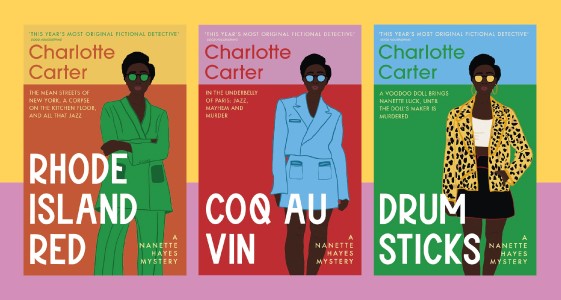
Charlotte Carter’s off-beat 1990s crime trilogy was reissued this year with a splendid new set of covers. Our heroine is Nanette Hayes, wise-cracking saxophonist, French translator and amateur sleuth. One afternoon after a street gig, she agrees to put up a charming fellow musician for the night, only to find him sprawled out murdered the following morning. Worse still, he turns out to have been an undercover cop, which brings lots of unwelcome attention to her door. Set in New York and steeped in the jazz of greats like Charlie Parker and Thelonious Monk, Rhode Island Red is a sparky, original take on the private eye novel, and explores a Black woman’s experiences in the Big Apple of the 1990s in a lively and nuanced way. 

Eloísa Díaz, Repentance (Weidenfeld & Nicolson 2022)

Setting: Argentina in 1981 and 2001

Spanish author Eloísa Díaz drew on her Argentine family roots when writing this powerful historical crime novel. Repentance explores one ‘small story’, that of Buenos Aires police inspector Joaquin Alzada and his teacher brother Jorge, at two key historical junctures: 1981, when Argentina is in the grip of a military dictatorship that is disappearing young activists (The Dirty War) and 2001, when economic turmoil is bringing exasperated citizens out on the streets to protest. It’s at this point that Alzada, long since demoted to a desk job, gets to investigate a murder due to staff shortages — and then faces the eternal dilemma: whether to turn a blind eye to the injustices perpetrated by those in power or to do what he knows is right. There is, of course, no easy answer. Alzada is as complex as the history he’s caught up in — and his biting humour and love of family infuse the novel with warmth.

Kirstin Chen, Counterfeit (The Borough Press 2022)

Setting: America, Hong Kong, China

Counterfeit begins with Ava — a Chinese-American lawyer struggling with the demands of motherhood — telling Detective Murphy how she got entangled in the criminal activities of Chinese former college roommate Winnie. The latter had reinvented herself as a sleek and glamorous businesswoman, and was running an ingenious designer goods scam. But is Ava telling the whole truth or did things unfold a little differently? Behind this hugely entertaining tale lie some serious questions — first and foremost, what price freedom? The novel provides fascinating insights into modern Chinese society, the interplay of Chinese state capitalism and American consumerism, and the struggles of women to gain full control over their lives. Bonus: you’ll be immune to the lure of designer handbags once you’ve read this book.   

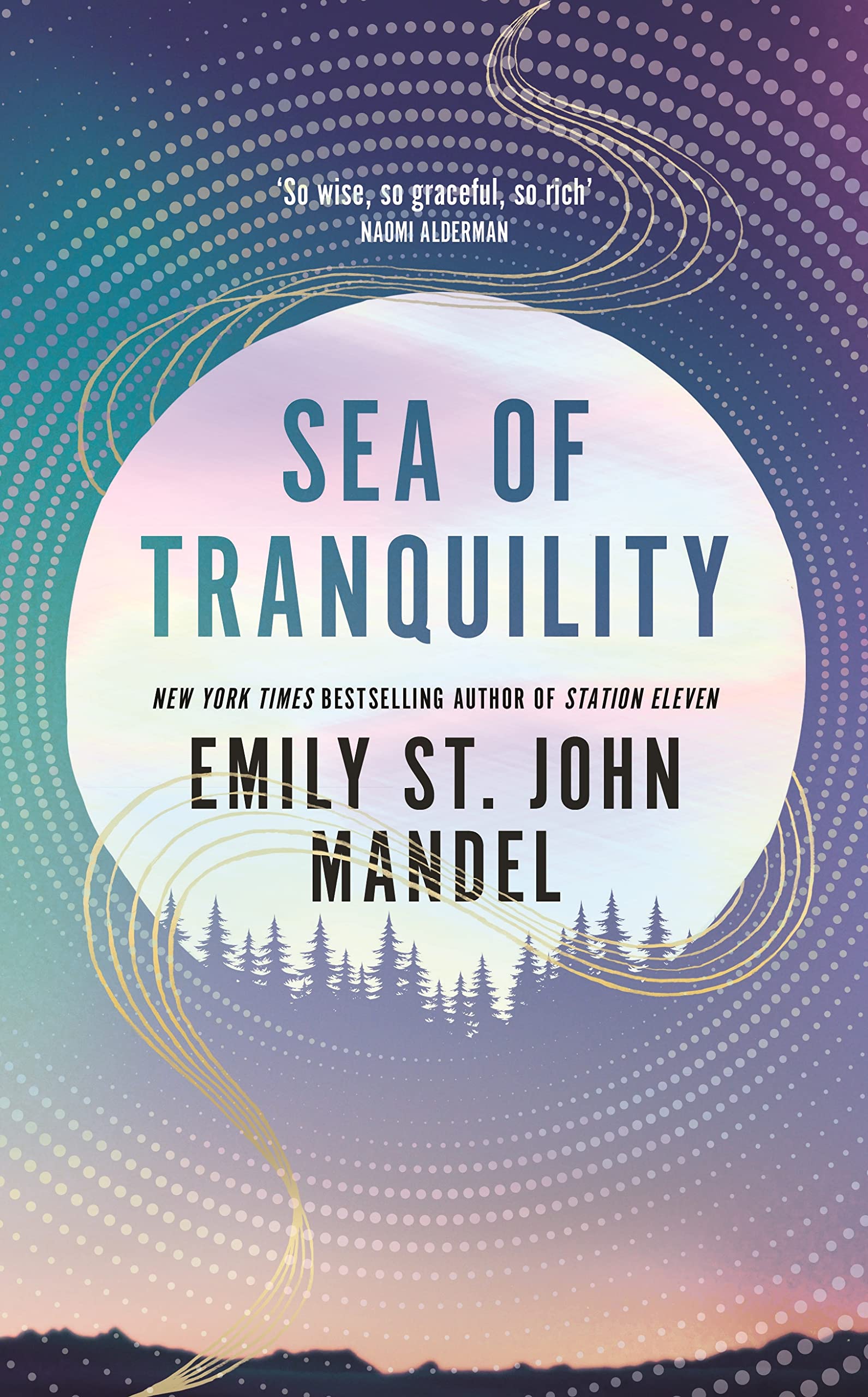
Emily St. John Mandel, Sea of Tranquility (Picador 2022)

Setting: Canada, the future, space

Get ready for a wild ride. In 1912, disgraced aristocrat Edwin St. Andrew experiences what he thinks is a hallucination. For a split second, in a remote forest on Vancouver Island, he senses a cavernous space and the sound of a violin. In 2203, a novel by Moon Colony Two dweller Olive Llewellyn contains a passage in which a man plays the violin in an airship terminal while trees rise around him. And in 2401, an era when time travel is a crime, Gaspery-Jacques Roberts is sent to investigate a space-time anomaly caught on film in 1994 — which features notes from a violin. It’s the start of Roberts’ sleuthing at various moments in time… Sea of Tranquility remains one of my all-time favourites this year: a genre-bending fusion of crime and science fiction. 

And if you’re looking for more top-quality international crime fiction, I’d thoroughly recommend Bitter Lemon Press and Orenda Books

Wishing you all a very Merry Christmas and a Happy New Year!

The Handmaid’s Tale: a superlative dystopian crime drama for our time

In the light of yesterday’s news — that the US Supreme Court has eliminated the 50-year-old constitutional right of American women to access abortion services — I’m re-posting my 2018 piece about landmark TV drama The Handmaid’s Tale.  

*****

I’ve been catching up on Series 2 of the astonishing, riveting Handmaid’s TaleYes, I know it’s a dystopian series based on Margaret Atwood’s literary vision of a totalitarian, theocratic future American state. But, given my own leanings towards crime, it won’t surprise you to hear that I’ve been looking at it through a particularly criminal lens. And once you start looking, it turns out the series has an awful lot to say about criminality, and in particular, crimes committed by the state.

The Republic of Gilead is a criminal state masquerading as a godly utopia. Here’s a flavour of the ‘everyday’ crimes committed in Gilead’s name: state-sanctioned murder and mutilation; rape; forced pregnancy; separating children from their mothers and families; slavery; exposing individuals to toxic chemicals; denial of basic individual agency, autonomy and free movement.

As Atwood has famously noted, nothing in her 1985 novel is invented: “when I wrote it I was making sure I wasn’t putting anything into it that human beings had not already done somewhere at some time.” In particular, she draws on the repressive society of seventeenth-century Puritan America, and twentieth-century regimes such as Nazi Germany and Ceaușescu’s Romania.

What she, and now the TV series, pull off so brilliantly is a feat of defamiliarization. We’re used to hearing about ‘stuff like this’ happening in countries far, far away, but seeing it enacted in a familiar universe – one where people get takeaway macchiatos and watch Friends just like us – is a jolt for the viewer. The series makes highly effective use of flashbacks from ‘before’ to keep reminding us how close pre-Gilead society is to our average western society today.

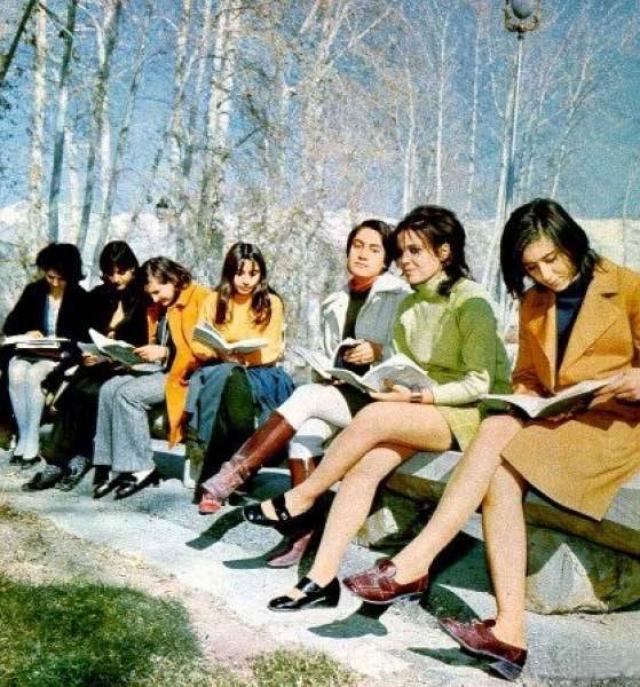
Those flashbacks, and their depictions of June’s once happy life, with all of its messy liberal freedoms, also call to mind a famous photo taken of some young female students hanging out in the late 1960s or early 1970s. Have a guess which country it’s from.

Answer: Iran, before the establishment of a repressive theocratic regime in 1979.

As is the case in all totalitarian states, women’s lives in Gilead are particularly controlled. Offred (meaning Of/Fred; belonging to Fred) is a ‘Handmaid’, a fertile woman assigned to Commander Fred Waterford and his wife Serena Joy for the purpose of bearing them a child in an increasingly underpopulated world. But Offred is also June Osborne, who once had a career in publishing, the mother of Hannah and the wife of Luke, neither of whom she has seen since the family’s attempt to cross the border went catastrophically wrong. She and the other Handmaids (often highly educated career women, like university professor Emily), have been pushed from the public into the private sphere, and have had their identity and all of their rights stolen from them.

Offred/June and the other Handmaids are our crime victims; the state and its representatives are our perpetrators. It’s what the series does with that basic configuration that makes it so outstanding.

The visuals in The Handmaid’s Tale are stunning. Photo by: George Kraychyk/Hulu

Here are a few of the things The Handmaid’s Tale does so well. It:

  • provides an in-depth examination of what it’s like to live in a state where your political and social outlook, or your sexuality are deemed to be criminal and could easily get you killed.
  • is brutally honest about the realities of resistance in a repressive state. On the upside, no state control is ever completely monolithic, and there are opportunities to resist and oppose the regime. The downside is the risk of heavy punishment, either to you or to others close to you (which is sometimes a thousand times worse). And resistance might involve doing things that are extremely unpleasant and/or morally compromising.
  • gives a daringly nuanced depiction of victims and perpetrators. The series does not shy away from showing how Gilead sometimes forces its victims to become part of the oppressive state machine (for example, by being made to mete out punishments to other citizens who are ‘criminal’). It also shows a spectrum of perpetrator motives and attitudes, from hardliners who sanction and commit crimes in the name of the state’s ideology and religion, to those who aren’t necessarily true believers, but serve the state for some other kind of gain — security, status, power — and who *may* sometimes help women to resist. Such figures (like Nick) exhibit behaviour that is ‘grey on grey’ (as historian Detlev Peukert once wrote of the complex moral actions of citizens living under National Socialism).
  • shows the leading role that women (like Serena and Aunt Lydia) play in aggressively policing other women. Serena is particularly fascinating; one of the chief architects of Gilead has now been sidelined because of her gender. The penny is slowly dropping that the glorious society she has helped create is one in which she is almost completely disenfranchised herself (could get interesting).

Serena (Yvonne Strahovski, right), with the other commanders’ wives

  • It also shows the sheer grind of surviving in a highly restrictive and hostile criminal state. And this is where the second series really comes into its own. Unlike a film that lasts two hours, or a single series with a neat conclusion, the second series shows us characters who are in it for the long haul. We see yet more struggles, more resistance, more heartbreaking reversals and terrible fates. And it’s exhausting. As viewers, we are given the tiniest of glimpses into an oppressive reality that could quite easily last for years if not decades, leaving individuals hugely damaged and traumatized – if indeed they ever manage to escape.

It feels particularly fitting, for obvious reasons, that The Handmaid’s Tale is an American series (made by Hulu), and features a number of top American actors, such as the outstanding Elisabeth Moss. It’s impossible to watch it at the moment without reflecting on the preciousness of democracy, personal freedoms and civil rights. It also feels very much like watching a warning. A recent episode showed June looking at newspaper reports from before Gilead’s rise and saying wonderingly ‘it turns out it was there all along’.

So: aside from being superlative TV drama, The Handmaid’s Tale is a crime story for our time – the story of the rise of a criminal state and the multiple crimes it perpetrates against its citizens – and the story of a battered, grim, imperfect resistance. An absolute must-see.

Nolite te bastardes carborundorum…

About time: Emily St. John Mandel’s Sea of Tranquility (Canada / the future / space)

Emily St. John Mandel, Sea of Tranquility, Picador 2022

First line: Edwin St. John St. Andrew, eighteen years old, hauling the weight of his double-sainted name across the Atlantic by steamship, eyes narrowed against the wind on the upper deck: he holds the railing with gloved hands, impatient for a glimpse of the unknown, trying to discern something — anything! — beyond sea and sky, but all he sees are shades of endless grey.

I was going to wait for Sea of Tranquility to come out in paperback, but cracked just ahead of the ‘Platy Jubes’ weekend. By the time the Queen had given her final wave from the Buckingham Palace balcony, I’d read it twice: the first time romping through, the second time savouring the writing, story and sheer inventiveness of it all.

In 1912, disgraced minor aristocrat Edwin St. Andrew experiences what he thinks is a hallucination. For a split second, in a remote forest on Vancouver Island, he’s plunged into darkness, then senses a cavernous space and the sound of a violin. In 2203, a novel by Moon Colony Two dweller Olive Llewellyn includes a passage in which a man plays the violin in an airship terminal while trees rise around him. And in 2401, an era when time travel is a crime, Gaspery-Jacques Roberts is sent to investigate a space-time anomaly caught on film in 1994 — which features notes from a violin. It’s the start of his sleuthing at various moments in time…

This genre-bending fusion of crime and science fiction — cri-sci-fi? — is pulled off with tremendous style. The first scene-setting chapters build steadily, and around a third of the way through the novel really catches fire. The resolution to the mystery is like a finely crafted Chinese puzzle and well worth the wait.

And because this is Emily St. John Mandel, author of the highly acclaimed Station Eleven, there’s much more besides: very human, likeable characters; visions of a future world and what it means to survive a pandemic; questions about the nature of reality and what truly matters in life; and an exploration of institutional power and the price of taking it on. But there’s also plenty of wry humour, including a laugh-out-loud bit  featuring Marvin the cat.

If you too have a weakness for cri-sci-fi, then put Sea of Tranquility on your reading list right away. And if you’re looking for other science fiction novels with strong elements of crime, check out my past reviews below:

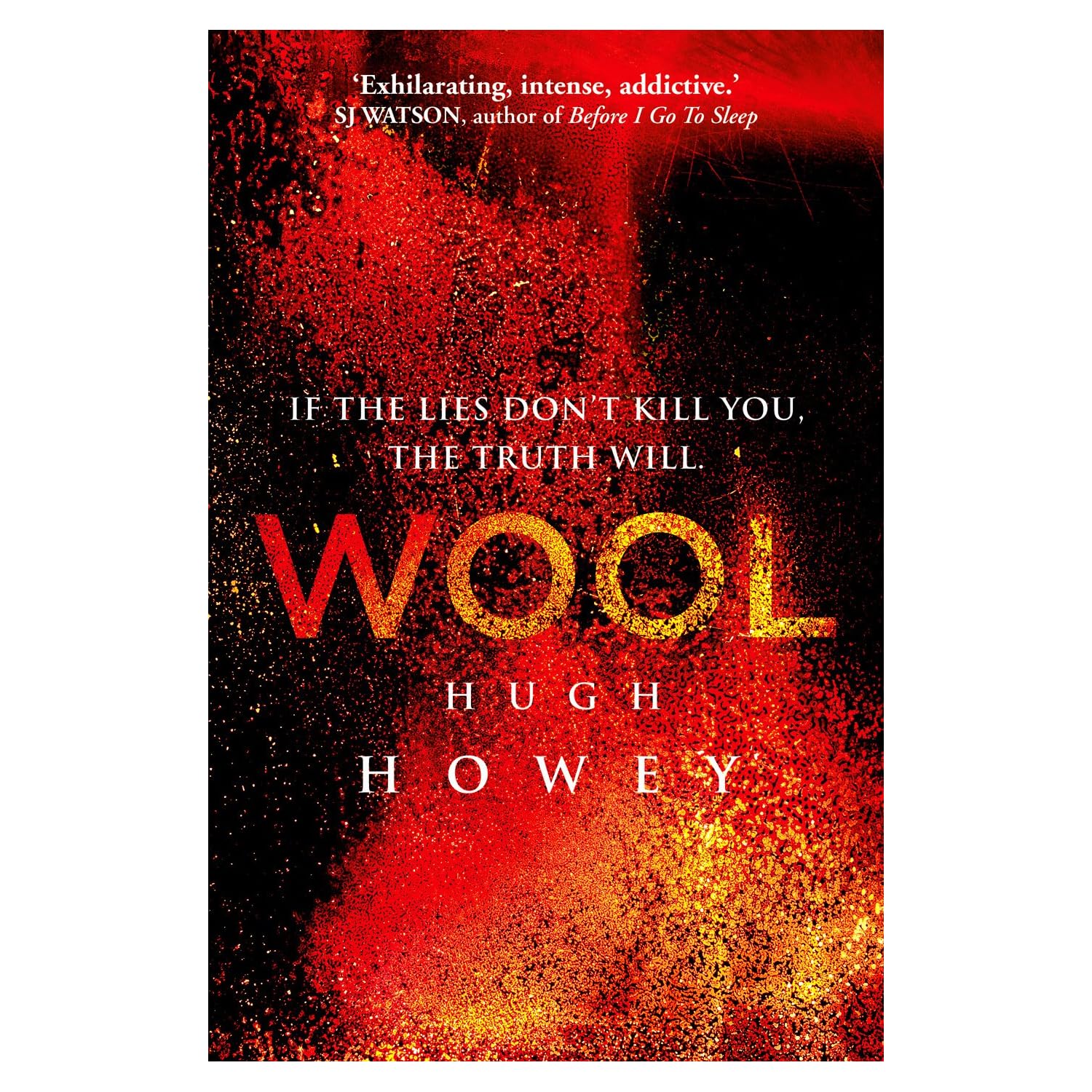
Welcome to the silo: Hugh Howey’s Wool

Dazzlingly original: Adam Roberts’ The Real-Town Murders

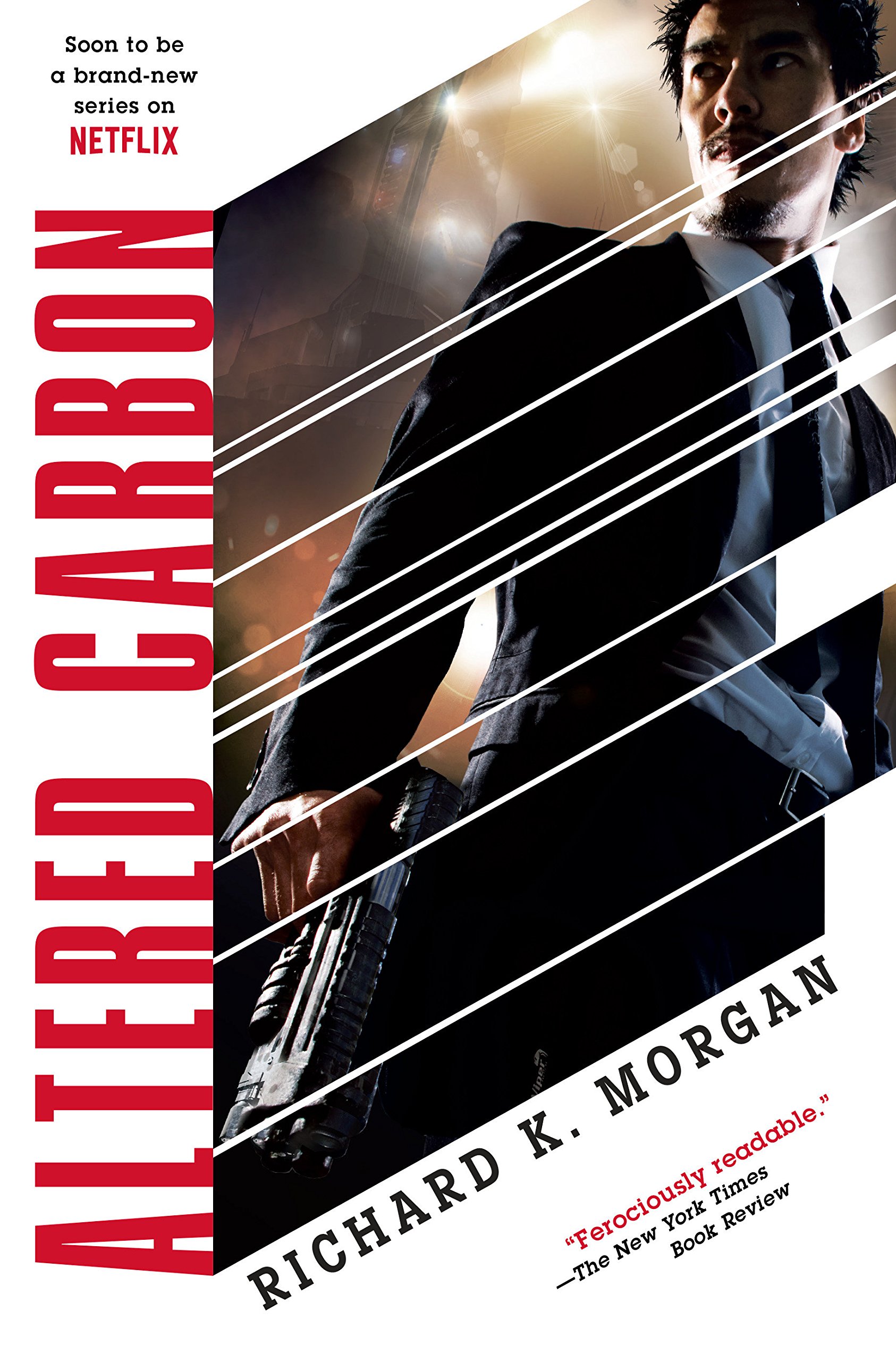
Smörgåsbord: Richard K. Morgan’s Altered Carbon

Smörgåsbord: Harper’s Force of Nature (Australia), Morgan’s Altered Carbon (UK/US) and Kushner’s The Mars Room (US)

Hooray! Getting back into the reading groove with these lovelies!

Jane Harper, Force of Nature, Abacus 2017

First line: Later, the four remaining women could fully agree on only two things.

Jane Harper has been the breakout star of Australian crime fiction in the last couple of years. Her debut, The Dry, completely blew me away (review here), and this follow up, the second in the ‘Aaron Falk’ series, was an immensely satisfying read.

Five women from the Melbourne company BaileyTennants set off on a corporate team-building exercise – a three-day hike in the remote Giralang Ranges. Only four return. The fifth, Alice Russell, is missing – a particular concern to Federal Police investigator Aaron Falk, as she’s a whistleblower in his current case. Together with colleague Carmen Cooper, he heads to Giralang to figure out how much the other women – from the company chairwoman to a lowly data-inputting assistant – know about Alice and her disappearance.

The scenario outlined above wouldn’t normally pull me in as a reader, but I was so impressed by The Dry that I wanted to read more of Harper’s work. And I’m glad I did. In Force of Nature she builds a gripping narrative using alternating timelines – the investigation in the present, and the experiences of the women on the hike in the past. The two strands are skilfully interwoven, and the characters and power dynamics within the group are extremely well drawn. If you haven’t yet found your way to Harper’s work, then you have a treat in store – she really is an extremely good, intelligent writer, and I love the sense of place her novels evoke.

Richard Morgan, Altered Carbon, Orion 2008 (2002)

First line: Two hours before dawn I sat in the peeling kitchen and smoked one of Sarah’s cigarettes, listening to the maelstrom and waiting.

If Force of Nature is immensely satisfying, then Richard Morgan’s Altered Carbon is utterly mind-bending. It can perhaps most accurately be described as a neo-noir sci-fi detective novel – or as a gritty PI tale set in a dystopian but impressively believable future.

Four hundred years from now, mankind lives in colonies scattered on a number of far-flung planets. Technology has all but eliminated death: human consciousness is now stored in ‘stacks’ (implants at the base of the skull), which can be transferred into new bodies or ‘sleeves’ when necessary. So if you’re fatally shot, as former elite soldier and convict Takeshi Kovacs is at the start of this novel, it’s the beginning rather than the end. Kovacs wakes up on Earth, a long way from his home planet, in a new body – originally belonging to a nicotine-addicted ex-policeman – and discovers he’s been brought there by a billionaire to investigate a murder, a job he can’t afford to refuse.

And that’s just the starting point. The entire novel is brimming with great ideas and SF scenarios: convicts placed into storage during prison sentences who are met by their grandchildren on their release; husbands who open the front door to find that the stranger before them is actually their wife in a new ‘sleeve’; the mega-rich who live for hundreds of years and keep multiple new-and-improved bodies in storage…

The crime element is often a bit overshadowed in sci-fi crime novels, but Altered Carbon can rightly claim to be a PI novel – its investigation is strongly foregrounded throughout. Kovacs is a flawed but likeable figure, whose wise-cracking, tough-guy persona will appeal to fans of traditional noir. But be warned, this is a hard-hitting work that contains truly eye-watering levels of violence. Think Tarantino in space on speed.

All in all, then, an amazing debut novel – one which has been followed by two further novels, a graphic novel and a Netflix adaptation (though the latter apparently plays fairly freely with its source).

Rachel Kushner, The Mars Room (Vintage 2018)

First line: Chain Night happens once a week on Thursdays.

This isn’t a conventional crime novel, but rather a novel about a crime and what comes after. Its central character, Romy Hall, is serving two consecutive life sentences at Stanville Women’s Correctional Facility after killing the man who was stalking her. Through her eyes, we are shown the reality and bleakness of American prison life, and through her recollections, we trace her early years in San Francisco and the events leading up to the killing. At the centre of it all stands ‘The Mars Room’, the strip club where Romy worked to pay her way and to provide for her son Jackson.

This is a novel about the circumstances that shape an individual, the choices she makes, and how larger forces outside her control (such as a substandard justice system) shape her destiny. It’s also the story of a prison community – including Romy’s fellow inmates Laura Lipp, Conan, Betty, Sammy and Teardrop – and is extremely moving, although moments of lightness and humour are allowed to peep through. A searing novel, beautifully written, and one you won’t easily forget.

The Mars Room was shortlisted for the 2018 Man Booker Prize.

Dazzlingly original: Adam Roberts’ The Real-Town Murders (UK)

Nothing beats a leisurely weekend browse in my local bookshop. While I love discovering new reads online, there’s a special pleasure in picking up a physical book you had no intention of buying, and realising that you have to have it, because it’s exactly what you fancy reading right now.

This is how I came by Adam Roberts’ The Real-Town Murders, which first caught my eye due to its quirky title and beautifully designed cover. And once I realised it was a science fiction / crime mash-up, I was completely hooked (next to crime, SF is probably the genre I have the greatest weakness for…)

Adam Roberts, The Real-Town Murders (Gollancz, 2017)

First paragraph: ‘Where we are and where we aren’t. Where we can and cannot go. So, for example: human beings were not allowed onto the factory floor. The construction space was absolutely and no exceptions a robot-only zone. Human entry was forbidden. Nevertheless, and against all the rules, a human being had been there.’

The novel opens with Alma, a private detective in a near-future England, investigating the discovery of a body in the boot of a car. As the opening paragraph indicates, it shouldn’t be possible for the body to be there, because the factory floor where the car has just been manufactured is completely off-limits to humans. So how on earth did the corpse get into the boot?

This nifty locked-room mystery is immediately given an added twist: the crime is committed in a complex future world where an evolved version of the internet – the Shine – lures many citizens into living almost completely virtual lives. Even those who stay in the Real, like Alma, are almost permanently plugged into their feed, and navigate a world in which AI robots are ubiquitous. The tension between the virtual and the real, and the political power struggles it unleashes, are explored via the high-octane drama Alma finds herself caught up in. And there’s one important additional constraint that ratchets up the narrative tension: Alma must return to her partner every four hours on the dot to administer life-saving drugs (and it absolutely has to be her and no one else for a fascinating reason I won’t reveal here).

Watch out for: a famous director in a cameo role…

Alma is a great character – clever, resourceful and tough. And if I’m not mistaken, almost every other major character in the book – goody and baddie alike – is a woman. How refreshing is that?! The writing is sparky, noirish and packed to the brim with wry humour – such as when Alma gets into a chatty AI-taxi and unceremoniously says ‘small talk deselected’, after which it falls into a sulky silence.

The entire novel is a rollicking, highly inventive and hugely enjoyable ride that raises some genuinely thought-provoking questions about our future relationship with technology. If you fancy something completely different, look no further. The sequel, By the Pricking of her Thumbs, is also on its way.

Welcome to the silo: Hugh Howey’s Wool

Hugh Howey, Wool (Books 1-5), Century 2013

Opening line: The children were playing while Holston climbed to his death.

Hugh Howey’s Wool is a self-publishing success story that began in 2011 with a standalone on the Kindle Direct Publishing platform. When it took off, ‘quite by accident and all on its own’, Howey added another four interlocking stories, which were gathered in a Wool omnibus and published in hardback earlier this year. The film rights have also been sold. It’s basically every indie author’s dream come true.

Wool transports us to the world of ‘the silo’ – the home of humankind in an apparently ravaged, post-apocalyptic future. The silo is a self-contained community divided into different sectors (such as IT, mechanical, nursery, food farms) that are spread over more than a hundred floors connected by a single, DNA-like spiral staircase. This enclosed world is described in minute detail, down to the sherpa-like silo porters who carry communications and supplies up and down the well-trodden stairs. The only glimpse of the desolate outside world is ‘up top’, on screens that become increasingly grimy until ‘a cleaning’ takes place…

So far, so sci-fi. But what makes Wool really take off for me are the elements of crime fiction woven into the narrative. Firstly, in line with standard crime conventions, there are a number of murders – some obvious and some more subtle – which are investigated with varying degrees of success by characters in the five ‘books’. Secondly, and in common with many other crime novels, there is an exploration of the rules and regulations governing society, and the ways in which crimes are dealt with by the law enforcement system. Except here, of course, we are dealing with the extremely unusual closed community of the silo, which shapes conceptions of criminality and punishment in entirely unprecedented ways.

Royalty Free Spacescape Images | Depositphotos

The biggest crime in the silo – ‘the great offence’ – is ‘expressing any desire to leave’. As soon an individual utters the words ‘I want to go outside’, the law is broken, resulting in a literal expulsion from the community. Once outside, wearing only a protective suit against the toxic elements, he or she is ‘put to cleaning’ – wiping the sensors that give the silo’s inhabitants their view of outside. And all diligently obey this command, although it is initially not clear to us why.

The first book starts with Sheriff Holston – the key figure entrusted with maintaining law and order within the silo – requesting to go outside. And this opening is typical of Wool, which is filled with wonderful plot ideas and scenarios. For why would anyone wish to leave the safety of the silo for the hostile environment outside, let alone the sheriff, who has himself overseen past cleanings, and should know exactly what fate awaits him?

While occasionally a little rough around the edges in terms of its writing and credibility, Wool is a compelling read – a fabulous page-turner that brings a possible future vividly to life, and grapples with big issues such as the rights of the individual, freedom of information, and the power exerted by the state over its citizens. The five interlinked stories detail the lives of several individuals – men and women, young and old – with the standout character of Jules or Juliette quickly becoming my personal favourite.

If you like the idea of a fusion of sci-fi and crime – and a rollicking good story – this is one for you. The energy and freshness of the narrative would undoubtedly also serve it well in the young-adult fiction market, which is where Howey first made his mark.