Jingle bells! Mrs. Peabody’s 2025 Christmas crime list

Mrs. Peabody’s 2025 Christmas list features the perfect gift for every crime lover in your life — including yourself!

Eight novels set in America, England, Norway, Scotland, Croatia and the former Yugoslavia, with a dash of China, Sweden and Ukraine. Please support indie publishers and local booksellers!
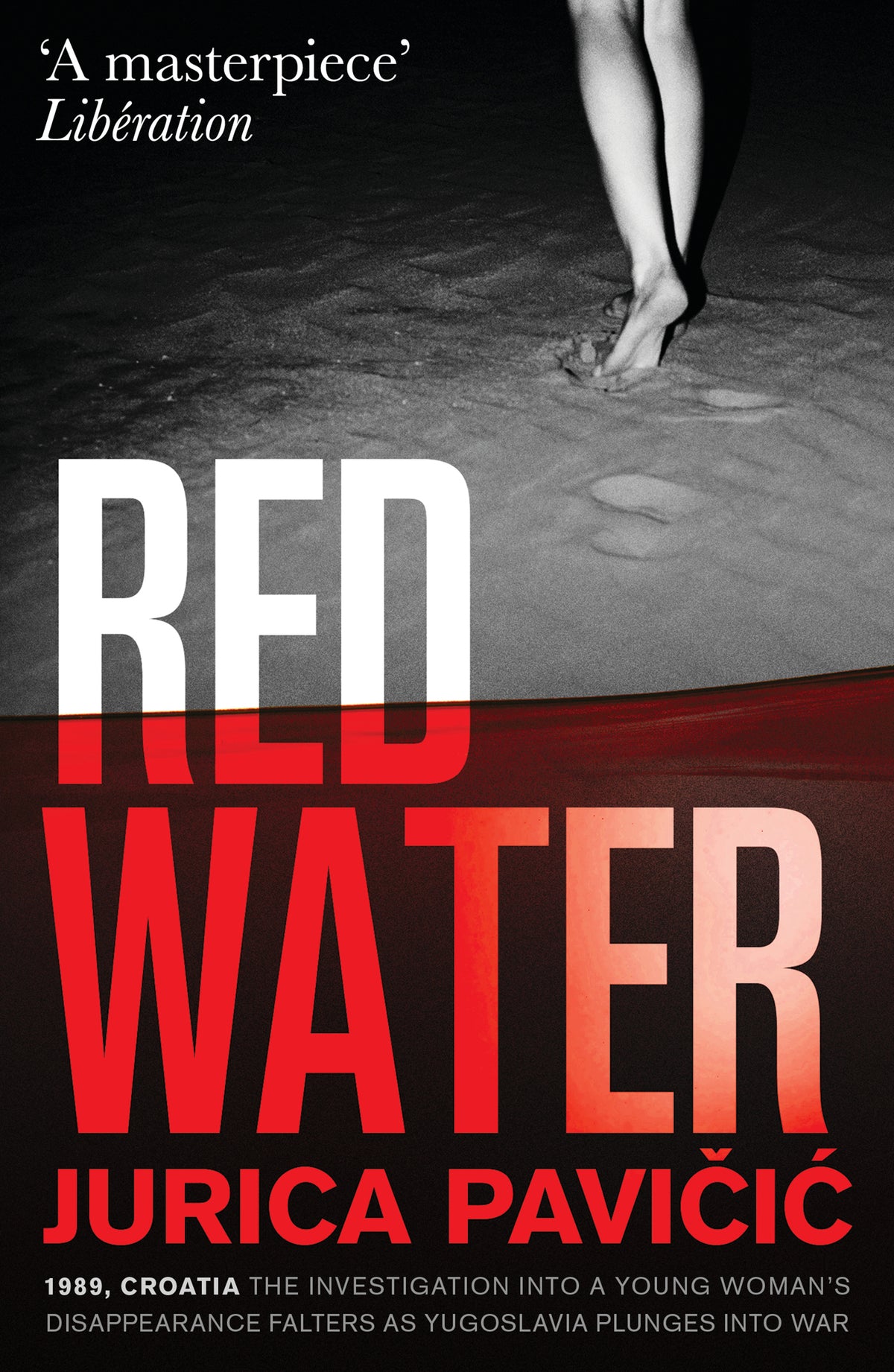
Red Water

Jurica Pavičić, Red Water, translated by Matt Robinson, Bitter Lemon Press 2025

Red Water is for lovers of international and historical crime fiction. Set in Croatia, the novel explores the fallout from a teenager’s disappearance over three long decades. Silva vanishes in September 1989, leaving her family confounded, not least because the police investigation reveals some unexpected sides to the seventeen-year-old’s life. Then comes the fall of communism and the Yugoslav Wars that will tear communities apart. It’s only once the conflict ends that the family has any chance of getting the answers they need.

This gripping and emotionally intelligent mystery shows the toll on the loved ones of those who disappear, while offering a nuanced history of Yugoslavia’s collapse and the remaking of Croatia. First-class stuff.

Laila Lalami, The Dream Hotel, Bloomsbury 2025

Set in a future not far from now, The Dream Hotel is a speculative mystery that highlights the dangers of the technologies that supposedly serve us. Dr Sara Hussein is returning from a conference when she’s detained at Customs and Immigration, because she’s been deemed at risk of committing murder following data analysis of her dreams. Little did she know, when blithely agreeing to the terms of a sleep-saving device after the birth of her twins, that her dreams would be harvested and used against her. Now she’s being held at a SAFE-X facility that turns a profit from its detainees’ labour and is loath to let them go. It’s been 291 days — will Sara ever make it back to her family?

The Dream Hotel will make you think twice about ticking those innocent-looking ‘terms and conditions’ boxes, and illuminates the intersections of law enforcement and capitalism in uncompromising ways. The subject is highly relevant given the current situation in the States, where ICE is busy outsourcing raids on immigrant communities. A fantastic read from an author at the top of her game.

Elly Griffiths, The Postscript Murders and The Last Word, Quercus 2020 and 2024 

Time for some cosy crime! I absolutely loved this duo of bookish crime novels by Elly Griffiths. In The Postscript Murders, DS Harbinder Kaur sees no reason to suspect foul play when 90-year-old Peggy Smith is found dead at home. But Peggy’s carer Natalka isn’t so sure: Peggy thought she was being followed and did she really have the heart condition that apparently killed her? Together with Edwin, Peggy’s elderly neighbour, and Benedict, a former monk who serves coffee on the Shoreham seafront, Natalka sets about solving the mystery of Peggy’s death. And it turns out that their friend had a rather special skill. Then, in The Last Word, the trio investigate the demise of local romance author Melody Chambers.

Both novels are great reads — witty and entertaining, but with plenty of emotional depth. The three investigative characters bounce off one another nicely, and Natalka’s Ukrainian dynamism complements Edwin and Benny’s more cautious British approach. Crime fiction with lots of heart.

Jørn Lier Horst, The Lake, translated by Anne Bruce, Penguin 2025 

The latest William Wisting police procedural is a brilliant addition to the series. It’s high summer and Lake Farris is drying out for the first time in years. As the waters recede on opposite sides of the lake, there are disturbing discoveries relating to two cold cases: the remains of a young motorcyclist who went missing eight years ago, and the belongings of a girl who disappeared four years later. Wisting and his team, with fresh input from a Swedish detective, begin to reinvestigate.

This crime novel goes to some quite dark places, but is never salacious or gratuitous in tone. Wisting represents the very best of policing: he is methodical, dogged, and dedicated to securing justice for his victims. His methods have also moved with the times, so we’re given fascinating insights into the latest technologies used to secure vital breakthroughs.

R. F. Kuang, Yellowface, HarperCollins 2024

Rebecca Kuang is an incredibly exciting writer, with the talent and courage to pull off ideas that many other authors could not. In Yellowface, obscure writer June Hayward witnesses the death of her friend and rival Athena Liu in a freak accident. In the interval between dialling 911 and the arrival of the emergency services, June steals the book manuscript lying on the dead woman’s desk, and later revises and passes it off as her own. Finally, ‘June Song’ has the fame and critical adulation she’s always dreamed of and seems to have no problem justifying her actions to herself. But someone may be about to expose her. How can June save herself from being cancelled and losing her precious career?

Yellowface is a razor-sharp dissection of the publishing industry and the crazily competitive world that aspiring writers have to navigate. Just how far are they (or any of us) willing to go to make it? Clever and witty, and a genuinely insightful look at the publishing process.

Maggie O’Farrell, The Vanishing Act of Esme Lennox, Hachette 2009

Top-notch literary crime. Iris Lockhart gets a letter telling her that her great-aunt Esme Lennox is about to be released from an Edinburgh psychiatric unit. Iris has never heard of Esme, and her grandmother Kitty, who is slipping into dementia, seems unable or unwilling to help. But what could Esme have done to deserve a lifetime in an institution? And why the complete silence about her within the family?

This is by far the oldest novel on my list, but I read it this year and was simply blown away. I counted at least four major crimes within its pages, and the astonishing thing is that none of them — even in combination — could be said to be remotely unique. On finishing it I felt quite shaken, because it really isn’t that long since ‘transgressive’ women could be so easily ‘put away’. Sobering and sad, but incredibly good — and Esme herself is unforgettable. O’Farrell is a truly fantastic writer.

Jess Kidd, Murder at Gulls Nest, Faber 2025

Murder at Gulls Nest is the first in Jess Kidd’s ‘Nora Breen Investigates’ series and is set in the 1950s seaside town of Gore-on-Sea, a place of boarding houses, terrible food, and recuperation after long years of war. Nora was once Sister Agnes of Christ at the High Dallow Carmelite Monastery, but when former nun Frieda goes missing, Nora feels compelled to find her and takes a room at the Gulls Nest boarding house where the woman last lived. Here, Nora meets the ragtag assortment of Frieda’s fellow lodgers, and starts using her curiosity and sharp intelligence to get to the bottom of the mystery. When one of the lodgers is found dead, Nora knows that something is seriously amiss. Kidd’s use of language is sublime, and the loyal and resourceful Nora Breen is a delight. Cosy, but with an uncompromising edge.

Wishing you all a lovely, relaxing and bookish Christmas!

Up to snow good! Mrs. Peabody’s top crime of 2024

Here is Mrs. Peabody’s top crime list for 2024 — featuring some of my very best reads from the last 12 months (though not necessarily published this year). The books are set in America, Australia, Finland, France, Italy, Japan, Malaysia, Norway, and Spain. 

Perfect gifts for the festive season! Treat others! Treat yourself! Support indie publishers and local booksellers!

Antti Tuomainen, The Burning Stones, tr. from the Finnish by David Hackston (Orenda Books 2024, 271 pp.)

Setting: Rural Finland

First lines: Aaaaahhhhhhh. The steam spread over his skin like a hot, damp blanket, and flowed evenly and satisfyingly across his whole body.

Set in Puhtijärvi, a Finnish village nestled between a forest and a lake, The Burning Stones pays homage to the key role of the sauna in the nation’s wellbeing… whilst also cheerfully turning it into a crime scene.

When Ilmo Räty is found dead in the ashes of his sauna, the rest of his colleagues at Steam Devil, a leading sauna stove manufacturer, fall under suspicion. This is especially problematic for top saleswoman Anni Korpinen, as one of the police investigators holds an elk-related grudge against her family and the murderer seems to be doing their best to frame her. So: not only must Anni deal with her own mid-life crisis, she must also turn detective and ID the murderer before it’s too late. Hilarious and heart-warming in equal measure, The Burning Stones illuminates the rituals of the sauna and the delights of rural Finland. As ever, translator David Hackston does a fantastic job of conveying Antti Tuomainen’s distinctive dark humour and his eye for the idiosyncratic detail of everyday life. A delight. 

Tan Twan Eng, The House of Doors, Canongate 2023

Setting: Penang and Kuala Lumpur, 1910 (now modern-day Malaysia)

First lines: A story, like a bird of the mountain, can carry a name beyond the clouds, beyond even time itself. Willie Maugham said that to me, many years ago.

Tan Twan Eng’s The House of Doors is a wonderfully absorbing and multi-layered historical novel. It imagines how the final tale of W. Somerset Maugham’s 1926 Casuarina Tree — ‘The Letter’, based on the real Ethel Proudlock murder case — might have come about, while the author visits his old friend Robert Hamlyn. Told from the perspectives of Willie and Lesley, Robert’s wife, the novel brilliantly evokes Penang and Kuala Lumpur in the 1910s and 1920s.  See the full review here.

Antoine Laurain, French Windows, tr. from the French by Louise Rogers Lalaurie (Gallic Books 2024, 174 pp.)

Setting: Paris, France.

First lines: In the middle of the unevenly cobbled courtyard stands a tall tree. No one has ever quite determined its species; some people in the building see a wild cherry, others see an oak, though it has never produced an acorn.

Analyst Doctor Faber has a new patient with an unusual problem. Nathalia Guitry is a photographer who finds herself unable to take photos. The reason, we soon discover, is that she accidentally photographed a murder, leaving her understandably traumatised. As a way into therapy, Doctor Faber suggests Nathalia writes about the people she observes from her apartment window. Going up floor by floor, she pens detailed portraits of her neighbours, all of whom are intriguing in their own right. But how much of what she writes is true? And what will the story of the fifth floor reveal?

A Parisian Rear Window that offers insights into therapy, along with lashings of acerbic humour and Gallic charm, French Windows is the perfect stocking filler. Hats off to Louise Rogers Lalaurie for gifting us such a sparkling translation of this novel.

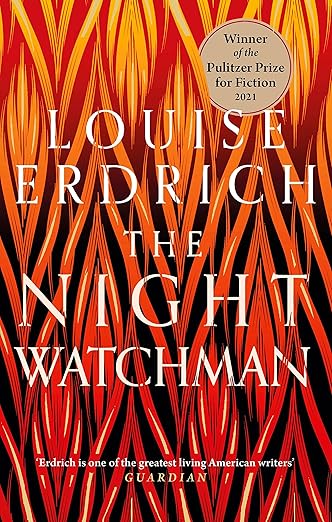
Louise Erdrich, The Night Watchman, Corsair 2021, 464 pp.

Setting: Turtle Mountain Reservation, North Dakota, 1953

First lines: Thomas Wazhashk removed his thermos from his armpit and set it on the steel desk alongside his scuffed briefcase. His work jacket went on the chair, his lunch box on the cold windowsill.

Louise Erdrich, one of my favourite writers, brings the 1950s community of the Turtle Mountain Reservation to life in this highly absorbing, polyphonic novel.

The Night Watchman‘s two main strands each have a criminal dimension. Patrice ‘Pixie’ Paranteau is a young woman whose work at the reservation’s factory allows her to provide for her mother and siblings. But her sister Vera recently vanished after moving to Minnesota, and Pixie now urgently needs to find her and her baby. At the same time, factory night watchman and Chippewa Council member Thomas Wazhashk is becoming seriously concerned about Resolution 108, which is due to go before Congress before too long. Styled as an ’emancipation’ bill, 108 threatens to abolish the official status of tribes as a means of appropriating yet more Native American land and rights — a wave of state-sanctioned violence that Thomas must somehow try to counter. 

The Night Watchman is at times very hard-hitting, but portrays the Turtle Mountain community with humour and warmth. While never sentimental, it shows the power of determination and grass-roots organisation (the character of Thomas is based on the author’s own grandfather), and the resilience and resourcefulness of women like Pixie. The novel won the 2021 Pulitzer Prize for Fiction. Highly recommended!

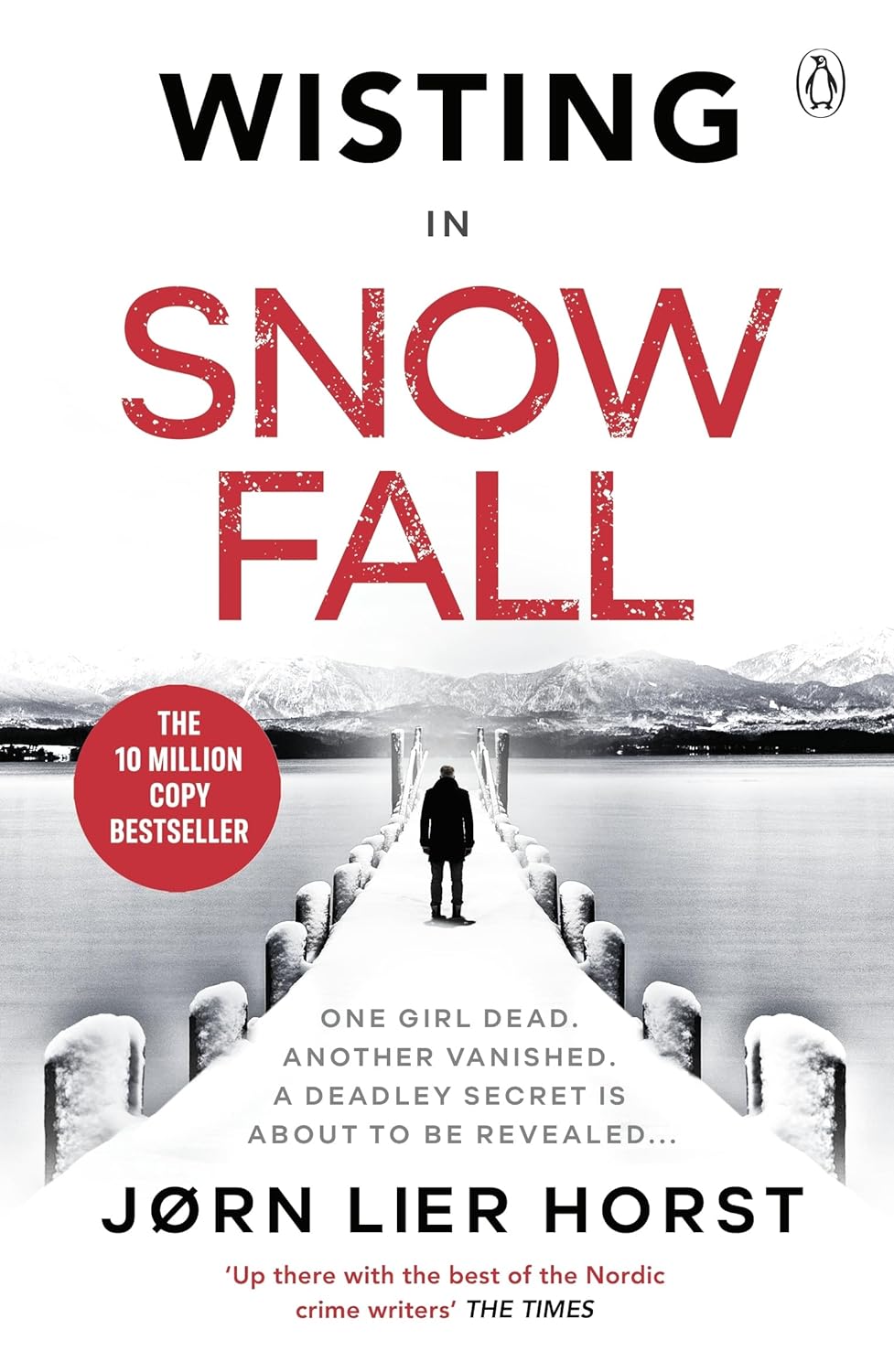
Jørn Lier Horst, Snow Fall, tr. from the Norwegian by Anne Bruce (Penguin 2024, 432 pp.)

Setting: Norway and Spain

First line: The email appeared on his screen at 15.37 on Friday 8 December.

As regular readers of this blog will know, I’m a huge fan of Jørn Lier Horst’s ‘William Wisting’ novels — consistently thoughtful and intelligent police procedurals that use their crime narratives to illuminate various facets of modern society.

Snow Fall sees Wisting being asked to investigate the disappearance of Norwegian woman Astri Arctander — a member of an online crime forum looking into the recent murder of backpacker Ruby Thompson in the town of Palamós in Catalonia. Wisting’s investigation takes him from Norway to Spain, and includes navigating a relationship between himself as a police representative and the modern-day online detectives, whose information is gathered outside of the law but may nevertheless be useful. By the way, the handle of one of the online sleuths is intriguing: a certain ‘Mrs Peabody’ who seems to know her crime fiction! The author has not yet confirmed or denied the inspiration for this character…

Snow Fall is an absorbing police procedural by a writer at the height of his powers, brought to us in style by Lier Horst’s long-standing translator, Anne Bruce. Quality holiday reading!

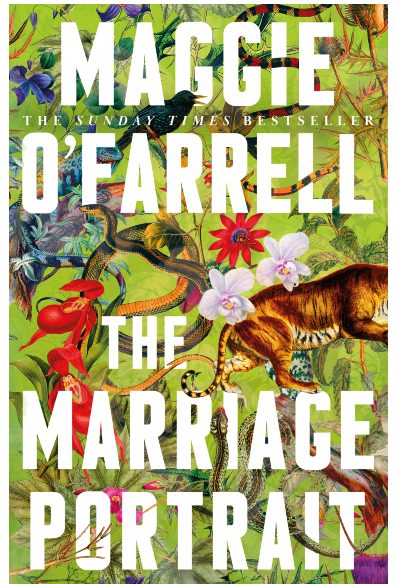
Maggie O’Farrell, The Marriage Portrait, Tinder Press 2022, 438 pp.

Setting: Sixteenth-century Italy

First line: Lucrezia is taking her seat at the long dining table, which is polished to a watery gleam and spread with dishes, inverted cups, a woven circlet of fir.

Maggie O’Farrell’s The Marriage Portrait was one of my star reads of the year. The author takes her inspiration from a snippet from history — the mysteriously brief life of Lucrezia di Cosimo de’ Medici (1545-1561) — and Robert Browning’s 1842 poem ‘My Last Duchess’, which suggests that Lucrezia was murdered by her husband, the Duke of Ferrara. The resulting novel is an outstanding example of literary crime — ingenious but with plenty of heart. Read my full review here.

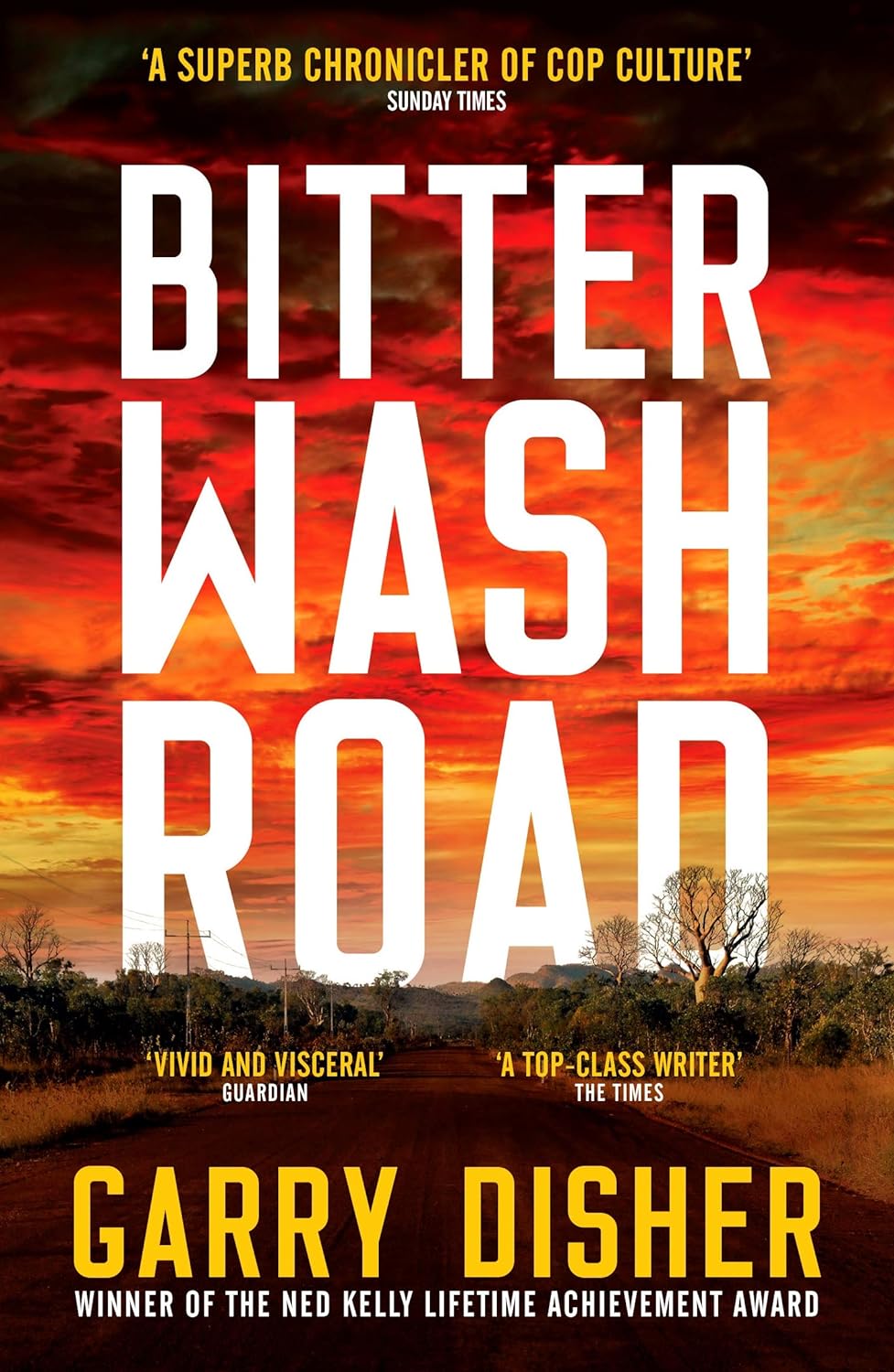
Garry Disher, Bitter Wash Road, Viper 2020, 416 pp.

Setting: Rural South Australia

First line: On a Monday morning in September, three weeks into the job, the new cop at Tiverton took a call from his sergeant: shots fired on Bitter Wash Road.

Bitter Wash Road is the first in Garry Disher’s ‘Constable Hirsch’ series. Paul ‘Hirsch’ Hirschhausen has recently found himself exiled from the city to a one-man cop shop in ‘wheat and wool country, three hours north of Adelaide’ — punishment for having dared to be a whistle-blower during a previous case. In Tiverton, the metropolitan cop must quickly adapt to rural policing — which is not always as quiet as one might think — and deal with the hostility of his new boss, the distinctly unenlightened Sergeant Kropp. Oh, and there’s likely to be a whole lot of extra fallout from Hirsch’s past too. 

This is an outstanding novel with great characterisation and a thrilling plot from the three-time winner of the prestigious Ned Kelly Award for Best Novel. I have the next in the series, Peace, lined up as one of my holiday reads.  

Hideo Yokoyama, The North Light, tr. from the Japanese by Louise Heal Kawai (RiverRun 2023, 408 pp.)  

Setting: Tokyo, Osaka and around Mount Asama, Japan

First line: In Osaka it had been raining since early morning.

The North Light is probably best described as a mystery and a meditation on middle age. Minoru Aose is a divorced architect who fell on hard times after Japan’s economic bubble burst in the 1990s. Although he now works for a small, reputable architectural firm, he seems to be largely out of touch with his feelings and unclear about what he wants from life.

Aose’s biggest achievement to date is the Yoshino house, a prizewinning residence near Mount Asama. His brief was to design a house that he himself would want to live in, and it is built to showcase the north light he loves. The chance discovery that the house is empty and the Yoshino family has vanished unsettles him greatly: he is both worried for the family and fearful that they hated the house. We accompany Aose as he unravels this mystery, a journey that reveals facets of his unusual childhood; the work of (real) German architect Bruno Taut, who fled Germany for Japan during the Nazi era; Japanese work culture; and the interplay of Japanese nature and architecture. Quietly gripping and beautifully translated by Louise Heal Kawai, this novel subverts the crime genre in extremely interesting ways.

Wishing you all a very Merry Christmas / Hanukkah / Happy Holidays!

In an unusually glamorous fashion, I’m just about to hop on a plane, so will catch up with your comments in a couple of days 🙂

A gripping cold case: Jørn Lier Horst’s A Question of Guilt, tr. by Anne Bruce (Norway). PLUS the CWA Dagger shortlists are out!

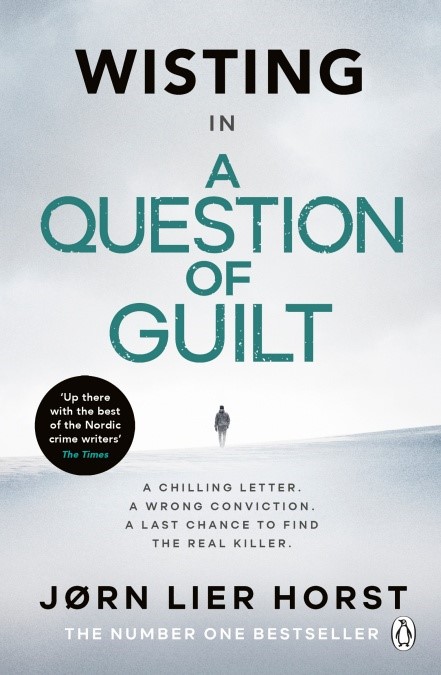
Jørn Lier Horst, A Question of Guilt, tr. from the Norwegian by Anne Bruce (Penguin 2022)

First line: A fly landed on the rim of his water glass.

A Question of Guilt is the fourth novel in the ‘Cold Case Quartet’, which itself forms part of the larger, hugely successful ‘William Wisting’ series, first published in the UK by Sandstone Press.

I’ve been a fan of the ‘Wisting’ series from the start, and am always super-impressed by its consistency. No wobbles, no dips — just top-quality, utterly engrossing Norwegian police procedurals. Jørn Lier Horst was a police officer for many years, and his novels always give readers an excellent picture of the painstaking work involved in police investigations.

This cold case involves a potential miscarriage of justice. Seventeen-year-old Tone Vaterland was killed while cycling home from work in 1999, and her on-off boyfriend, Danny Momrak, was quickly convicted of the murder. Twenty years later Wisting receives an anonymous letter suggesting that the wrong man was sent to prison, which logically means the real murderer is still out there.

One aspect of this novel I particularly enjoyed was Wisting’s introduction to police techniques that weren’t around when he originally investigated the case. Although he trained in the 1970s and holds a senior position, he’s very open to learning from younger colleagues who are more technologically nimble. Clearly you can teach an old dog new tricks, which is great news for old dogs everywhere. But of course Wisting’s long experience is also a key asset when it comes to figuring out what’s going on. He knows to keep an open mind, as ‘when you reopen old cases, unexpected things always happen’. And they do.

Here’s a nice set of links for you: The first in Jørn Lier Horst’s ‘Cold Case Quartet’, The Katharina Code, won the 2019 Petrona Award, which was announced at CrimeFest here in the UK. Jørn Lier Horst also appeared at this year’s CrimeFest on a panel entitled ‘IT’S A FAIR COP: WRITING THE MODERN POLICE PROCEDURAL’. And CrimeFest is also where the 2022 CWA Dagger shortlists have just been revealed. You can see them all here: https://thecwa.co.uk/news/cwa-dagger-shortlists-announced

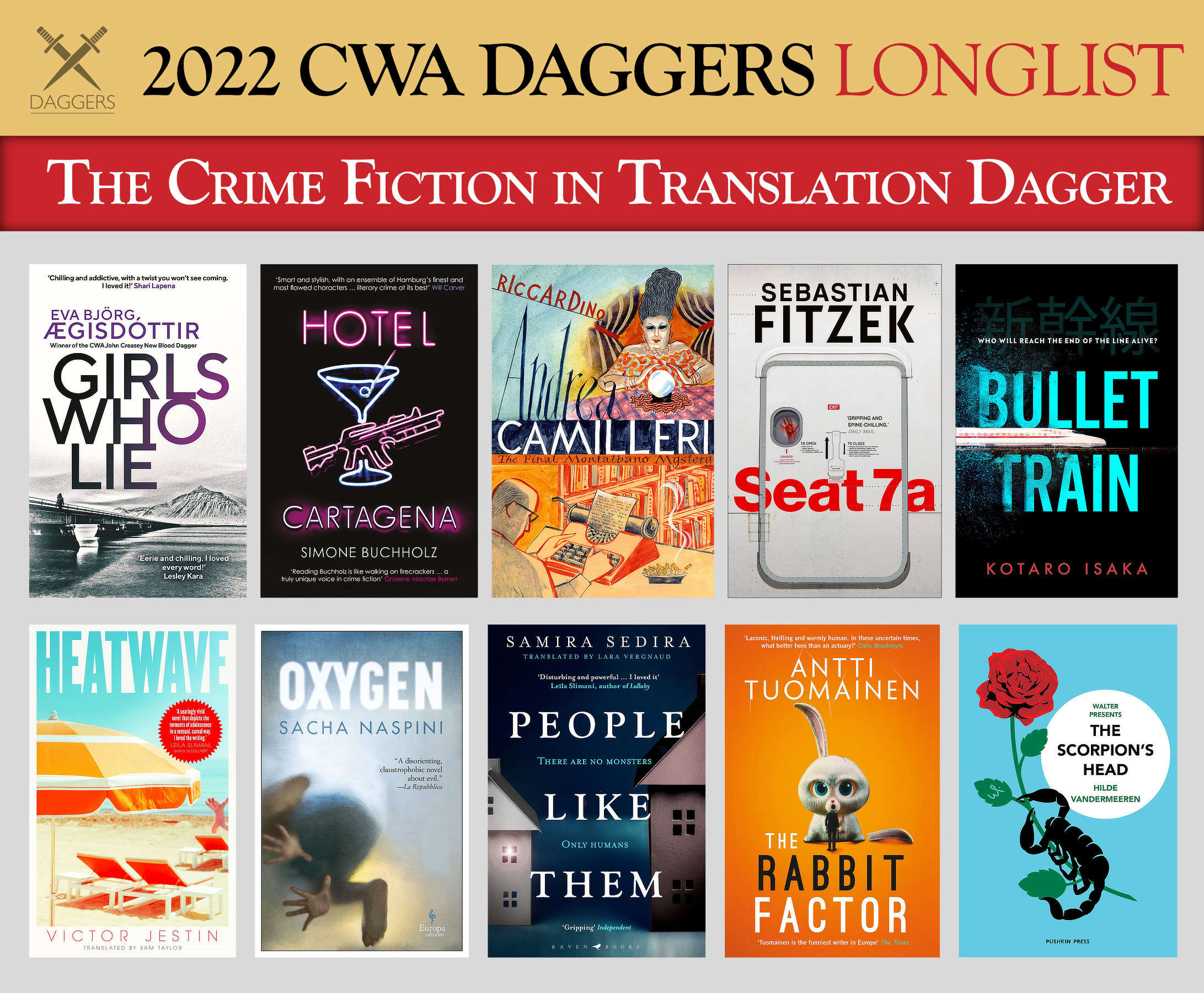
This is the shortlist for the CRIME FICTION IN TRANSLATION DAGGER – a lovely, varied selection from five different countries:

  • Hotel Cartagena, Simone Buchholz, translated by Rachel Ward (Orenda Books/GERMANY)
  • Bullet Train, Kōtarō Isaka, translated by Sam Malissa (Penguin Random House; Harvill Secker/JAPAN)
  • Oxygen, Sacha Naspini, translated by Clarissa Botsford (Europa Editions/ITALY)
  • People Like Them, Samira Sedira, translated by Lara Vergnaud (Bloomsbury Publishing; Raven Books/FRANCE)
  • The Rabbit Factor, Antti Tuomainen translated by David Hackston (Orenda Books/FINLAND)

Congratulations to all!

The 2022 CWA Daggers longlists: international crime galore!

The 2022 CWA Daggers Longlists were announced last weekend. For fans of international crime, the Crime Fiction in Translation Dagger is rightly the immediate draw, but a saunter through the other categories also reveals a wealth of international crime – both fiction and non-fiction.

The Crime Fiction in Translation Dagger Longlist

Eva Björg Ægisdóttir, Girls Who Lie, tr. Victoria Cribb, Orenda, ICELAND

Simone Buchholz, Hotel Cartagena, tr. Rachel Ward, Orenda, GERMANY 

Andrea Camilleri, Riccardino, tr. Stephen Sartarelli, Mantle, ITALY 

Sebastian Fitzek, Seat 7a, tr. Steve Anderson, Head of Zeus, GERMANY 

Kōtarō Isaka, Bullet Train, tr. Sam Malissa, Harvill Secker, JAPAN 

Victor Jestin, Heatwave, tr. Sam Taylor, Scribner, FRANCE 

Sacha Naspini, Oxygen, tr. Clarissa Botsford, Europa Editions, ITALY

Samira Sedira, People Like Them, tr. Lara Vergnaud, Raven Books, FRANCE 

Antti Tuomainen, The Rabbit Factor, tr. David Hackston, Orenda, FINLAND 

Hilde Vandermeeren, The Scorpion’s Head, tr. Laura Watkinson, Pushkin Vertigo, BELGIUM/GERMANY 

A tasty bunch, I’m sure you’ll agree… But because this blog’s definition of international crime fiction is very elastic (e.g. an international author or setting is more than enough to fire my interest) I took a good, hard look at the other categories as well.

Here’s a list of those that particularly caught my eye:

D.V. Bishop, City of Vengeance, MacMillan, 1536 Florence, ITALY (Gold Dagger & Historical Dagger)

Jacqueline Bublitz, Before You Knew My Name, Sphere, NEW ZEALAND/NEW YORK, USA (Gold Dagger)

S.A. Cosby, Razorblade Tears, Headline, USA (Gold Dagger & Steel Dagger)

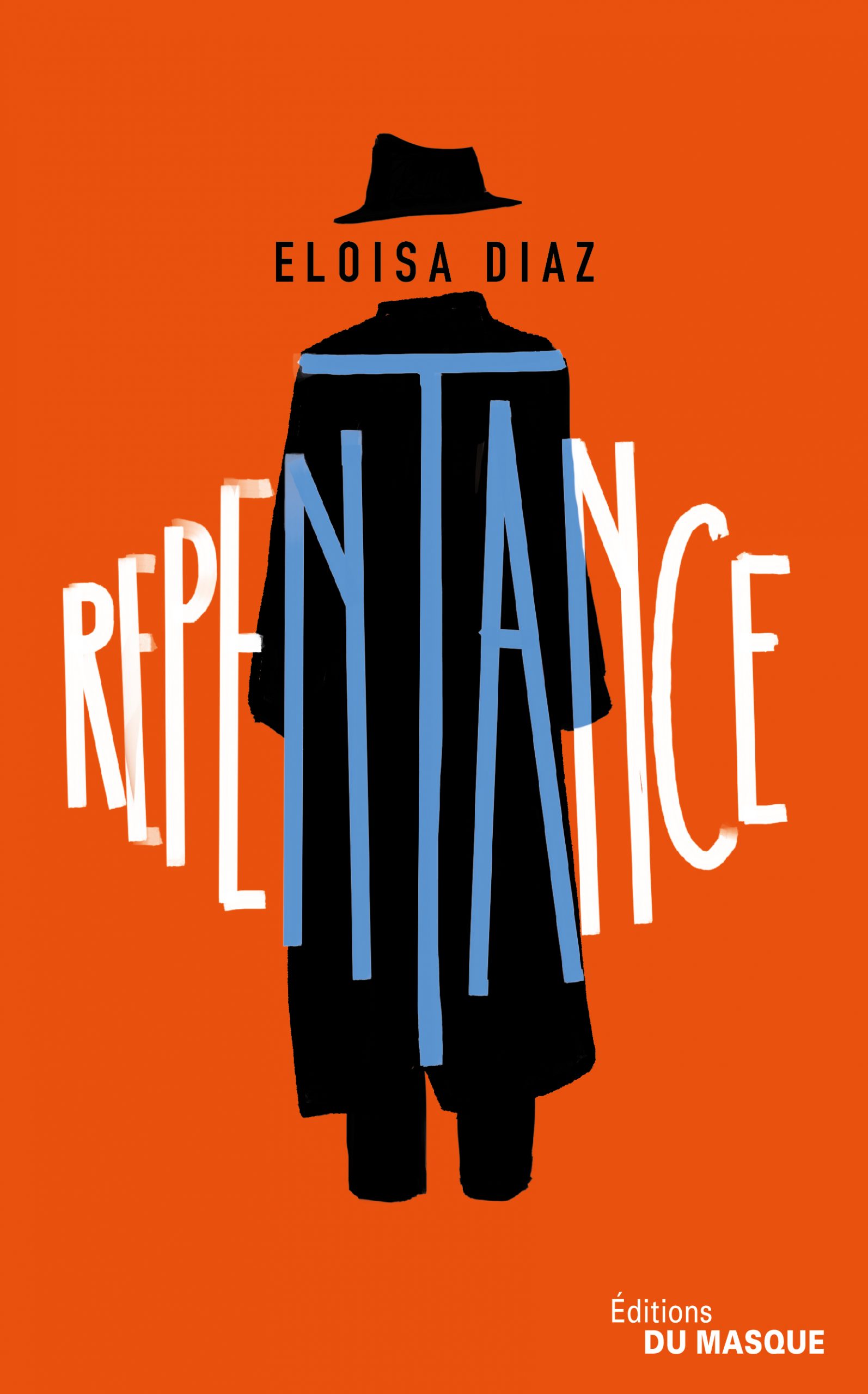
Eloísa Díaz, Repentance, Weidenfeld & Nicolson, 1981/2001 BUENOS AIRES, ARGENTINA (New Blood Dagger)

Sonia Faleiro, The Good Girls: An Ordinary Killing, Bloomsbury, RURAL INDIA (ALCS Gold Dagger for Non-fiction)

Eliot Higgins, We Are Bellingcat: An Intelligence Agency for the People, Bloomsbury, THE WORLD (ALCS Gold Dagger for Non-fiction)

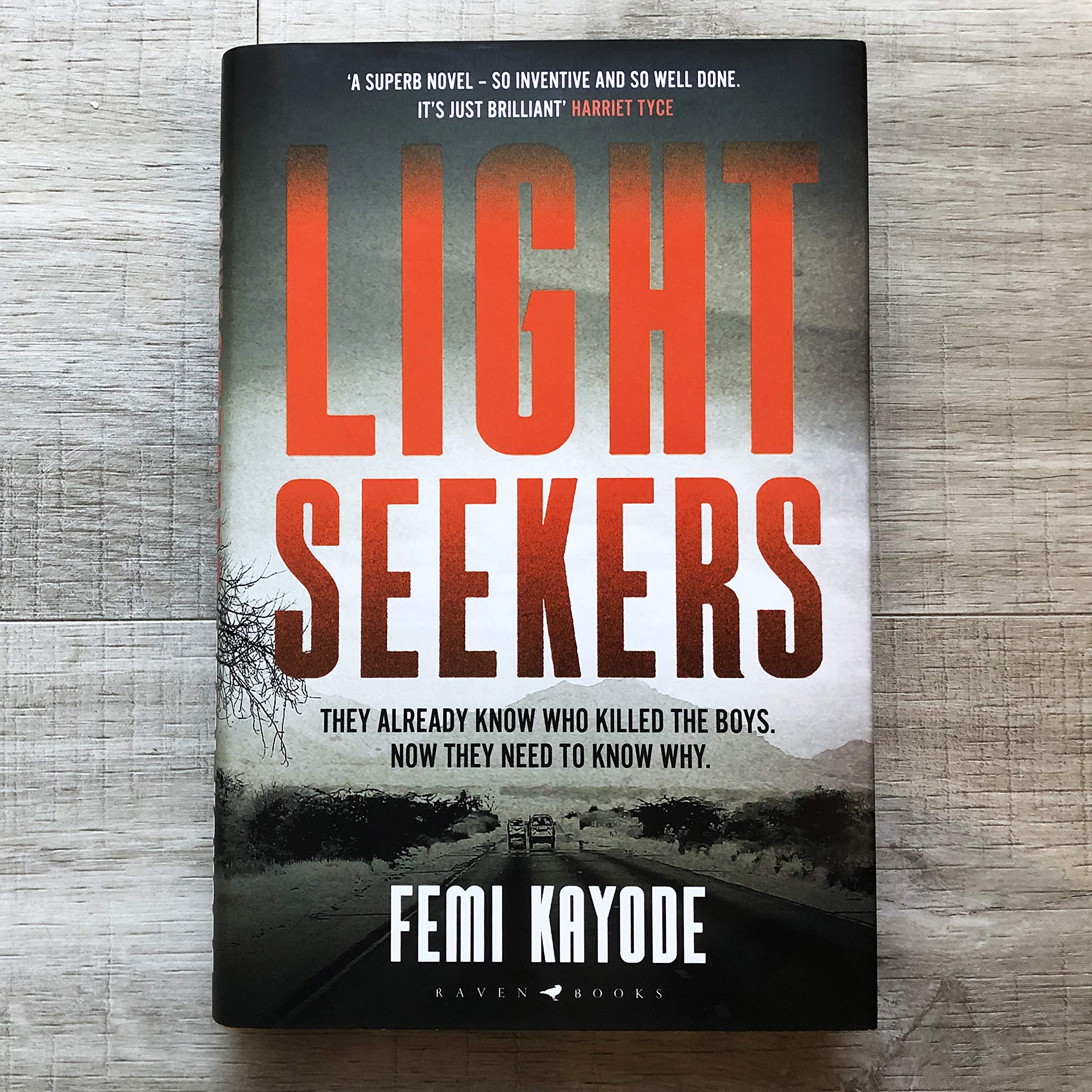
Femi Kayode, Lightseekers, Raven Books, NIGERIA (Gold Dagger)

Julia Laite, The Disappearance of Lydia Harvey, Profile Books, NEW ZEALAND, ARGENTINA, UK (ALCS Gold Dagger for Non-fiction)

Laura Lippman, Dream Girl, Faber, USA (Steel Dagger)

Abir Mukherjee, The Shadows of Men, Harvill Secker, UK/INDIA (Gold Dagger)

Håkan Nesser, The Lonely Ones, tr. Sarah Death, Mantle, NORWAY (Steel Dagger)

Karin Nordin, Where Ravens Roost, HQ, RURAL SWEDEN (New Blood Dagger)

Peter Papathanasiou, The Stoning, MacLehose, AUSTRALIAN OUTBACK (Gold Dagger & New Blood Dagger)

Rahul Raina, How to Kidnap the Rich, Little, Brown, DELHI, INDIA (New Blood Dagger)

Patrick Radden Keefe, Empire of Pain: The Secret History of the Sackler Dynasty, Picador, USA (ALCS Gold Dagger for Non-fiction)

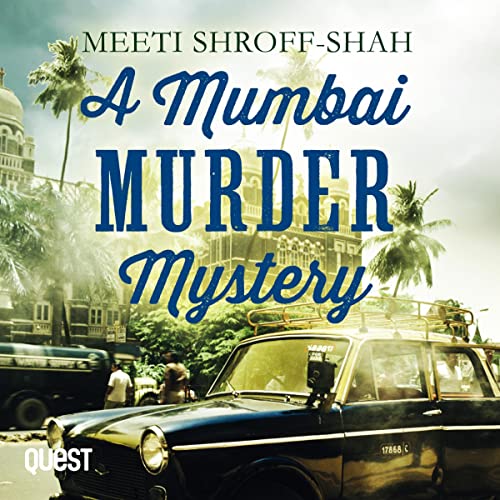
Meeti Shroff-Shah, A Mumbai Murder Mystery, Joffe Books, MUMBAI, INDIA (New Blood Dagger)

Joe Thomas, Brazilian Psycho, Arcadia, UK/SAO PAULO, BRAZIL (Gold Dagger)

Mark Wrightman, Waking the Tiger, Hobeck Books, 1940s SINGAPORE (New Blood Dagger)

Well, that should keep us going for while! Many congratulations to all the longlisted authors, translators and publishers. And a big thank you to the judges for their hard work in bringing us the best of the best.

Further info is available here:

CWA: https://thecwa.co.uk/awards-and-competitions/the-daggers (where you can also download a handy pdf of all the longlists)

Waterstones: you’ll find a page dedicated to the CWA longlists with gorgeous carousels for each category here – https://www.waterstones.com/category/cultural-highlights/book-awards/the-cwa-daggers

2021 Petrona Award – the shortlist is here!

Six outstanding crime novels from Iceland, Norway & Sweden have been shortlisted for the 2021 Petrona Award for the Best Scandinavian Crime Novel of the Year.

The shortlisted titles are:

A NECESSARY DEATH by Anne Holt, tr. Anne Bruce (Corvus; Norway)

DEATH DESERVED by Jørn Lier Horst and Thomas Enger, tr. Anne Bruce (Orenda Books; Norway)

THE SECRET LIFE OF MR. ROOS by Håkan Nesser, tr. Sarah Death (Mantle; Sweden)

TO COOK A BEAR by Mikael Niemi, tr. Deborah Bragan-Turner (MacLehose Press; Sweden)

THE SEVEN DOORS by Agnes Ravatn, tr. Rosie Hedger (Orenda Books; Norway)

GALLOWS ROCK by Yrsa Sigurðardóttir, tr. Victoria Cribb (Hodder & Stoughton; Iceland)

The winner will be announced on Thursday 4 November 2021!

Today, very aptly, is International Translation Day. We are extremely grateful to the five translators whose expertise and skill have allowed readers to access these outstanding examples of Scandinavian crime fiction, and to the publishers who continue to champion and support translated fiction.

The judges’ comments on the shortlisted titles:

A NECESSARY DEATH by Anne Holt, tr. Anne Bruce  

Anne Holt, according to Jo Nesbø, is the ‘godmother of modern Norwegian crime fiction’. Best known for her ‘Hanne Wilhelmsen’ and ‘Vik/Stubø’ series (the inspiration for TV drama Modus), she also served as Norway’s Minister for Justice in the 1990s. A Necessary Death is the second in Holt’s ‘Selma Falck’ series, whose eponymous protagonist is a high-flying lawyer brought low by her gambling addiction. The novel shows Falck resisting an attempt to kill her: on waking in a burning cabin in a remote, sub-zero wilderness, she has to figure out how to survive, while desperately trying to remember how she got there. A pacy, absorbing thriller with a gutsy, complex main character.

DEATH DESERVED by Jørn Lier Horst and Thomas Enger, tr. Anne Bruce 

Death Deserved marks the beginning of an exciting collaboration between two of Norway’s most successful crime authors. Thomas Enger and Jørn Lier Horst are both already well known for their long-running ‘Henning Juul’ ­and ‘William Wisting’ series. Death Deserved, in which a serial killer targets well-known personalities, mines each writer’s area of expertise: the portrayal of detective Alexander Blix draws on Horst’s former career as a policeman, while Enger brings his professional knowledge of the media to the depiction of journalist Emma Ramm. The novel expertly fuses the writers’ individual styles, while showcasing their joint talent for writing credible and engaging characters, and creating a fast-paced, exciting plot.

THE SECRET LIFE OF MR. ROOS by Håkan Nesser, tr. Sarah Death  

Håkan Nesser, one of Sweden’s most popular crime writers, is internationally known for his ‘Van Veeteren’ and ‘Inspector Barbarotti’ series. The Secret Life of Mr. Roos is the third in a quintet featuring Gunnar Barbarotti, a Swedish policeman of Italian descent, who is a complex yet ethically grounded figure. His relatively late appearance in the novel creates space for the portrayal of an unlikely friendship between Mr. Roos, a jaded, middle-aged man who has unexpectedly won the lottery, and Anna, a young, recovering drug addict of Polish origin, who is on the run. Slow-burning literary suspense is leavened with a dry sense of humour, philosophical musings, and compassion for individuals in difficult circumstances.

TO COOK A BEAR by Mikael Niemi, tr. Deborah Bragan-Turner 

Mikael Niemi grew up in the northernmost part of Sweden, and this forms the setting for his historical crime novel To Cook a Bear. It’s 1852: Revivalist preacher Lars Levi Læstadius and Jussi, a young Sami boy he has rescued from destitution, go on long botanical treks that hone their observational skills. When a milkmaid goes missing deep in the forest, the locals suspect a predatory bear, but Læstadius and Jussi find clues using early forensic techniques that point to a far worse killer. Niemi’s eloquent depiction of this unforgiving but beautiful landscape, and the metaphysical musings of Læstadius on art, literature and education truly set this novel apart.

THE SEVEN DOORS by Agnes Ravatn, tr. Rosie Hedger 

Agnes Ravatn’s The Seven Doors has shades of Patricia Highsmith about it: a deliciously dark psychological thriller that lifts the lid on middle-class hypocrisy. When Ingeborg, the daughter of university professor Nina and hospital consultant Mads, insists on viewing a house that her parents rent out, she unwittingly sets off a grim chain of events. Within a few days, tenant Mari Nilson has gone missing, and when Nina starts to investigate her disappearance and past life as a musician, worrying truths begin to emerge. A novel about gender, power and self-deception, expertly spiced with Freud and Bluebeard, The Seven Doors delivers an ending that lingers in the mind.

GALLOWS ROCK by Yrsa Sigurðardóttir, tr. Victoria Cribb 

Gallows Rock is the fourth in Yrsa Sigurðardóttir’s ‘Children’s House’ series, featuring child psychologist Freyja and police detective Huldar as a reluctant investigative duo. Their relationship provides readers with some lighter moments and occasional black humour, along with a frisson of mutual attraction. The novel’s intricate plot focuses on skewed morals and revenge: what begins as a ritualistic murder at an ancient execution site in the lava fields – the Gallows Rock of the title – leads to the unearthing of a case of long-term abuse, whose devastating impact is sensitively explored. The author won the 2015 Petrona Award for The Silence of the Sea.

This year’s Petrona Award shortlist once again sees Norway strongly represented with three novels; Sweden with two and Iceland with one. The crime genres represented include the police procedural, historical crime, psychological crime, literary crime and thriller.

The six novels stand out for their writing, characterisation, plotting, and overall quality. They are original and inventive, often pushing the boundaries of genre conventions, and tackle complex subjects such as class and power, the bonds of friendship, and the failure of society to support the vulnerable.

The Petrona Award judges are:

Jackie Farrant – Crime fiction expert and creator of RAVEN CRIME READS; bookseller for twenty years and a Regional Commercial Manager for a major book chain in the UK.

Dr. Kat Hall – Translator and editor; Honorary Research Associate at Swansea University; international crime fiction reviewer at MRS. PEABODY INVESTIGATES.

Ewa Sherman – Translator and writer; blogger at NORDIC LIGHTHOUSE; regular contributor to CRIME REVIEW; volunteer at crime fiction festivals in Reykjavik, Bristol and Newcastle.

Our award administrator is Karen Meek – owner of the EURO CRIME website; reviewer, former CWA judge for the International Dagger, and Library Assistant.

The Petrona team would like to thank our sponsor, David Hicks, for his continued generous support of the Petrona Award.

The Petrona Award is open to crime fiction in translation, either written by a Scandinavian author or set in Scandinavia, and published in the UK in the previous calendar year. Further information can be found on the Petrona Award website: http://www.petronaaward.co.uk.

Summer smörgåsbord of international crime

Somehow it’s been five months since I last blogged, but thankfully I’ve still found time to read some quality crime – a very welcome oasis amidst the grind of daily life. Here’s a round-up: an eclectic assortment of international crime fiction to suit various reading moods.

Karin Slaughter, Cop Town, Century 2014 (USA)
First line: Dawn broke over Peachtree Street.

This standalone by Karin Slaughter was featured on Margot Kinberg’s excellent crime blog and immediately piqued my interest.

Atlanta, 1974: Kate Murphy’s first day as a policewoman gets off to a rough start when she runs into a wall of sexism at the precinct. On top of that, a policeman has just been killed and tensions are high. Paired with reluctant but street-savvy patrolwoman Maggie Lawson, Kate has to learn the job fast while navigating a highly dangerous case.

Cop Town provided an illuminating and enjoyable glimpse into the everyday life of pioneering policewomen. I couldn’t help but imagine the lead characters as a young Cagney & Lacey – two characters from very different backgrounds who somehow form a great team. The novel is also a good ‘sequel’ to Thomas Mullen’s Darktown, which focuses on the difficulties faced by black policemen in the Atlanta force during the late 1940s.

Håkan Nesser, The Secret Life of Mr Roos, tr. by Sarah Death, Mantle 2020 (Sweden)

First line: The day before everything changed, Ante Valdemar Roos had a vision.

The Secret Life of Mr Roos is the third in Nesser’s ‘Inspector Barbarotti’ series and the most satisfying installment yet.

Middle-aged, unhappily married accountant Valdemar Roos wins the lottery and secretly buys himself a hut in the remote Swedish countryside. Anna Gambowska, a twenty-one-year-old former drug addict fleeing from a domineering partner, is forced to seek refuge there one night. Before long, a crime takes place that will transform both their lives.

This was a wonderfully absorbing 500-page read. The characterisation of the two main protagonists is excellent, as is the story of their relationship, which is told with both compassion and humour. Barbarotti only makes his entrance half-way through the novel, ensuring that Valdemar and Anna remain firmly centre stage and that we genuinely care about their fates. Scandi crime at its best.

Agnes Ravatn, The Seven Doors, tr. by Rosie Hedger, Orenda Books 2021 (Norway)

First line: Berg slinks along the walls, just as the two surveyors did the week before.

The Seven Doors is a deliciously dark psychological thriller that skewers middle-class hypocrisies and the individual’s capacity for self-deception when unpalatable truths threaten a comfortable life.

Ingeborg, the pregnant daughter of university professor Nina and consultant Mads, unwittingly sets off a chain of events when she insists on viewing the house her parents rent out as a prospective new home. Within days, tenant Mari has gone missing, and bit by bit, things spiral out of control. This is a novel about gender, class entitlement and wilful blindness, expertly spiced with some Freud and Bluebeard, and has a cracking ending – I had to re-read it twice for the sheer thrill of it!

Adania Shibli, Minor Detail, tr. from the Arabic by Elisabeth Jaquette, Fitzcarraldo Editions 2020 (Palestine)

First line: Nothing moved except the mirage.

This is a novel to save for when you are feeling emotionally robust. I think it’s one of the most devastating reading experiences I’ve ever had.

Shibli is a Palestinian writer based in Berlin, who uses elements of the crime genre to create a story with two distinct halves. The first is a crime committed in 1949 just after the War of Independence or Nakba: an Israeli officer and his platoon rape, murder and bury a young Palestinian woman in the Negev desert. The second follows a woman from present-day Ramallah who becomes obsessed with this ‘minor detail’ of history, and decides to investigate and memorialise the young woman’s death. However, doing so means travelling to areas that are strictly off-limits to her as a Palestinian, a nerve-wracking journey that subverts any conventional narrative expectations we might have.

The novel was longlisted for the 2021 International Man Booker Prize, and reminded me how crucial translation is for illuminating under-represented viewpoints and for giving a voice to authors who write in less frequently translated languages.

It’s not what you know, it’s what you can prove.

I also recently watched an outstanding Danish crime series –The Investigation (dir. Tobias Lindholm) – which explored the extraordinary Kim Wall murder case.

The way the drama approached its subject matter blew me away. It completely sidelined the attention-seeking murderer – to the point where his name wasn’t even mentioned – and focused instead on the investigative process that convicted him, on the relationship between lead investigator Jens Moller Jensen and Kim’s parents – and crucially on Kim and her journalism. The acting is fantastic throughout (fans of Wallander, The Killing and Borgen will recognise a number of faces), and the details of how the investigation unfolded to the point where they could successfully prosecute are riveting. A grown-up crime drama that makes conventional serial-killer narratives look tired and formulaic.

The series is still available to view on BBC 2 iPlayer.

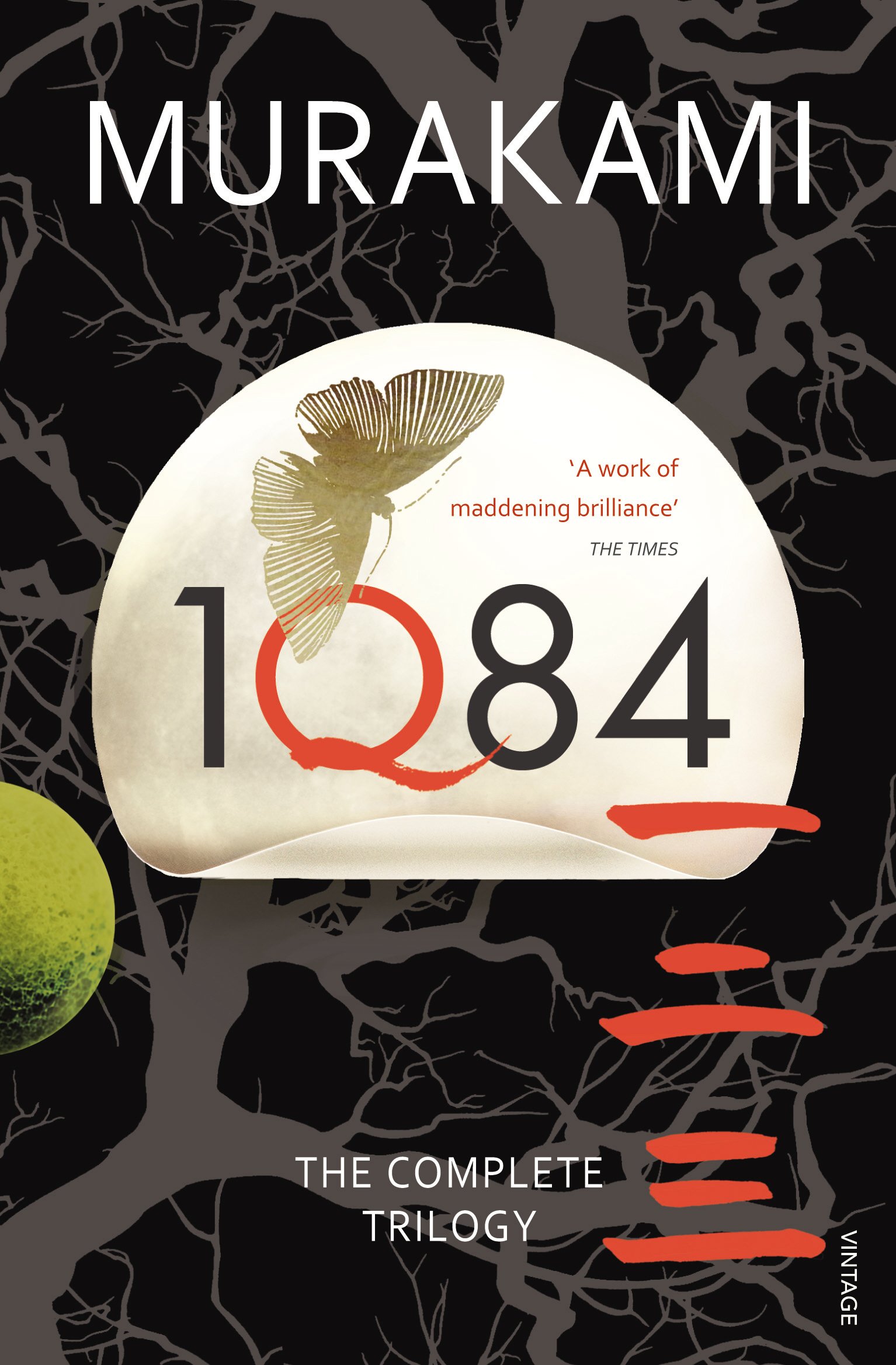
And finally…. I’m currently reading Haruki Murakami’s 1Q84 Trilogy, translated from the Japanese by Jay Rubin and Philip Gabriel. The whole thing comes to a whopping 1318 pages, so should keep me out of mischief for a while.

The reason I include it here is because it turns out to have a strong crime element, as I discovered to my amusement about 50 pages in, when one of the lead characters was revealed not to be a smart young businesswoman after all, but something rather more murderous. You can always rely on the wildly unexpected when you read Murakami. Bananas, but in a very marvellous way.

I hope you’re all keeping well and enjoying some quality crime reading. Do let me know your top reads below. And is anyone watching Mare of Easttown with Kate Winslet? Is it as good as everyone says?!

The 2020 Petrona Award shortlist is out!

Just in time for the season of snowflakes and reading under cosy blankets, here’s the 2020 Petrona Award shortlist!

Petrona

Six outstanding crime novels from Finland, Iceland, Norway and Sweden have been shortlisted for the 2020 Petrona Award for the Best Scandinavian Crime Novel of the Year.

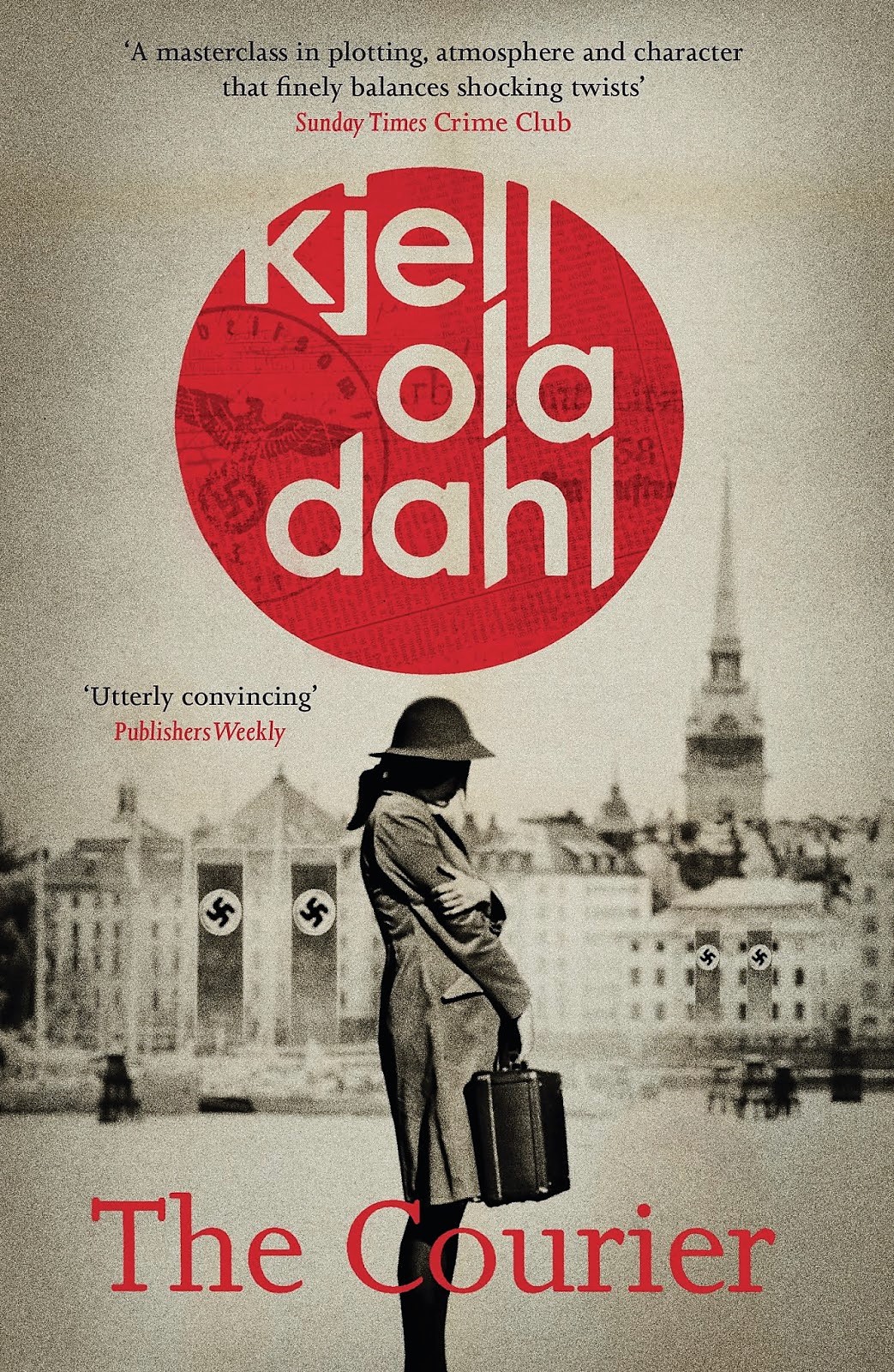
THE COURIER by Kjell Ola Dahl, tr. Don Bartlett (Orenda Books; Norway) 

Kjell Ola Dahl made his debut in 1993, and has since published seventeen novels, most notably those in the ‘Gunnarstranda and Frølich’ police procedural series. In 2000, he won the Riverton Prize for The Last Fix, and the prestigious Brage and Riverton Prizes for The Courier in 2015. In much the same way as Icelandic author Arnaldur Indriðason, Dahl explores the experience of the Second World War by moving away from the linear murder mystery to something far more searching and emotionally driven. The Courier is an intelligent and absorbing standalone that offers a perceptive and highly moving exploration of Scandinavian history. It traverses changing times and cultural norms, and traces the growing self-awareness of a truly memorable female protagonist.

INBORN by Thomas Enger, tr. Kari Dickson (Orenda Books; Norway) 

Thomas Enger worked for many years for Norway’s first online newspaper, Nettavisen, and as an author is best-known for his five novels featuring the journalist-sleuth Henning Juul, one of which – Pierced – was shortlisted for the Petrona Award in 2013. He has also won prizes for his thrillers for young adults. Inborn, his first standalone novel to be translated into English, tells the story of a murder trial from the perspective of the seventeen-year-old defendant, and combines a gripping courtroom drama with a tender and intriguing portrait of Norwegian small-town life, and the secrets bubbling away beneath its surface.

THE CABIN by Jørn Lier Horst, tr. Anne Bruce (Michael Joseph; Norway)

Having previously worked as a police officer, Jørn Lier Horst has established himself as one of the most successful Scandinavian authors of the last twenty years. Horst’s previous ‘William Wisting’ novel, The Katharina Code, won the 2019 Petrona Award for Best Scandinavian Crime Novel, as well as the Nordic Noir Thriller of the Year in 2018. The Cabin sees Chief Inspector Wisting juggling the demands of two testing cases, leading him into the path of an old adversary and plunging him into the criminal underworld. Horst has once again produced an impeccably crafted police procedural with a deft control of pace and tension.

THE SILVER ROAD by Stina Jackson, tr. Susan Beard (Corvus; Sweden)

The Silver Road is Stina Jackson’s highly accomplished debut. It has achieved remarkable success, winning the 2018 Award for Best Swedish Crime Novel, the 2019 Glass Key Award, and the 2019 Swedish Book of the Year Award. Set in northern Sweden, where Jackson herself grew up, the novel explores the aftermath of teenager Lina’s disappearance, and her father Lelle’s quest to find her by driving the length of the Silver Road under the midnight sun. Three years on, young Meja arrives in town: her navigation of adolescence and first-time love will lead her and Lelle’s paths to cross. The Silver Road is a haunting depiction of grief, longing and obsession, with lots of heart and a tremendous sense of place.

THE ABSOLUTION by Yrsa Sigurðardóttir, tr. Victoria Cribb (Hodder & Stoughton; Iceland) 

A full-time civil engineer as well as a prolific writer for both adults and children, Yrsa Sigurðardóttir is one of Iceland’s best-selling and most garlanded crime novelists, and the winner of the 2015 Petrona Award for The Silence of the Sea. The Absolution is the third entry in her ‘Children’s House’ series, and features a very modern killer who targets teenagers with an MO involving Snapchat. This artfully plotted and thought-provoking book continues the series’ focus on the long-lasting impact of childhood trauma, with welcome light relief provided by the mismatched investigators, detective Huldar and child psychologist Freyja.

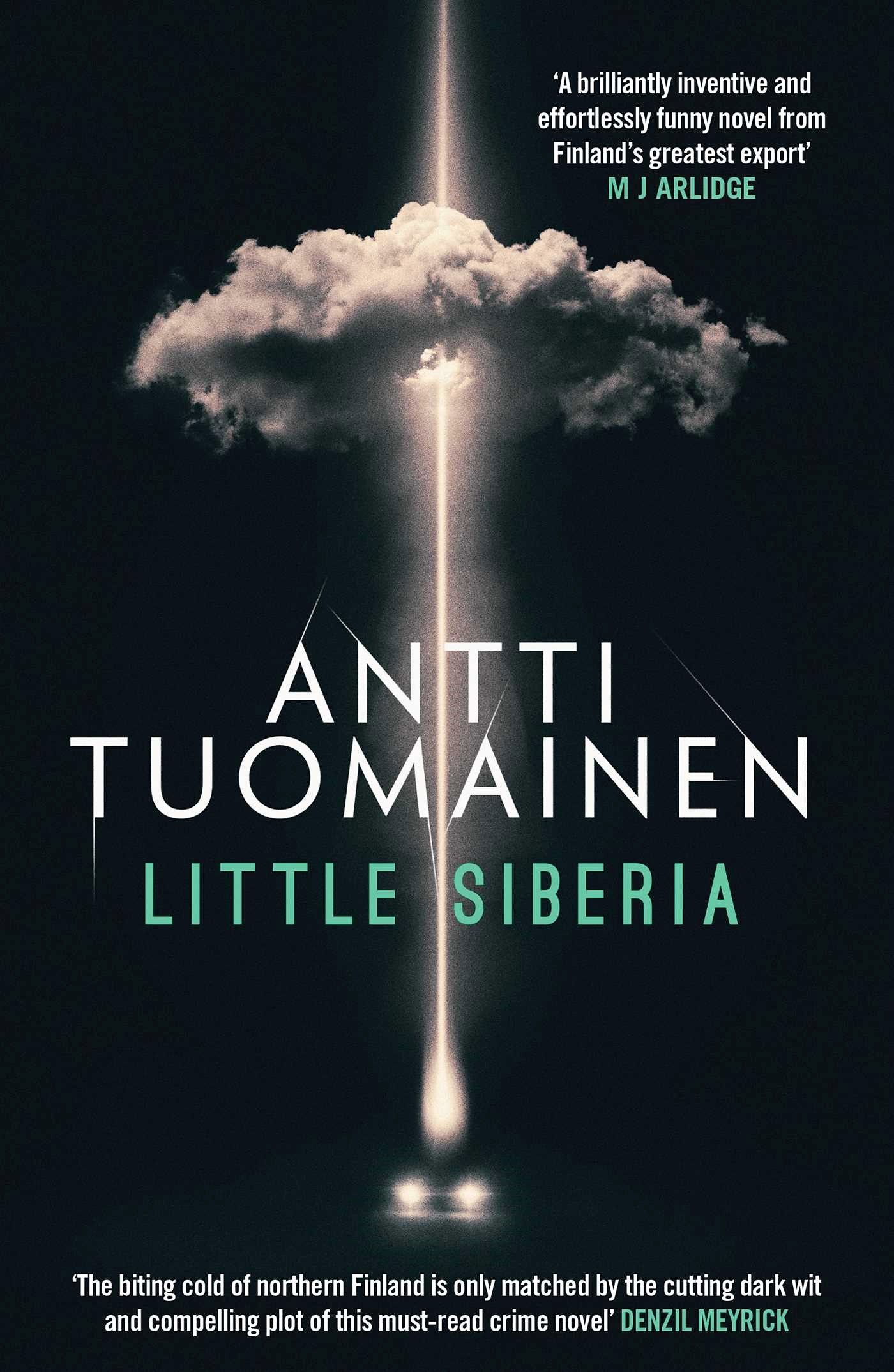
LITTLE SIBERIA by Antti Tuomainen, tr. David Hackston (Orenda Books; Finland)

Antti Tuomainen is a versatile crime writer, whose works draw on genres as varied as the dystopian thriller and comedy crime caper. His third novel, The Healer, won the Clue Award for Best Finnish Crime Novel in 2011 and he has been shortlisted for the Glass Key, Petrona and Last Laugh Awards, as well as the CWA Crime Fiction in Translation Dagger. Little Siberia, set in an icy northern Finland, opens with a bang when a meteorite unexpectedly lands on a speeding car. Transferred to the local museum for safe keeping, the valuable object is guarded from thieves by local priest Joel, who is grappling with both a marital crisis and a crisis of faith. Absurdist black humour is expertly combined with a warm, perceptive exploration of what it means to be human.

THE WINNER will be announced on Thursday 3 December 2020!

The judges’ comments on the shortlist:

There were 37 entries for the 2020 Petrona Award from six countries (Denmark, Finland, France, Iceland, Norway, Sweden). The novels were translated by 24 translators and submitted by 21 publishers/imprints. There were 13 female and 24 male authors.

This year’s Petrona Award shortlist sees Norway strongly represented with three novels; Finland, Iceland and Sweden each have one. The crime genres represented include the police procedural, historical crime, literary crime, comedy crime and thriller.

The Petrona Award judges selected the shortlist from a rich field. The six novels stand out for their writing, characterisation, plotting, and overall quality. They are original and inventive, often pushing the boundaries of genre conventions, and tackle highly complex subjects such as legacies of the past, mental health issues and the effects of grief. Three of the shortlisted titles explore the subject of criminality from an adolescent perspective.

We are extremely grateful to the six translators whose expertise and skill have allowed readers to access these gems of Scandinavian crime fiction, and to the publishers who continue to champion and support translated fiction.

The Petrona team would like to thank our sponsor, David Hicks, for his continued generous support of the Petrona Award. We would also like to thank Sarah Ward, who has now stood down from the judging panel, for her valuable contributions over many years. We wish her every success with her new Gothic thriller, The Quickening, published under the name Rhiannon Ward. We are delighted to have Jake Kerridge, The Daily Telegraph’s crime fiction critic, join the Petrona team as a guest judge for this year’s Award.

The Petrona Award is open to crime fiction in translation, either written by a Scandinavian author or set in Scandinavia, and published in the UK in the previous calendar year.

The judges

Jackie Farrant – Crime fiction expert and creator of RAVEN CRIME READS; bookseller for eighteen years and a Regional Commercial Manager for a major book chain in the UK.

Kat Hall – Translator and editor; Honorary Research Associate at Swansea University; international crime fiction reviewer at MRS. PEABODY INVESTIGATES.

Jake Kerridge – Journalist and literary critic. He has been the crime fiction reviewer of the Daily Telegraph since 2005 and has judged many crime and thriller prizes.

Award administrator

Karen Meek – owner of the EURO CRIME website, reviewer, former CWA judge for the International Dagger, and Library Assistant.

Crime Fiction: 7 Kinds of Respite Reading

I hope you’re all safe and well in this strange and worrying time. For many of us (including me), reading has taken a back seat while we process the situation, and deal with its fallout for our families, working lives and communities.

Aside from the practical challenges we’re facing, many of us are feeling too stressed to read, or can’t find the ‘right book’ to settle down with.

If this is you, then here are some suggestions and strategies for Respite Reading.

Even if you manage just a chapter a day, you’ll hopefully feel the benefit. Reading has an amazing ability to ground us, distract us and provide solace – in short, to provide us with respite in these very tough times. A study by the University of Sussex found that a mere 6 minutes of reading can reduce stress levels by 68%! Sounds good to me.

7 kinds of Respite Reading: find the one that works for you!

1.   An old favourite. There’s no rule that says you have to read something new. Perhaps a novel you know and love is already on your bookshelf, waiting to wrap itself around you like a comforting blanket. For me, that’s John le Carré’s Tinker Tailor Soldier Spy. Or Paul Scott’s The Jewel in the Crown, a novel I first read in 1988, which explores the fallout of a crime in The British Raj. Or your favourite Agatha Christie – hard to choose, I know… For me it’s a toss up between The Murder of Roger Ackroyd and Murder on the Orient Express.

2.   Travel to another time or place. If the present is too much for you right now, then take a break in another era with some historical crime and/or crime set in another country – like Abir Mukherjee’s A Rising Man (1919 India), Riku Onda’s The Aosawa Murders (1970s Japan), Umberto Eco’s The Name of the Rose (1327 Italy) or Eduardo Sacheri’s The Secret in Their Eyes (1970s and 1980s Argentina).

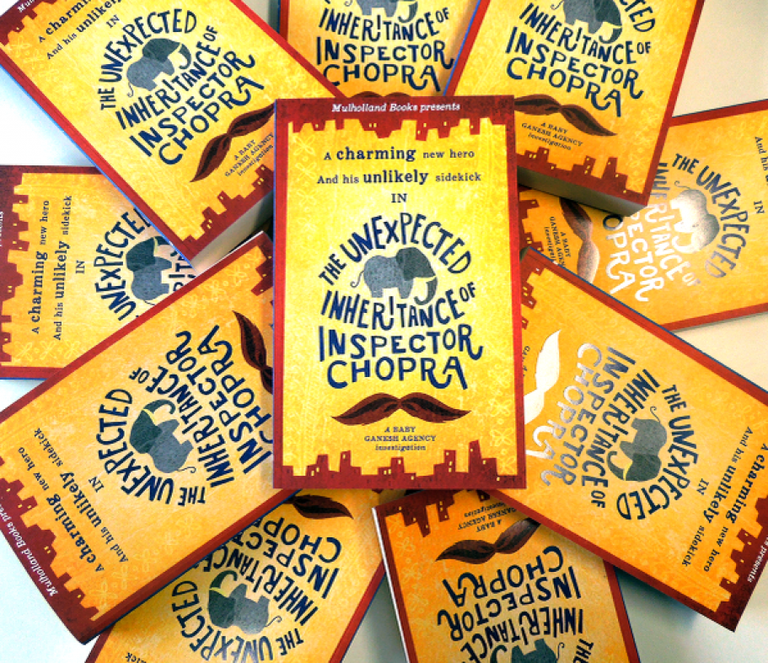
3.    Cosy, comforting crime. If you’re finding the gritty end of the crime fiction spectrum a bit much right now, then perhaps you’re in need of a cute baby elephant: yes, we’re talking Vaseem Khan’s The Unexpected Inheritance of Inspector ChopraOr try out Peter Bartram’s comic ‘Crampton of the Chronicle’ series, which follows the adventures of a young journalist in 1960s Brighton. Or how about Ellis Peter’s classic ‘Brother Cadfael’ series, set in medieval times? Another personal favourite: Harry Kemelman’s ‘Rabbi Small’ series, which offers an affectionate portrait of 1960s small-town America, along with some pearls of wisdom.

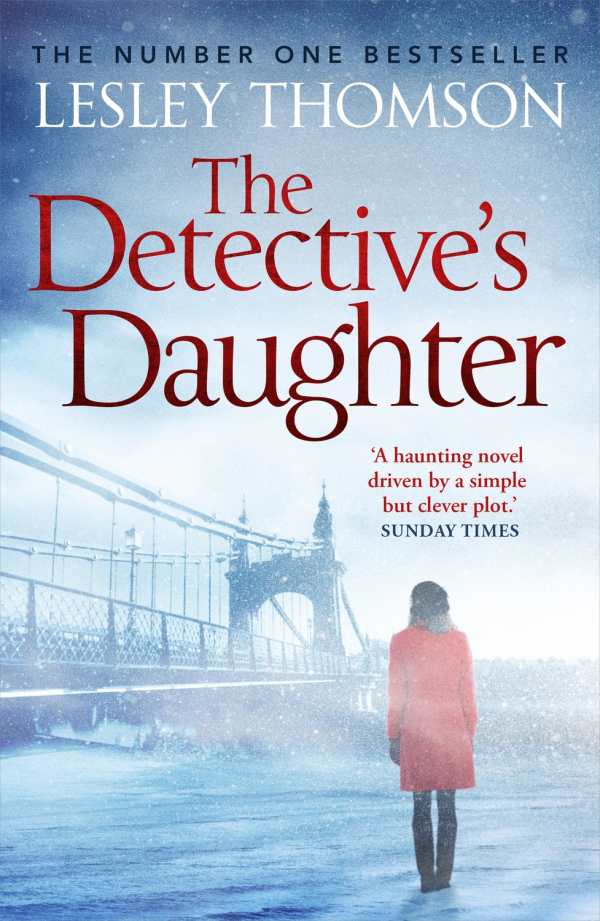
4.   Crime with heart, whose characters you’ll love to spend time with – try Elly Griffiths’s ‘Ruth Galloway’ series (forensics in Norfolk) or Lesley Thomson’s ‘Detective’s Daughter’ series – both are marvellous. And if you’ve not yet met octogenarian Sheldon Horowitz, then it’s definitely time for Derek B. Miller’s Norwegian by Night. It’s still one of my top favourites.

5.   Criminally black humour. If your way of getting through involves grim laughter, then Mick Herron’s ‘Slough House’ spy novels are a wonderful read – start with Slow Horses. Or get to know Jo Ide’s IQ, the Long Beach Sherlock – a thoroughly engaging and original detective. And Leif GW Persson’s novels are always up there for me – Linda, as in the Linda Murder is a good opener, with moments that are wonderfully wry.

6.   Hair ‘o’ the dog apocalypse crime. Because one way to deal with our fears is to read about stuff that’s just that little bit worse. Louise Welsh’s A Lovely Way to Burn is excellent, and check out my earlier blog post on ‘Apocalyptic Crime Fiction from America and Finland’ for a few other suggestions. My top non-crime recommendation is Emily St. John Mandel’s Station Eleven. Bleak, but strangely uplifting and hopeful.

7.   Still not sure… Just give me top-quality crime! No worries – have a browse through my Xmas recommendations over the years. These are effectively my annual best-of-the-best lists, so hopefully you’ll find something there that’ll hit the spot…

2014   2015   2016   2017   2018   2019

There’s also a list of trilogies here should you fancy a more ambitious reading project.

And if you’re looking for further ideas or inspiration, then I can heartily recommend the following indie publishers. They could all do with some love and support right now!

Bitter Lemon Press   No Exit Press   Orenda Books   Europa Editions

OK everyone – stay home – stay safe – save lives!

Please do add your own thoughts and recommendations below, or just drop by for a chat. It would be lovely to hear from you! Hugs and kisses xxx

Let it snow! Mrs. Peabody’s 2019 Christmas crime fiction recommendations

Here are Mrs. Peabody’s 2019 Christmas crime fiction recommendations! Each is one of my top reads of the year, and will fit snugly into the Xmas stockings of all who’ve been good. Don’t forget to treat yourself, too!

Available from a wonderful local bookshop near you…

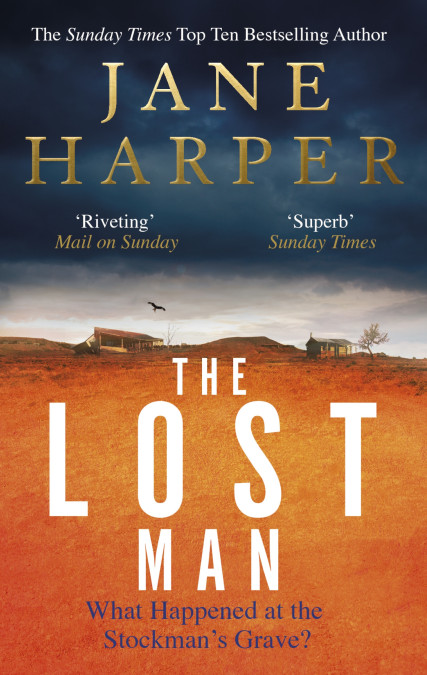
Jane Harper, The Lost Man, Abacus (Australia)

This novel was one of my most satisfying reads of the year. An in-depth character study of a family and their community, it’s also a page-turner that will keep you completely riveted for hours.

Cameron Bright is found dead in a remote part of his cattle station by the so-called ‘Stockman’s Grave’. The mystery of how and why he got there, and why his car is so far away become the subject of a police investigation. Cameron’s older brother Nathan, who owns the adjacent property, and his younger brother Bub both had complicated relationships with him, and further complexities and secrets soon start to be revealed. This is the third of Harper’s novels, and has a neat link back to her first, The Dry but no prior reading or knowledge is required. If you’re feeling generous, leave both for your lucky reader under the tree.

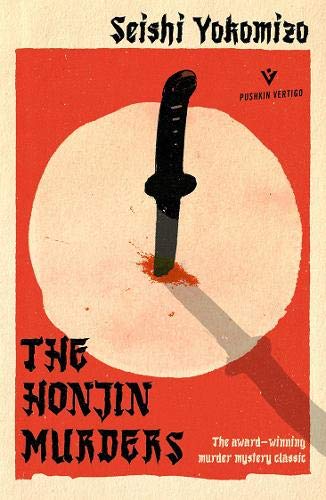
Seishi Yokomizo, The Honjin Murders, tr. Louise Heal Kawai, Pushkin Press 2019 (Japan)

I’ve just read The Honjin Murders, and immediately knew I had to add it to this list, because it’s the perfect gift for any fan of classic crime fiction or locked room mysteries. As an added bonus, it’s set in Japan! Plus: it’s the first in master crime writer Seishi Yokomizo’s acclaimed ‘Konsuke Kindaichi’ series, and the first to be translated (beautifully) into English.

It’s 1937, and the grand Ichiyanagi family is celebrating a family wedding. But that night, the family is woken by a terrible scream, followed by the sound of eerie music. Death has come to Okamura, leaving no trace but a bloody samurai sword, thrust into the pristine snow outside the house. It’s an impossible puzzle, but eccentric amateur detective Kosuke Kindaichi is determined to figure it out.

George Pelecanos, The Man Who Came Uptown, Orion (USA)

This quietly powerful crime novel interweaves the stories of three individuals. Anna Byrne is a prison librarian, who tries to better the lives of inmates through reading, and to broaden their horizons through regular book-group discussions. One of her readers is Michael Hudson, a bright young man who has gone off the rails, but is keen to go straight. When he’s suddenly released ahead of his trial, he’s relieved but can’t quite understand why. The answer lies with Phil Ornazian, a private investigator who regularly flirts with danger when making money illicitly on the side. Pelecanos was a scriptwriter for The Wire, and his characterisation of each of these figures is superb. The novel is also a wonderful homage to the life-changing power of reading.

Oyinkan Braithwaite, My Sister, the Serial Killer, Doubleday 2018 (Nigeria)

I gobbled up this wholly original Nigerian crime novel in one sitting. Korede is a plain, respectable nurse, who leads a neat and ordered life. Or rather, she would do if it weren’t for her volatile, beautiful younger sister, whose boyfriends seem to have a habit of winding up dead, and who expects big sis to sort everything out. I won’t give anything else away, but suffice to say that this is an arresting read, which deploys the darkest of humour to tell its story. The question at the heart of the novel is: how far would you go to protect a family member whose actions you know are criminal? It’s all very nicely done and a lot of fun.

John le Carré, Agent Running in the Field, Viking 2019 (UK)

It’s such a pleasure to step back into le Carré’s world and to meet a fresh cast of beautifully observed, but very human spies. Shown weaving their way through the complexities of modern politics as best they can, they soon learn that they need to keep a sharp eye on their own superiors as much as their adversaries elsewhere. Our guide to all this is Nat, an agent runner at the end of his career who’s asked to take over The Haven, a lowly substation of London General. He and a colleague begin to plan an operation targeting a Ukrainian oligarch, but then something strange happens… Light relief takes the form of regular badminton games with young Ed, an affable but somewhat mysterious figure who may be more than he seems. A completely convincing and gripping depiction of murky espionage shenanigans.

M.T. Edvardsson, A Nearly Normal Family, tr. Rachel Willson-Broyles, Macmillan 2019 (Sweden)

This accomplished novel tracks the fallout from a murder via the perspectives of three members of one family: a mother, a father, and a daughter who’s been accused of killing a well-connected, rich young man. An ostensibly ‘normal’ and respectable middle-class family – dad is a pastor, mum is a lawyer, and daughter Stella is unruly but bright – they are pushed to the limits by the stress of Stella’s arrest, detention and trial. The three points of view and family dynamics are beautifully handled, and there are plenty of surprises in store for the reader, even after the end of the trial. The novel is one of the submissions for the 2020 Petrona Award.

Rachel Kushner, The Mars Room, Vintage 2018 (USA)

This isn’t a conventional crime novel, but rather a novel about a crime and what comes next. Romy Hall is serving two consecutive life sentences at Stanville Women’s Correctional Facility after killing the man who was stalking her. Through her eyes, we’re shown the reality and bleakness of American prison life, and through her recollections, we trace her early years in San Francisco and the events leading up to the killing. At the centre of it all stands ‘The Mars Room’, the strip club where Romy worked to provide for her son Jackson. The novel explores the circumstances that shape Romy as an individual, the choices she makes, and how larger forces outside her control (such as the justice system) shape her destiny. Beautifully written – and shortlisted for the 2018 Booker Prize.

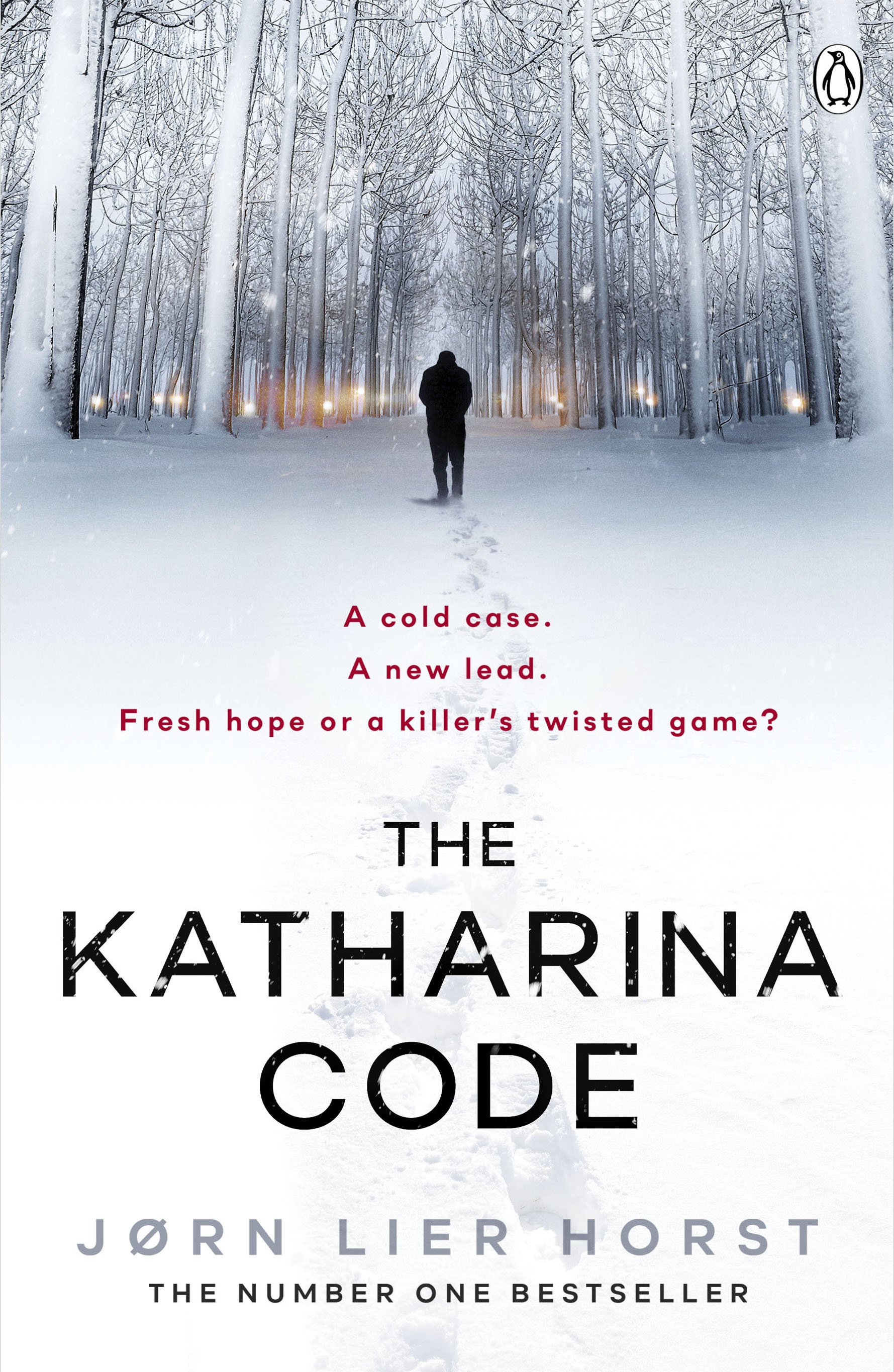
Jørn Lier Horst, The Katharina Code, tr. by Anne Bruce, Penguin 2018 (Norway)

The 2019 Petrona Award winner! The Katharina Code is one of my favourite things – a really gripping cold case. Every year, Chief Inspector William Wisting gets out his notes on the disappearance of Katharina Haugen, who vanished from her home twenty-four years earlier, leaving only a mysterious ‘code’ on the kitchen table, ‘a series of numbers arranged along three vertical lines’. This particular year, however, a development in another investigation finally moves the case on… An outstanding police procedural that takes established tropes – the cold case, the longstanding suspect, the dogged nature of police work – and combines them in ways that are innovative and fresh.

Jess Kidd, Himself, Canongate 2017 (Ireland)

Himself takes us back to the good old, bad old days. It’s Ireland in 1976, and Mahony, a young man brought up by nuns in a Dublin orphanage, returns to Mulderrig, a tiny rural village he recently found out was his birthplace. He is the son of Orla Sweeney, who scandalised the village with her wild behaviour as a young woman, and who disappeared in 1950. With the help of the eccentric Mrs. Cauley and a host of benign spirits who waft through walls, he starts uncovering the hypocrisies, secrets and malign power dynamics of the village. Utterly original, beautifully written and often wickedly funny, this is a crime novel to savour.

Happy reading, and wishing you all a wonderful and very merry Christmas!

The 2019 Petrona Award shortlist has landed!

Here we go!!!

Six outstanding crime novels from Denmark, Iceland and Norway have been shortlisted for the 2019 Petrona Award for the Best Scandinavian Crime Novel of the Year, which is announced today. They are… *drumroll*

  • THE ICE SWIMMER by Kjell Ola Dahl, tr. Don Bartlett (Orenda Books; Norway)
  • THE WHISPERER by Karin Fossum, tr. Kari Dickson (Harvill Secker; Norway)
  • THE KATHARINA CODE by Jørn Lier Horst, tr. Anne Bruce (Michael Joseph; Norway)
  • THE DARKNESS by Ragnar Jónasson, tr. Victoria Cribb (Penguin; Iceland)
  • RESIN by Ane Riel, tr. Charlotte Barslund (Doubleday; Denmark)
  • BIG SISTER by Gunnar Staalesen, tr. Don Bartlett (Orenda Books; Norway)

THE ICE SWIMMER by Kjell Ola Dahl, tr. Don Bartlett (Orenda Books; Norway)

Kjell Ola Dahl has achieved international acclaim for his ‘Oslo Detectives’ police procedural series, of which The Ice Swimmer is the latest instalment. When a dead man is found in the freezing waters of Oslo Harbour, Detective Lena Stigersand takes on the investigation while having to deal with some difficult personal issues. With the help of her trusted colleagues Gunnarstranda and Frølich, she digs deep into the case and uncovers possible links to the Norwegian establishment. Once again, Dahl has produced a tense and complex thriller, with his trademark close attention to social issues.

THE WHISPERER by Karin Fossum, tr. Kari Dickson (Harvill Secker; Norway)

Winner of the prestigious Riverton Award and Glass Key Award for Nordic crime, Karin Fossum is a prolific talent. The Whisperer focuses on the case of Ragna Riegel, an unassuming woman with a complicated emotional history, who has recently been arrested. As Inspector Konrad Sejer delves into her psyche in the course of a claustrophobic interrogation, Fossum slowly reveals the events leading up to Ragna’s crime. This is a highly assured mix of police procedural and psychological thriller, which really gets to the heart of one woman’s mental turmoil, and how easy it is for an individual to become unmoored from society.

THE KATHARINA CODE by Jørn Lier Horst, tr. Anne Bruce (Michael Joseph; Norway)

Jørn Lier Horst’s ‘William Wisting’ novels are distinguished by their excellent characterisation and strong plots. In The Katharina Code, a dormant investigation is reopened when police focus on a missing woman’s husband and his possible involvement in an earlier, apparently unconnected case. Wisting, who has long harboured doubts about the man’s innocence, becomes a somewhat unwilling participant in the surveillance operation. This finely plotted thriller with a strong sense of unresolved justice shows how Lier Horst is as comfortable writing about rural landscapes as urban settings.

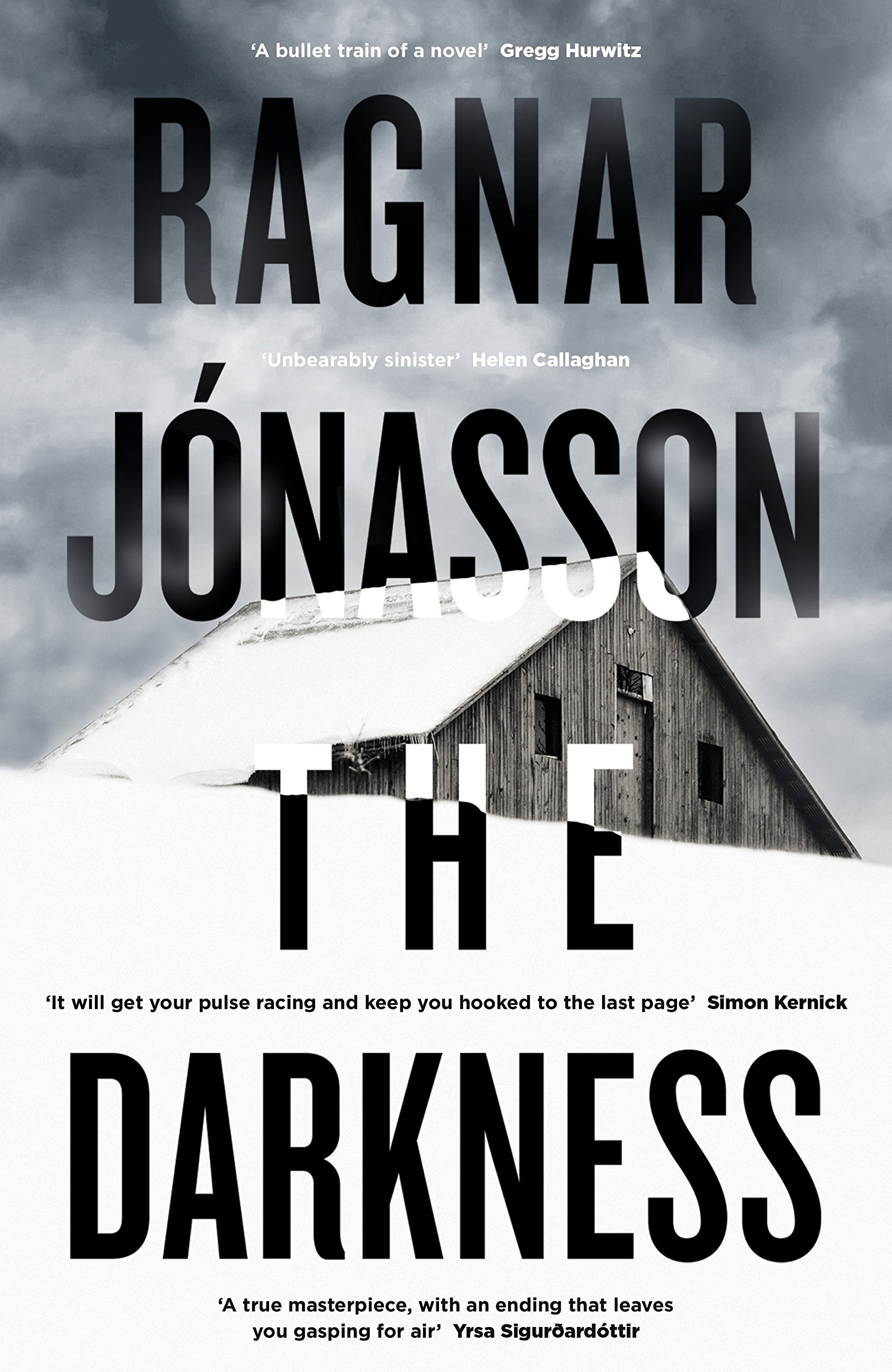
THE DARKNESS by Ragnar Jónasson, tr. Victoria Cribb (Penguin; Iceland)

In Ragnar Jónasson’s The Darkness, the first in the ‘Hidden Iceland’ trilogy, a Reykjavík policewoman on the brink of retirement looks into a final case – the death of Elena, a young Russian woman, which may mistakenly have been labelled a suicide. As much a portrait of its flawed investigator, Detective Inspector Hulda Hermannsdóttir, as of the investigation itself, the novel explores themes ranging from parental estrangement and the costs of emotional withdrawal to the precarious status of immigrants trying to make their way in a new land. The novel’s ending is bold and thought-provoking.

RESIN by Ane Riel, tr. Charlotte Barslund (Doubleday; Denmark)

Ane Riel’s Resin is an ambitious literary crime novel with a remote Danish setting. Narrated mainly from the perspective of Liv, a young girl, it tells the story of three generations of one family, while exploring the complicated factors that can lead individuals to justify and commit murder. Other narrative voices – such as those of Liv’s mother and a neighbour – provide further nuance and depth. A moving meditation on the consequences of social isolation and misguided love, Resin is an innovative novel that offers its readers a keenly observed psychological portrait of a close-knit but dysfunctional family.

BIG SISTER by Gunnar Staalesen, tr. Don Bartlett (Orenda Books; Norway)

In this highly acclaimed, long-running series, former social worker turned private investigator Varg Veum solves complex crimes which often have a strong historic dimension. In Big Sister, Veum is surprised by the revelation that he has a half-sister, who asks him to look into the whereabouts of her missing goddaughter, a nineteen-year-old trainee nurse. Expertly plotted, with an unsettling, dark undertone, this novel digs deep into Veum’s family past to reveal old secrets and hurts, and is by turns an absorbing and exciting read.

Congratulations to all the authors, translators and publishers!

The Petrona judges – Jackie Farrant, Sarah Ward and myself – had the following to say about the shortlist: 

The Petrona Award judges faced a challenging but enjoyable decision-making process when drawing up the shortlist. The six novels selected by the judges stand out for their writing, characterisation, plotting, and overall quality. They are original and inventive, often pushing the boundaries of genre conventions, and tackle highly complex subjects such as mental health issues, the effects of social and emotional alienation, and failures of policing and justice.

We are extremely grateful to the translators whose expertise and skill allows readers to access these gems of Scandinavian crime fiction, and to the publishers who continue to champion and support translated fiction.

There were 38 entries for the 2019 Petrona Award from six countries (Denmark, Finland, France, Iceland, Norway, Sweden). The novels were translated by 25 translators and submitted by 24 publishers/imprints. There were 14 female and 20 male authors, and two male-female writing duos.

This year’s Petrona Award shortlist sees Norway strongly represented with four novels; Denmark and Iceland each have one.

The crime genres represented include the police procedural, the private investigator novel, psychological crime, literary crime and the thriller.

The Petrona Award is open to crime fiction in translation, either written by a Scandinavian author or set in Scandinavia and published in the UK in the previous calendar year. The winning title will be announced at the Gala Dinner on 11 May during CrimeFest, held in Bristol 9-12 May 2019.

The Petrona team would like to thank our sponsor, David Hicks, for his generous support of the 2019 Petrona Award. Huge thanks too to Karen Meek (aka Euro Crime), for all of her excellent organisational work throughout the year!

For further information about the Petrona Award, see http://www.petronaaward.co.uk/