A salute to Harper Lee and Umberto Eco

We’ve lost two cultural giants this week: American author Harper Lee (1926-2016), and the Italian philosopher, cultural theorist and writer Umberto Eco (1932-2016). Here’s a salute to each with some links to further reading.
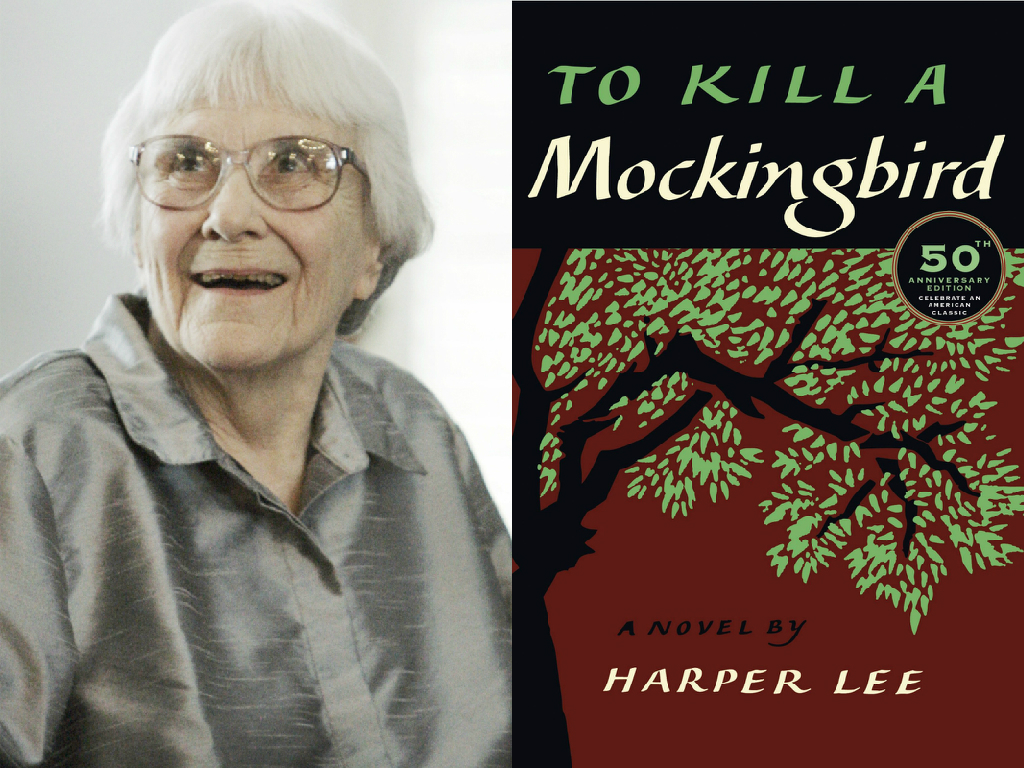
Harper Lee

“The one thing that doesn’t abide by majority rule is a person’s conscience”

Harper Lee’s literary reputation rests almost completely on one novel, To Kill a Mockingbird, which was published in 1960 and won the Pulitzer Prize in 1961. Set in mid-1930s Alabama, it uses a court case to illuminate the ingrained racism of the Deep South: black field-hand Tom Robinson is falsely accused of raping a white woman and is defended at trial by attorney Atticus Finch, the father of precocious child-narrator Scout. The novel can be viewed both as a coming-of-age story and a historical novel about the Great Depression, and explores the themes of crime, racism, morality and justice in a way that still feels challenging today. The 1962 film adaptation starring Gregory Peck is a classic.      

Lee was the daughter of a lawyer (on whom the character of Atticus was based), studied law herself, and had an interesting link to the world of crime writing. One of her childhood friends was Truman Capote, and she worked with him in conducting interviews and gathering materials for In Cold Blood (1966), his ground-breaking ‘true crime’ examination of the Clutter family murder case in Kansas.

Further reading:

Italian writer Umberto Eco listens to a question during the presentation of his latest novel "The Cemetery of Prague" in Madrid December 13, 2010. REUTERS/Andrea Comas

Umberto Eco in December 2010 (REUTERS/Andrea Comas)

“Books are not made to be believed, but to be subjected to inquiry”

In the world of crime fiction, Umberto Eco was most famous for his first novel, The Name of the Rose (1980), which is accurately described on the author’s website as ‘an intellectual mystery combining semiotics, biblical analysis, medieval studies and literary theory’. The novel’s 500 pages provide readers with a riveting murder mystery, a wonderful detective (Brother William of Baskerville), a rich portrait of 14th-century monastic life and medieval intellectual/religious conflict. The fiendishly clever solution remains one of the best in the crime fiction.

I love the possibly apocryphal stories that Eco wrote The Name of the Rose in response to a dare, or because “I felt like poisoning a monk”. It may therefore have been something of a surprise to him that the novel sold 10 million copies in over 30 languages.

Eco regarded himself primarily as an academic who wrote fiction on the side. His key areas of inquiry were philosophy and semiotics (the study of signs), and he wrote influential articles on literary theory and popular culture. His essay collection The Role of the Reader: Explorations in the Semiotics of Texts (1979) has been useful in my own academic work on crime fiction, particularly the distinction he makes between ‘closed’ and ‘open’ texts (the latter offer the reader greater interpretive agency, rather than steering readers towards a predetermined narrative closure). Grazie, Professore.

Further reading:

Eco 2

Eco’s original sketch for the labyrinthine abbey library in The Name of the Rose

Deutschland 83 series review: my take as a Germanist and fan

For the past seven weeks, Channel 4/Walter Presents viewers have been gripped by the German Cold War spy drama Deutschland 83, created by Anna and Jörg Winger, a talented German/American husband and wife team. Following tonight’s feature-length finale, here are my thoughts on the show as a Germanist who teaches/writes on German history and as a fan. The post contains spoilers, so if you haven’t seen the series, DON’T read on…watch the series instead!

D83 13

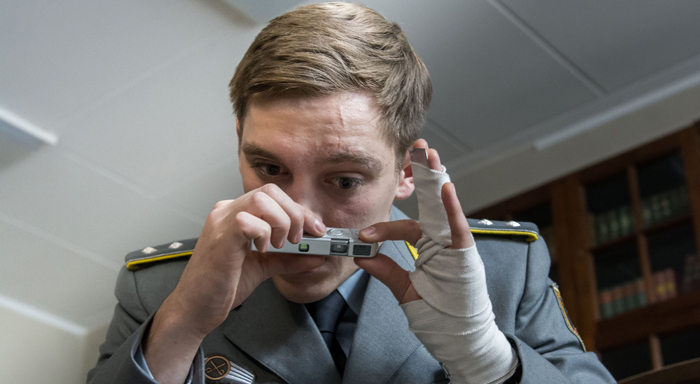
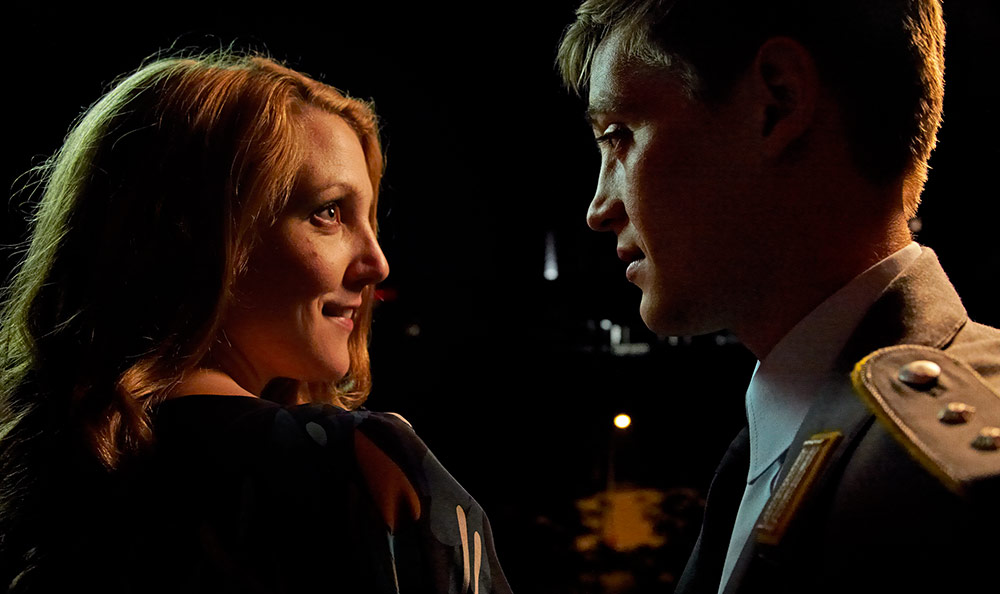
I watched the first episode of Deutschland 83 with slight trepidation. As a Germanist trying to persuade Brits of the merits of German culture, I wanted it to be good and to overturn some of the persistent UK tabloid stereotypes about Germans (earnest, humourless, Nazi). It was and it did. We were introduced to a host of intriguing characters and saw 24-year-old East German border guard Martin Rauch (Jonas Nay) bundled off to West Germany as secret agent Kolibri. Posing as Moritz Stamm, an aide to General Wolfgang Edel, he begins to gather classified military secrets in Bonn and to pass them back to the GDR, as Cold War tensions between East and West rise.

D83 17

Getting into the swing of this spying thing

One big question the first episode raised was that of historical veracity. A friend of mine, an academic expert on East Germany, described the depiction of Martin’s recruitment by the Stasi (the East German secret police) as ‘baloney’. I totally understood this reaction, as I’ve had similar responses to dramas set in Nazi Germany (e.g. one where a Jewish-German protagonist calls out a cheery ‘Shalom!’ to his friends on a busy Nazi-era street). But allowances should be made: writers of historical dramas need to communicate complex information to viewers very quickly, which sometimes means taking what I think of as ‘symbolic shortcuts’. In this case, the use of the spy thriller genre also demanded exciting action and a brisk narrative pace: we obviously couldn’t spend six episodes with Martin while he was being methodically trained in spycraft, so some suspension of disbelief was required.

On the other hand, the first episode managed to convey some fundamental truths: the Stasi‘s ruthless use of people’s personal circumstances to secure cooperation; the politicised nature of everyday East German life; the ideological hypocrisy of Western coffee and perfume making their way East via a border guard or a highly placed Stasi official; the very real military tensions of the time. And it was stylish. Beautifully shot, with a classy 80s soundtrack, its nuanced direction was serious or light as the action required. By the end of the episode I was hooked: how was young Martin/Moritz going to negotiate the tricky double identity that is the basis of a spy’s existence?

D83 19

Here are just some of the things I loved about Deutschland 83:

  • The episode titles originate from NATO military exercises. Quantum Jump, Brave Guy, Atlantic Lion, Northern Wedding, Cold Fire, Brandy Station, Bold Guard and Able Archer all took place in 1983. The latter is of particular significance throughout the series.
  • Tremendous historical and cultural breadth. The series successfully shows viewers the global scale of the Cold War in 1983 (from President Reagan’s ‘Evil Empire’ speech to the Russian downing of Korean Air Lines Flight 007); the profound legacy of the student/68 movement (from Alex’s interest in the Green Party and Yvonne’s life in a Rajneesh commune to Tischbier’s faux political activism at the University of Bonn); and the devastating rise of AIDS.
  • The ‘coming-of-age’ theme. We see a number of characters having to grow up very quickly in the course of the series, such as Martin, Alex, Yvonne and Annett. The moral challenges they face in the process are effectively drawn, particularly in Martin’s case.
  • Politically subversive libraries. Martin’s mother Ingrid may be the sister of a Stasi apparatchik and gratefully receive bottles of Chanel/privileged medical attention, but she also has a stash of illicit literature such as George Orwell’s 1984 in a secret room in her basement. She’s in cahoots with Thomas, helping him to distribute banned books from the boot of her car (a subversive mobile library!). The scenes in which Martin’s girlfriend Annett discovers Ingrid’s library and then denounces Thomas to the Stasi made me incredibly thankful to live in a society that values free speech.
D83 2

What have we here…?

  • Ursula Edel and the fish (episode 5). One of the many darkly humorous moments from the series.
  • The soundtrack is a delight, featuring 80s hits from East and West Germany, and the English-speaking world. There’s a full Spotify playlist here. My favourites include the German version of Peter Schilling’s theme tune ‘Major Tom (völlig losgelöst)’, Nena’s ’99 Luftballons’ and David Bowie’s ‘Modern Love’.
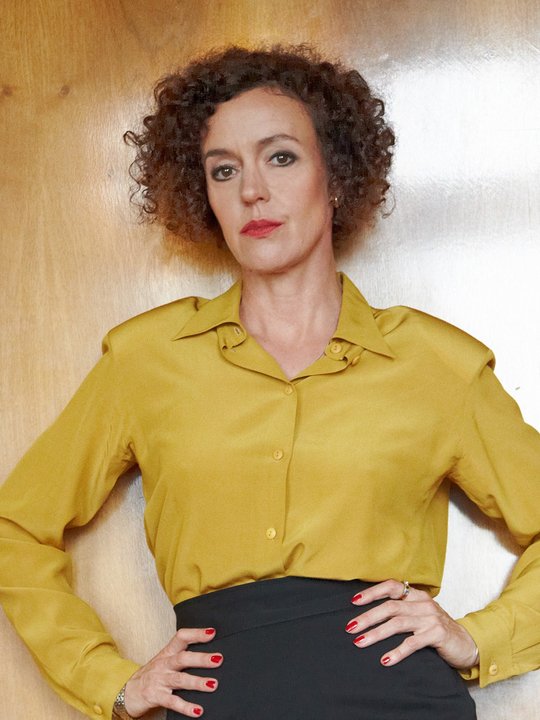
  • Last but not least…Lenora Rauch. Martin’s ruthless Stasi aunt, who forces her nephew into the life of a spy, is beautifully played by Maria Schrader (whom you may remember from the film Aimée & Jaguar). Her ideological conviction is tempered by a world-weary, I’ve-seen-it-all-before vibe: the collapse of an operation just elicits a sigh and an extra-long drag on her cigarette. Oh, and she’s also a total 80s style icon, complete with perm, killer silk shirts and red lippy/nails.
D83 8

Things are about to go pear-shaped…again

p11710911_n74960_cc_v9_aa

D83 9

Cutting edge technology: the floppy disk

There may have been times where things threatened to get a bit silly, such as Episode 2’s entertaining but implausible attack on Martin/Moritz by the ninja-assassin-waitress. But the series always managed to pull itself back from the brink of parody and delivered some truly powerful moments.

  • Linda Seiler’s death halfway through the series in episode 4 was a game-changer. When Martin fails to shake the NATO secretary’s loyalty to the West, she is run over and killed by Tischbier in a truly traumatic scene. This event shows us that Martin’s spying assignment is grown-up and deadly. Even though he resisted letting Linda drown in the lake earlier in the episode, he must still bear some responsibility for her death, which was necessary to protect his cover. It’s a le-Carré-style moral low in which innocent individuals are shown becoming pawns in much larger political games. To add insult to injury, brave Linda is left in an unmarked grave in the forest (a German fairytale gone badly wrong) and it’s suggested that she defected to the East.
D83 20

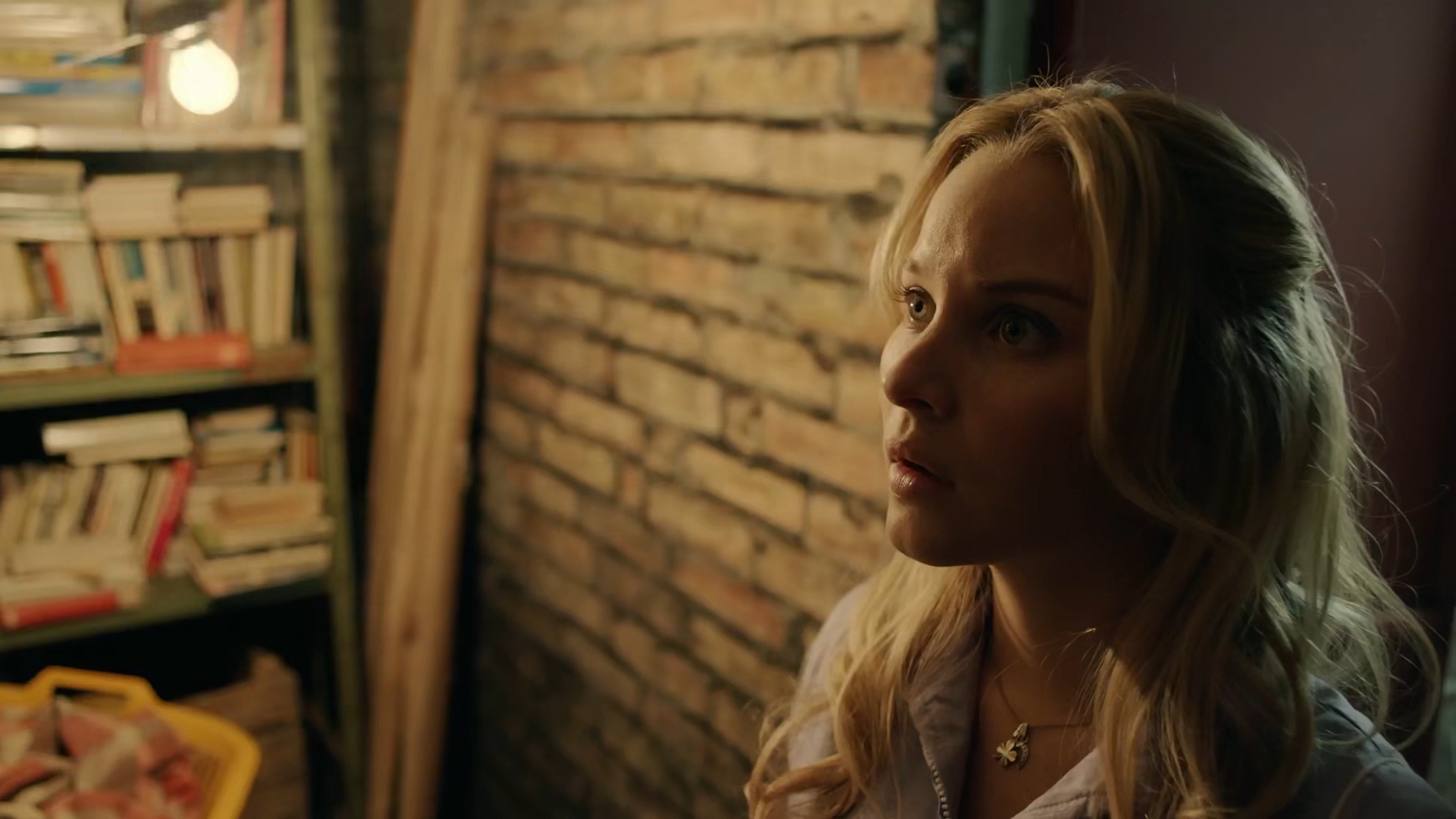
Alas, poor Linda!

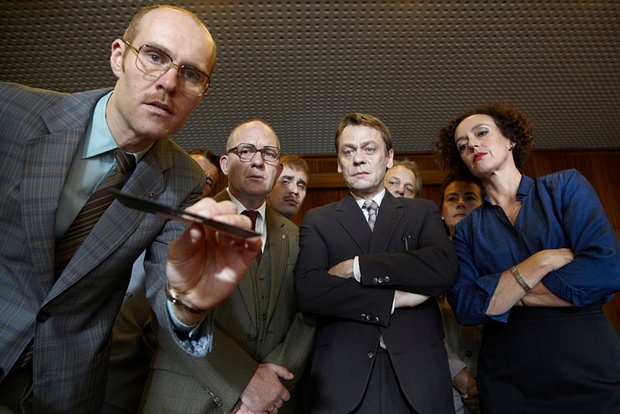
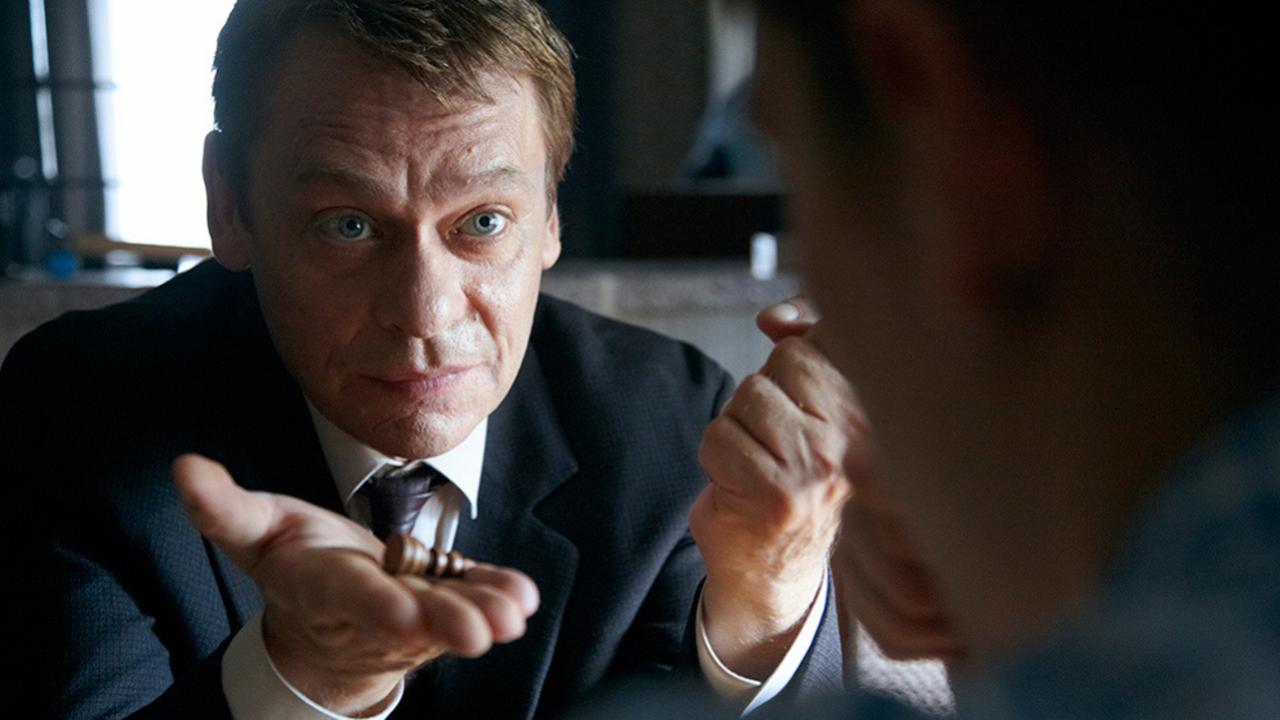
  • Linda’s apparent betrayal has consequences. It leads her boss, moderate NATO analyst Henrik Mayer to commit suicide, which allows hawks in the East and West to escalate military tensions. A special mention in this respect must go to Stasi official Walter Schweppenstette, whose ideological adherence is particularly dangerous. Told by a Russian superior that a decoded report must fit Moscow’s view of a predatory US, he dutifully edits and distorts its findings. In a chilling scene at the end of episode 6, the Russian is shown receiving the doctored report and accepting its contents as genuine, thereby turning fiction into fact, and taking the two sides perilously close to nuclear war.
D83 16

Was it something I said?

  • Tonight’s finale… took the world to the brink of nuclear destruction and back again. A number of characters had their morality tested, none more so than Martin, whose decisive action made key figures such as General Edel and Lenora begin to doubt Schweppenstette’s wilful insistence that NATO forces were about to launch an attack. One sobering aspect of this storyline was its emphasis on how the actions of just a few individuals have the power to trigger catastrophic destruction or perhaps…in a thriller at least, to stop it, allowing nuclear rockets to reverse back into their firing systems before our eyes. Phew.
  • Alex and Martin are revealed to have been ‘twins’ all along, both the sons of powerful fathers on the opposite sides of the Berlin Wall. The knowledge of that fact will definitely enrich a second viewing of the series.
  • Never has a border crossing – from WEST to EAST – been more thrilling. Didn’t the little fairy godmother in the car do well?
  • Comic highlight: Schweppenstette’s inept dad-dancing to Udo Lindenberg.
  • The series left a number of questions deliberately open. What of Martin and Annett’s future? If Martin passed his moral test, Annett failed hers spectacularly. Where will Lenora’s big adventure take her? And what of the Edels? Both father and son cut quite tragic figures at the end. Thomas is saved by Ingrid’s actions, but what awaits him in the West? To be continued….?

One of the best things about Deutschland 83 is that it’s made Germany and the German language cool. I’ve been made inordinately happy by tweets such as these: @jazzywoop ‘#Deutschland83 writing, directing, production, casting, acting, location, music and design is magic. Elevated further by being in German’; @Yasmin_Gooner ‘German is the sexiest language in the whole world. #Deutschland83’; @julzenthe1st ‘German students & graduates are giving each other high fives all over Britain’. Thank you Mr. and Mrs. Winger, thanks Walter!

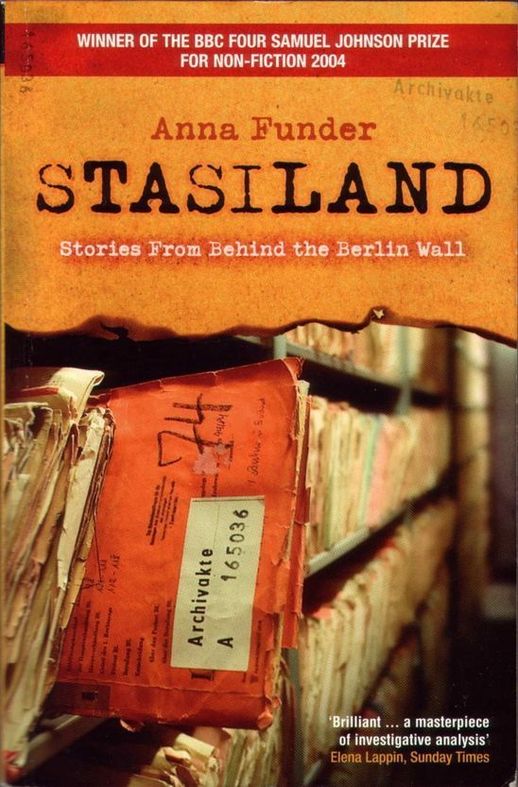
Further reading: 

stasiland (1)

Trapped: New Icelandic crime drama airs Saturday 13 February on BBC4 (Series 1)

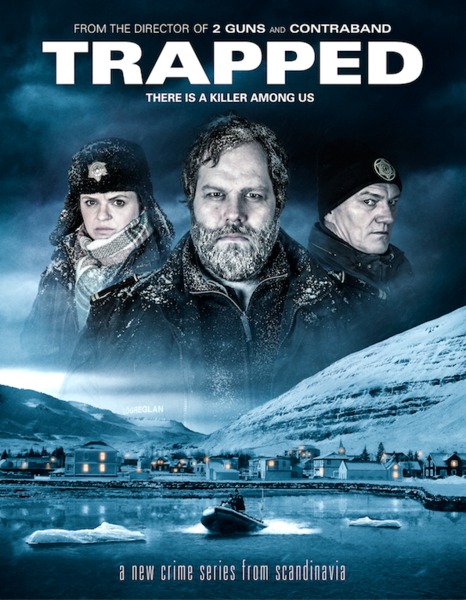
BBC4’s weekend crime slot moves from Montalbano’s sunny Sicily to a chilly northern Iceland on Saturday 13 February. Trapped, the channel’s first Icelandic crime drama, begins with two back-to-back episodes at 9.00pm (there are 10 episodes in total). This RVK Studios series will give many British viewers their first taste of the Icelandic language (subtitles also at the ready, of course).

Trapped

Trapped seems to be set in the east-coast port of Seyðisfjörður (although some of it was filmed in the northern port of Siglufjörður, which features in Ragnar Jónasson’s ‘Dark Iceland’ crime series). The opening episodes show three events happening almost simultaneously: a ferry with three hundred passengers arriving from Denmark, the discovery of a corpse in the water, and the onset of a violent snowstorm. The storm prevents the ferry from leaving and blocks roads in and out of town, trapping the passengers and townsfolk with the killer. Step forward Police Inspector Andri, who is tasked with investigating this high pressure case…

Here’s a trailer, which looks quite brooding and scary (may need to hide behind the sofa for bits of this one):

The BBC’s Sue Deeks had this to say about Trapped following its acquisition for BBC4: “A truly gripping storyline, stunning Icelandic setting and renowned feature film director Baltasar Kormákur (Everest) was a combination impossible to resist. Trapped will be our first Icelandic drama series and I am certain that BBC Four viewers are in for an absolute treat.”

Trapped stars Ólafur Darri Ólafsson (The Secret Life Of Walter Mitty, True Detective) in the lead role and is joined by Bjarne Henriksen (Borgen, The Killing), Ingvar E Sigurðsson (Everest, K19 The Widowmaker), Ilmur Kristjánsdóttir (Virgin Mountain, White Night Wedding), Nína Dögg Filippusdóttir (The Sea) and Björn Hlynur Haraldsson (Borgias, Fortitude). The series is written by Sigurjón Kjartansson and Clive Bradley, and is produced by Baltasar Kormákur and Magnus Vidar Sigurdsson.

UPDATE – SPOILER FREE REVIEW OF EPISODES 1 AND 2

Well, that was a brilliant start. This is a high quality crime drama that has the potential to develop into a really great series. The first episode set up the different strands of the narrative very nicely: a mysterious fire, the ferry’s arrival, the discovery of the body and the complex personal life of police chief Andri. The actors are great, the writing is crisp with occasional wry humour, and the cinematography is excellent, making the most of the dramatic Icelandic landscape and weather. Wrap up warm when watching, because it’s almost impossible not to feel chilly with that blizzard swirling around.

ofaerd

Andri and his police team

It was lovely to hear Icelandic, mingled in with some English and Danish (the captain of the Danish ferry will be immediately recognizable to fans of The Killing I and Borgen). I liked Andri and his down-to-earth female police colleague Hinrike very much, and was amused to see the Reykjavik police investigators depicted as arrogant city slickers (there’s some friction here that will hopefully be explored in later episodes).

Update: Just watched episodes 7 and 8, which were both excellent. The plot continues to thicken, and the quality of the screenwriting and acting remains extremely high. Andri and Hinrike make a brilliant team. Can’t wait for the finale next week.

One last tidbit: the Icelandic title of the series is Ófærð, which means ‘impassable’ – the word on the sign signalling road closure due to bad weather. Looking forward to more immensely.

*********

In other TV news, Sunday 14 February brings us the feature-length finale of Deutschland 83. This East/West German spy thriller has been an absolute gem, and has elicited an incredibly enthusiastic response from British viewers. I’ll blog my thoughts on the series as a Germanist and fan once the roller-coaster ride is complete!

D83 13

Happy Valley Series 2, Arctic thrills (Nesbo & McGrath)…and going green

My day is made: I’ve just heard the news that the second series of Happy Valley begins on BBC 1 next Tuesday, 9 February at 9pm.

Happy Valley 1

The first series of Happy Valley was one of the best TV crime dramas I’ve ever seen, with a wonderful lead, Police Sergeant Catherine Cawood (Sarah Lancashire), and a storyline that was gripping and moving in equal measure. The script by acclaimed screenwriter Sally Wainwright was top-notch, celebrating female strength and endurance while exploring tough themes such as grief, gender and power, and the consequences of greed.

Series 2 picks up the story eighteen months after the end of series 1. Tommy Lee Royce is still safely locked up in prison, but continues to cast a shadow over Cawood’s life as she attempts to get on with raising her grandson and doing her job. Episode 1 starts off with a mild case of West Yorkshire sheep rustling, but things soon take a more serious turn… There are six episodes in total.

Here’s the trailer to whet your appetite and a great Guardian piece on the show (‘What makes Happy Valley TV’s most realistic police drama?’):

Other TV dramas I’m enjoying at the moment include Channel 4’s Deutschland 83 (which I’ll blog on more fully at the end of the series) and Vera, which has just started over on ITV. I’ve had to consciously pull myself back to some reading, not least as the Petrona Award judges will be meeting soon to shortlist for this year’s prize.

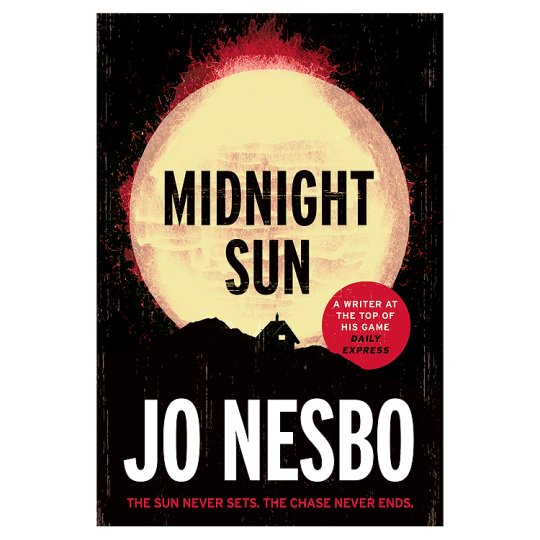
Midnight Sun

One of the submissions is Jo Nesbø’s Midnight Sun, expertly translated from the Norwegian by Neil Smith (Harvill Secker, 2015). I confess that I’ve sometimes struggled with Nesbø’s novels. While I like some of the ‘Harry Hole’ series, such The Redbreast (2006), and always initially enjoy the writing, I’ve put more than one of the novels aside when the violence becomes too eye-watering. Midnight Sun stayed within acceptable boundaries for me on that score, and as a result, I really enjoyed this tale of a young man on the run from Oslo’s nastiest underworld boss. Jon’s escape route leads him to Kåsund, a small (possibly fictitious) settlement near Alta in the Finnmark region of northern Norway, which lies in the Arctic Circle (close to Tromsø on the map below). Here, this city dweller has to deal with northerly solitude, the disorientating midnight sun, his Sami and Laestadian neighbours, and the threat of being found. The novel’s characterisation is rich, the geographical and cultural settings are intriguing, and the plot unfolds in a leisurely fashion, allowing Jon’s relationship with a young woman and her son from the nearby Laestadian religious community to grow at a natural pace. The novel also features the most original fugitive hiding place I’ve seen in a long time.

Another novel with a similar setting, which features the Norwegian Reindeer Police, is Olivier Truc’s Forty Days without Shadow see my earlier review here.

Arctic Circle

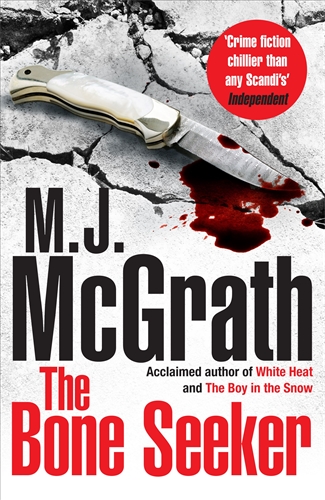
I’ve also just started M.J. McGrath’s third ‘Edie Kiglatuk’ novel, The Bone Seeker (Pan, 2015). I’m delighted to be back in Edie’s world as I love her company, and one of the series’ big strengths is the detail it gives about Inuit life on Umingmak Nuna (Ellesmere Island, in green on the left of the map) up in the High Arctic. The history, geography and culture of the region all fascinate me, bearing out Karen’s comments in the previous post about enriching the reading experiences of far-away audiences.

The novel opens with the disappearance of young Inuit Martha Salliaq, one of the students Edie has been teaching at a school in Kuujuaq. When a body is discovered in a polluted lake near a decommissioned radar station, a complex investigation begins… Like Nesbo’s novel, The Bone Seeker is set during the arctic summer in seemingly eternal daylight, and I’m very much looking forward to reading more. It’s beautifully written and a genuine crime fiction treat.

Bone Seeker

Finally, some of you may have noticed that this blog has turned a little green. The new design and colour scheme celebrate the fact that Crime Fiction in German has gone to press! The blog banner is taken from the marvellous cover by the University of Wales Press. Watch this space for further news about the publication date and launch.

🙂

CFIG